
Navigating the Dutch Capital: A Comprehensive Guide to Amsterdam Etiquette and Travel Wisdom

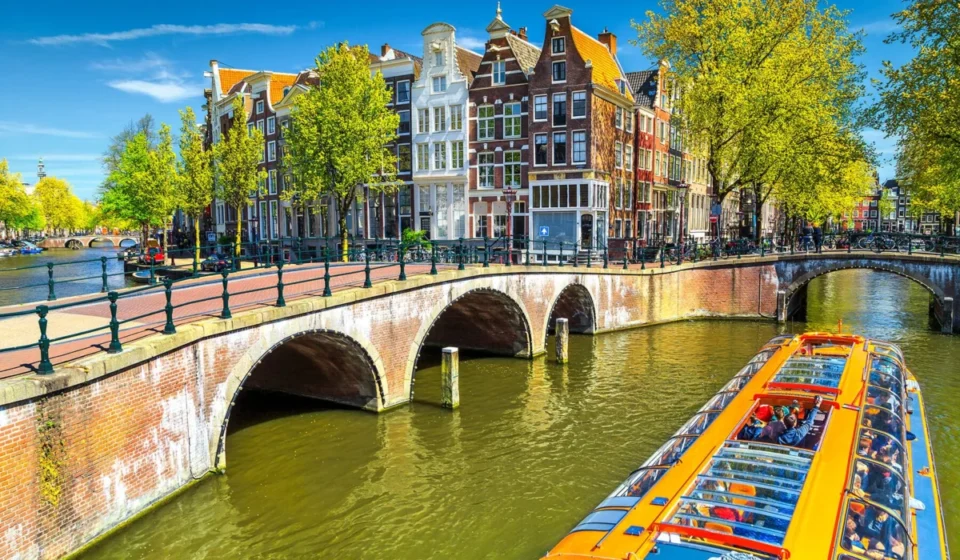
Amsterdam is a city of contradictions: a historic marvel of 17th-century engineering, a global hub for liberal arts, and a destination that struggles with the weight of its own popularity. With its iconic canal rings and gabled houses, the Dutch capital attracts millions of visitors annually. However, the city’s famously tolerant culture is often misinterpreted as a lack of rules. In reality, the "anything goes" reputation is a myth that can lead unsuspecting tourists into legal trouble, financial pitfalls, or simply the ire of the locals.
To ensure your visit is both enjoyable and respectful, it is essential to distinguish between local "gezelligheid" (the uniquely Dutch sense of cozy togetherness) and the strict social and legal boundaries that keep the city functioning.
The Core Principles of Dutch Conduct
Amsterdam is a living, breathing city, not a theme park. While the Dutch are known for being friendly and pragmatic, they value order and consideration. The primary rule for any visitor is simple: respect the residential nature of the city.
When you navigate Amsterdam, remember that you are sharing space with people who are commuting to work, picking up children from school, or simply trying to live their daily lives. The "tourist bubble" often prevents visitors from realizing that behavior acceptable in a nightclub is entirely inappropriate on a quiet street in the Jordaan or the Canal District.
A Chronology of Tourism Reform: Why the Rules Changed
For years, Amsterdam operated under a relatively laissez-faire approach to tourism. However, the post-pandemic surge in travel led to "over-tourism," prompting the city government to implement significant changes to maintain the quality of life for its residents.
- Pre-2018: The city focused on growth and marketing, encouraging mass tourism.
- 2019-2021: A shift in policy began as the city council, led by various local initiatives, started emphasizing "resident-first" policies.
- 2023: The "Stay Away" campaign was launched, specifically targeting young, rowdy tourists looking for "hedonistic" vacations.
- 2024-2025: The implementation of stricter fines for public nuisance behaviors, such as public drinking and smoking cannabis in certain areas, has become the new norm.
These changes represent a structural pivot in Dutch tourism management. The city is no longer asking for more visitors; it is asking for better, more respectful ones.
Supporting Data: The High Cost of "Faux Pas"
Understanding the legal landscape is crucial for avoiding expensive fines that can derail a travel budget. The municipality has standardized several penalties to discourage disruptive behavior.
The Financial Impact of Misconduct
- Public Nuisance Fines: Engaging in public intoxication or smoking cannabis in the city center—specifically in areas like De Wallen, Dam Square, and Nieuwmarkt—carries a fine of €100 ($114 USD).
- Transportation Savings: Failing to utilize the NS (Dutch Railways) app for advance booking can cost travelers up to 60% more on ticket prices. A standard walk-up ticket is significantly more expensive than an off-peak, pre-booked fare.
- Opportunity Costs: By failing to book major museums (such as the Van Gogh Museum or the Anne Frank House) at least 3–4 weeks in advance, travelers often find themselves relegated to "secondary" experiences, missing out on the city’s primary cultural offerings.
Official Stance and Local Sentiment
The Dutch authorities, specifically the Amsterdam city council, have made their stance clear: "If you are coming to cause trouble, stay home." This sentiment is echoed by locals who frequently find themselves frustrated by the "pedestrian gridlock" caused by tourists stopping in the middle of bike lanes or bridges to take photos.
"The city is for everyone, but it is primarily for those who live here," says a representative of the local tourism board. The goal is not to stop tourism, but to shift the demographic toward visitors who appreciate the city’s history, art, and architecture rather than those seeking a "no-consequences" party zone.
Essential Rules for the Modern Traveler
1. The Cannabis Myth
Many visitors arrive under the impression that cannabis is legal in the Netherlands. It is not; it is tolerated under strict conditions. Smoking in public, particularly in the Red Light District, is a fast track to a fine. Always stick to authorized "coffee shops" and never assume your hotel allows smoking—most have strict policies that will result in a hefty cleaning fee if violated.
2. Bicycle Lanes: The Unspoken Hierarchy
In the social hierarchy of Amsterdam streets, the bicycle is king. Pedestrians who wander into cycle lanes are not just annoying; they are a public safety hazard. When walking, stay on the sidewalk. When renting a bike, understand that you are expected to know the rules of the road. If you haven’t cycled in years, the crowded, tram-heavy city center is not the place to "get back in the saddle."
3. The Red Light District (De Wallen)
This area is a UNESCO World Heritage site and a working neighborhood. The primary rule here is no photography. Taking photos of sex workers is not only disrespectful but also forbidden to protect their safety and privacy. Furthermore, guided group tours through the window district are now restricted to reduce the "human zoo" atmosphere.
4. Beyond the City Center: Exploring Further
The concentration of tourists in the central ring is a major cause of urban congestion. Travelers are encouraged to explore:
- Oost and Zuid: Offering a more authentic look at modern Amsterdam life.
- Amsterdamse Bos: A sprawling forest on the city’s edge perfect for outdoor recreation.
- Noord: Accessible via a free ferry, this area offers a hip, industrial-chic vibe with fewer crowds and more space.
5. Smart Travel Planning
The Netherlands is a compact country with an exceptional rail network. There is no reason to spend your entire trip in Amsterdam. Within an hour, you can reach:
- Gouda: Famous for its namesake cheese and historic market square.
- Giethoorn: A fairy-tale village with no roads, only canals.
- Maastricht: A southern gem with a distinct cultural flair.
Implications: The Future of Your Trip
The implications of ignoring these guidelines are clear. You risk being perceived as an unwelcome guest, potentially facing fines, and missing out on the genuine charm of the Netherlands.
The Dutch capital rewards those who prepare. By booking museum tickets in advance, utilizing the rail app for discounts, and respecting the quiet, residential nature of the canal houses, you transform your trip from a standard "tourist slog" into an immersive cultural experience.
A Final Warning on "Experiences"
While the city offers space cakes and truffles, these are not to be trifled with. The potency of products in licensed "smart shops" can be significantly higher than what tourists are accustomed to back home. If you choose to partake, do so in a secure environment and, preferably, with guidance. Never consume these substances in public or on an empty stomach, and certainly never assume you can navigate the city’s complex cycling and tram systems while under their influence.
Amsterdam remains one of the world’s most vibrant and beautiful cities. Its rules aren’t designed to stifle fun; they are designed to preserve the city for the next generation of travelers and for the residents who call these canals home. Follow these guidelines, and you will find that the Dutch are as friendly, welcoming, and open as the guidebooks promise.