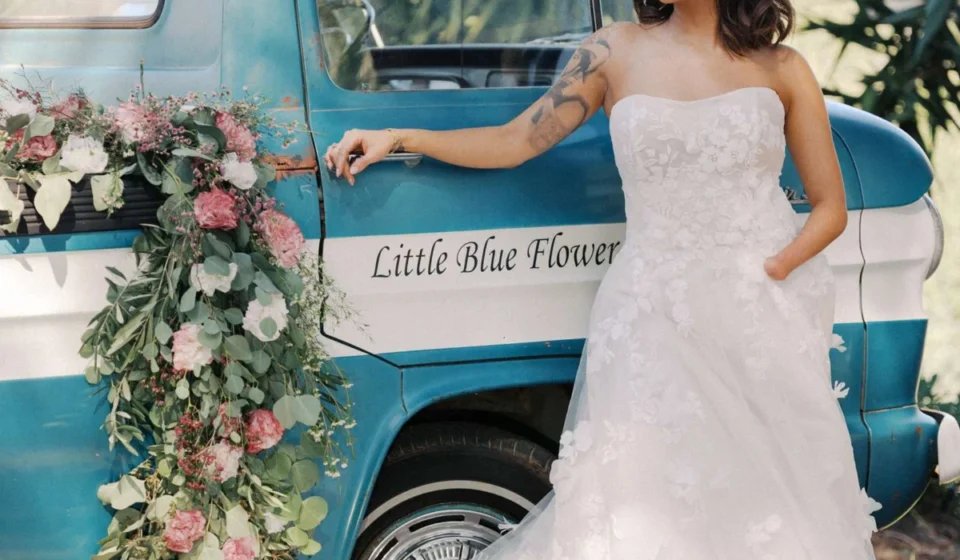
Redefining the Aisle: How Maggie Sottero and Hopelynd are Championing Radical Accessibility in Bridal Fashion

The wedding industry has long thrived on a specific aesthetic of perfection—a vision that, until recently, rarely made space for the realities of disability. For decades, the "ideal" bride was portrayed as able-bodied, often leaving a significant portion of the population feeling like an afterthought in their own celebrations. However, a transformative shift is currently underway. Leading the charge in this necessary evolution is iconic bridal designer Maggie Sottero, which has partnered with the non-profit organization Hopelynd to dismantle barriers and foster a truly inclusive environment for couples with disabilities.
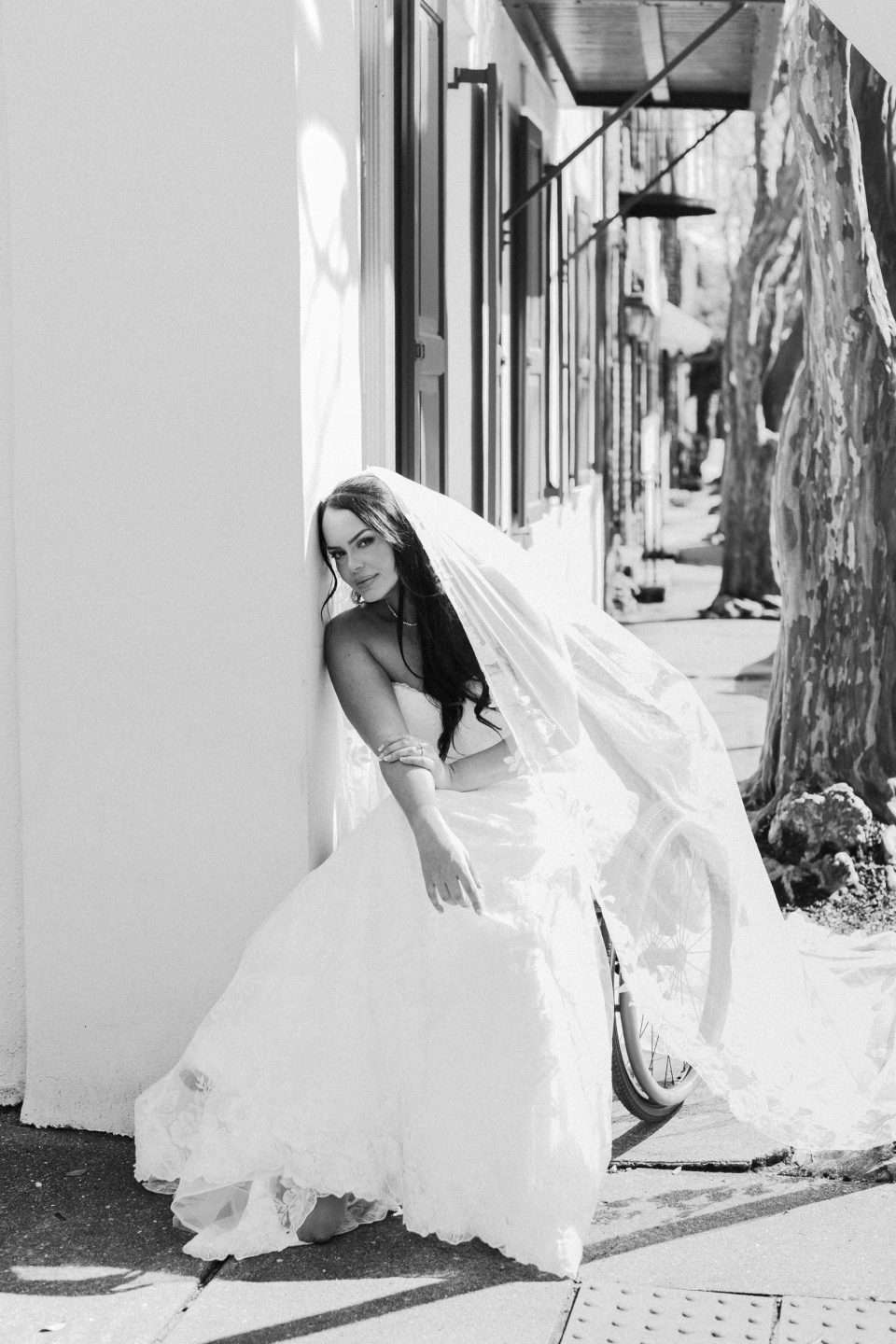
This collaboration is not merely a marketing campaign; it is a fundamental re-evaluation of how the bridal world operates. By prioritizing accessibility from the initial design phase through to the final walk down the aisle, these organizations are proving that high-fashion aesthetics and universal design are not mutually exclusive.
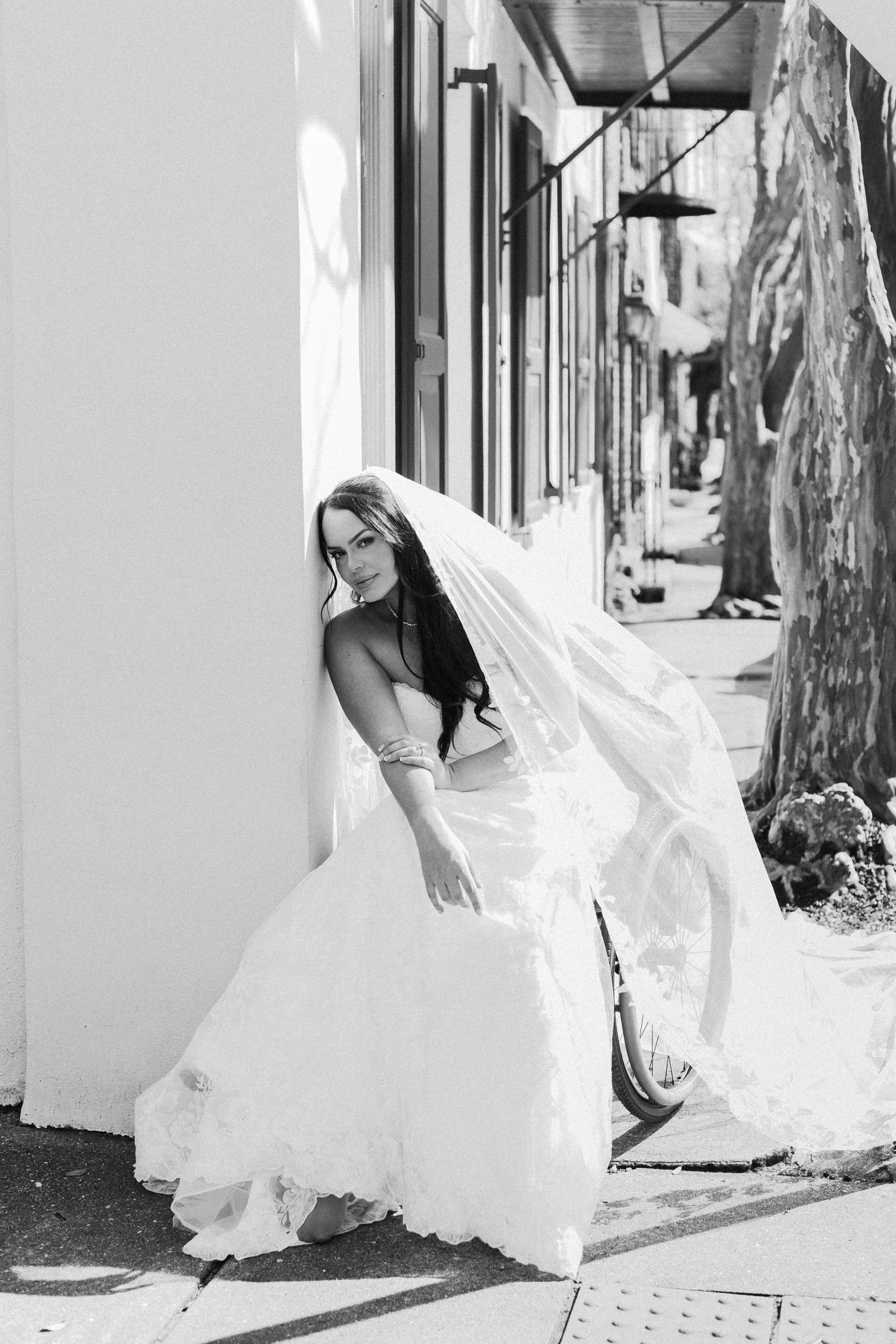
Main Facts: A Partnership Built on Representation
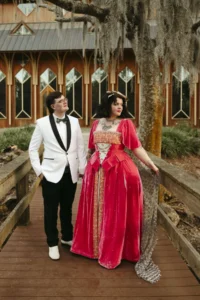
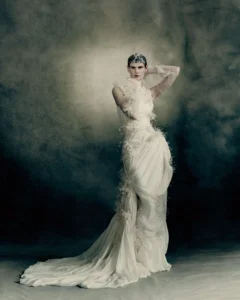
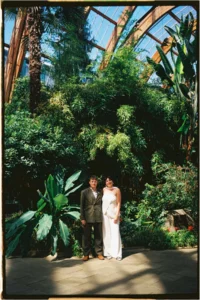
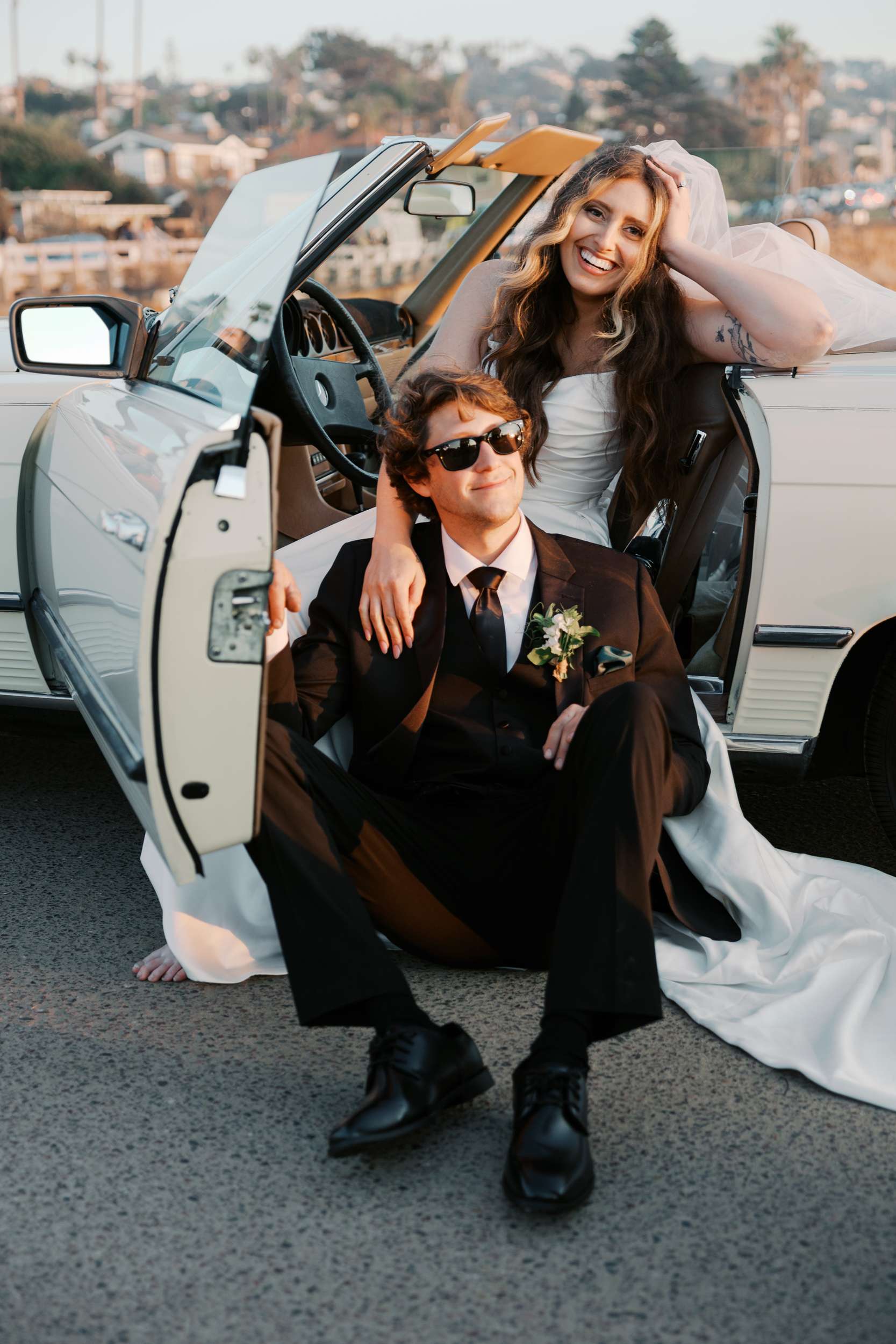
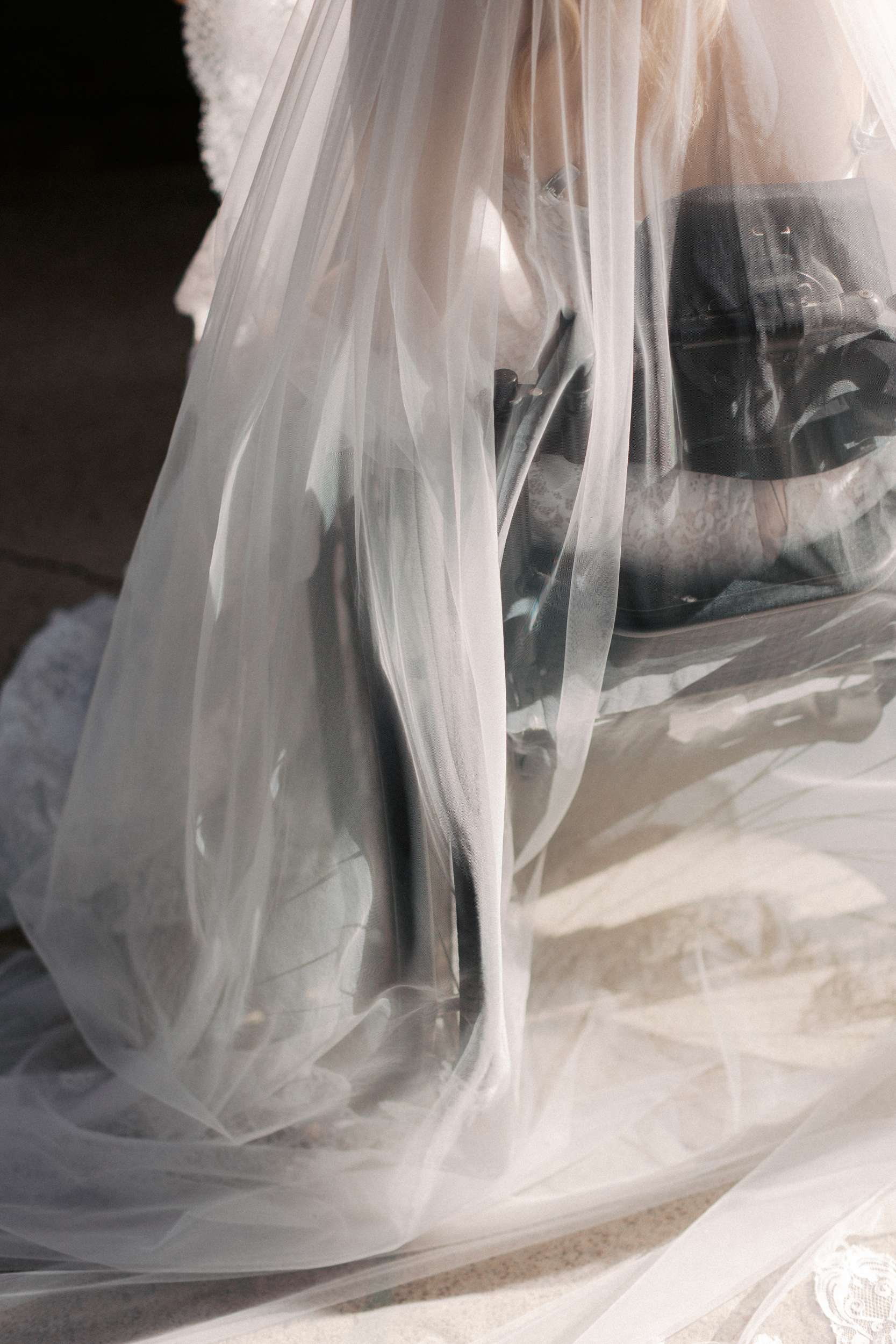
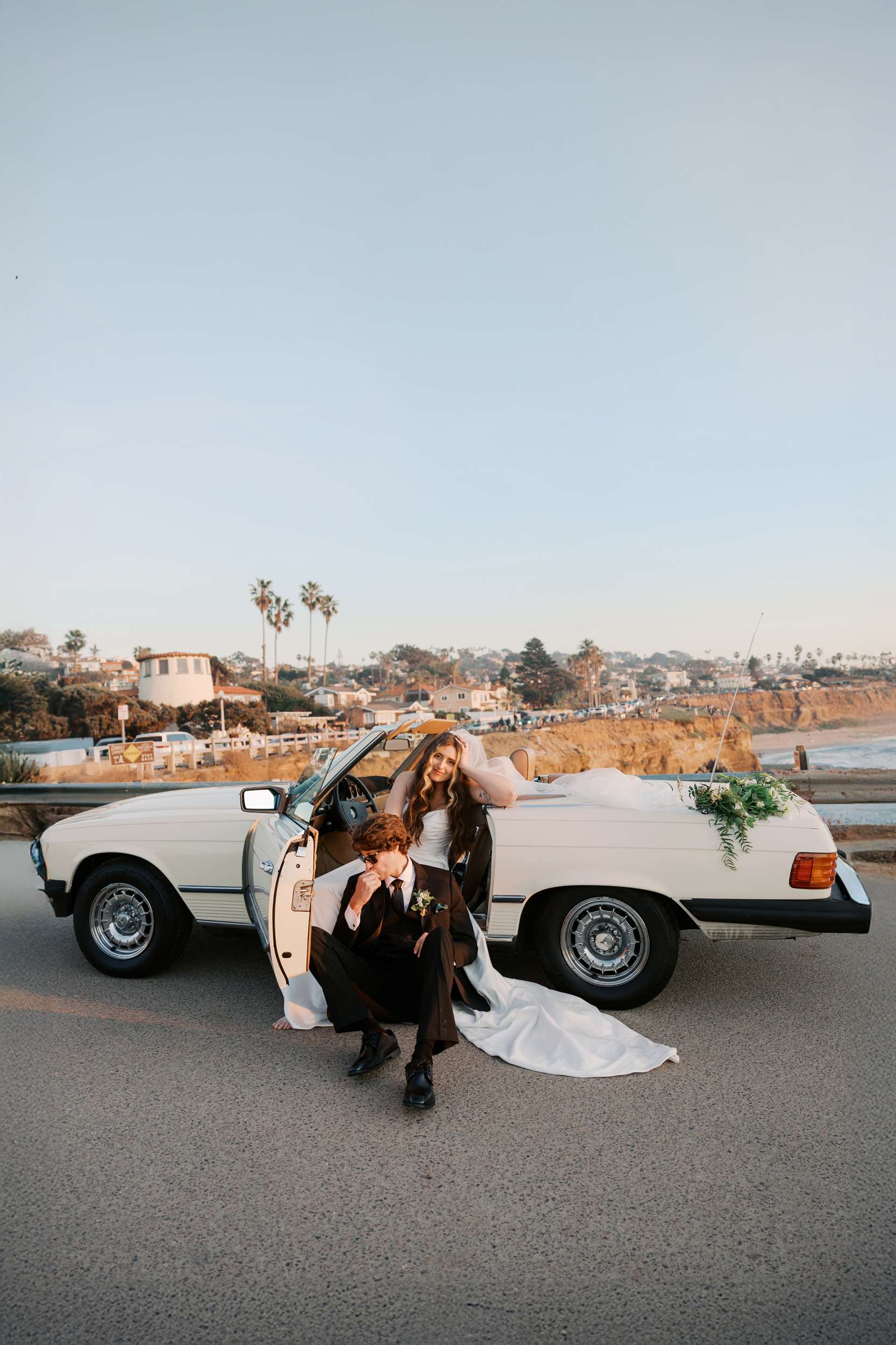
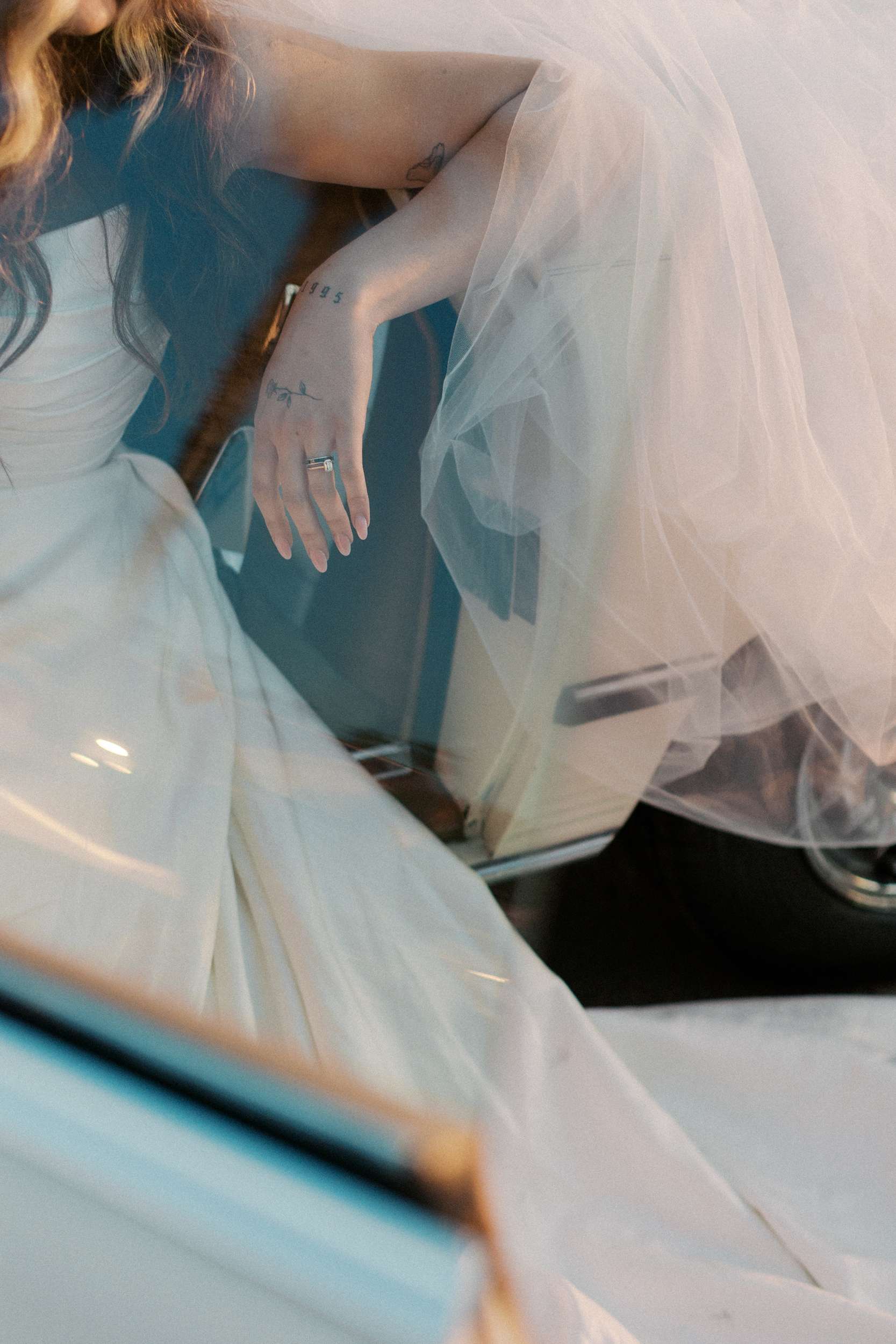
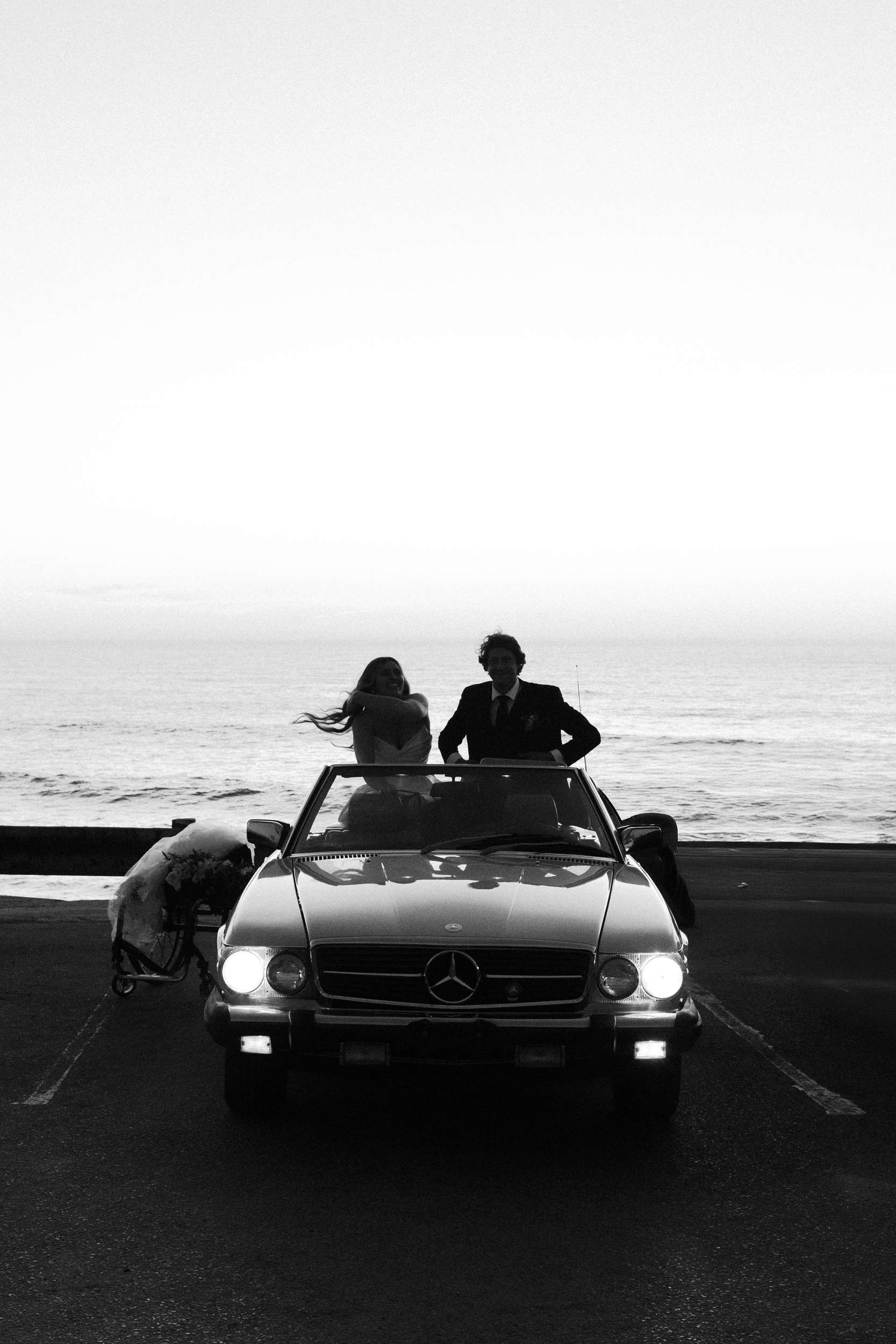
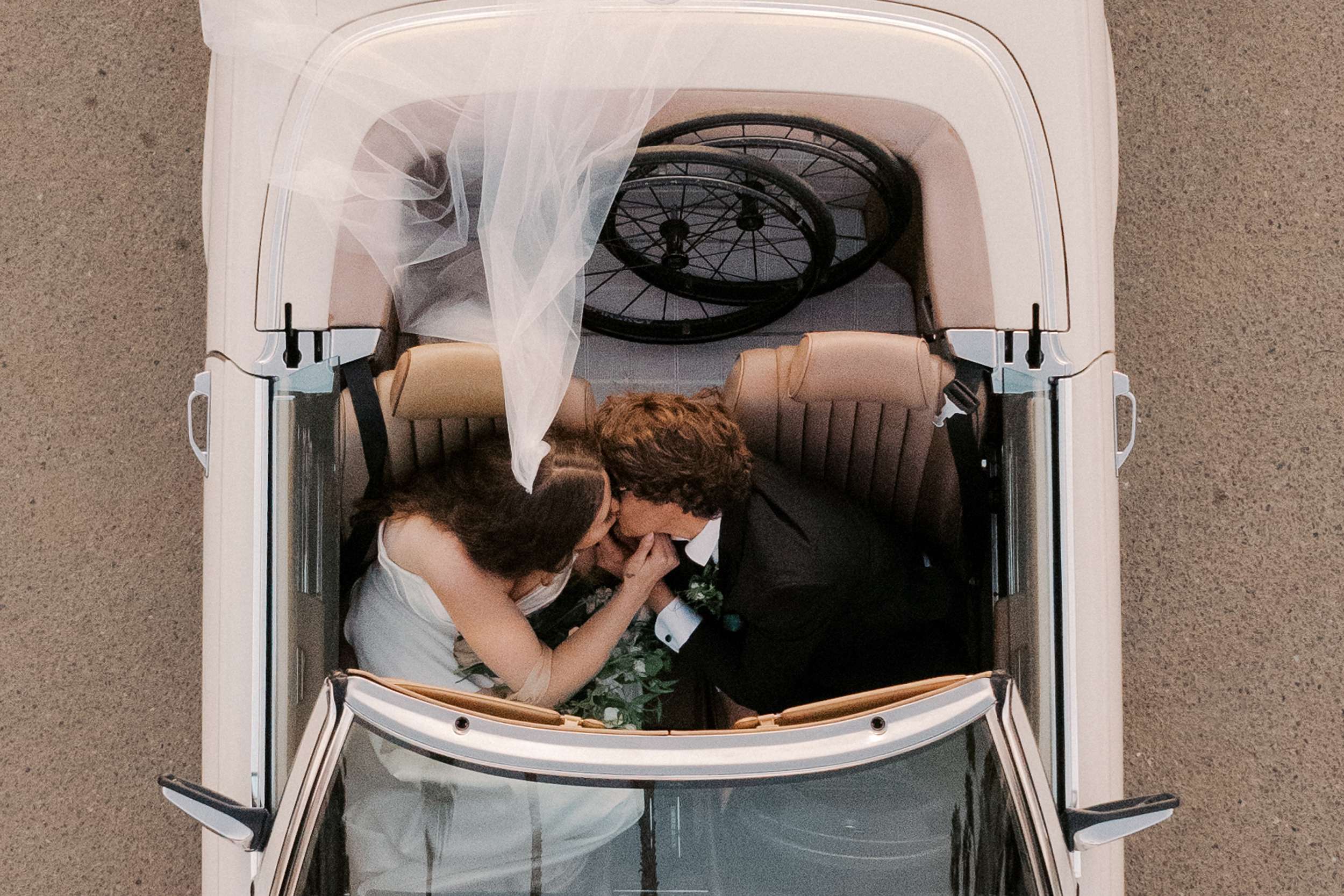
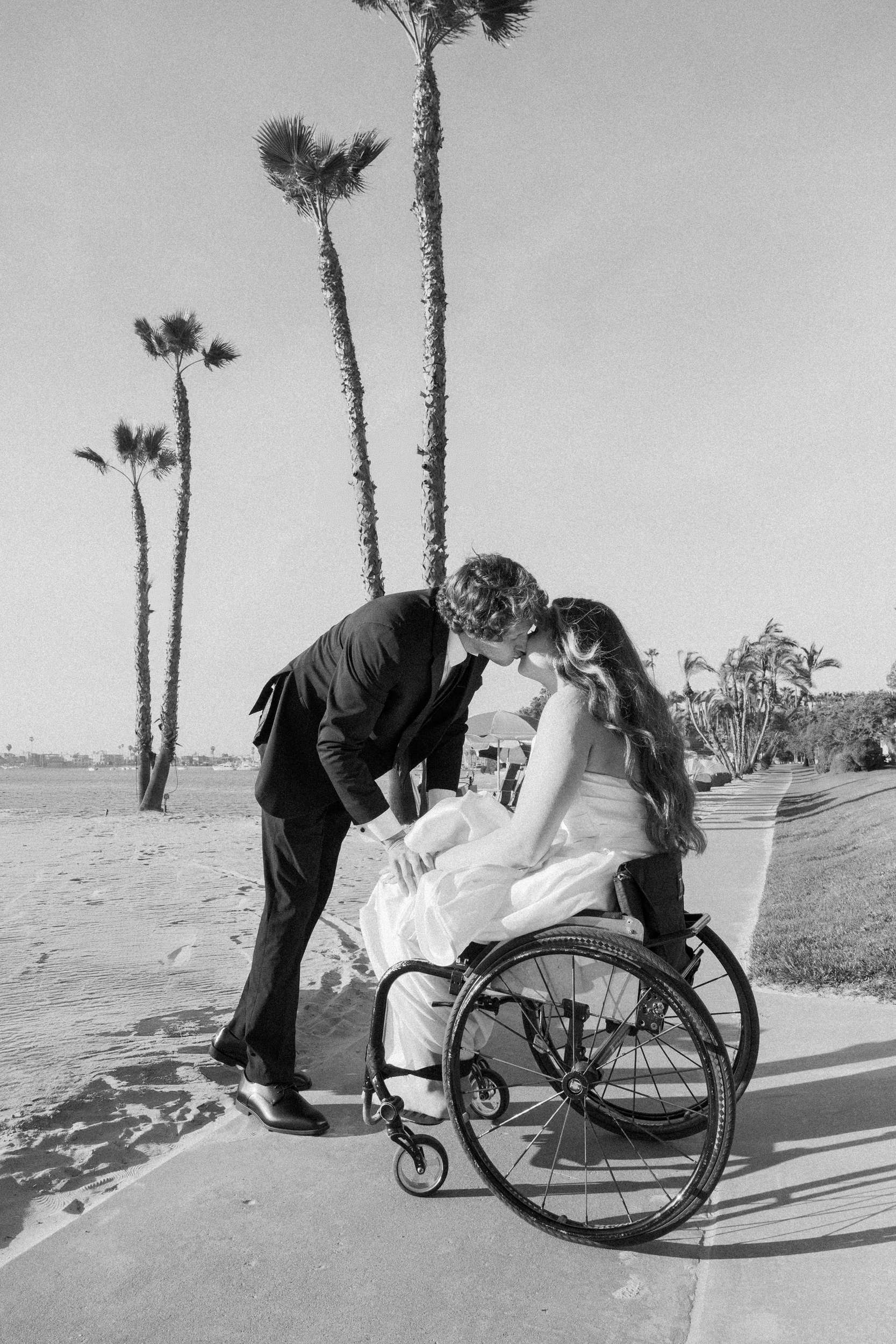
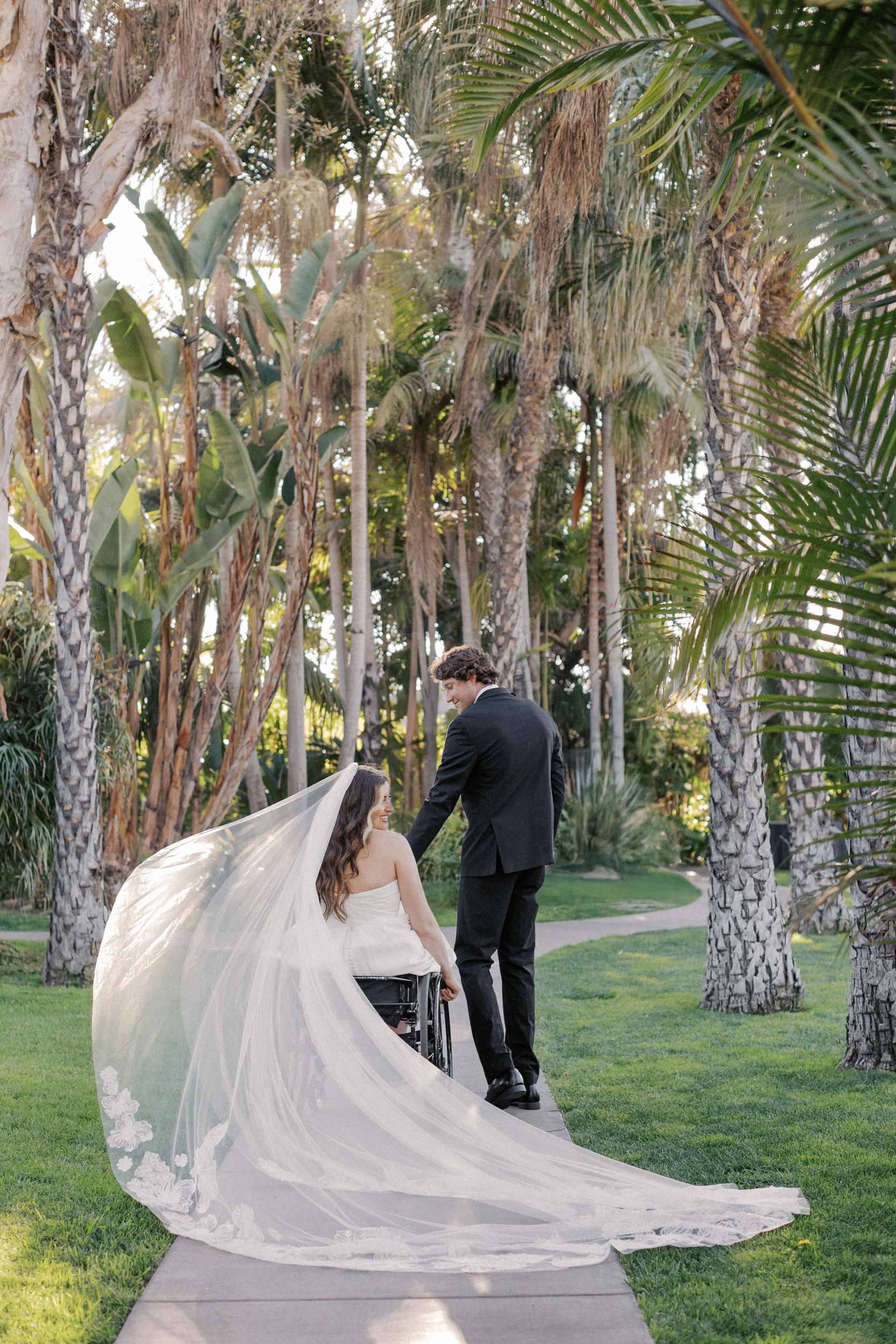
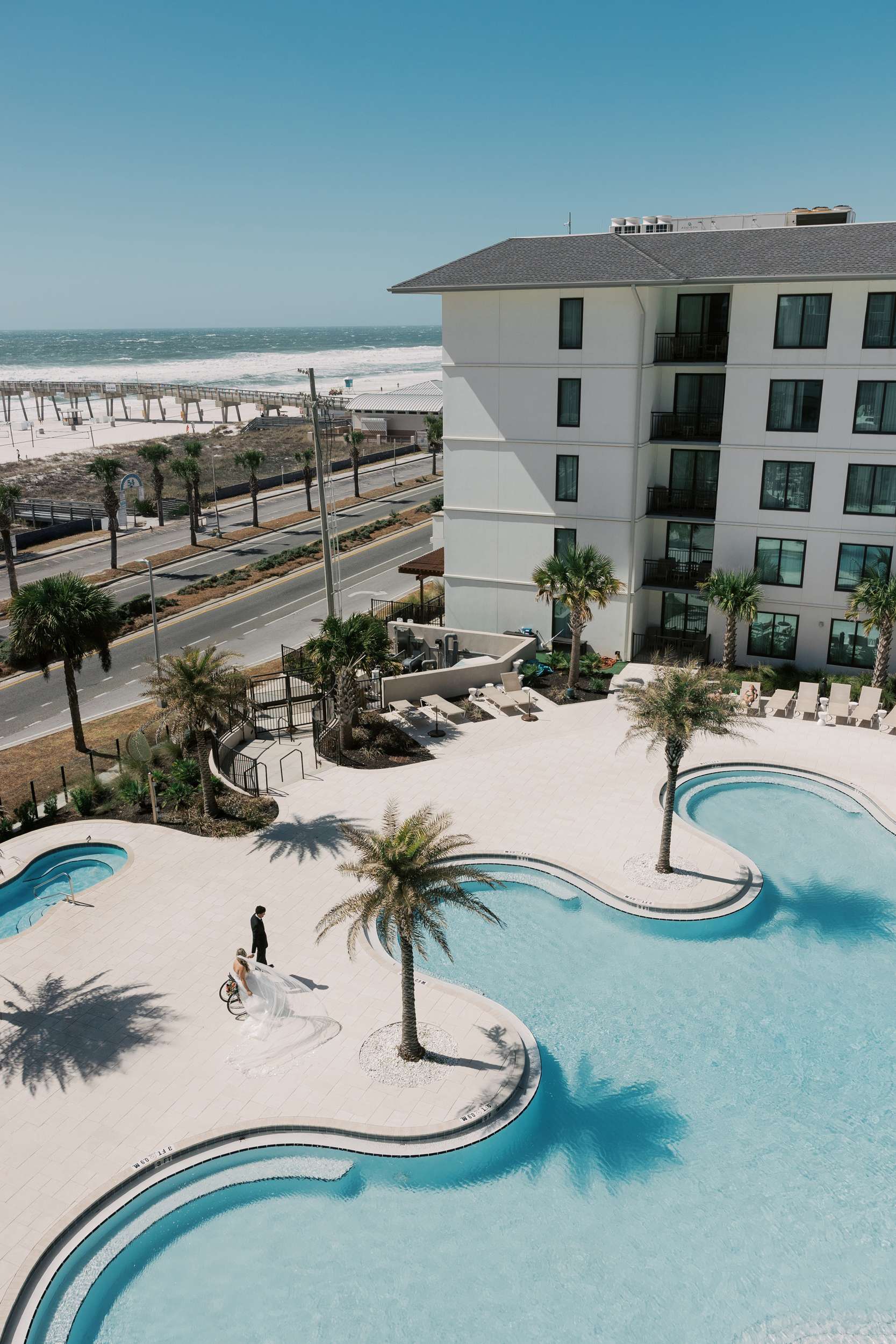
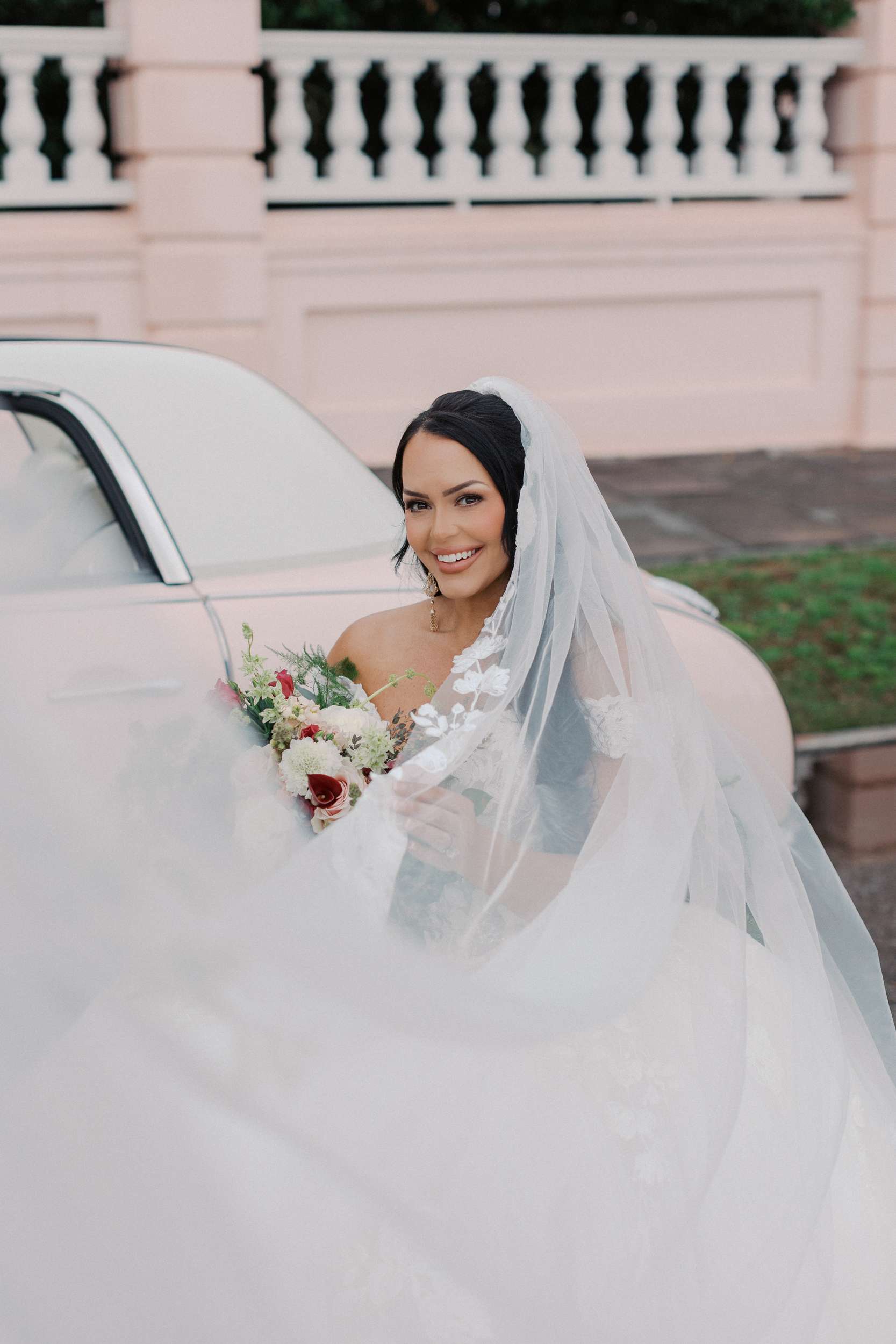
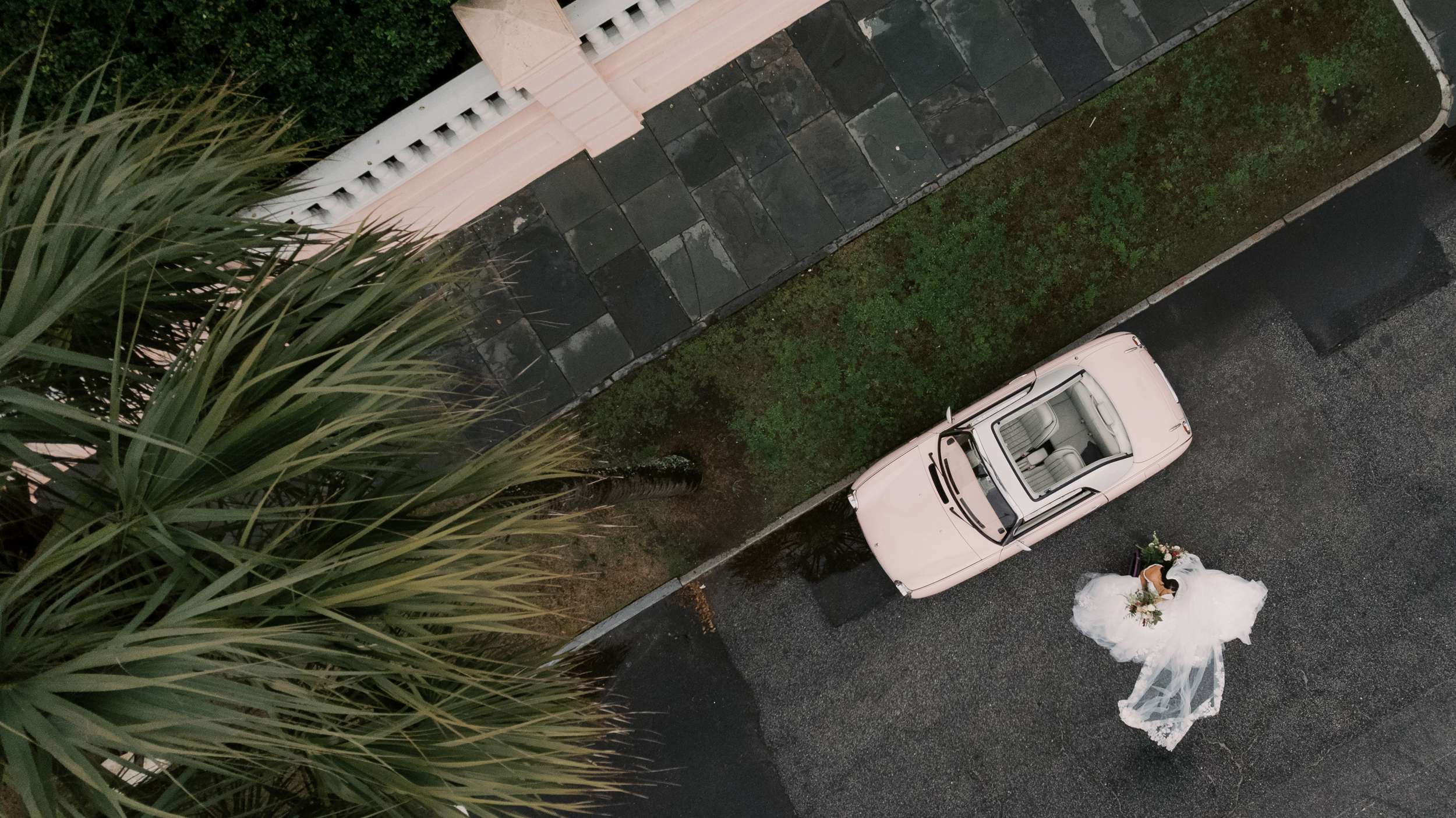
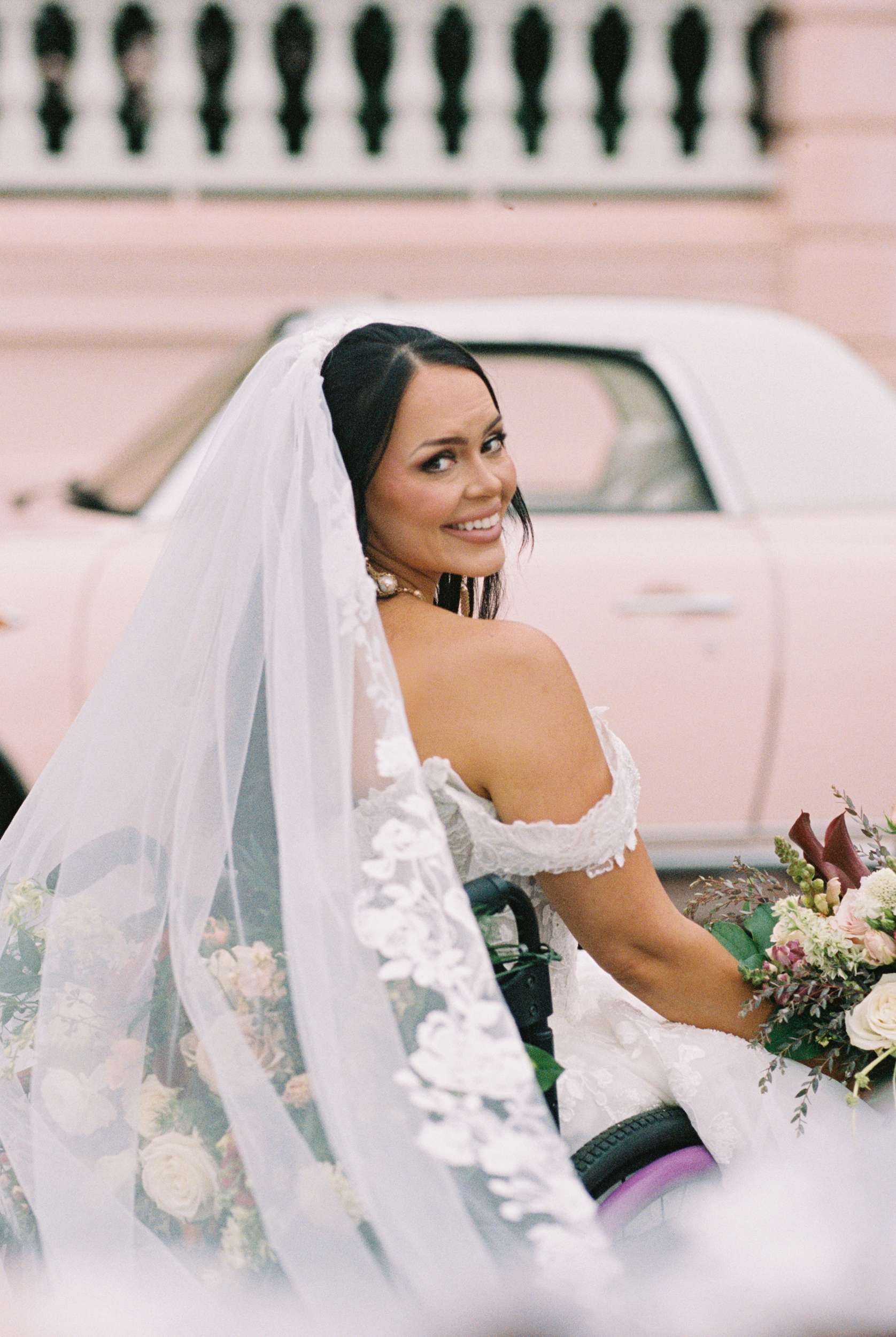
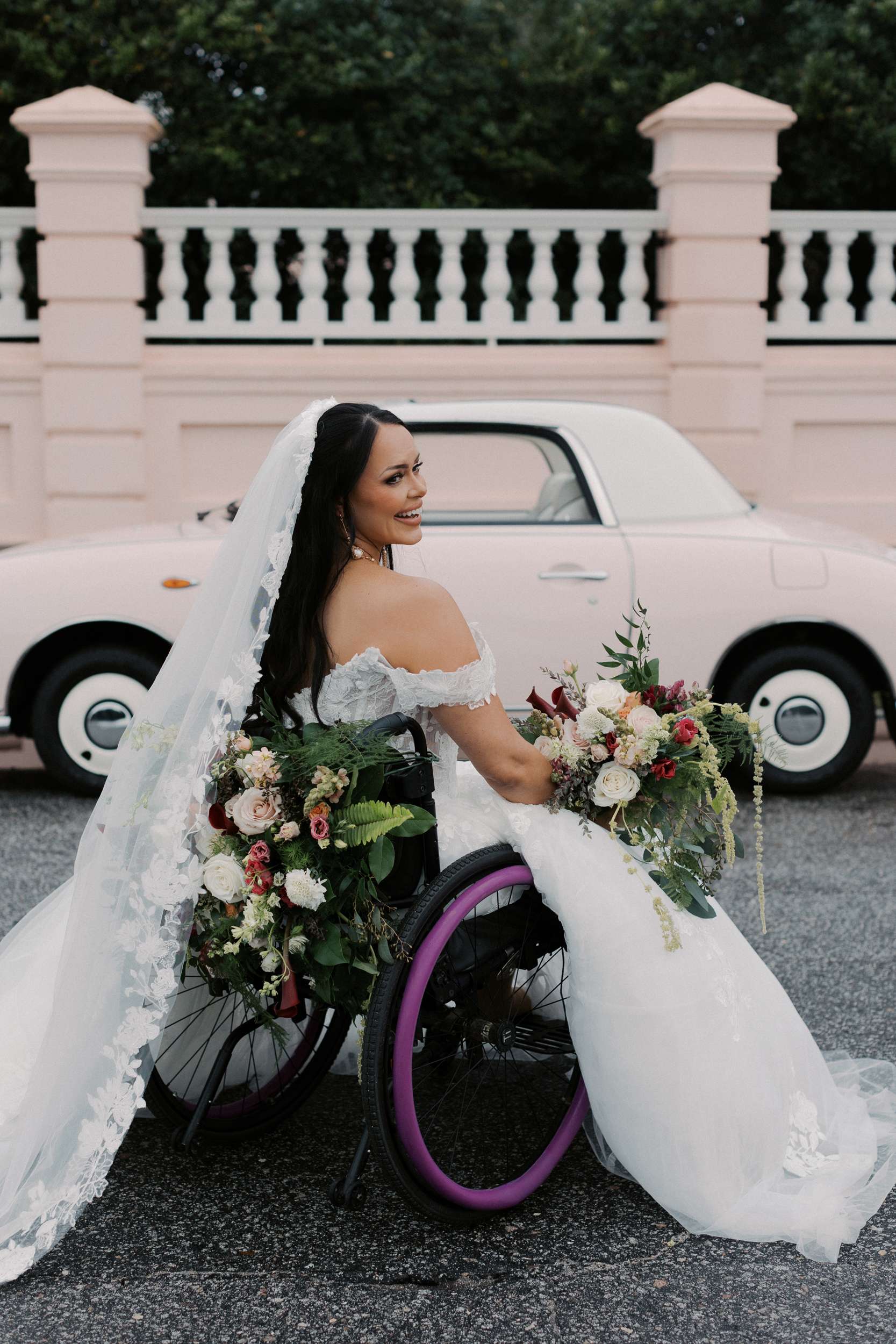
The core of this initiative is a series of editorial-style photoshoots that serve as a visual manifesto for change. Created in partnership with Kellie Hetler of Hetler Photography, the project aims to spotlight the necessity of disability inclusion in every facet of the wedding day.
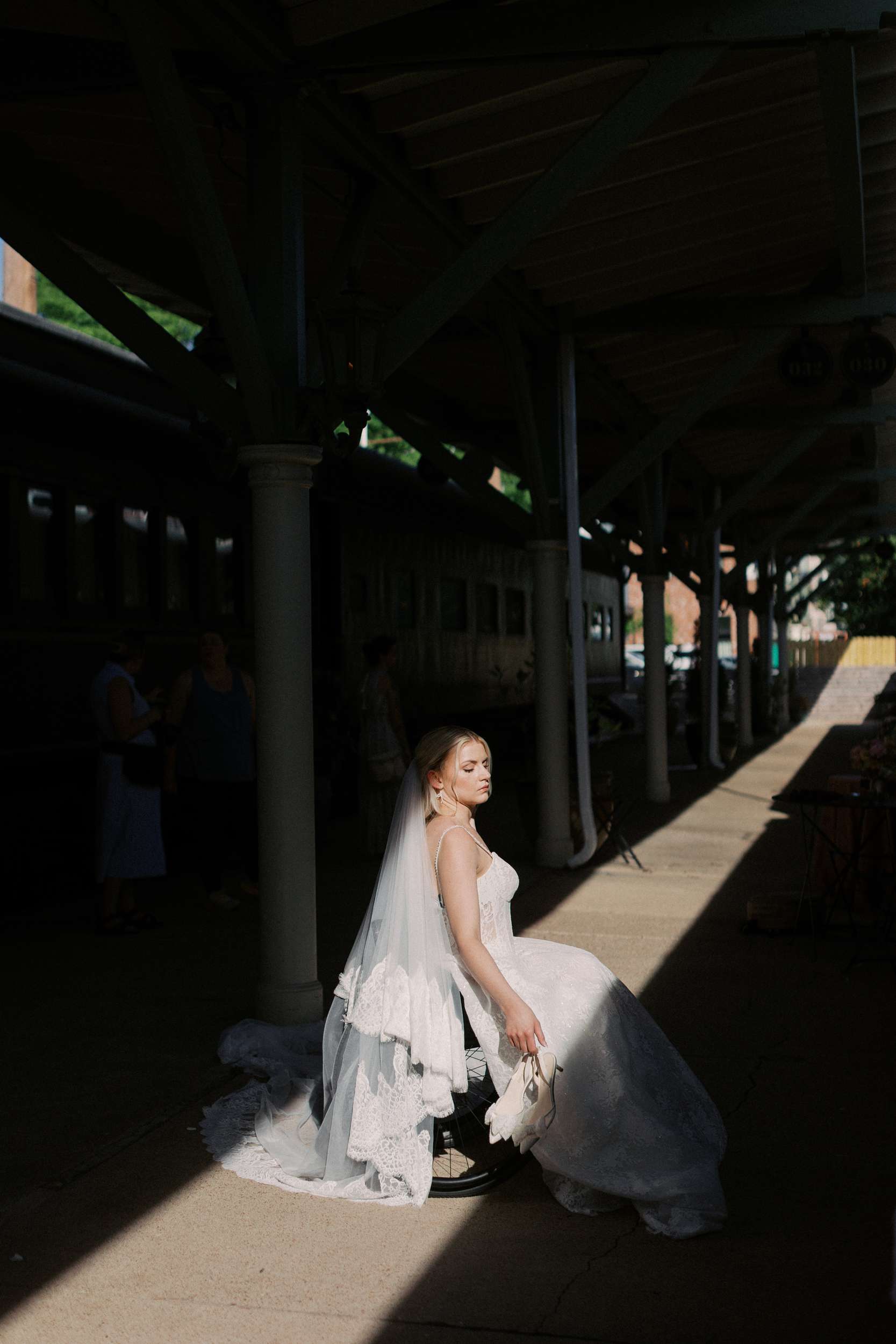
Maggie Sottero, already celebrated for their progressive approach to sizing and diversity, has doubled down on their commitment to equity. Unlike many brands that treat "inclusive sizing" as a buzzword, the label has consistently maintained a diverse range of samples and models across ethnicities and body types. This latest partnership with Hopelynd—a non-profit dedicated to creating authentic representation and opportunity for individuals with disabilities through art—marks a significant step toward embedding accessibility into the very DNA of the wedding industry.
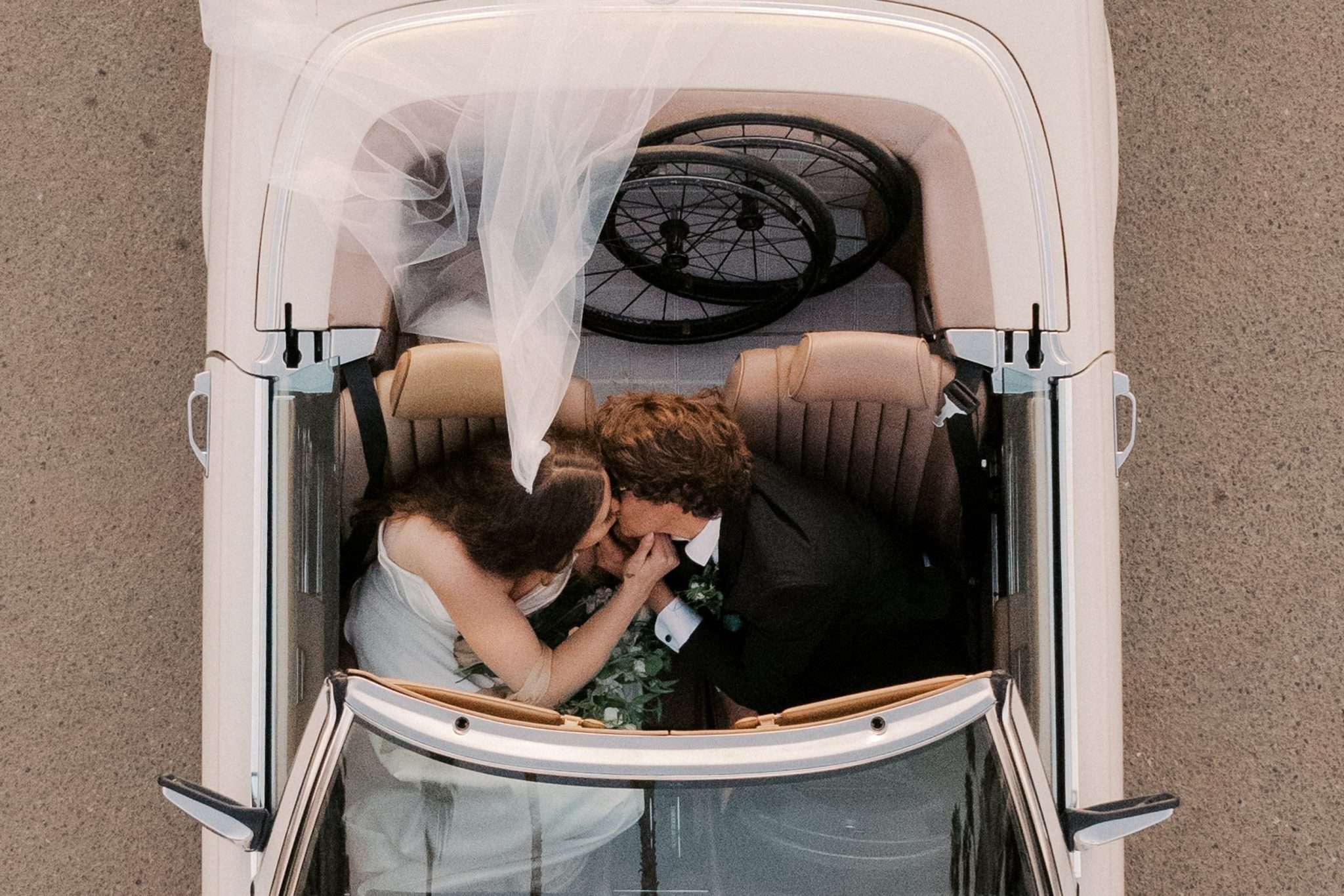
The project emphasizes that accessibility should not be an "add-on" or a logistical hurdle to be cleared; it should be the starting point of the creative process.
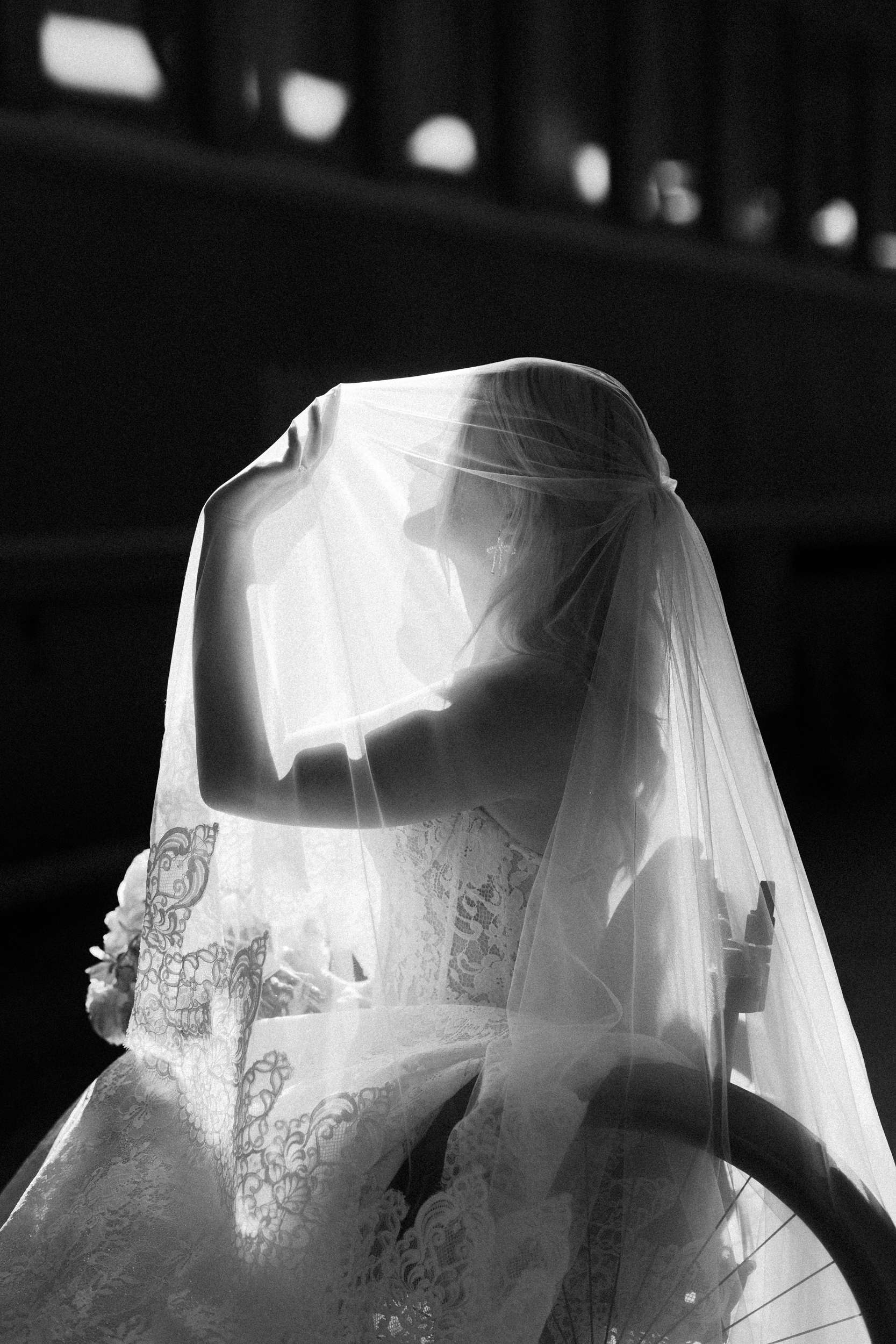
The Chronology of Change: From Oversight to Advocacy
For years, the wedding industry operated under a "one-size-fits-all" mentality. However, the path toward the current movement can be traced through several key milestones:
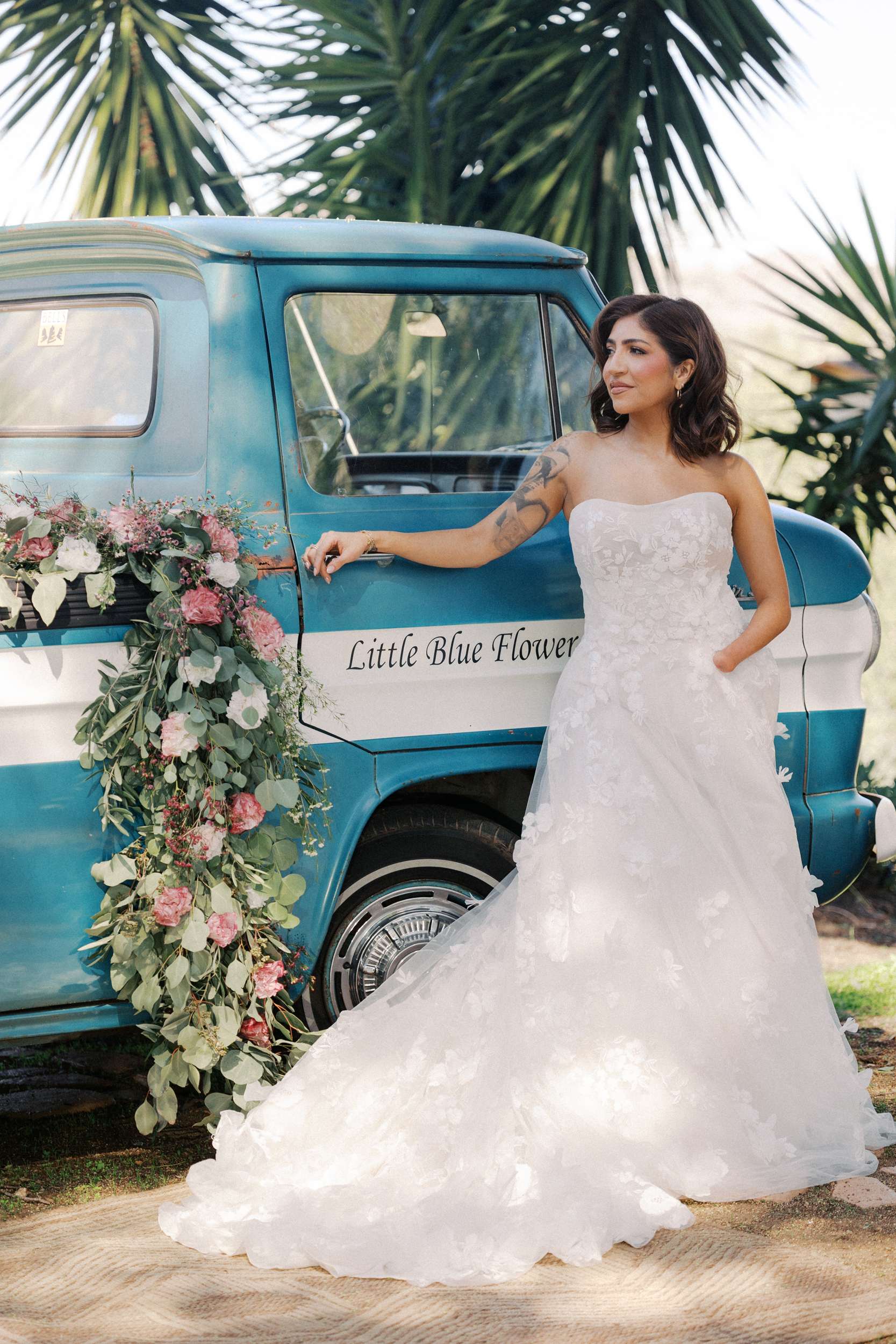
- 2024–2025: Maggie Sottero secures consecutive Bridal Buyer Inclusion & Diversity Awards. This industry recognition solidified their position as a brand that genuinely prioritizes representation, moving beyond performative activism.
- Early 2026: The conceptualization of the partnership with Hopelynd. Kellie Hetler, recognizing a glaring gap in the market, began collaborating with the design team at Maggie Sottero to address the lack of inclusive imagery in bridal media.
- Mid-2026: The launch of the collaborative photoshoot series. These images were specifically designed to showcase that a wedding can be both breathtakingly beautiful and fully accessible, regardless of the physical needs of the couple or their guests.
- The Future: The rollout of the educational curriculum, The Art of Accessibility, aimed at providing wedding vendors with the tools and training necessary to facilitate barrier-free celebrations.
Supporting Data: Why the Industry Needs a Pivot
The necessity for this change is supported by both personal narratives and industry trends. According to disability advocates, the "wedding tax" is not just financial; it is an emotional and cognitive burden. Couples with disabilities often report that they must act as their own project managers, constantly vetting venues for ramps, checking bathrooms for clearance, and educating vendors on how to provide basic, respectful service.
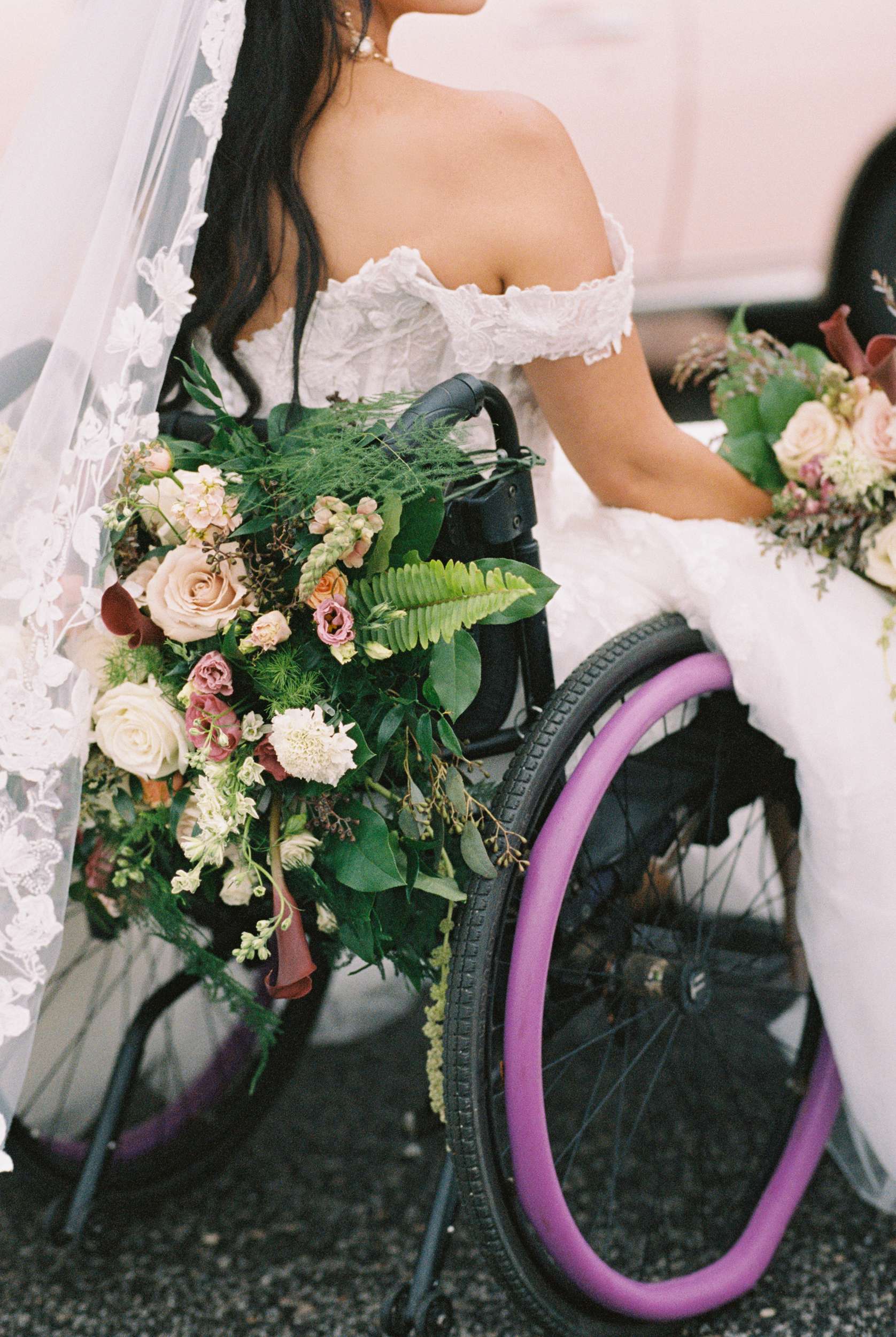
"Navigating the wedding industry with a disability can be overwhelming because accessibility is often treated as an exception rather than an expectation," notes Kellie Hetler.
Data from the partnership suggests that when accessibility is baked into the planning process, the "stress factor" for couples drops significantly. By shifting the burden of adaptation from the client to the professional, the industry can reclaim the wedding day as a celebration rather than a logistical battleground.
Official Responses and Philosophy
In our exclusive discussions with the project leads, the focus remained on humanizing the wedding experience.
The Vision of Inclusion
"These shoots were based around disability inclusion and making sure that disability was not only accommodated but that anyone who was disabled was fully incorporated and involved in every aspect of the wedding," says Kellie Hetler. "Disability is often overlooked in wedding inspiration, and this shoot shows that accessibility and incredible design can exist together."
Adapting the Experience
The methodology employed by the team is revolutionary in its simplicity. "These disability-focused shoots begin with accessibility, not as an afterthought, but as the foundation of every creative decision," Hetler explains. "Rather than expecting people to adapt to the location or the process, I adapt the experience to fit them."
This philosophy serves as a direct challenge to the traditional vendor mindset. It asks: Why are we designing for an "ideal" body, when our clients are diverse, living, breathing human beings?
Implications for the Future of Weddings
The impact of this partnership extends far beyond a few glossy photographs. It sets a new standard for what it means to be a "professional" in the wedding industry.
The Role of Education
Maggie Sottero’s support of The Art of Accessibility program is a game-changer. By providing structured, practical guidance, the brand is helping to professionalize the concept of inclusive event planning. For a florist, a venue coordinator, or a makeup artist, this education means the difference between a client feeling "tolerated" and a client feeling "celebrated."
Empowering the Couple
Perhaps the most powerful implication is the shift in agency. The collaboration encourages couples to demand more from their vendors. As Hetler suggests, "Don’t be afraid to communicate your needs, ask questions, and choose vendors who are willing to listen and adapt."
When couples ask their potential suppliers if they have undergone training or if they are familiar with inclusive practices, they are not being "difficult"—they are exercising their right to a safe, joyous, and barrier-free experience.
A New Industry Standard
The long-term goal is to make these accommodations the industry standard. If a wedding venue is not accessible, it should be considered "under-equipped" in the same way a kitchen without an oven would be. By normalizing the expectation of accessibility, Maggie Sottero and Hopelynd are helping to ensure that the wedding industry of the future is defined by its ability to include, rather than its propensity to exclude.
Conclusion: A Call to Action
The wedding industry stands at a crossroads. It can continue to cater to an idealized, narrow vision of humanity, or it can embrace the reality of its diverse client base. The work done by Maggie Sottero and Hopelynd demonstrates that there is no sacrifice of style required to be inclusive. In fact, the inclusion of diverse perspectives only serves to deepen the artistry and emotional resonance of the industry as a whole.
For couples currently planning their big day, the advice from the experts is clear: Demand better. For vendors, the message is equally urgent: Education is no longer optional. It is the baseline for excellence.
As we look toward the future, the hope is that these stories of inclusion become the norm rather than the exception, ensuring that every love story is told with the dignity, beauty, and accessibility it deserves.