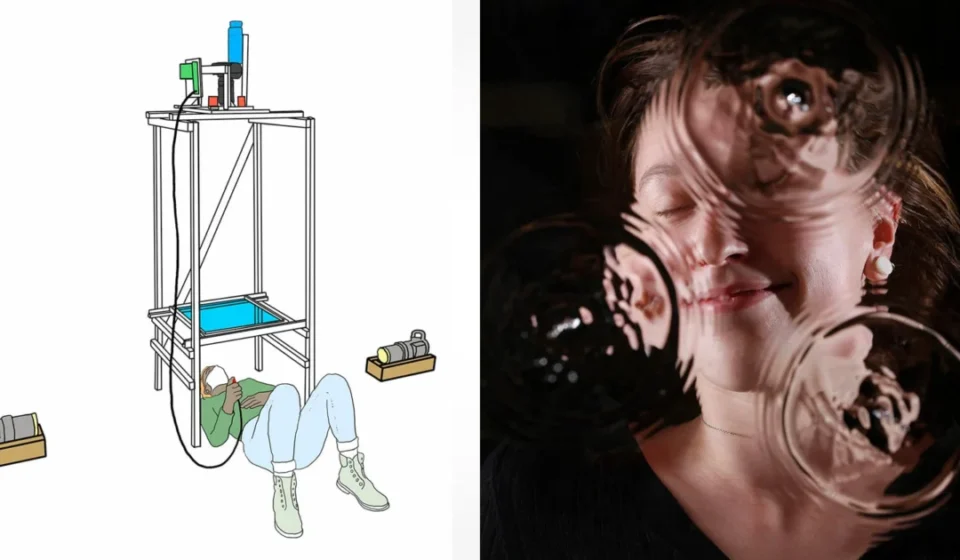

In the world of contemporary photography, the quest for a "new look" often leads artists back to the fundamental physics of light and optics. A fascinating project currently gaining traction in educational and experimental photography circles—often dubbed "Portraits in Water"—seeks to blend the technical precision of high-speed droplet photography with the emotive power of human portraiture. By placing subjects beneath a thin, rippled layer of water, photographers are creating surreal, impressionistic images that challenge the viewer’s perception of the human form.
The Genesis of the Liquid Portrait
The technique was born from a marriage of convenience and curiosity. For years, educators and enthusiasts have utilized high-speed water-drop photography to capture the ephemeral beauty of surface tension and fluid dynamics. These experiments typically focus on the "crown" or "mushroom" shapes formed when a drop impacts a pool. However, the pivot to portraiture introduced a human element that shifted the focus from cold physics to artistic expression.
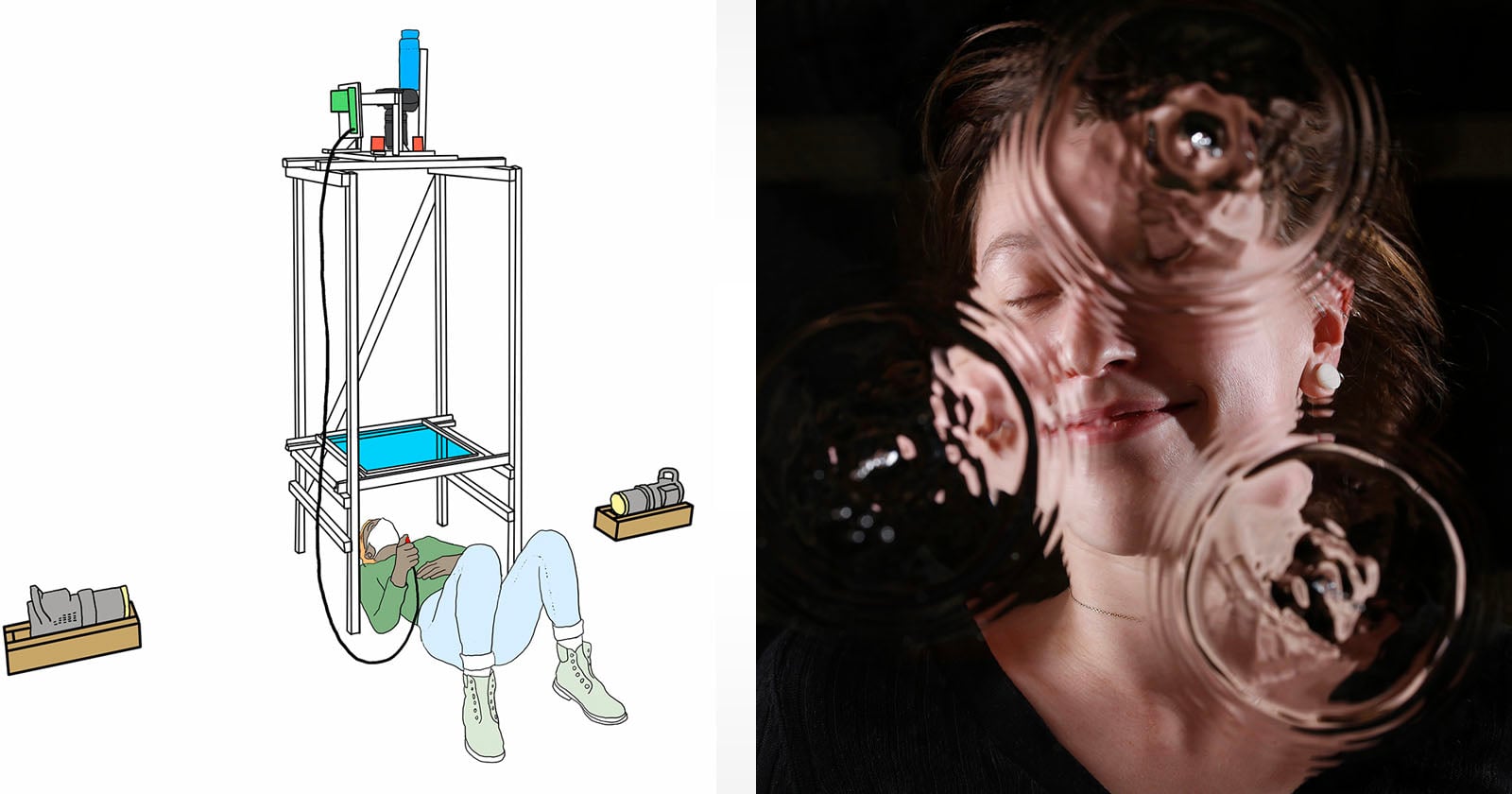
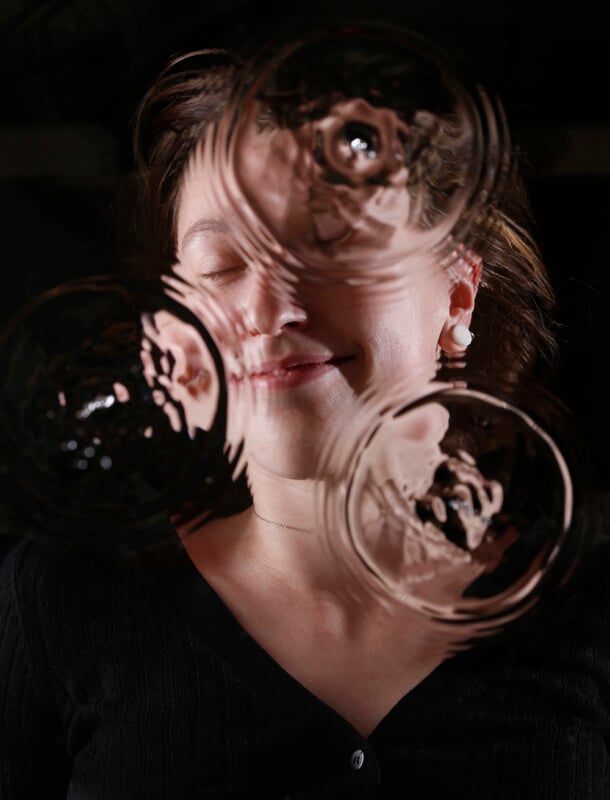
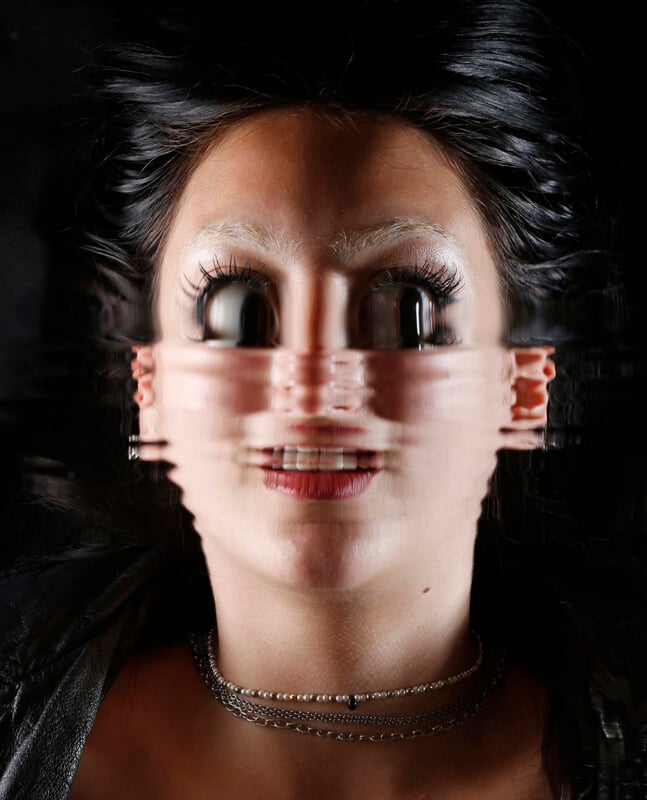
The core premise is deceptively simple: a subject lies beneath a transparent, water-filled vessel. As water droplets strike the surface—or as the tray itself is manipulated—the resulting ripples and waves act as a dynamic, shifting lens. This lens refracts the light reflecting off the subject’s face, distorting features into fluid, painterly abstractions.
Technical Construction: Building the Refraction Tank
For those looking to replicate this setup, the barrier to entry is surprisingly low. The construction process emphasizes safety and simplicity over complex engineering.
The Tank Architecture
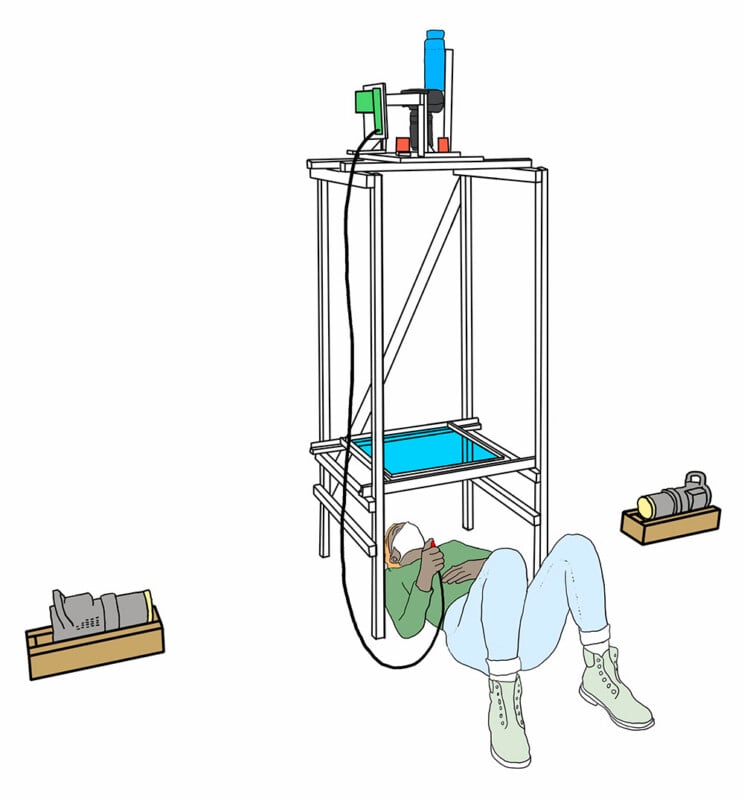
The primary component is a shallow, transparent water tank. The most effective method involves repurposing an aluminum picture frame. By removing the backing and utilizing the existing glass sheet, photographers can create a basin by applying a bead of RTV (room-temperature vulcanizing) aquarium adhesive around the interior perimeter.
- Depth Requirements: Because the goal is refraction rather than immersion, the water depth only needs to be approximately 1 centimeter. This minimal depth reduces the weight of the apparatus, making it safer for the model positioned beneath it.
- Safety First: It is non-negotiable that the tank be placed on a robust, stable wooden support structure. The setup must be engineered to prevent any catastrophic failure that could result in the tank falling onto the subject.
The Drip System
To achieve the controlled chaos required for the images, a multi-valve drip system is often employed. Advanced setups utilize three independently controlled valves, allowing the photographer to:
- Sequence: Time the drops to hit the water in specific rhythmic patterns.
- Multi-Drip: Create complex wave interference patterns by dropping water from different points simultaneously.
- Toggle: Disable specific valves to isolate or emphasize particular distortions.
The timing is managed via a programmable microcontroller that triggers the camera flash. By adjusting the "flash delay"—the interval between the drop impact and the strobe—the photographer can choose whether to capture the initial, violent impact or the broader, more graceful expansion of the ripples.
Chronology of a Session: From Static to Fluid
A typical session begins with technical calibration and moves toward intuitive artistic discovery.
Phase 1: Setup and Calibration (0–60 minutes)
The photographer calibrates the drip intervals and the flash delay. This requires trial and error to ensure the flashes—typically floor-mounted Profoto units pointed upward—fire exactly when the water surface provides the desired refraction.
Phase 2: Collaborative Engagement (1–3 hours)
The most unique aspect of this project is the model’s agency. By allowing the subject to trigger the system, the project transforms from a photographer-led session into a collaborative performance. Students participating in these workshops have reported capturing upwards of 500 images per session, a testament to the addictive nature of watching one’s own reflection morph in real-time.
Phase 3: The "Simple Approach" Transition (3+ hours)
After extensive experimentation with high-speed electronics, many practitioners eventually move toward a "low-tech" variation. By manually lifting one side of the water tray, the photographer induces a gentle, rolling wave across the surface. This allows for a more tactile, reactive style of shooting where the photographer triggers the shutter based on visual intuition rather than calculated timing.
Supporting Data and Optics
The science behind these images is rooted in refraction. As light passes through the air-water interface, it changes speed and bends. When the water surface is flat, the image is clear. When ripples are introduced, the surface becomes a series of convex and concave lenses.
- Flash Choice: Because the movement of the water ripples is relatively slow compared to the high-speed impact of a falling drop, the equipment requirements are relaxed. Almost any electronic flash will suffice, and in many cases, modern digital cameras with fast shutter speeds can effectively freeze the ripple motion without the need for complex sync-delay electronics.
- Lighting Geometry: Placing the lights on the floor and aiming them upward through the glass allows for high-contrast illumination. This ensures that the water ripples cast shadows or highlights onto the subject’s face, accentuating the distortion.
Implications for Photographic Education
This project serves as an ideal pedagogical tool for several reasons:
1. Control of Physical Events
Photography is often viewed as a "capture" medium, but this project forces the student to become an "event creator." They must manage fluid dynamics, timing, and lighting simultaneously. It teaches that the camera is merely the final step in a chain of physical decisions.
2. Democratizing the "Unique" Image
In an era of AI-generated imagery and heavy digital manipulation, the "Portraits in Water" project provides a refreshing, tactile alternative. It proves that striking, avant-garde imagery can be achieved with hardware store materials and basic principles of physics.
3. Empathy and Agency
By placing the subject in control of the trigger, the power dynamic of the traditional portrait session is inverted. The model is no longer a passive object being observed; they are an active participant in the distortion of their own image. This often leads to more relaxed, genuine expressions, as the subject is focused on the water surface rather than the camera lens.
Conclusion: A Call to Experiment
The "Portraits in Water" project is more than just a technique; it is a philosophy of photographic experimentation. It reminds us that photography is an intersection of light, science, and human connection. Whether one uses a complex, computer-controlled drip system or simply tips a tray of water by hand, the result is the same: a momentary, beautiful break in the reality of the portrait.
For those looking to expand their portfolio or simply engage in a weekend of creative discovery, this project offers a high return on investment. It encourages the photographer to step away from the menu-heavy interface of modern cameras and return to the roots of optics—reminding us that sometimes, the best way to see a subject clearly is to first distort the world around them.