
Setting the Global Benchmark: Why the iF DESIGN AWARD Remains the Industry’s North Star

In an era of rapid technological disruption and shifting cultural paradigms, defining what constitutes "good design" has never been more complex. As global markets fluctuate and consumer expectations for sustainability and functionality reach new heights, the design industry looks toward a singular, time-tested barometer to gauge its progress: the iF DESIGN AWARD.
For over seven decades, this institution has served as more than just a competition; it acts as a global mirror, reflecting the collective intelligence of the design community. By evaluating thousands of entries through a rigorous, multi-stage process, the iF DESIGN AWARD provides a snapshot of where the industry stands today—and, perhaps more importantly, where it is heading tomorrow.
The Anatomy of Excellence: A Rigorous Evaluation Process
To understand the prestige surrounding the iF DESIGN AWARD, one must look at the mechanics behind its jury process. The competition does not rely on subjective preference or fleeting trends. Instead, it employs a two-stage evaluation led by more than 130 of the world’s most respected design leaders, architects, and industry experts.
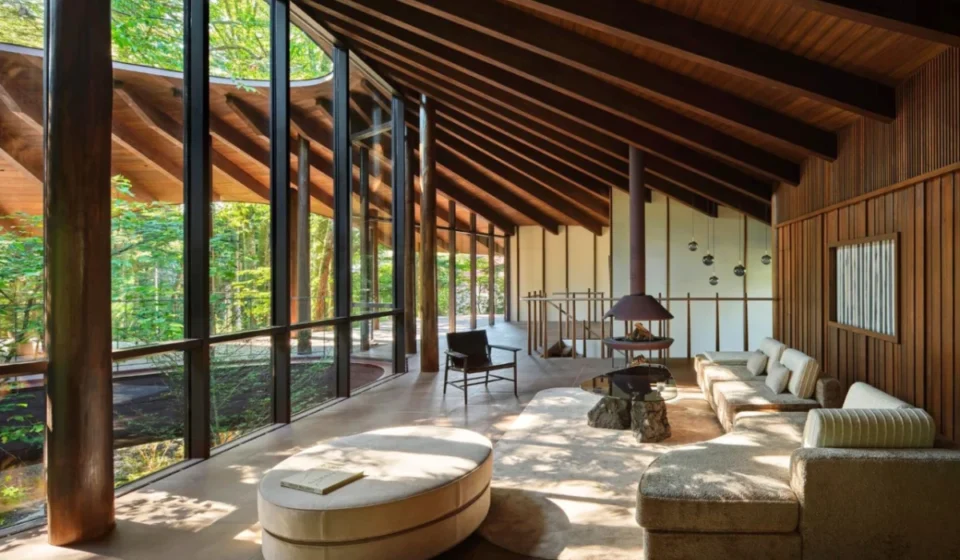
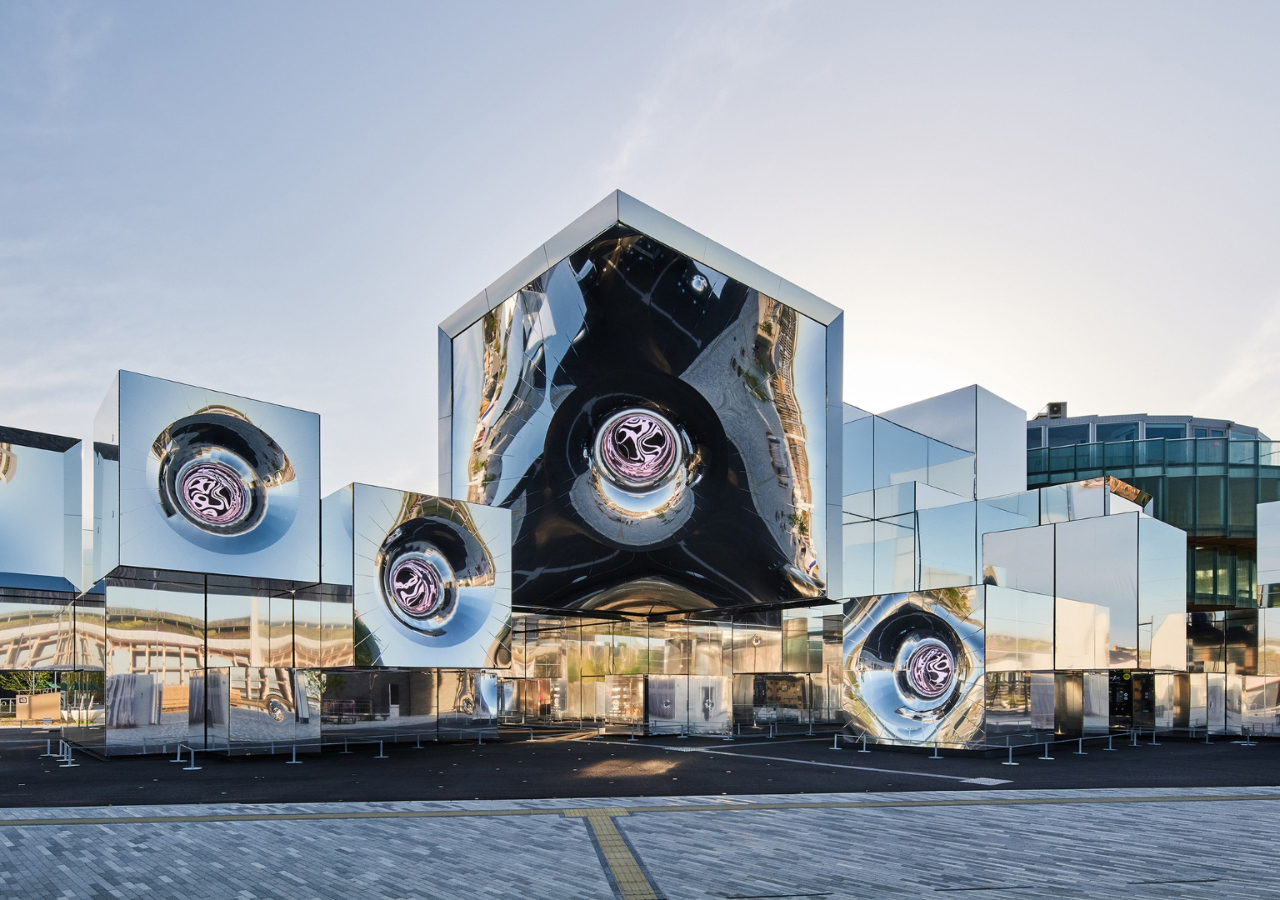
This jury is tasked with assessing projects across 93 distinct categories spanning nine disciplines, including architecture, product design, packaging, UX/UI, and service design. By casting such a wide net, the iF DESIGN AWARD ensures that its findings are not limited to a single sector. A breakthrough in sustainable packaging is measured with the same exacting standards as a complex digital user interface or a landmark architectural project.
The Criteria for Success
Winning an iF DESIGN AWARD is not merely about aesthetic appeal. The jury adheres to a set of core principles that demand a holistic approach to creation:
- Form and Function: Does the design solve a problem effectively?
- Differentiation: Does it offer a unique, innovative perspective that breaks from the status quo?
- Sustainability: Is the project conceived with environmental responsibility at its heart?
It is this final point—sustainability—that has evolved from a "nice-to-have" to an absolute mandate. The iF jury treats environmental impact as an essential pillar of quality. A project that fails to consider its ecological footprint, regardless of how beautifully it is crafted, cannot reach the threshold of excellence required by the iF standards.
A Seventy-Year Chronology of Design Evolution
The history of the iF DESIGN AWARD is, in many ways, the history of modern industrial and service design. Founded in 1953 in Hannover, Germany, the award was established during the Hannover Messe to highlight high-quality German industrial goods. At the time, the focus was on the post-war reconstruction of the manufacturing sector.
Over the next several decades, the award grew in lockstep with the global economy:
- The 1960s–1980s: The focus shifted toward the burgeoning fields of consumer electronics and ergonomic office furniture, reflecting the rise of the modern workplace and the home-technology revolution.
- The 1990s–2000s: As the internet and digital interfaces became ubiquitous, the award expanded its categories to include digital media, software, and communication design, recognizing that design was no longer just about physical objects, but the way we interact with information.
- The 2010s–Present: The contemporary era has seen a massive pivot toward service design, sustainable materials, and circular economy thinking. The iF DESIGN AWARD has responded by refining its criteria to prioritize projects that contribute to social equity, accessibility, and climate resilience.
Supporting Data: The Power of Scale
The authority of the iF DESIGN AWARD is rooted in its scale. With thousands of submissions from dozens of countries annually, the competition generates a massive data set of design innovation. When this data is aggregated, it reveals fascinating trends.
For example, the recent surge in entries focusing on "universal design"—projects that prioritize accessibility for all body types and abilities—suggests a major shift in how architects and product designers approach the human condition. Similarly, the increasing prominence of modular, repairable, and biodegradable products in the winning cohort indicates that the market is finally moving away from the "disposable" culture that defined the early 21st century.
This isn’t just an anecdotal observation; it is a measurable movement. By participating, studios and corporations are not just competing for a trophy; they are contributing to a global repository of knowledge that shapes future industry standards.
Official Perspectives: The Strategic Value of Recognition
For global brands, the iF DESIGN AWARD is a vital validation of their R&D and creative strategies. Michael Seum, Vice President of Global Design at Kohler Co., encapsulates this sentiment perfectly. He identifies the award as a "powerful endorsement" of a company’s design vision.
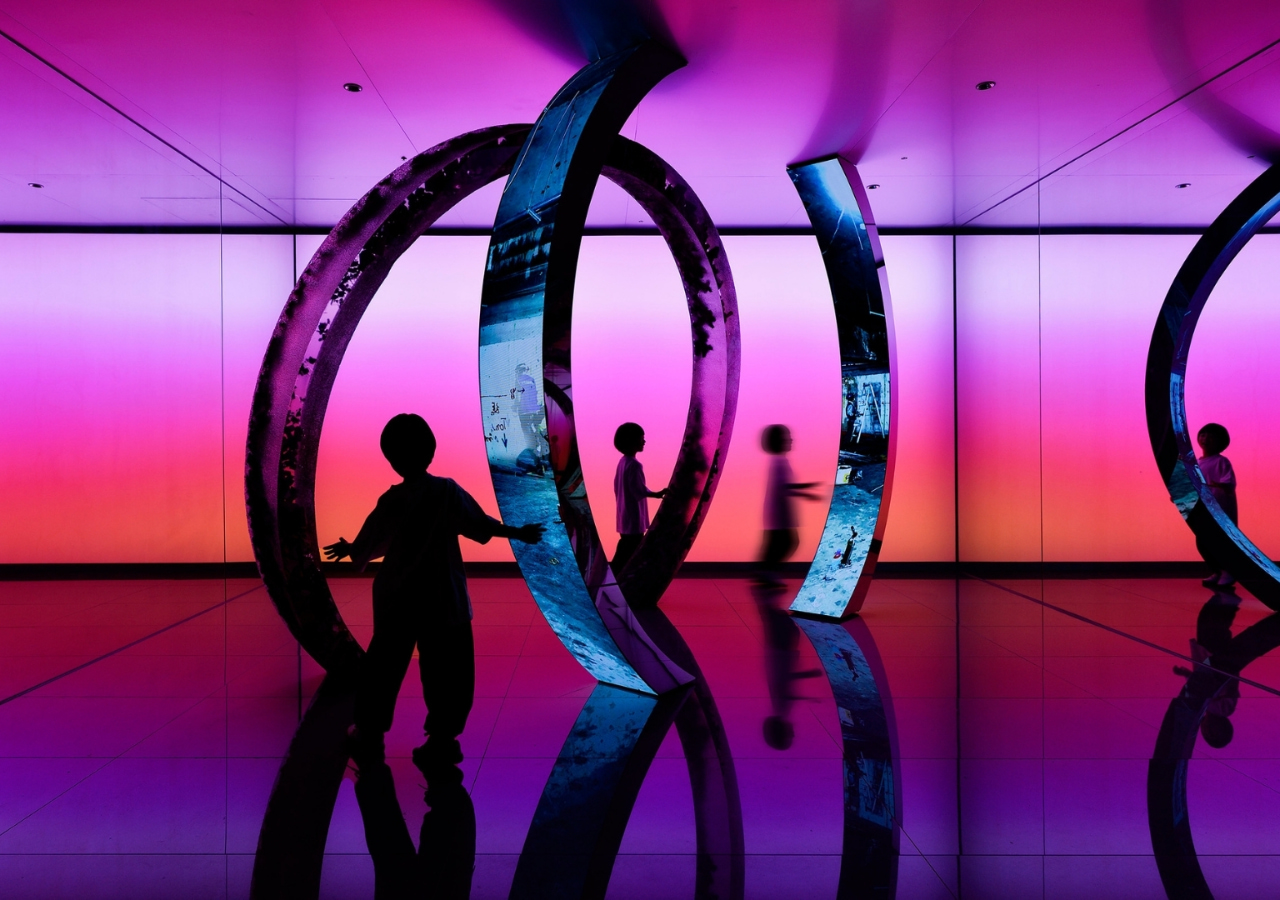
"The jury’s validation affirms the strategic value of design as a differentiator," Seum notes. In an overcrowded global marketplace, where products often mirror one another in technical specifications, design is the primary language through which a brand communicates its values. Winning an iF DESIGN AWARD serves as a shorthand for excellence, immediately signaling to consumers, investors, and peers that a project has survived the most rigorous scrutiny in the industry.
This, in turn, influences consumer behavior. In an age of greenwashing, the "iF" seal provides a trusted, independent verification of a product’s quality and integrity. It is an objective marker of performance that transcends national borders and cultural divides.
Implications for the Future: Why You Should Enter
As we look toward the 2027 cycle, the implications for design teams are clear: the bar is being raised. The projects that will define the next decade are those that seamlessly integrate beauty with ethical responsibility.
For agencies, independent studios, and in-house creative departments, the iF DESIGN AWARD is an essential platform to benchmark their work. The competition provides a unique opportunity to stand side-by-side with the world’s leading design powerhouses, testing whether their work meets the evolving criteria of the global stage.
The Road to 2027: Key Deadlines
Ambitious creators are invited to submit their projects for the 2027 edition of the iF DESIGN AWARD. Participation is an investment in professional visibility and an opportunity to be included in the prestigious iF World Design Guide.
- Regular Deadline: September 18, 2026
- Fee: €400 per entry. Registering by this date allows for early submission, providing extra time to refine the comprehensive entry materials.
- Last Chance Deadline: November 2, 2026
- Fee: €500 per entry.
Entering the competition is more than a bid for an award; it is an act of professional development. It forces teams to document their design process, articulate their sustainability goals, and justify their functional choices. This process alone often yields insights that improve the next iteration of the design.
Conclusion: Defining the New Standard
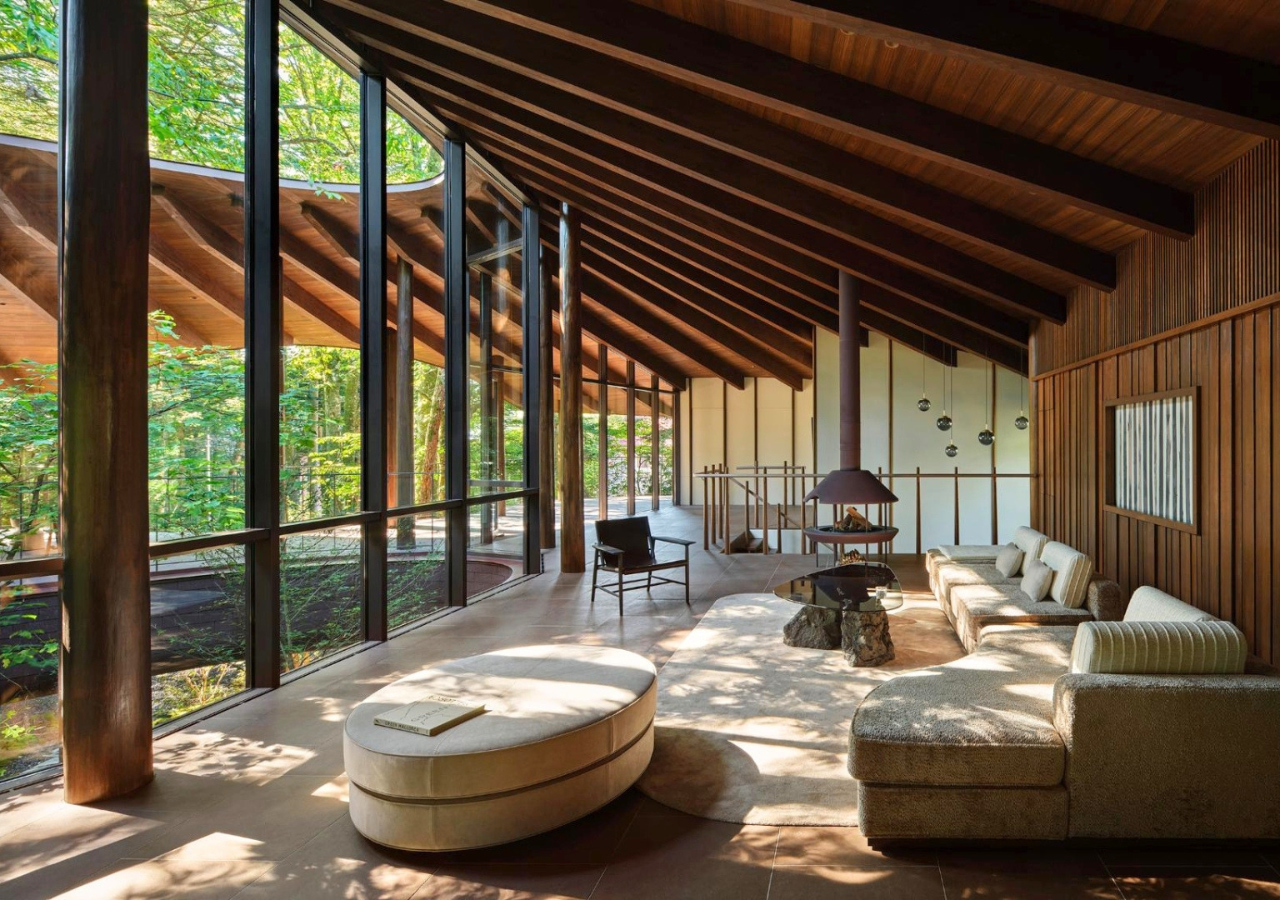
Design is not a static discipline. It is a living, breathing response to the challenges of our time. From the way we inhabit our homes to the way we interact with digital services, design dictates the quality of our daily existence.
The iF DESIGN AWARD serves as the industry’s compass. By recognizing the projects that demonstrate excellence in form, function, and ethics, it provides a blueprint for designers worldwide. Whether you are a solo practitioner or part of a global creative department, the question is not whether you should enter, but rather: are you ready to contribute to the next evolution of global design?
To join the ranks of those shaping the future, learn more and register your project at the official iF DESIGN AWARD portal. The benchmark is set—now it is up to you to meet it.