Smithsonian’s National Portrait Gallery Marks Half a Century of Photographic Collecting with Landmark Exhibition

WASHINGTON — In celebration of a monumental milestone that reshaped how the United States records its cultural evolution, the Smithsonian’s National Portrait Gallery has announced a major upcoming exhibition. Photographic Memory: Fifty Years of Collecting will open to the public on November 14, 2026, on the museum’s second floor, offering visitors an unprecedented journey through the history of American portrait photography.
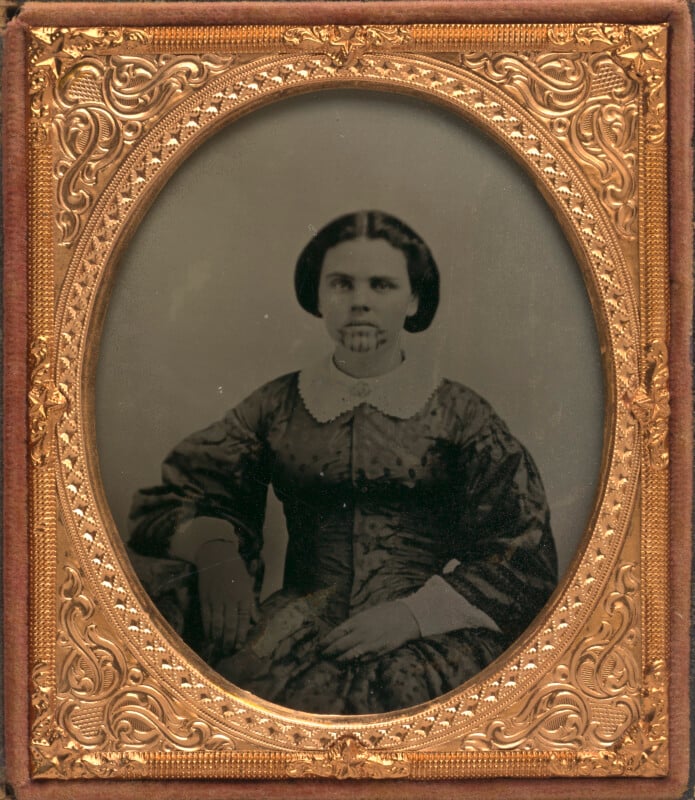
The exhibition will feature more than 120 carefully selected photographic portraits drawn from the museum’s extensive vaults. Spanning from the pioneering Daguerreian era of the mid-19th century all the way to the fast-paced digital age of the 21st century, the showcase highlights the profound ways the photographic medium has captured, reflected, and constructed the American identity.
Running for nearly a full year through November 7, 2027, the exhibition not only commemorates the 50th anniversary of the founding of the institution’s dedicated photography collection but also underscores how photographs have filled critical historical gaps left by traditional mediums like painting and sculpture.
Main Facts: A Historic Milestone in Visual Culture
When the National Portrait Gallery was established, its mandate was initially focused on traditional fine art portraits—primarily oil paintings, watercolors, and marble busts—of the individuals who shaped American history. However, that scope expanded dramatically in 1976, coinciding with the United States Bicentennial. Recognizing that many pivotal figures in American history had never sat for a formal painted or sculpted portrait, the museum made the visionary decision to incorporate photography into its collecting mandate.
Today, photography comprises nearly half of the entire museum’s holdings, serving as a democratic mirror of the nation. The upcoming anniversary exhibition, curated by Ann Shumard, senior curator of photographs, will trace this evolutionary path.
Visitors navigating the chronological galleries will encounter a rich tapestry of historical processes. The exhibition will kick off with an introductory timeline detailing major technological innovations and photographic processes—ranging from the early daguerreotypes and ambrotypes to gelatin silver prints, platinum prints, and contemporary inkjet prints.
Among the crown jewels of the exhibition is a rare 1846 quarter-plate daguerreotype of First Lady Dolley Madison, captured by John Plumbe Jr. Acquired by the Portrait Gallery in July 2024, this delicate piece will be exhibited publicly for the very first time. In a historic curatorial pairing, it will hang alongside an 1843 half-plate daguerreotype of President John Quincy Adams. This marks the first time that the earliest known photographs of a U.S. president and a first lady will be displayed side-by-side, offering a breathtaking window into the dawn of American political portraiture.
Chronology and Evolution: From the Daguerreian Era to the Digital Age
Organized strictly in chronological order, Photographic Memory allows viewers to witness how the photographic apparatus evolved from a scientific novelty into a powerful instrument of artistic expression, social commentary, and journalism.
The 19th Century: Capturing a Fractured Nation
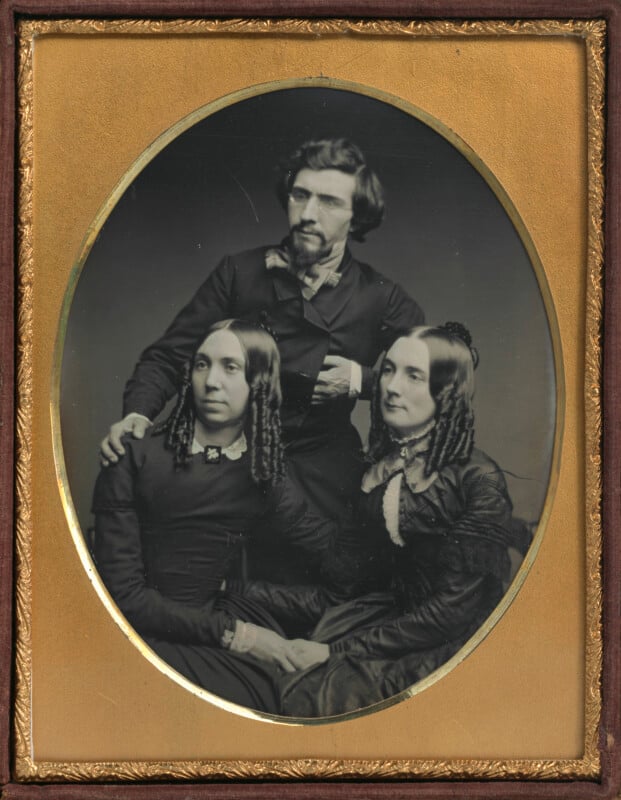
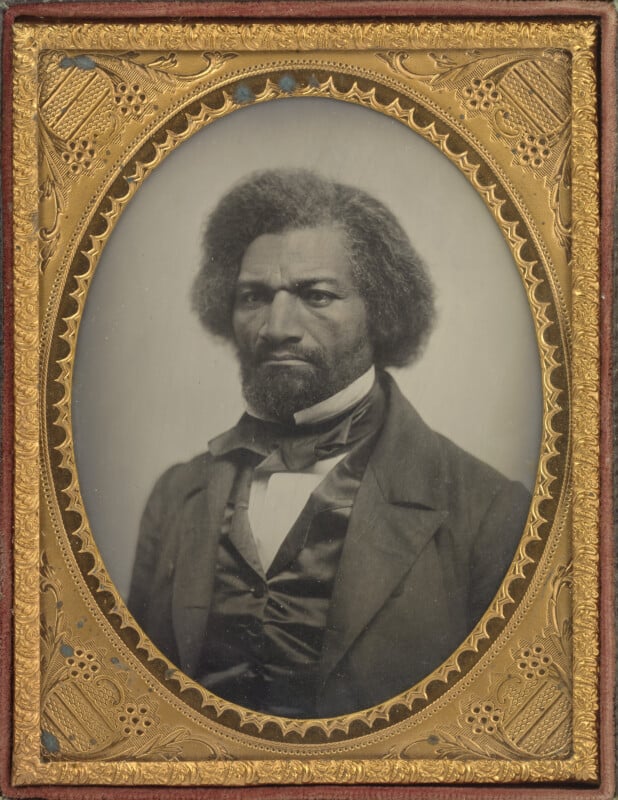
The early galleries transport visitors back to the 1840s and 1850s, highlighting the work of early masters. Alongside the Adams and Madison daguerreotypes, viewers will see Mathew Brady’s poignant quarter-plate daguerreotype of Juliet “Julia” Brady and Ellen Brady Haggerty (c. 1851), as well as an intimate ambrotype of abolitionist and orator Frederick Douglass from around 1856.
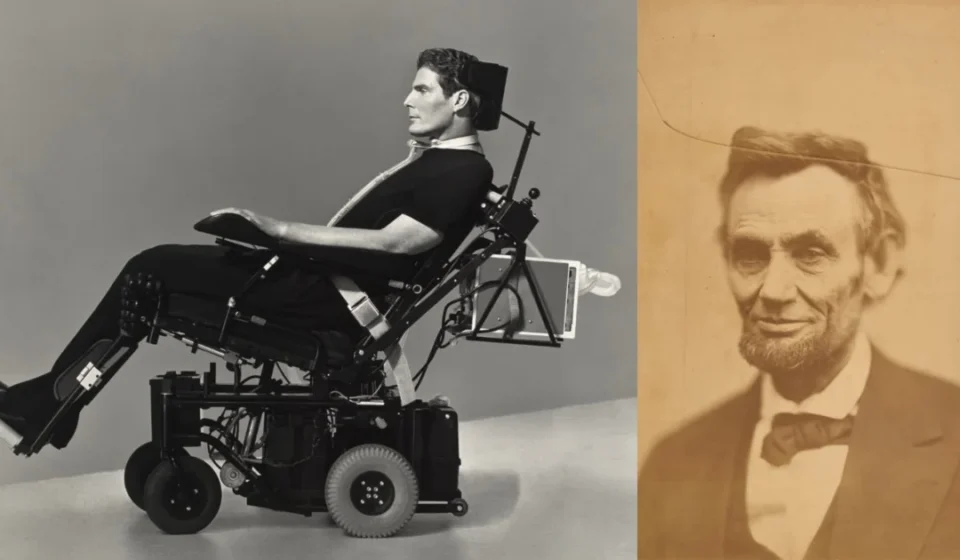
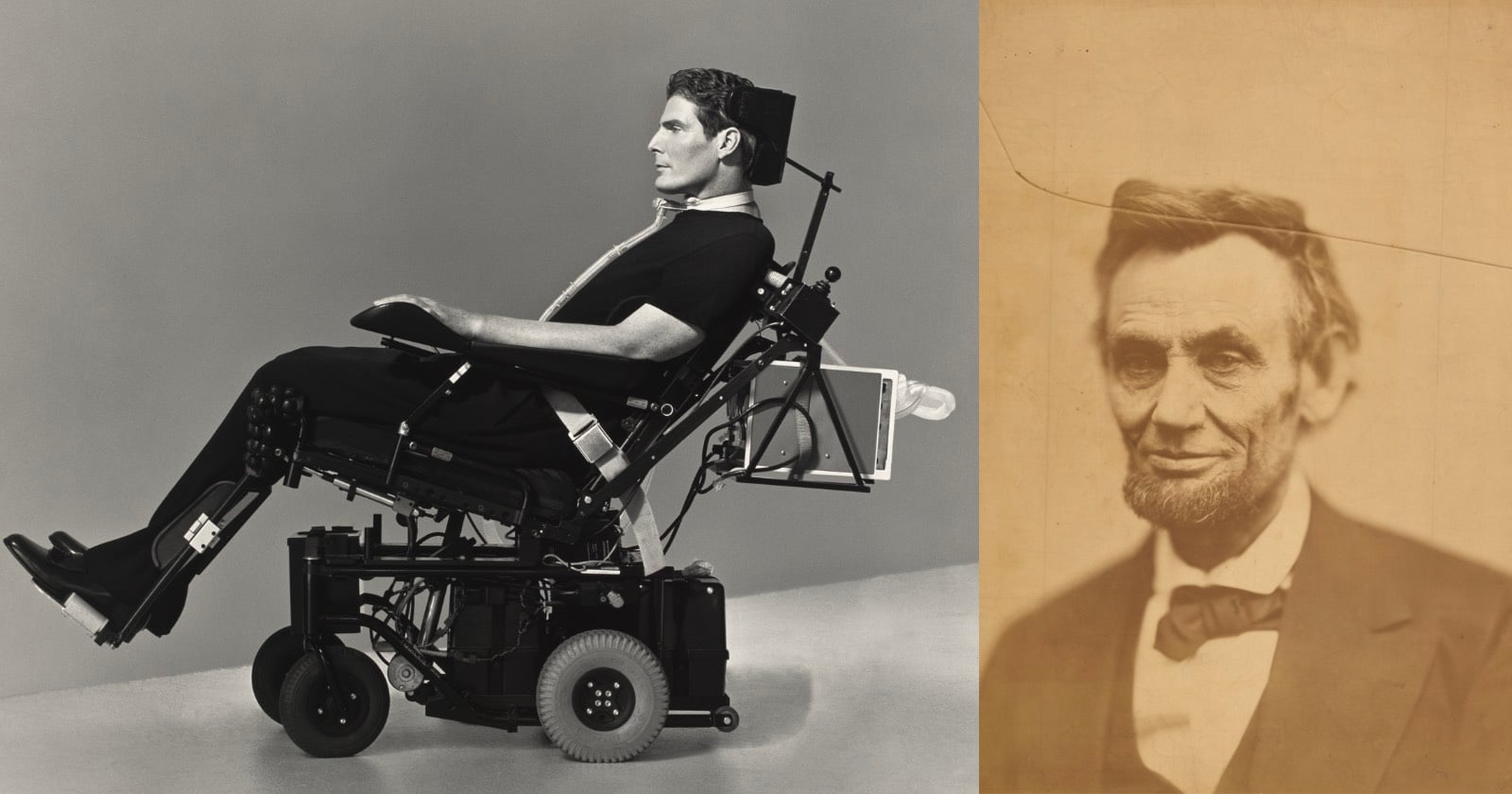
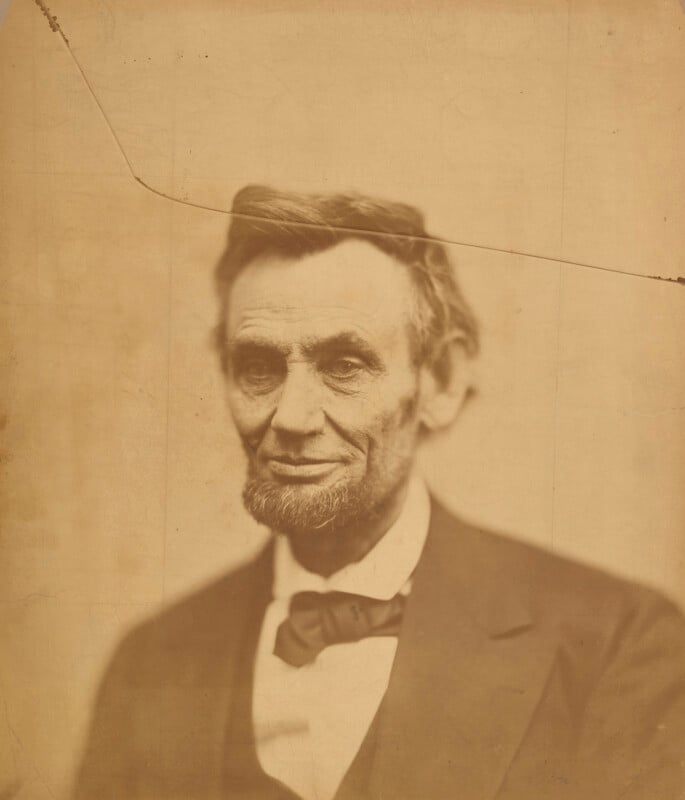
The exhibition also confronts the turbulent era of the American Civil War and its aftermath. Alexander Gardner’s famous, original “cracked-plate” portrait of Abraham Lincoln (1865) is included, its stark fracture lines serving as a poetic visual metaphor for a divided nation healing through immense trauma. Other 18th- and 19th-century highlights include:
- Rose and Rose O’Neal Greenhow (1862) by Alexander Gardner, capturing a Confederate spy and her daughter imprisoned in the Old Capitol Prison.
- Henry Wadsworth Longfellow through the lens of British camera artist Julia Margaret Cameron.
- Rare cabinet-card photographs of pioneering journalist and activist Ida B. Wells-Barnett by Sallie E. Garrity, and scholar Ko K’un-hua by George K. Warren.
- Cultural figures of the American frontier and indigenous leadership, such as José Maria Mora’s 1875 albumen print of William “Buffalo Bill” Cody and Charles Milton Bell’s 1880 portrait of Lakota leader Red Cloud.
The 20th Century: Modernism, Movement, and Social Conscience
As the exhibition moves into the 20th century, the technical capabilities of cameras expanded, and photographers began experimenting heavily with composition, lighting, and psychological depth.
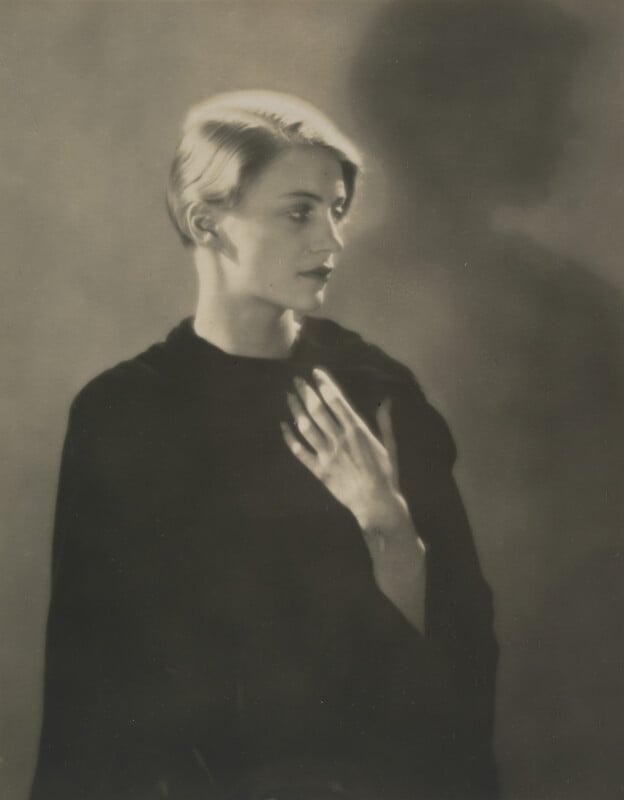
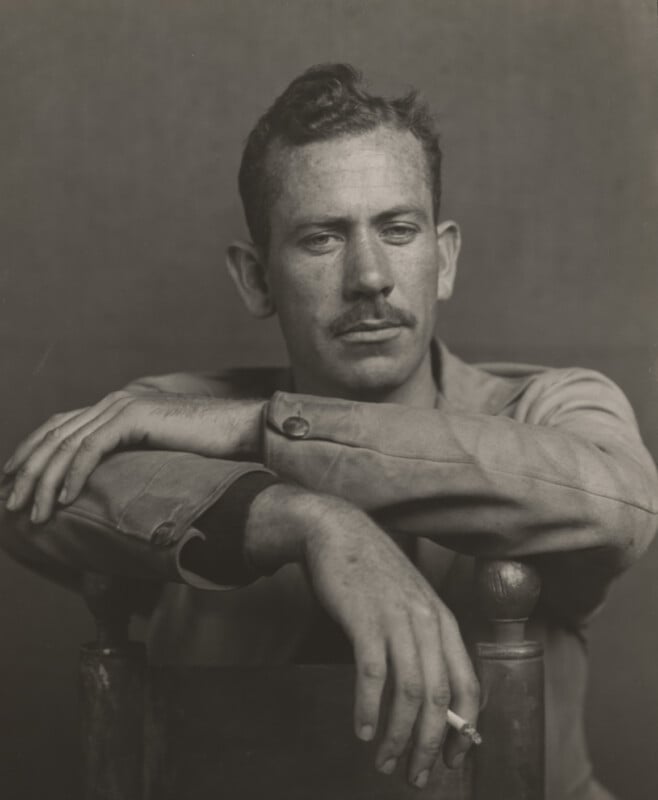
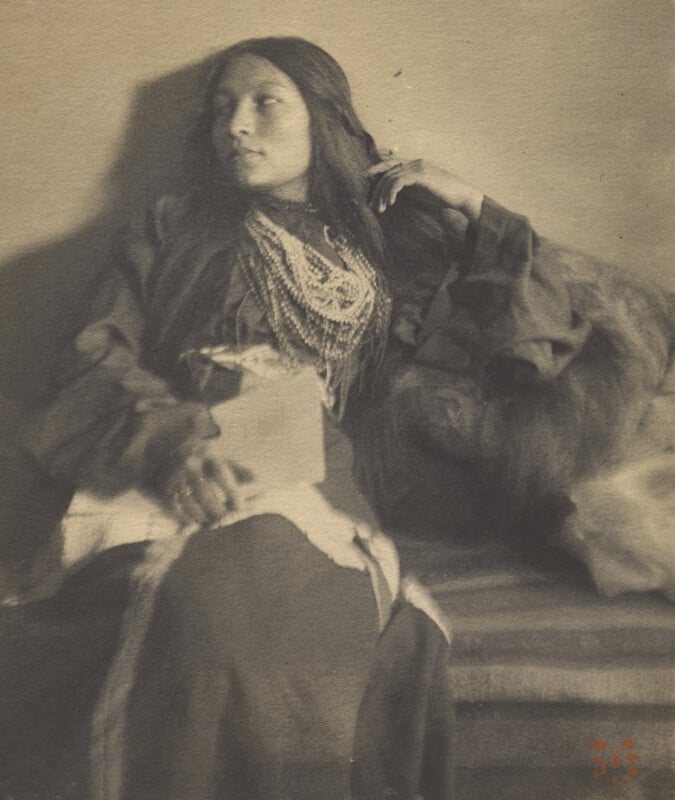
Visitors will encounter Joseph T. Keiley’s glycerine-developed platinum print of Zitkála-Šá (1898), which treats Indigenous identity with an artistic reverence rare for its time. The modernist movement is represented through Lee Miller’s haunting c. 1930 gelatin silver portrait captured by Man Ray, and Sonya Noskowiak’s 1935 portrait of author John Steinbeck.
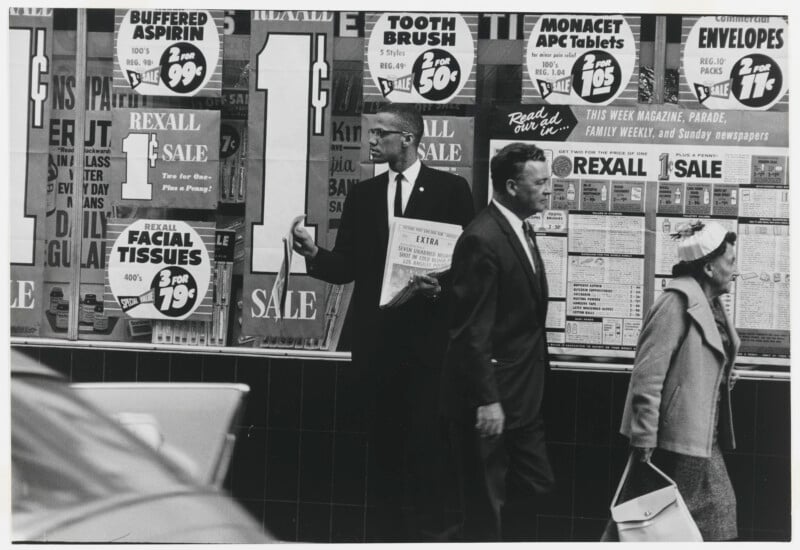
Mid-century America comes alive through powerful storytelling and celebrity portraiture. Gordon Parks’ iconic 1963 gelatin silver print of Malcolm X shows the civil rights leader striding past a Rexall store window while holding a newspaper detailing a police shooting—a masterclass in environmental portraiture.
Other mid-century highlights include:
- Yousuf Karsh’s 1944 contemplative portrait of Eleanor Roosevelt.
- Philippe Halsman’s gravity-defying 1954 “jump” portrait of entertainer Lena Horne.
- Genevieve Naylor’s 1957 street-level portrait of tennis icon Althea Gibson surrounded by neighborhood children.
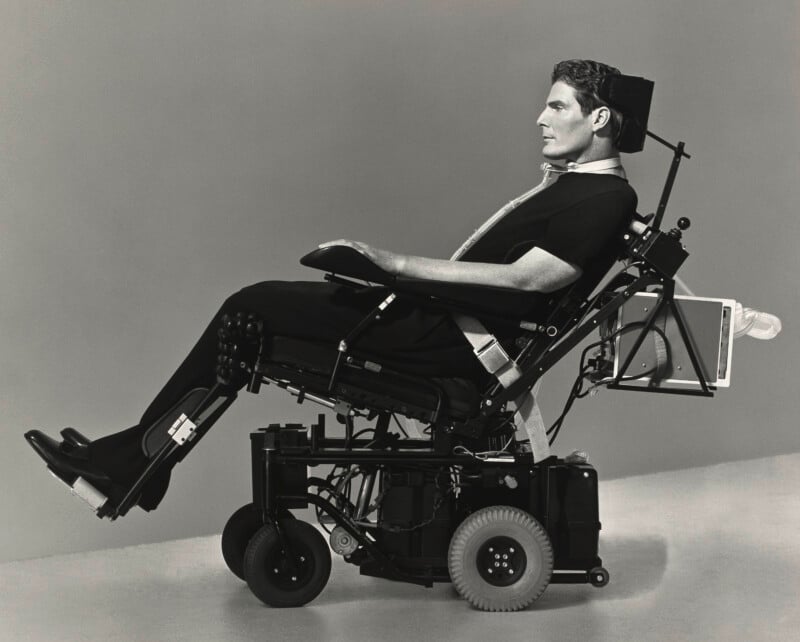
- Herb Ritts Jr.’s poignant 1996 gelatin silver print of actor Christopher Reeve, captured in profile in a motorized wheelchair with a ventilator.
The Contemporary Era
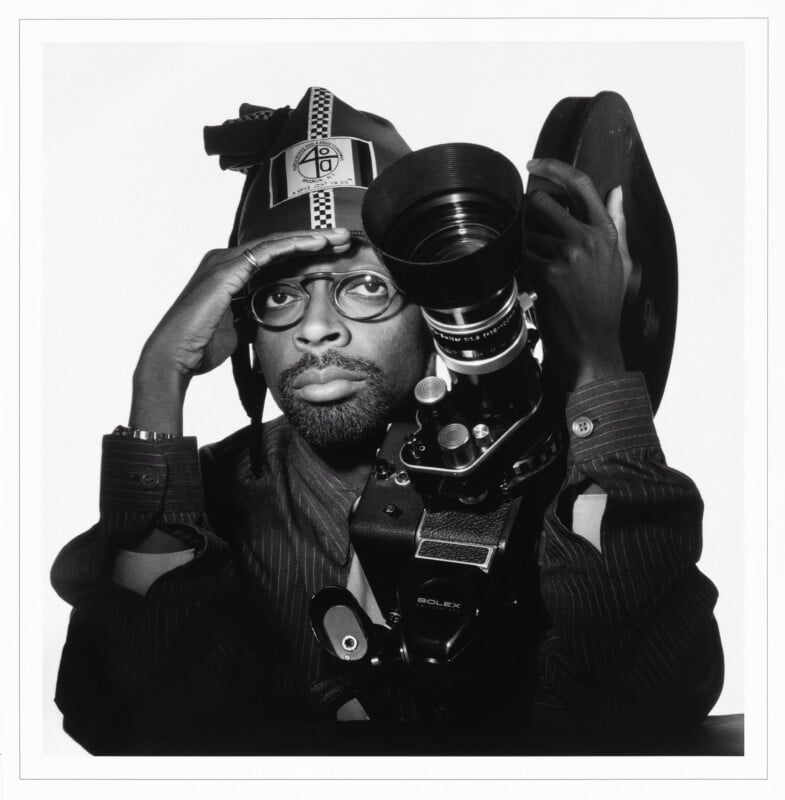
The journey concludes in the modern and digital ages, featuring legendary image-makers who defined visual culture in the late 20th century. Spike Lee is captured holding a Bolex movie camera in a 1999 inkjet print by Jesse Frohman (printed in 2014). Throughout the galleries, the exhibition nods to titans of the medium whose work defined the Portrait Gallery’s collection over the decades, including Alfred Stieglitz, Edward Steichen, Dorothea Lange, Ansel Adams, Irving Penn, Richard Avedon, Diane Arbus, and Annie Leibovitz.
Supporting Data: Building a National Visual Archive
The sheer scale of the National Portrait Gallery’s photography collection is a testament to fifty years of strategic acquisitions, generous donations, and institutional dedication.
- Collection Scope: Photography now accounts for approximately 50% of the museum’s total permanent collection, numbering in the tens of thousands of items.
- Exhibition Scale: Photographic Memory brings together more than 120 masterworks, many of which have been pulled from deep storage or recent acquisitions to be evaluated under fresh curatorial perspectives.
- Timeline Span: The works on display cover a vast chronological expanse of over 180 years, stretching from the earliest photographic experiments in the 1840s to contemporary digital inkjet captures.
- Duration: The exhibition will enjoy an extended run of nearly a year, welcoming local, national, and international visitors from November 14, 2026, through November 7, 2027.
Official Perspectives and Curatorial Insight
Curator Ann Shumard has spent years shaping how the public engages with the museum’s photographic holdings. In framing Photographic Memory: Fifty Years of Collecting, Shumard emphasizes that the exhibition is designed to do more than simply display pretty pictures; it is meant to interrogate how photography democratized the historical record.
In historical commentary surrounding the museum’s photographic milestones, leadership has frequently noted that photography offered an inclusive alternative to traditional portraiture. In the 19th century, commissioning an oil painting was a luxury reserved exclusively for the wealthy, the politically entrenched, and the social elite.
The advent of the daguerreotype and subsequent photographic processes drastically lowered the barrier to entry. Everyday Americans, working-class citizens, marginalized communities, and grassroots activists could suddenly preserve their likenesses for posterity. By acquiring these works over the past five decades, the Smithsonian has successfully broadened the definition of who "counts" as a historical figure worthy of national remembrance.
Implications: The Future of Photographic Preservation in Museums
As the National Portrait Gallery looks toward its next fifty years, Photographic Memory serves as both a retrospective victory lap and a blueprint for the future of museum archiving.
1. Re-evaluating Historical Narratives
By placing rare, early artifacts like the Dolley Madison and John Quincy Adams daguerreotypes alongside modern inkjet prints, the exhibition demonstrates how historical narratives are continuously rewritten through visual evidence. Every newly acquired photograph has the potential to rewrite a footnote in American history, giving faces to previously overlooked participants in the nation’s social fabric.
2. Technological Shifts in Museum Preservation
The inclusion of an introductory timeline focusing on chemical processes highlights an ongoing challenge for modern institutions: the physical preservation of fragile historical media. From silver halide degradation to the fragility of glass-plate negatives and early copper daguerreotype plates, museums face immense technical hurdles in maintaining these artifacts. Exhibitions like this remind the public of the delicate chemistry required to freeze time.
3. Deepening Public Engagement
With a nearly 12-month run, the exhibition is strategically positioned to attract millions of tourists, scholars, and photography enthusiasts passing through Washington, D.C. It reinforces the Smithsonian’s role not just as a passive warehouse of the past, but as an active educational center interpreting how visual media influences modern civic life.
Photographic Memory: Fifty Years of Collecting stands as a tribute to the photographers who held up a mirror to America, and to the institution that ensured those reflections would never fade away.