SPB Hospitality Unveils "SPB Playbook": A Strategic Realignment for Krystal and Upscale Casual Portfolio

By Julie Littman
Published June 5, 2026
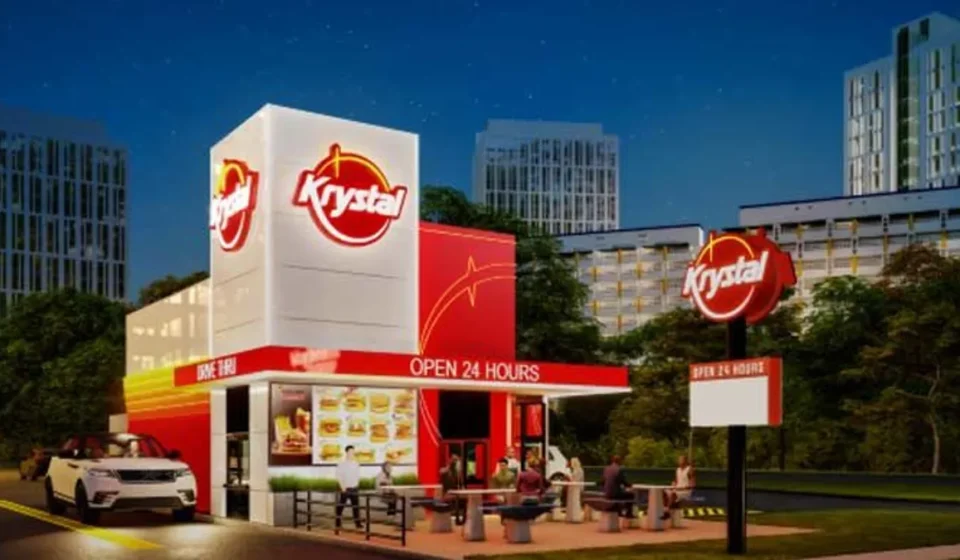
In a significant move aimed at streamlining operations and fostering long-term growth, SPB Hospitality CEO GJ Hart announced on Thursday the official implementation of the "SPB Playbook." This new operating framework marks a pivotal transition for the company, establishing a dual-track leadership structure that will see the iconic fast-food chain Krystal and the company’s upscale casual portfolio operated as distinct, parallel businesses under a unified executive umbrella.
The announcement comes after months of internal assessments and a comprehensive "listening tour" conducted by Hart, who sought to bridge the gap between corporate strategy and the day-to-day realities of frontline restaurant operators.
The Strategic Vision: Defining the SPB Playbook
At the heart of the new strategy is a mission statement focused on "Great People. Remarkable Food. Exceptional Restaurants." SPB Hospitality, which has long sought to balance the high-volume nature of quick-service dining with the precision of upscale casual service, is now formalizing the distinct operational requirements of its diverse portfolio.
According to the official press release, the SPB Playbook is designed to provide "operational footing" that allows each brand to thrive within its specific market segment. By decoupling the management of the fast-food operations from the white-tablecloth concepts, the company aims to move away from a "one-size-fits-all" corporate culture, allowing brands to respond more nimbly to their unique consumer demographics.
Chronology: From Listening Tour to Operational Overhaul
The path to the SPB Playbook was paved by a deliberate process of stakeholder engagement. Upon taking the helm, GJ Hart initiated a series of meetings with restaurant operators across the country, asking a singular, poignant question: "What do you need to do your best work?"
The feedback loop triggered a cascade of organizational shifts:
- Early 2026: Hart completes the listening tour, identifying critical pain points in communication and reporting structures.
- March 2026: Amanda Hyde is appointed as Chief Operating Officer of Krystal, signaling a renewed focus on the chain’s operational identity.
- Late Spring 2026: The company begins piloting the "Head Coach" model, drawing inspiration from the successful culture at J. Alexander’s.
- June 5, 2026: The official launch of the SPB Playbook, confirming the parallel business structure and outlining the multi-year expansion plan for the upscale portfolio.
Leadership and Structural Changes
A cornerstone of the reorganization is the empowerment of specialized leadership. Amanda Hyde, who transitioned into her role as Krystal’s COO in March, is now tasked with spearheading a strategy that specifically addresses Krystal’s unique guest expectations. The fast-food segment, characterized by high velocity and price-sensitivity, requires a different set of KPIs than the company’s upscale brands.
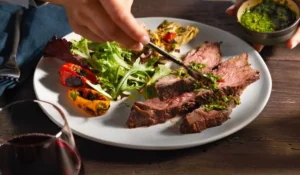
Conversely, the upscale casual portfolio—anchored by J. Alexander’s, Stoney River Steakhouse and Grill, and chef-driven concepts from Jose Garces, such as Amada and Village Whiskey—will adopt the "Head Coach" model. This model replaces the traditional "General Manager" title with a role defined by broader accountability, team development, and a focus on ownership.
SPB envisions this role evolving into a partner-style structure, where managers are incentivized by the long-term financial success of their specific unit, thereby aligning performance with ownership interest.
Supporting Data: J. Alexander’s as the Growth Engine
While Krystal focuses on operational stabilization and brand identity, SPB has identified J. Alexander’s as its primary vehicle for geographic expansion. The company’s philosophy for growth is rooted in "depth over breadth," favoring expansion in markets where brand loyalty is already established.
The Expansion Pipeline
The company has provided a clear roadmap for its growth trajectory over the next three years:

- 2026: Five new units, including the recently opened location in Plano, Texas, and upcoming sites in Prosper, Texas, and The Battery Atlanta in Georgia.
- 2027: Seven planned locations.
- 2028: Eight planned locations.
"We’re going where we know we’ll win," Hart noted during the announcement. This measured approach is intended to mitigate the risks associated with rapid, unfocused expansion, ensuring that the company has the necessary leadership talent in place before breaking ground on new units.
Official Responses and Internal Sentiment
The transition to the SPB Playbook is not merely structural; it is cultural. The company emphasized that the rollout of "goHappy," a frontline communications tool, was a direct response to feedback from the listening tour. Other improvements include streamlined reporting processes and enhanced team member benefits, which the company claims are essential to retaining talent in a highly competitive labor market.
The "Head Coach" model at J. Alexander’s is being framed as the gold standard for the company’s future. By shifting the focus from administrative management to team mentorship, SPB believes it can foster a more stable, committed workforce.
Implications: A New Era for SPB Hospitality
The implications of this move are twofold. First, for Krystal, the move suggests a push toward revitalizing the brand by giving it the breathing room to innovate without the friction of being managed under the same operational metrics as an upscale steakhouse. Second, for the upscale portfolio, the formalization of the "Head Coach" structure suggests that SPB is positioning its premium brands for sustained, long-term equity growth.
The market will be watching closely to see if this dual-track approach results in improved margins. By creating parallel structures, SPB is betting that the synergy of a single ownership group combined with the specialization of brand-specific leadership will yield a competitive advantage that a more centralized, monolithic management style could not achieve.
Analyzing the "Depth Over Breadth" Strategy
The decision to focus on markets where the company has a "proven track record" is a conservative, yet likely effective, hedge against economic volatility. By concentrating its growth in regions like Texas and Georgia, SPB minimizes logistics costs and leverages existing supply chain relationships.

Furthermore, the transition to an ownership partner structure for unit leaders represents a significant departure from standard corporate restaurant management. If successful, this could significantly lower turnover rates at the general management level—a notorious pain point in the hospitality industry.
Conclusion: The Road Ahead
As the restaurant industry continues to navigate shifting consumer preferences and rising operational costs, SPB Hospitality’s decision to segment its business under the SPB Playbook appears to be a calculated effort to institutionalize agility.
Whether this structure will successfully reinvigorate Krystal’s presence in the fast-food market while simultaneously scaling the upscale, chef-driven portfolio remains to be seen. However, by listening to its operators and empowering its leadership with the right tools, SPB has signaled that it is moving away from reactive management and toward a proactive, model-based growth strategy.
The upcoming openings in 2027 and 2028 will serve as the ultimate test of this framework. If the "Head Coach" model holds true to its promise of developing better team members and more profitable units, SPB Hospitality may well become a case study for how to manage a diverse portfolio in a modern, post-pandemic landscape.
For now, the industry awaits the results of this grand experiment, as the company prepares to execute its ambitious growth plan, one location, one coach, and one "remarkable" meal at a time.