Surviving the Scorcher: An Investigative Guide to Heatwave Management and Anti-Perspiration Innovations

Main Facts
As global temperatures continue to shatter historical climatological records, extreme heatwaves have transformed from seasonal anomalies into persistent public health crises. High ambient temperatures do not merely cause general discomfort; they trigger a cascade of physiological responses—most notably excessive perspiration, hyperhidrosis, chafing, and disrupted sleep architecture.
In response to this escalating environmental challenge, the consumer goods and personal care sectors have experienced a paradigm shift. Traditional deodorants and talc-based powders are rapidly being replaced by advanced biotechnological solutions. These modern interventions include pH-optimized acidified body washes, aluminum-free whole-body cooling mists, clinical-grade antiperspirant wipes, moisture-wicking textiles, and active thermal regulation devices.
According to dermatological and consumer data, the demand for targeted sweat and chafing mitigation products has surged by over 40% year-over-year. Consumers are no longer seeking temporary fixes; they require clinically backed, multi-system approaches to maintain personal hygiene, skin integrity, and thermal comfort during severe heat events.
Chronology of Heatwave Preparedness
The evolution of modern heat-mitigation strategies has transitioned through distinct phases over the past decade, driven by material science advancements and changing consumer demands:
- Phase 1: The Era of Traditional Antiperspirants (Pre-2018): Market reliance was heavily centered on standard underarm antiperspirants containing aluminum compounds and heavy, talc-based body powders. Solutions were largely localized to the underarms, leaving whole-body sweating and friction points unaddressed.
- Phase 2: The Rise of Specialized Body-Care Formulations (2018–2021): Brands began recognizing that sweat is not exclusive to the underarms. The introduction of specialized anti-chafing gels (such as Monistat’s Chafe Relief Powder Gel) and targeted breast-sweat powders (such as Megababe’s Bust Dust) marked a shift toward comprehensive bodily care.
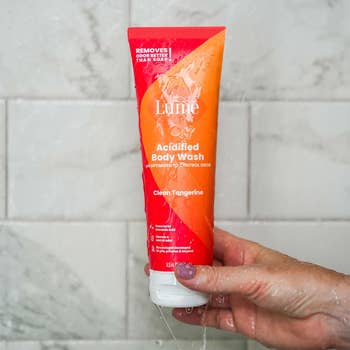
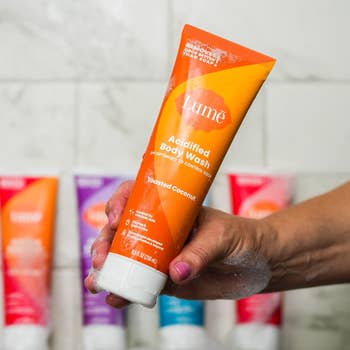
- Phase 3: Acidified Skincare and Advanced Deodorization (2021–2023): Science-backed formulations entered the mainstream. Products like Lume Acidified Body Wash utilized pH-optimization and mandelic acid to target the root cause of body odor—bacteria—rather than merely masking scents.
- Phase 4: High-Tech Thermal Regulation and Portable Cooling (2023–Present): The current market is defined by active electronic cooling devices, such as the Shark ChillPill and portable 360-degree neck fans, alongside medical-grade bed-cooling systems like the BedJet. Consumers now have access to portable environmental control.
Supporting Data: Product Categories and Efficacy
To combat the multifaceted impacts of heatwaves, consumers are deploying specialized products across several distinct categories. Below is a comprehensive breakdown of the leading solutions categorized by their functional application.
1. Advanced Hygiene and Odor Prevention
Traditional soaps often fail to neutralize odor-causing bacteria during heatwaves. Acidified and targeted washes offer a superior alternative.
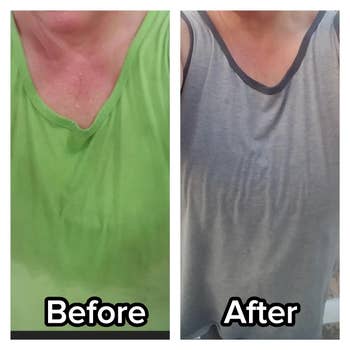
- Lume Acidified Body Wash ($18.18+): pH-optimized to disrupt bacterial growth for up to 24 hours. Formulated with mandelic acid, which assists with hyperpigmentation over time and is safe for sensitive areas.
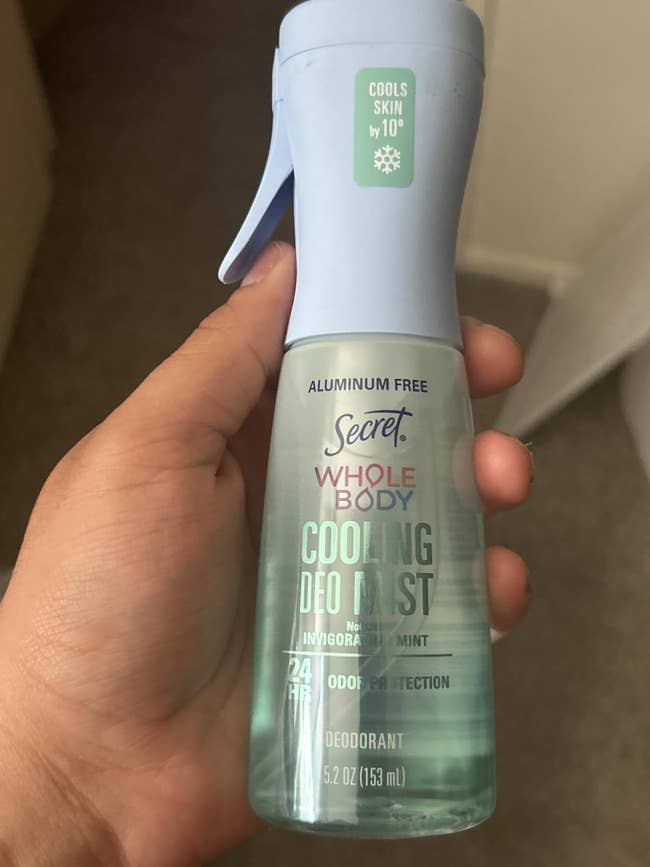
- Secret Whole Body Cooling Deodorant Mist ($12.99+): An aluminum-free, multi-zone spray providing an immediate cooling sensation via a mint-infused formula, effective for up to 24 hours on underarms, chest, and feet.
- Rollr "Anti-Odorant" Starter Pack ($43.80+): A sustainable, zero-waste system utilizing a pro- and prebiotic formula to stop odor at the source, coupled with mineral pore-tightening agents.
2. Specialized Sweat and Moisture Management
For individuals experiencing excessive sweating (hyperhidrosis) or localized friction, targeted barriers are essential.
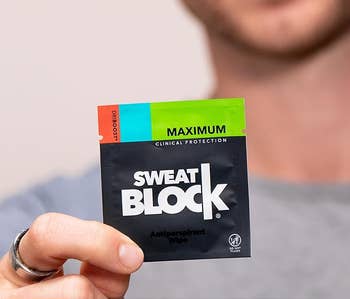
- SweatBlock Antiperspirant Wipes ($19.97+): Utilizing pure aluminum chloride, these clinical-strength pre-soaked wipes block sweat at the gland level for up to seven days per application.
- NoSweat Hat Liners ($27.99): Hypoallergenic, ultra-thin adhesive strips designed to absorb forehead perspiration, preventing sweat from running into the eyes and eliminating salt rings on caps.
- Avène Thermal Spring Water Spray ($11.0+): A fine mineral mist that provides instant thermal relief to flushed skin without disrupting makeup.
3. Friction and Chafing Mitigation
Chafing remains a primary physical ailment during high-heat months, affecting thighs, under-breast regions, and sensitive areas.

- Monistat Chafing Relief Powder Gel ($7.47): A cult-favorite, lightweight gel that dries to a silky, matte finish, providing all-day friction protection without greasiness.
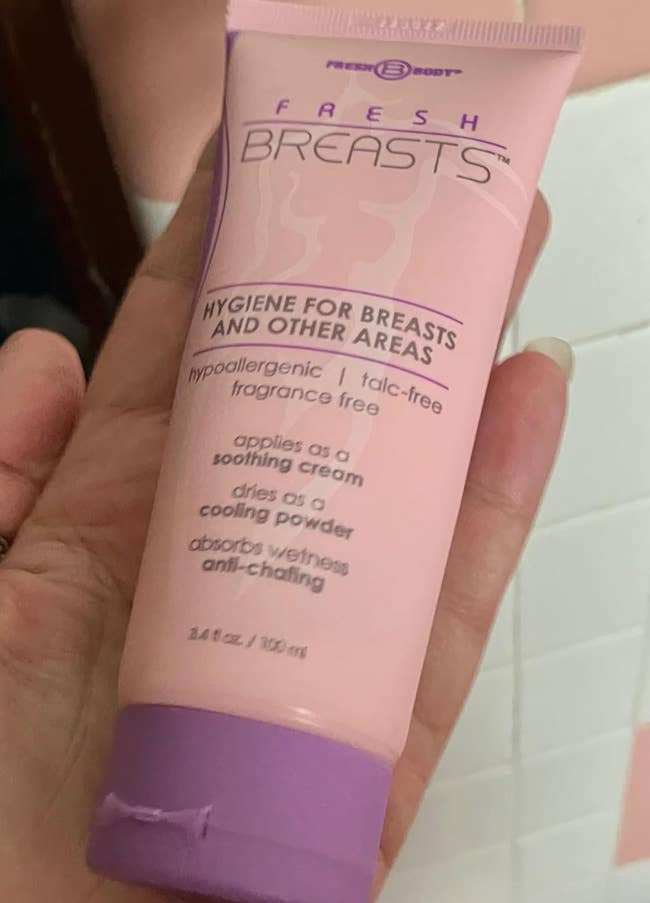
- Fresh Breasts Anti-Chafing Lotion ($13.99): A talc-free, aluminum-free cream that applies like a lotion and dries into a soothing, aloe-infused powder barrier.
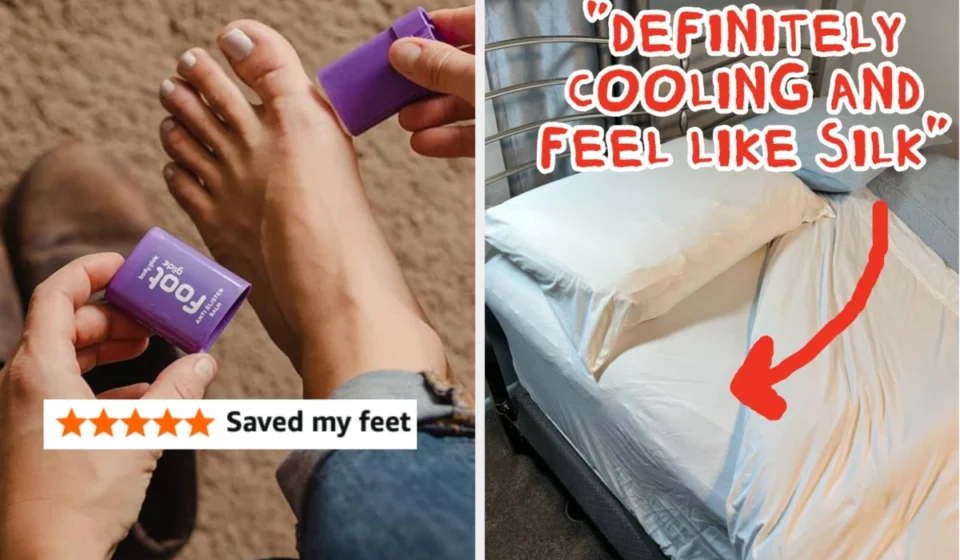
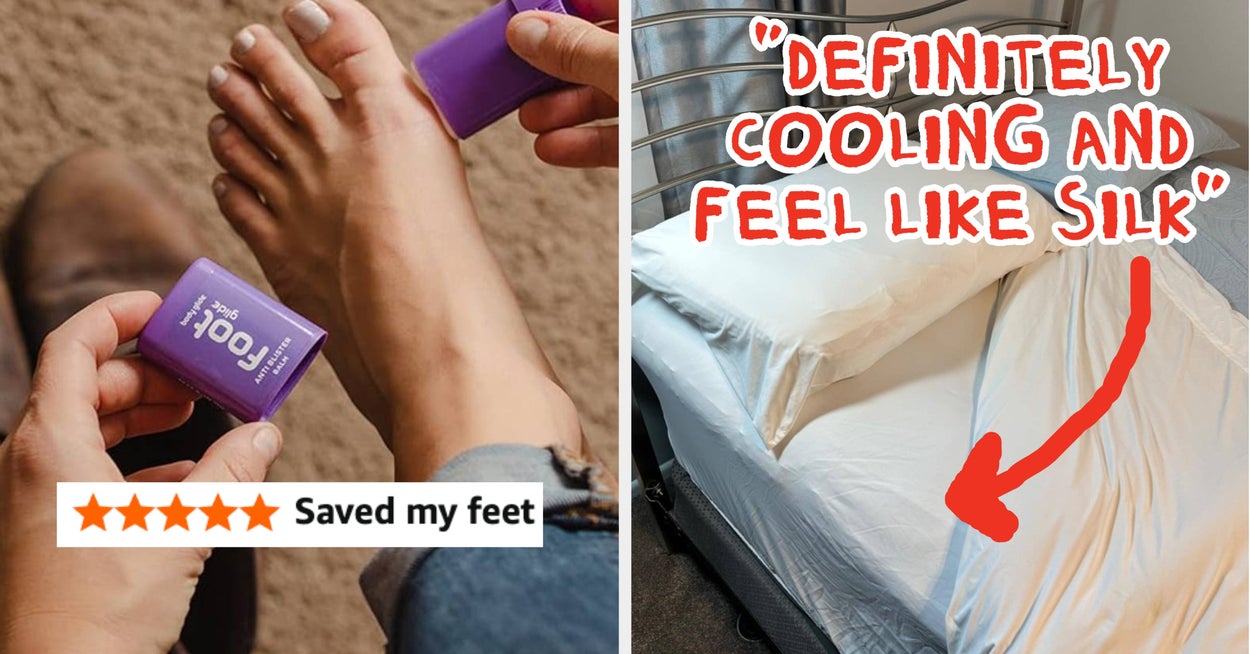
- BodyGlide Foot Balm ($8.99): A vitamin-infused, non-greasy barrier stick designed to prevent heat-induced blisters during extended periods of walking or traveling.
4. Sleep Architecture and Night-Sweat Solutions
High nighttime temperatures severely degrade sleep quality. Advanced cooling bedding and devices help regulate core body temperature.
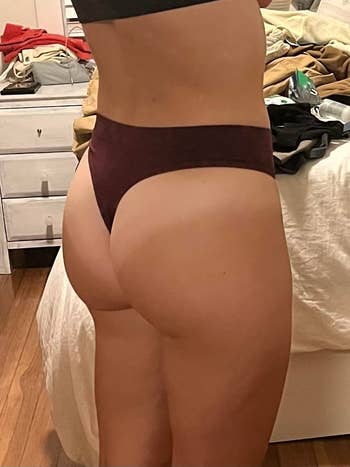
- BedJet Climate Control System ($569.0): A mattress-compatible, smart-temperature-regulated system that actively extracts heat and moisture from the bed throughout the night.
- Coop Sleep Goods Lightweight Sheets ($119.20): Silky-soft, breathable bamboo-derived sheets engineered to resist heat retention while remaining wrinkle- and stain-resistant.
- Blissy Mulberry Silk Pillowcase ($58.87+): Hand-crafted silk that wicks moisture, keeps facial skin cool, and reduces thermal friction for hair and skin.
Official Responses and Medical Insights
Public health institutions have increasingly emphasized the physiological risks associated with prolonged exposure to extreme heat. According to the Mayo Clinic, body odor and skin irritations are exacerbated when sweat interacts with skin bacteria in an alkaline environment. Deodorants and body washes that optimize skin acidity can significantly mitigate bacterial proliferation.

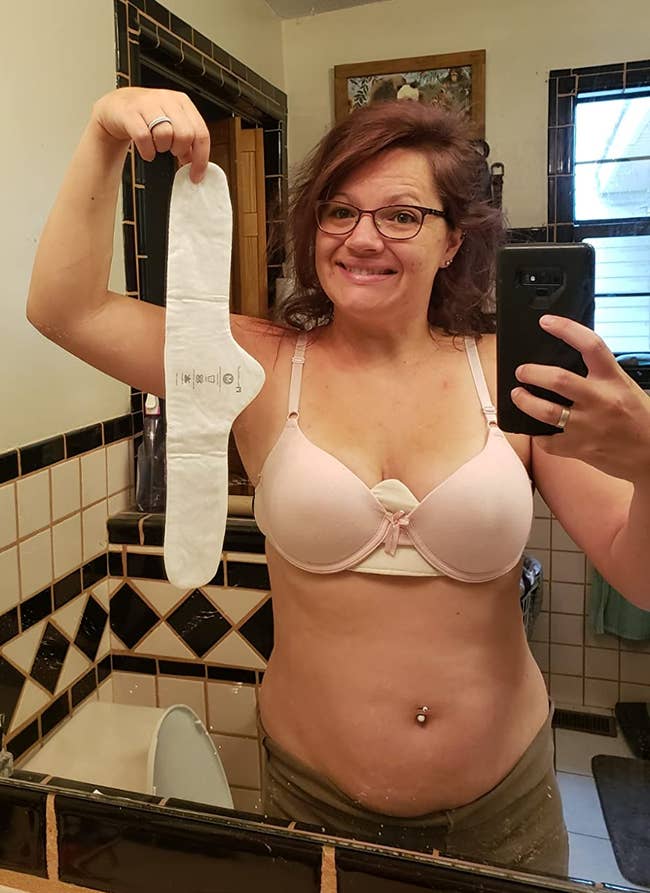
Furthermore, the Cleveland Clinic highlights the increased prevalence of fungal and yeast infections (such as candidiasis) in skin folds—particularly under the breasts and in the groin region—during periods of high humidity. Medical professionals recommend utilizing talc-free, moisture-absorbing powders and breathable barrier liners to maintain skin dryness and prevent inflammatory outbreaks.
Implications
The commercial and societal shift toward advanced heat-management products carries profound implications for public health, urban living, and consumer economics.
- Public Health Resilience: As climate change drives prolonged heatwaves, access to effective personal cooling and hygiene products is transitioning from a matter of convenience to one of public health necessity. Heat exhaustion, severe chafing infections, and sleep deprivation significantly impact workforce productivity and individual well-being.
- The Rise of Functional Personal Care: Consumers are demanding clinical efficacy from everyday personal care items. The market shift away from aluminum-heavy antiperspirants toward microbiome-friendly, acidified, and prebiotic formulations indicates a more sophisticated consumer base prioritizing long-term skin health.
- Economic Accessibility: While high-end innovations like the BedJet ($569) and Shark ChillPill ($99+) offer state-of-the-art thermal regulation, accessible alternatives such as the Monistat Powder Gel ($7.47) and Lume Body Wash ($18.18) ensure that essential heat-management tools remain available across varying socioeconomic brackets.
Ultimately, navigating the realities of a warming world requires a multi-pronged toolkit. By integrating targeted dermatological science, advanced textiles, and portable cooling technology, individuals can effectively mitigate the physiological toll of extreme heat.