The Aftermath of the Aisle: Why Professional Preservation is the Ultimate Gift to Your Wedding Gown

For most couples, the wedding day is a whirlwind of emotion, celebration, and sensory overload. Amidst the flurry of champagne toasts, tearful vows, and dancing, the bridal gown—often the most significant sartorial investment a person will make in their lifetime—endures a grueling gauntlet. From grass stains and spilled prosecco to the invisible, insidious accumulation of body oils and perspiration, a wedding dress is subjected to more environmental stress in twelve hours than most garments see in a decade.
Yet, once the final guest has departed and the honeymoon phase begins, many dresses find themselves unceremoniously relegated to the back of a dark closet. Stuffed into a garment bag and forgotten, these heirloom-quality pieces are often left to succumb to the ravages of time. To ensure your gown remains a pristine memento rather than a yellowed relic, understanding the science and necessity of professional wedding dress preservation is essential.
The Silent Decay: Why Your Dress Needs More Than a Dry Clean
The most common misconception among newlyweds is that a standard trip to the local dry cleaner is sufficient for post-wedding care. While professional cleaning is a vital first step, it is fundamentally different from true preservation.
To understand why, one must consider the chemical composition of the stains hidden within the fabric. Sugar, found in everything from wedding cake to cocktails, is a "silent killer" of bridal fabrics. Initially clear, these sugar-based stains oxidize over time, turning a deep, irreparable brown. Similarly, perspiration and natural body oils contain proteins that, if left untreated, will weaken delicate fibers, cause yellowing, and eventually lead to "shattering"—a process where the fabric becomes brittle and tears under its own weight.
If your dress is white or ivory, the stakes are significantly higher. The lack of dyes in the fabric makes the slightest hint of oxidation immediately apparent. Preservation is not merely about removing visible grime; it is a prophylactic measure designed to halt the chemical aging process of the garment.
Chronology of Care: From the Dance Floor to the Archive
The lifecycle of a wedding dress, when treated with professional care, follows a specific, rigorous path.
Phase 1: The Immediate Aftermath (0–48 Hours)
The clock starts ticking the moment the reception ends. If you intend to preserve the dress, the sooner it reaches a specialist, the better. Delaying treatment allows stains to set into the weave of the fabric, making them exponentially harder to extract.
Phase 2: The Diagnostic Inspection
Professional preservationists do not treat every dress with the same solvent. Upon arrival, the garment undergoes an exhaustive inspection under specialized high-intensity lighting. This stage identifies "hidden" stains—invisible oils or sugar residues—that would otherwise remain dormant until they manifest as permanent discoloration years later.
Phase 3: Bespoke Cleaning
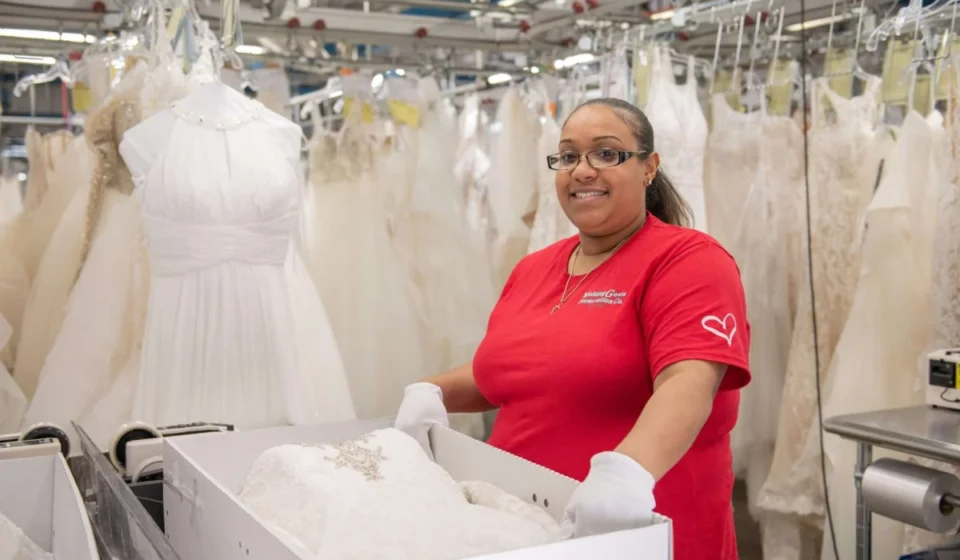
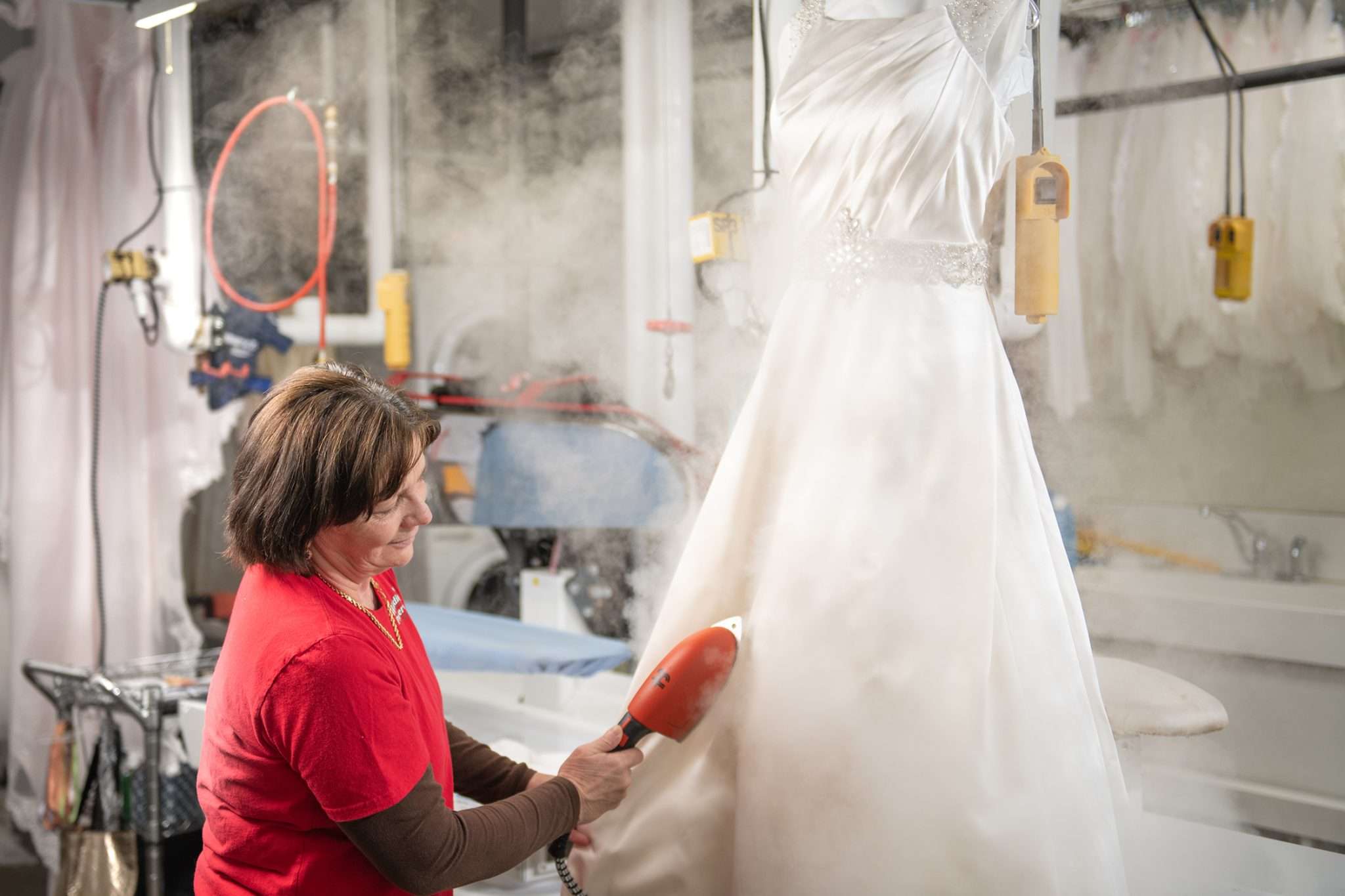
Once the stains are mapped, the cleaning process begins. This is not a "one-size-fits-all" dunk in a vat of chemicals. Delicate materials such as silk, lace, tulle, and satin each require distinct, gentle solvents. For dresses featuring intricate beading, sequins, or structural boning, specialists use hand-cleaning techniques to ensure that embellishments are not damaged by the friction of a machine.
Phase 4: The Archival Environment
Once the garment is pristine, it enters the preservation phase. This involves wrapping the dress in acid-free, buffered tissue paper. Acid-free materials are crucial; standard tissue paper contains wood pulp acids that will yellow the dress over time. The gown is then placed in an archival-grade, pH-neutral box. These boxes are designed to be breathable yet light-tight, creating a micro-environment that remains stable regardless of minor shifts in room temperature.
Supporting Data: The Economics of Heirlooms
Is the cost—typically ranging between £130 and £400 in the UK, or $250 and $600 in the US—justified?
To determine the value, one must look at the "intended lifespan" of the garment. If the gown is a mass-produced piece intended to be sold immediately on a secondary market, professional cleaning may suffice. However, if the garment represents a significant financial or sentimental investment, preservation is a form of insurance.
Data from the textile industry suggests that proper preservation can extend the life of a garment by 50 to 100 years. By investing in professional services, you are effectively protecting an asset that could be repurposed for future generations. When you break down the cost of preservation against the potential future cost of restoring a degraded heirloom, the initial expense becomes a logical, cost-effective decision.
Implications for the Future: Resale, Reworking, and Keepsakes
The decision to preserve a dress often hinges on the wearer’s future intentions. The industry identifies three primary "use-cases" for preserved gowns:
- The Heirloom Strategy: For those who hope to pass the dress down to a child or relative, preservation is the only way to ensure the integrity of the fabric for the next generation.
- The Repurposing Strategy: Trends are shifting toward transforming wedding gowns into christening robes, cocktail dresses, or even cocktail-party pieces. Preserving the original fabric ensures that when the time comes to cut and re-sew the garment, the material is strong and color-fast.
- The Resale Strategy: The market for pre-loved designer wedding dresses is robust. A dress that has been professionally preserved and comes with a certificate of preservation holds significantly higher resale value than a dress that has been stored in a plastic bag or a standard wardrobe.
Expert Perspectives: A Consensus on Caution
Textile conservators and professional cleaners alike warn against the most common mistakes brides make during the "storage phase." The most frequent offender? Storing a dress in a plastic dry-cleaning bag.
"Plastic is the enemy of natural fibers," notes one leading textile expert. "Plastic traps moisture and off-gases chemicals that can cause the fabric to yellow and grow mold. It creates a greenhouse effect within the bag, which is the exact opposite of what you want for a delicate lace or silk gown."
Furthermore, experts emphasize that storage location is just as important as the preservation process itself. Attics and basements are "no-go" zones. The extreme temperature fluctuations found in these areas—combined with the inherent humidity of basements—create the perfect storm for mildew and fabric degradation. The ideal storage location is a climate-controlled closet or under a bed in a room that is consistently cool, dark, and dry.
Checklist for Success: Is Preservation Right for You?
Before you drop your gown off at a service, perform a quick internal audit:
- Fabric Sensitivity: Is the dress made of silk, chiffon, or delicate lace? If yes, professional intervention is highly recommended.
- Embellishment Complexity: Does the dress have complex beadwork, embroidery, or heavy structural corsetry? Professional handling is necessary to prevent these elements from tarnishing or cutting into the fabric.
- Emotional Attachment: If the dress holds deep sentimental value, the peace of mind offered by professional preservation is arguably priceless.
Conversely, if the dress is a synthetic material with minimal detailing, or if you are already scheduled for a custom redesign at a tailor next month, you may opt to skip full archival preservation in favor of a standard professional cleaning.
Conclusion: A Legacy Protected
Wedding dress preservation is more than a commercial service; it is an act of stewardship. By taking the time to properly clean and store your gown, you are ensuring that the memory of your wedding day remains tangible.
The fabric of your dress tells the story of your celebration. By shielding it from the slow erosion of time, you allow that story to remain vibrant, intact, and ready to be rediscovered—whether by you in a few years, or by someone else decades down the line. As you look back on your wedding day, remember that the most beautiful part of the garment isn’t just how it looked when you walked down the aisle, but how well it holds its beauty for the decades that follow.