The Amazon Beauty Breakthrough: 44 Cult-Favorite Products Reviewers Are Calling "Pure Magic"

In the ever-expanding universe of e-commerce and digital consumerism, finding products that genuinely transcend marketing hype is a rare feat. Millions of shoppers turn to user-generated reviews to navigate the endless sea of skincare, haircare, and personal hygiene solutions. Recently, a specific subset of Amazon bestsellers has captured the public’s imagination—and wallets—by eliciting a singular, recurring reaction from verified buyers: "What is this sorcery?"

From stubborn acne scars and chronic dandruff to advanced aging concerns and post-shaving irritation, consumers are documenting jaw-dropping transformations with affordable over-the-counter remedies. This comprehensive report examines 44 of the most highly rated, consumer-vetted beauty and personal care items currently dominating digital platforms, breaking down the science, the data, and the real-world implications behind their viral success.
Main Facts: The Rise of Consumer-Driven E-Commerce Efficacy
The landscape of the beauty industry has fundamentally shifted over the past decade. Traditional prestige brands—once guarded behind the counters of luxury department stores—now compete directly with accessible, clinical-grade formulations available via online retail giants.
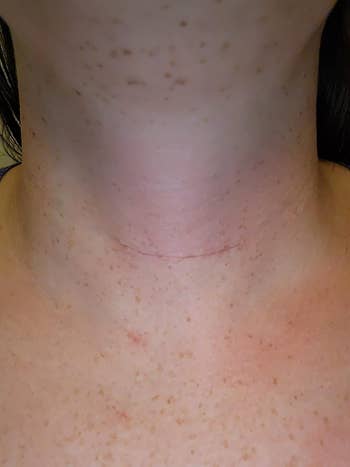
- The Democratization of Skincare: Ingredients once restricted to dermatology offices, such as prescription-strength retinoids, medical-grade callolytic agents, and specialized hypochlorous acid sprays, are now readily accessible for under $20.
- The Power of Social Proof: Video-first platforms like TikTok and user-driven review ecosystems on Amazon have replaced traditional print advertising. Products like Cosrx Snail Mucin and Mielle Rosemary Mint Oil gained viral traction not through corporate campaigns, but through organic before-and-after documentation.
- Cost vs. Efficacy: Reviewers consistently express astonishment that lower-priced formulations (often under $15) outperform luxury alternatives costing upwards of $90 to $180, challenging traditional pricing models in the cosmetics sector.
Chronology of a Trend: How Viral Beauty Products Take Over the Internet
The lifecycle of a modern cult-favorite beauty product typically follows a distinct trajectory from obscurity to mainstream dominance:
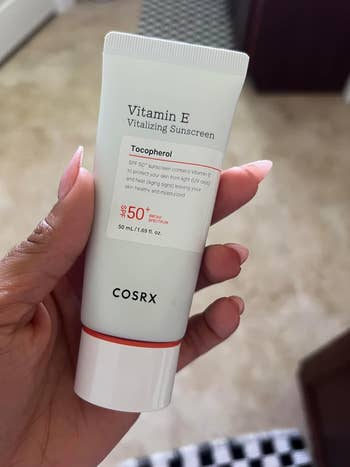
- Discovery and Niche Adoption: A consumer struggling with a persistent issue—such as keratosis pilaris, cystic acne, or deep-seated calluses—takes a calculated financial risk on an affordable, lesser-known product.
- The "Before-and-After" Documentation: Driven by dramatic results, users capture visual proof, often noting improvements within days or weeks.
- The Social Amplification Phase: Reviews featuring phrases like "pure magic" or "wizardry" are published on retail platforms and cross-shared on social media networks.
- Mainstream Saturation and Supply Chain Strain: As adoption surges, products frequently experience stock shortages, prompting brands to scale production or update packaging while maintaining core formulations.
Supporting Data: Breakdown of Top-Rated Formulations
To understand why these products command such high loyalty, we must examine the specific active ingredients driving their success across various categories.
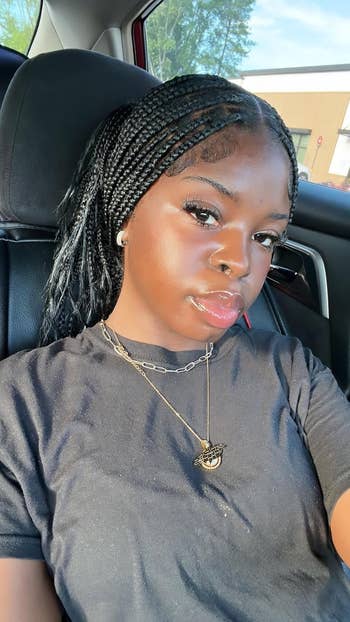
1. Advanced Skincare & Complexion Treatments
Consumers battling hyperpigmentation, texture irregularities, and scarring have gravitated toward scientifically backed actives:
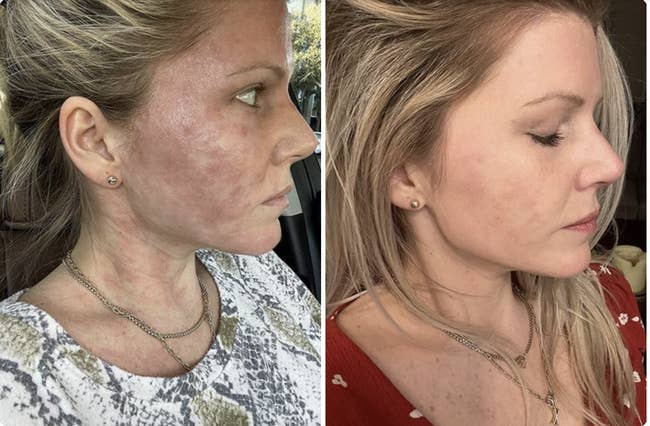
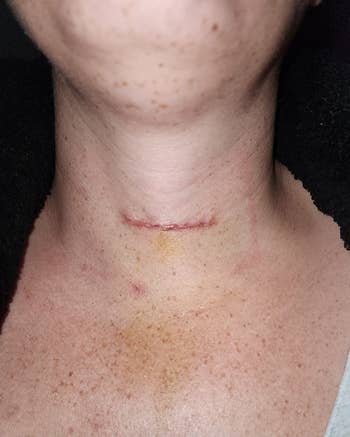
- Derma E Scar Gel ($20): Utilizes panthenol to promote cellular turnover and allantoin to accelerate wound healing, successfully treating both new and chronic scars.
- Cosrx SPF 50+ Sunscreen ($18.19): A sebum-balancing, reef-safe formula containing cacao and vitamin E that addresses the historical consumer complaint of heavy, white-cast sunscreens.
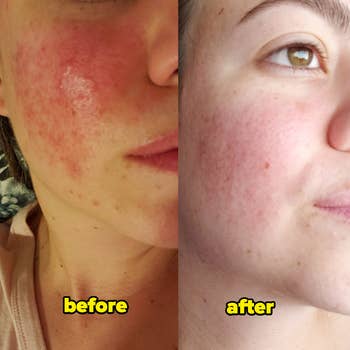
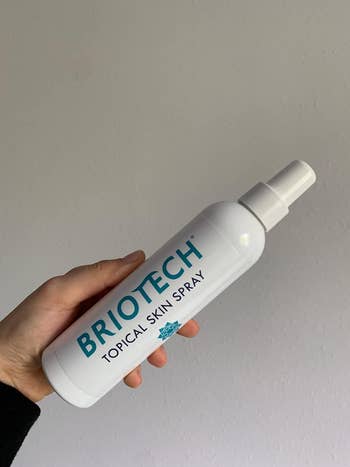
- Briotech Hypochlorous Acid Spray ($17.99): Harnesses the body’s natural immune molecule to soothe rosacea flare-ups, calm irritation, and aid in piercing recovery.
- CeraVe Resurfacing Retinol Serum ($9.99) & Differin Adapalene Gel ($12.88): Offer dermatological-grade cellular turnover for acne and fine lines without the prohibitive pricing of luxury serums.
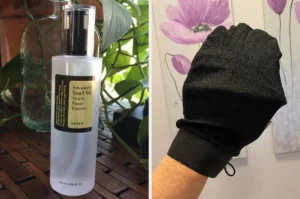
- Cosrx Snail Mucin Repairing Essence ($18.50): A viral sensation that deeply hydrates, minimizes pore appearance, and calms inflammatory skin conditions.
2. Targeted Body Care & Maintenance
Body care has emerged as a major sector for transformative treatments:
- Medix Retinol Body Lotion ($19.99): Brings facial-grade anti-aging chemistry to limbs, knees, and hands, targeting crepey texture and keratosis pilaris (KP).
- First Aid Beauty Bump Eraser Body Scrub ($22.49): Combines 10% AHA (glycolic and lactic acids) with physical pumice for instant textural smoothing.
- Gold Bond Friction Defense ($6.29) & Sol de Janeiro Brazilian Bum Bum Cream: Address chafing and skin firmness utilizing soothing aloe and caffeine-infused hydration.
- Tend Skin ($29.99) & Peach Slices Ingrown Hair Roll-On ($13.49): Utilize targeted chemical exfoliants to eradicate razor bumps and post-hair-removal irritation.
3. Hair Restoration & Scalp Health
Scalp care has officially joined the skincare routine hierarchy:
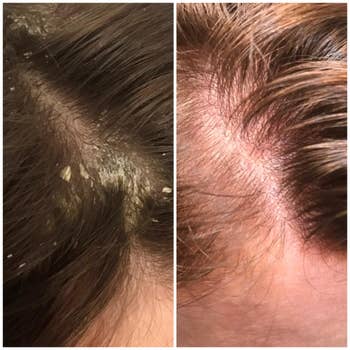
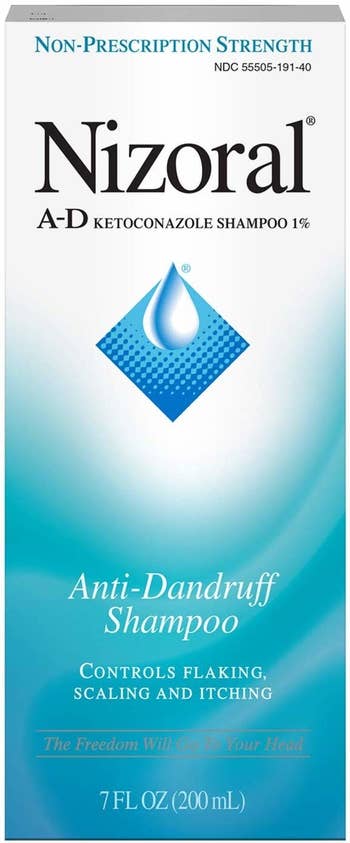
- Nizoral Anti-Dandruff Shampoo ($16.88): Features 1% ketoconazole to target the underlying fungus causing dandruff rather than merely masking flakes.
- Mielle Rosemary Mint Strengthening Oil ($9.94): Backed by comparisons to minoxidil (Rogaine) in clinical studies regarding hair follicle stimulation.
- Elizavecca Ceramide Collagen Coating Hair Protein Treatment ($6.99): Provides dramatic structural repair for heat-damaged hair in a five-minute window.
Official Responses and Dermatological Perspectives
While consumer enthusiasm is palpable, dermatologists and medical bodies emphasize the importance of managed expectations and proper usage.
Organizations such as the Mayo Clinic and the Cleveland Clinic frequently publish guidance on active ingredients featured in these viral products:
- On Retinoids and Exfoliants: Dermatologists advise starting slowly (applying 2–3 times a week) to build skin tolerance, warning that over-exfoliation can compromise the skin barrier. Daily broad-spectrum SPF is deemed non-negotiable when using retinoids or AHAs.
- On Ketoconazole: Medical professionals endorse antifungal shampoos for persistent dandruff that fails to respond to standard cosmetic formulations.
- On Hypochlorous Acid: Recognized by skin specialists as a safe, naturally occurring antimicrobial agent that supports skin healing without disrupting the microbiome.
Implications: The Future of Consumer Beauty Standards
The widespread acclaim and viral success of these accessible products carry significant implications for the broader cosmetics industry:
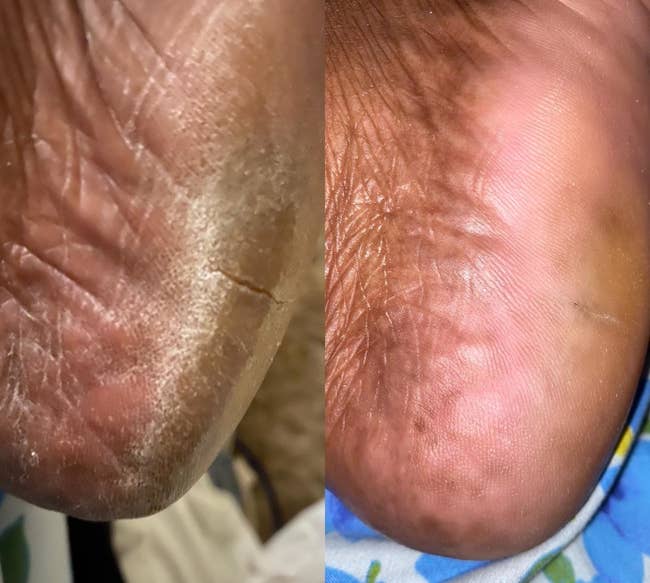
- Erosion of Brand Loyalty to Luxury Labels: As consumers experience comparable—and often superior—results from $10 to $20 pharmacy and e-commerce brands, the justification for purchasing luxury-tier skincare ($100+) is steadily declining.
- Demand for Radical Transparency: Buyers are increasingly ingredient-literate. They evaluate products based on active concentrations (e.g., percentage of glycolic acid, presence of encapsulated retinol) rather than packaging aesthetics or brand heritage.
- The Rise of Digital Word-of-Mouth: Traditional gatekeepers of beauty trends (magazine editors, luxury advertising campaigns) hold less sway than peer-to-peer recommendations backed by photographic evidence of efficacy.
Conclusion
Whether it is a $7 tube of cuticle oil that reverses years of nail damage, a $13 hydrocolloid nose patch that clears stubborn sebaceous filaments overnight, or a $15 night cream that acts as a skin barrier savior, the modern consumer is armed with more efficacious, budget-friendly options than ever before. While users may playfully attribute these transformations to "sorcery" or "wizardry," the underlying reality is clear: science-backed formulation combined with democratic pricing has permanently altered what we expect from our daily routines.