Comments Off on Fujifilm Reinvents Palm-Sized Photography with the Instax Pal 2: A Blend of Digital Versatility and Retro Charm
By Tech & Photography Desk Published September 2026
Main Facts
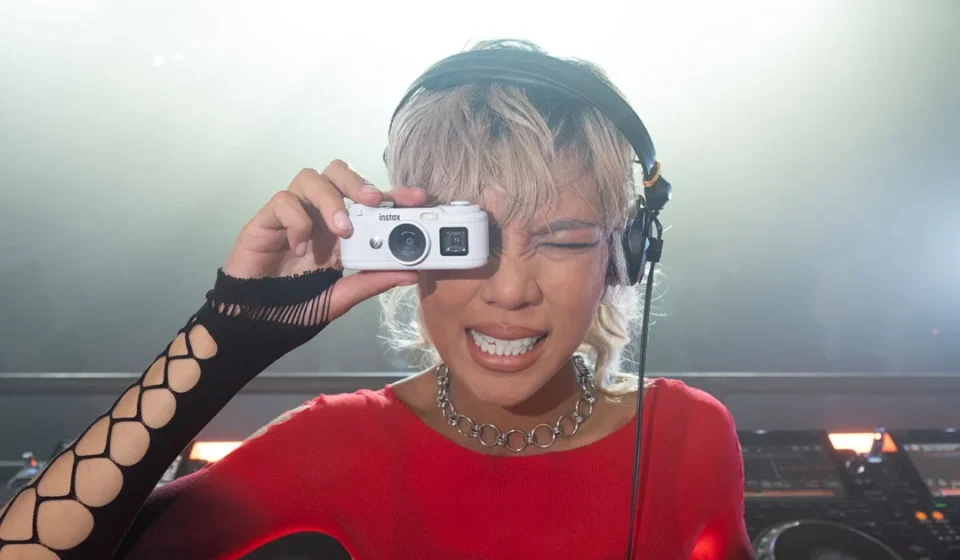
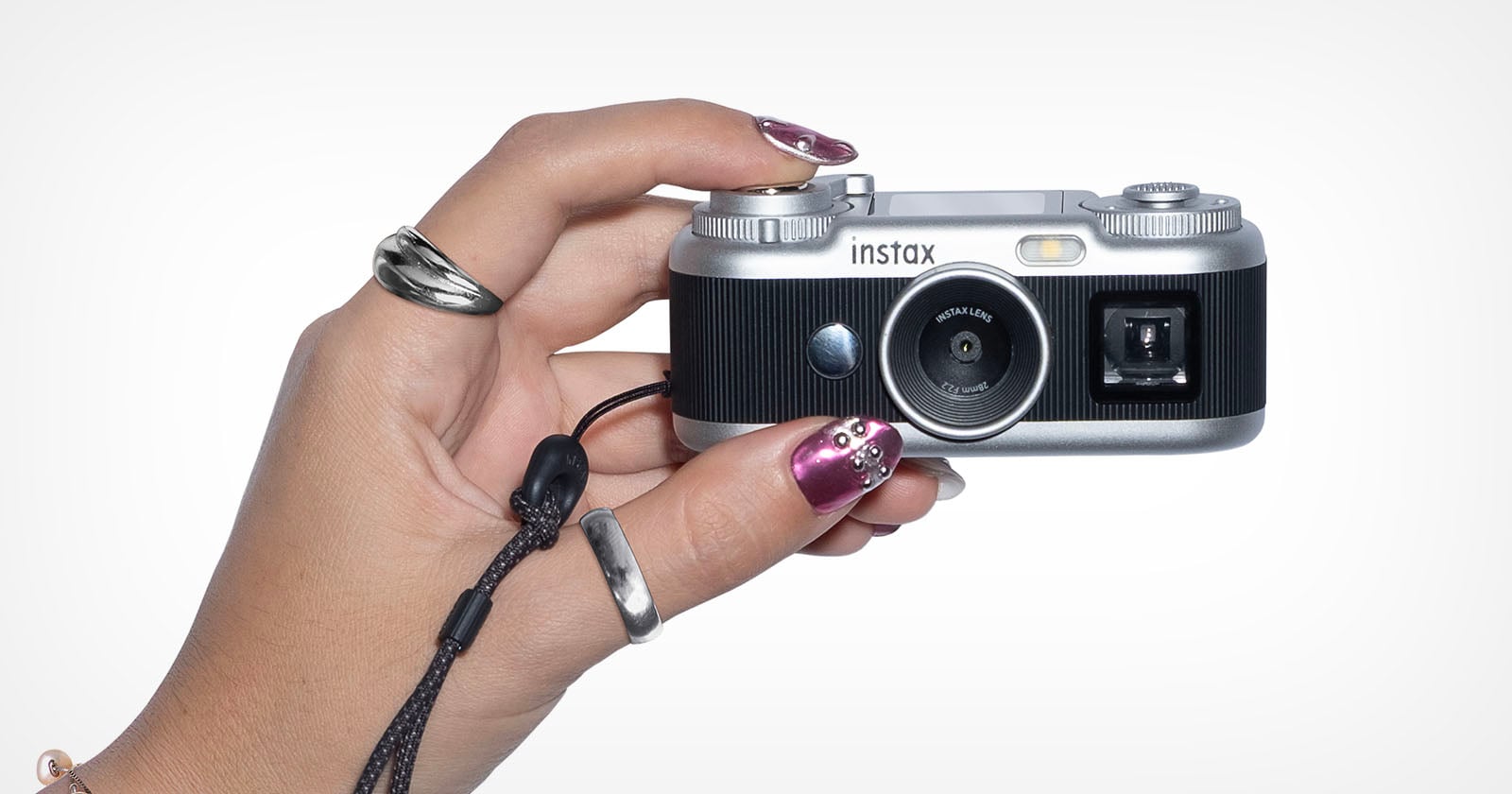
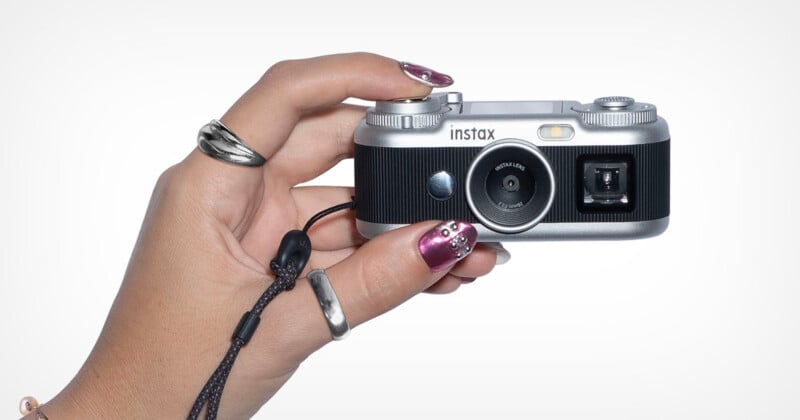
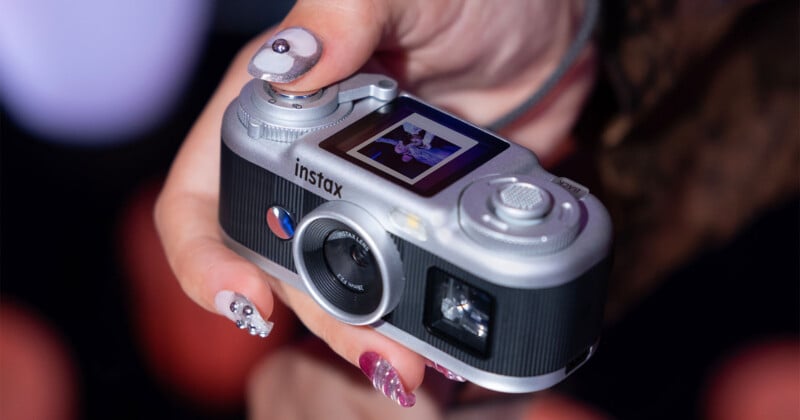
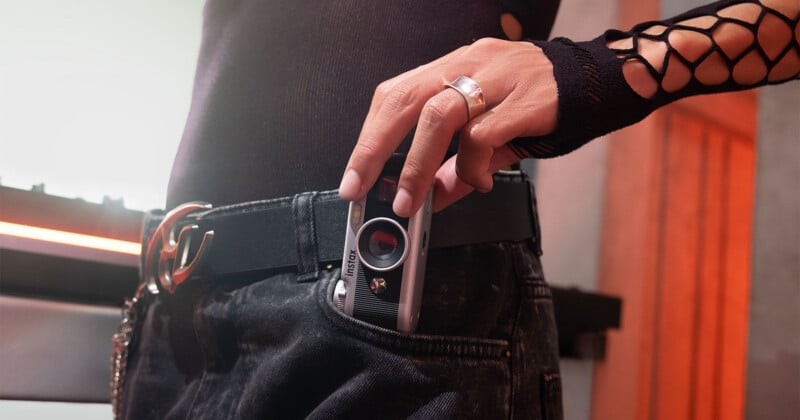
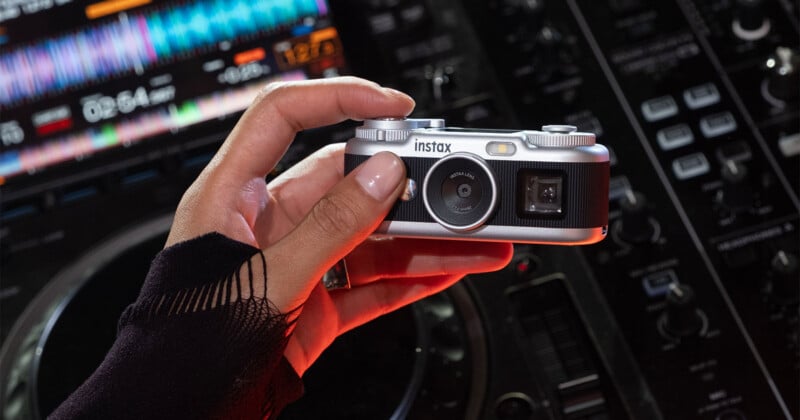
Fujifilm has officially announced the global launch of the Instax Pal 2, a revolutionary update to its unique palm-sized digital camera lineup. Moving away from the unconventional, circular aesthetic of its predecessor, the Instax Pal 2 adopts a squat, miniaturized vintage film camera silhouette designed to appeal directly to the modern retro-aesthetic market.
While the device remains strictly digital—meaning it does not instantly spit out physical analog film like traditional Instax models—it bridges the gap between digital snapshots and physical printing better than ever before. Key upgrades include a built-in optical viewfinder, a top-mounted framing screen, a dedicated shutter release button, creative filter effects, and an all-new "Animation" shooting mode that strings together 10 frames into a flipbook-style dynamic capture.
Retaining compatibility with the companion Instax Pal app, the camera allows users to shoot remotely via Bluetooth, transfer files seamlessly, and print wirelessly through compatible Instax smartphone printers or Evo hybrid cameras. Furthermore, the Pal 2 introduces unprecedented versatility within the Instax ecosystem: users can dynamically switch between Instax Mini, Instax Square, and Instax Wide digital formats, complete with custom borders, texts, and stickers managed via the app.
Scheduled to hit shelves later this month, the Instax Pal 2 will be available in classic black and white colorways, priced at $169.95 USD and $219.99 CAD.
Chronology: From the Original Experiment to the Pal 2
The 2023 Genesis: The Original Instax Pal
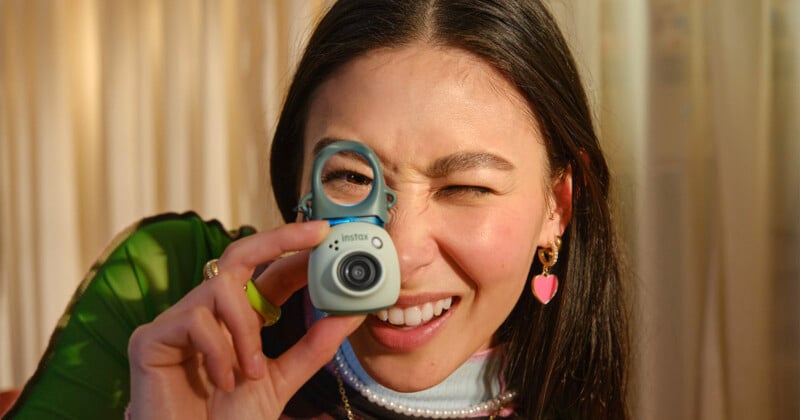
When Fujifilm originally introduced the first-generation Instax Pal, it baffled a segment of the consumer photography market. Released as a pocket-sized, orb-shaped digital gadget, it operated outside the traditional instant film paradigm. It lacked an onboard printer, lacked a physical viewfinder, and featured an eccentric design that made buyers wonder if it was a toy, a lifestyle accessory, or a genuine photographic tool. While niche communities embraced its hyper-portable workflow, mainstream adoption was mixed due to its steep learning curve and unconventional handling.
Gathering Global Feedback (2024–2025)
Recognizing the polarizing nature of the first iteration, Fujifilm embarked on a multi-year product research campaign. Rather than abandoning the concept of a standalone, non-printing digital Instax accessory, the company listened closely to user critiques. Complaints regarding the lack of optical framing tools, slippery ergonomics, and limited standalone functionality without a smartphone became the primary roadmap for the engineering team developing the next-generation device.
The September 2026 Reveal
Fujifilm officially pulled back the curtain on the Instax Pal 2, revealing a complete structural overhaul. Ditching the circular shell of the original, the Pal 2 borrows architectural cues from classic mid-century analog rangefinders. By incorporating an optical viewfinder, physical top-display panels, and a revamped software suite featuring the Animation mode, Fujifilm positioned the Pal 2 not merely as an app accessory, but as a standalone daily carry camera.
Supporting Data & Technical Specifications
To fully understand how the Instax Pal 2 diverges from its predecessor, it is essential to examine its core specifications, pricing matrix, and ecosystem integration:
Form Factor & Design: Miniaturized, squat analog-inspired build featuring a prominent mechanical-style shutter release and a built-in optical viewfinder.
Storage & Connectivity: Equipped with an onboard microSD card slot for expanded physical media storage, alongside low-energy Bluetooth for seamless pairing with iOS and Android devices.
Shooting Modes: Standard single-shot mode, remote app-triggered shutter capability, and the newly introduced Animation Mode (captures a burst of 10 consecutive frames rendered into a sequential, flipbook-style animation format).
Format Flexibility: Allows users to digitally toggle between classic Instax Mini, Instax Square, and Instax Wide compositions, alongside customizable frameless digital crops.
Ecosystem Integration: Fully compatible with the downloadable Instax Pal companion app (for filters, text overlays, and digital stickers) and capable of instant wireless transmission to all Instax smartphone printers and Evo hybrid cameras.
Pricing & Availability:
United States: $169.95 USD
Canada: $219.99 CAD
Release Date: Late September 2026
Colorways: Classic Black and Clean White
Official Responses and Executive Insights
The corporate strategy behind the Instax Pal 2 centers heavily on user-driven iteration and acknowledging the quirks of the original design.
Addressing the media during the product announcement, Bing Liem, Division President of the Imaging Division at Fujifilm North America Corporation, offered candid insight into the evolution of the product line:
"When we introduced the original Pal in 2023, some consumers weren’t sure what to make of it. Its uniqueness wasn’t for some, while others felt it was a perfect go-anywhere camera and loved the overall image-making process that makes Pal different from other cameras."
Liem emphasized that the development of the second-generation model was heavily dictated by consumer dialogue:
"When designing Pal 2, we gathered extensive customer feedback on the original Pal. And with its new look, reminiscent of a classic analog camera, complete with an optical viewfinder, and the ability to send/post images digitally or print images via Instax smartphone printers or any of our Evo hybrid cameras, Pal 2 puts options in the palm of your hand."
Industry analysts note that Fujifilm’s willingness to pivot design languages while retaining the core concept of a digital "fun camera" demonstrates a deep understanding of Gen Z and millennial consumer trends, where tactile, nostalgic tech accessories continue to dominate sales charts.
Implications for the Instant and Casual Photography Market
The release of the Fujifilm Instax Pal 2 carries significant implications for both the portable digital camera market and the broader instant film ecosystem.
1. Re-Defining "Pocket Photography"
In an era dominated by high-end smartphone photography, dedicated compact digital cameras have experienced a massive renaissance. Consumers are actively seeking out "dumbed-down" or restriction-focused digital cameras that pull them away from endless notifications and allow for pure, distraction-free shooting. By trading the slick glass back of a smartphone for a physical optical viewfinder and a squat, tactile body, the Instax Pal 2 taps directly into this psychological desire for intentional analog-style shooting without the recurring cost of ruined physical film.
2. Boosting the Instax Hardware Ecosystem
While the Pal 2 does not print photos on its own, it acts as a strategic gateway drug for the wider Instax ecosystem. By allowing users to easily beam digital captures to Instax Link smartphone printers or Instax Evo hybrid cameras, Fujifilm has created a symbiotic loop. Users can shoot freely and cheaply on a microSD card, curate their favorite shots inside the app, and selectively print only the keepers onto premium Instax physical film. This workflow dramatically reduces the financial barrier to entry for casual users who might otherwise be intimidated by the cost of traditional instant film packs.
3. The Democratization of Film Formats
Historically, users who loved the square aesthetic had to buy a Square camera, while Mini fans were locked into the credit-card-sized format. The Instax Pal 2 radically alters this dynamic by letting creators toggle between Mini, Square, and Wide compositions digitally. This flexibility empowers content creators and scrapbookers to preview how their compositions will look across different physical film dimensions before committing to a final print layout.
As the Instax Pal 2 rolls out globally later this month, it stands as a testament to Fujifilm’s ability to listen to its user base, correct missteps, and double down on the joyful, tactile experience of image-making. Whether it wins over skeptics of the original experiment remains to be seen, but its refined ergonomics and expanded format choices ensure it will be one of the most talked-about pocket gadgets of the year.