The Architect of Creativity: A Comprehensive Guide to Designing Your Perfect Craft Room

Whether you are a hobbyist refining your technique on weekends or a professional artisan running a full-time business, the physical environment in which you create is just as important as the materials you use. A dedicated craft room is not merely a storage space for supplies; it is a sanctuary designed to facilitate "flow," the mental state of deep immersion where productivity and creativity collide.
As the home office has become a staple of modern architecture, the "craft room" has evolved from a simple basement corner into a highly engineered, bespoke workspace. Transforming a spare bedroom or an underutilized basement into a functional studio requires a blend of ergonomic science, organizational strategy, and personal aesthetic.
The Fundamentals: Planning Your Creative Workspace
Before selecting paint swatches or shelving units, you must conduct a rigorous assessment of your craft’s specific requirements. Building a functional studio is a multi-step process that begins with infrastructure and ends with aesthetic refinement.
Defining Your Workflow
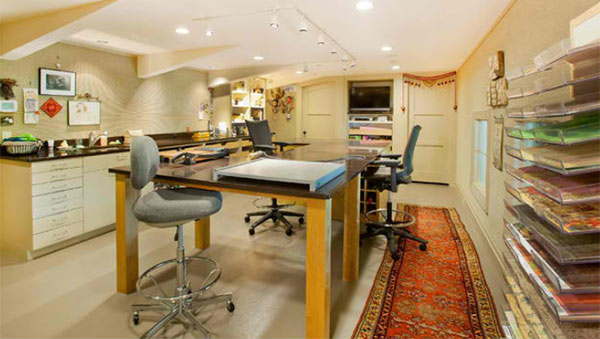
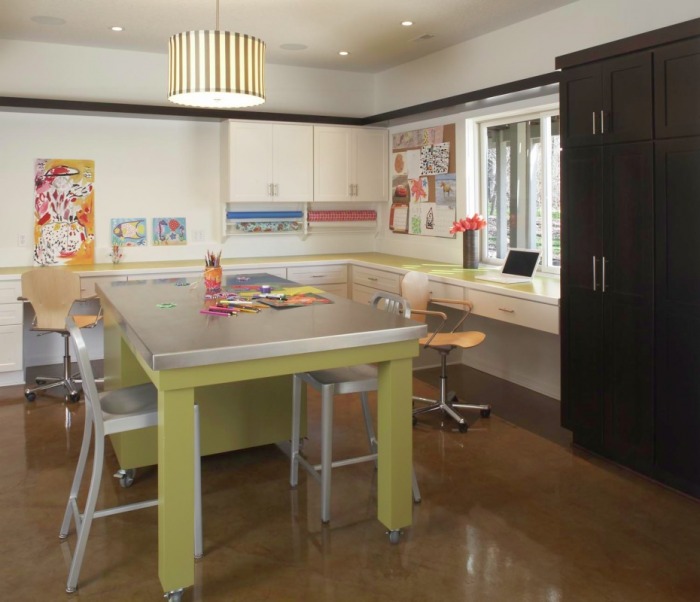
The first step in your design chronology is evaluating your physical movement. If your craft is knitting or illustration, you may only require a compact, highly organized nook. However, if your work involves large-scale projects, such as garment sewing, woodworking, or painting, you must prioritize floor space and a large, unobstructed central work surface.
Key Considerations for Initial Setup:
- The "Work Triangle": Borrowed from professional kitchen design, ensure that your primary tools, storage, and waste bins are within a pivotable distance to minimize wasted movement.
- Ergonomics: Are you a "sitter" or a "stander"? For long-term health, consider an adjustable-height standing desk. The height of your chair or stool must align perfectly with your primary work surface to prevent musculoskeletal strain.
- Utility Integration: Electrical outlets should be planned in advance. Installing outlets beneath upper cabinets or along the perimeter of a central island prevents the hazard of trailing power cords across the floor.
Lighting: The Silent Productivity Partner
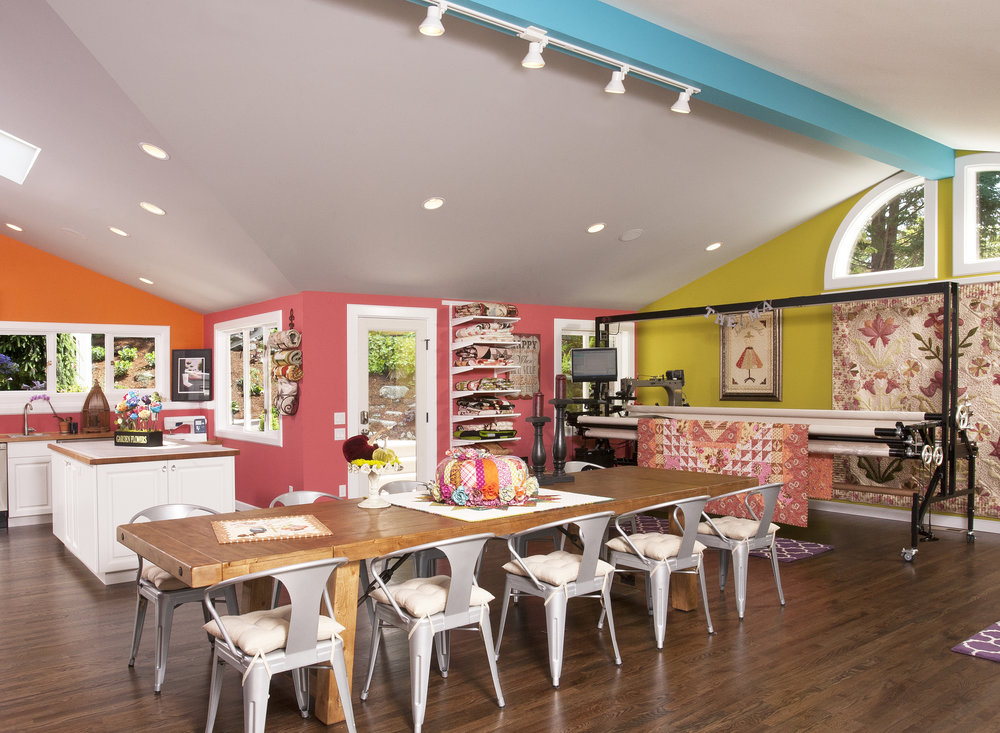
Lighting is the most critical element of a functional studio. If you are fortunate enough to have a room with natural light, maximize it by avoiding heavy, opaque window treatments. Use sheer curtains or automated blinds that can filter light to reduce glare on sensitive materials.
When natural light is insufficient, employ a layered lighting strategy:
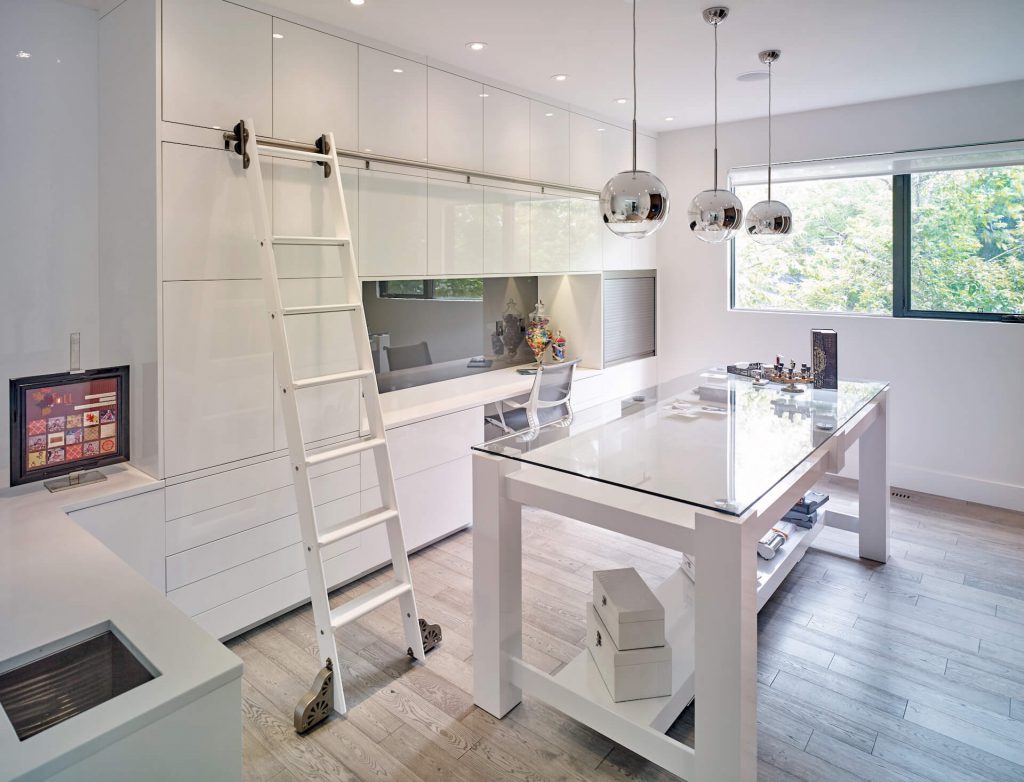
- Ambient Lighting: General overhead lights to illuminate the entire room.
- Task Lighting: Directional spotlights or adjustable desk lamps that allow for high-precision work.
- Color-Corrected Bulbs: Use "daylight" spectrum bulbs (around 5000K) to ensure that colors appear accurate—a critical factor for painters, quilters, and designers.
Organizational Architecture: Systems for Success
The hallmark of a professional-grade craft room is its storage system. A cluttered space leads to a cluttered mind, yet many crafters fear that excessive organization will stifle their spontaneity. The secret lies in "visible, accessible, yet contained" storage.
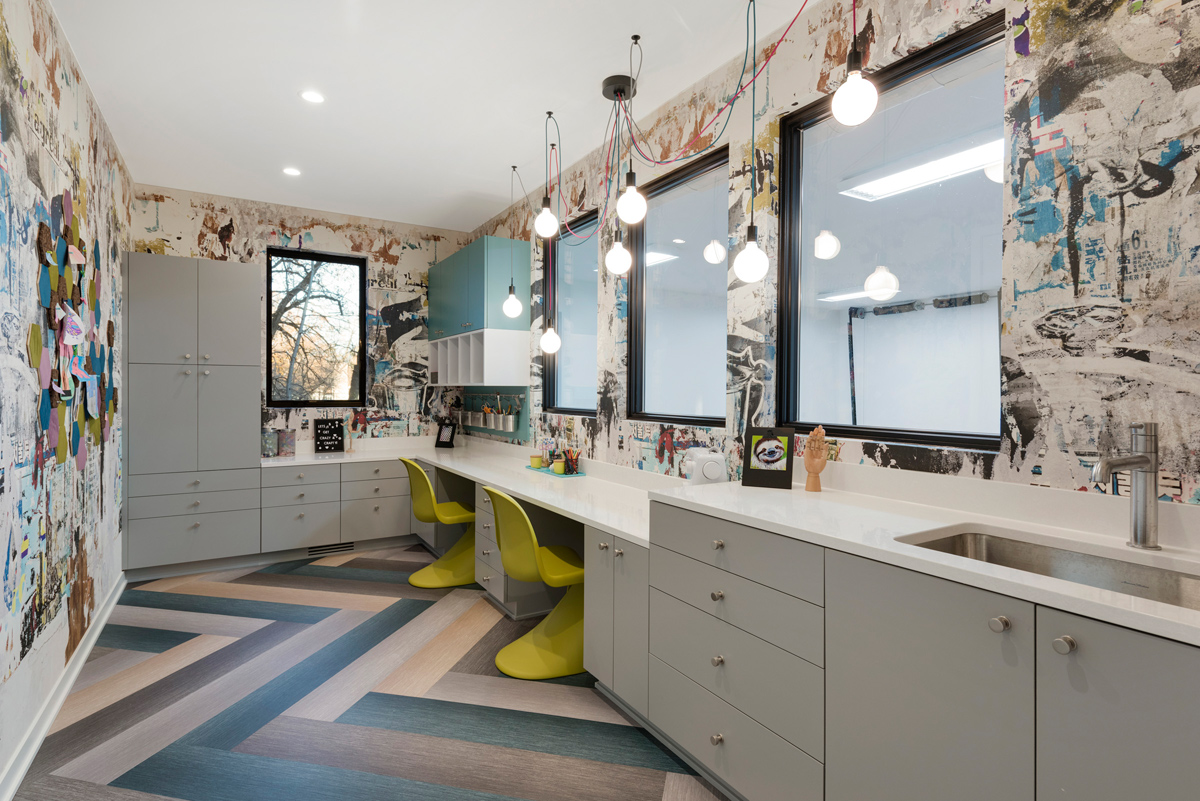
The Storage Hierarchy
- Frequent Use: Tools used daily should be kept on open shelving or within clear, modular containers. Visual access reduces the "search time" that breaks your creative focus.
- Infrequent Use: Seasonal items or bulk inventory should be relegated to closed cabinets. This keeps the visual landscape of the room calm and professional.
- Zoning: If you practice multiple crafts, divide the room into "zones." A sewing station, for example, should house all thread, pins, and fabric in a singular radius. Never store sewing supplies in the same drawer as heavy-duty hardware or glues.
Material Management
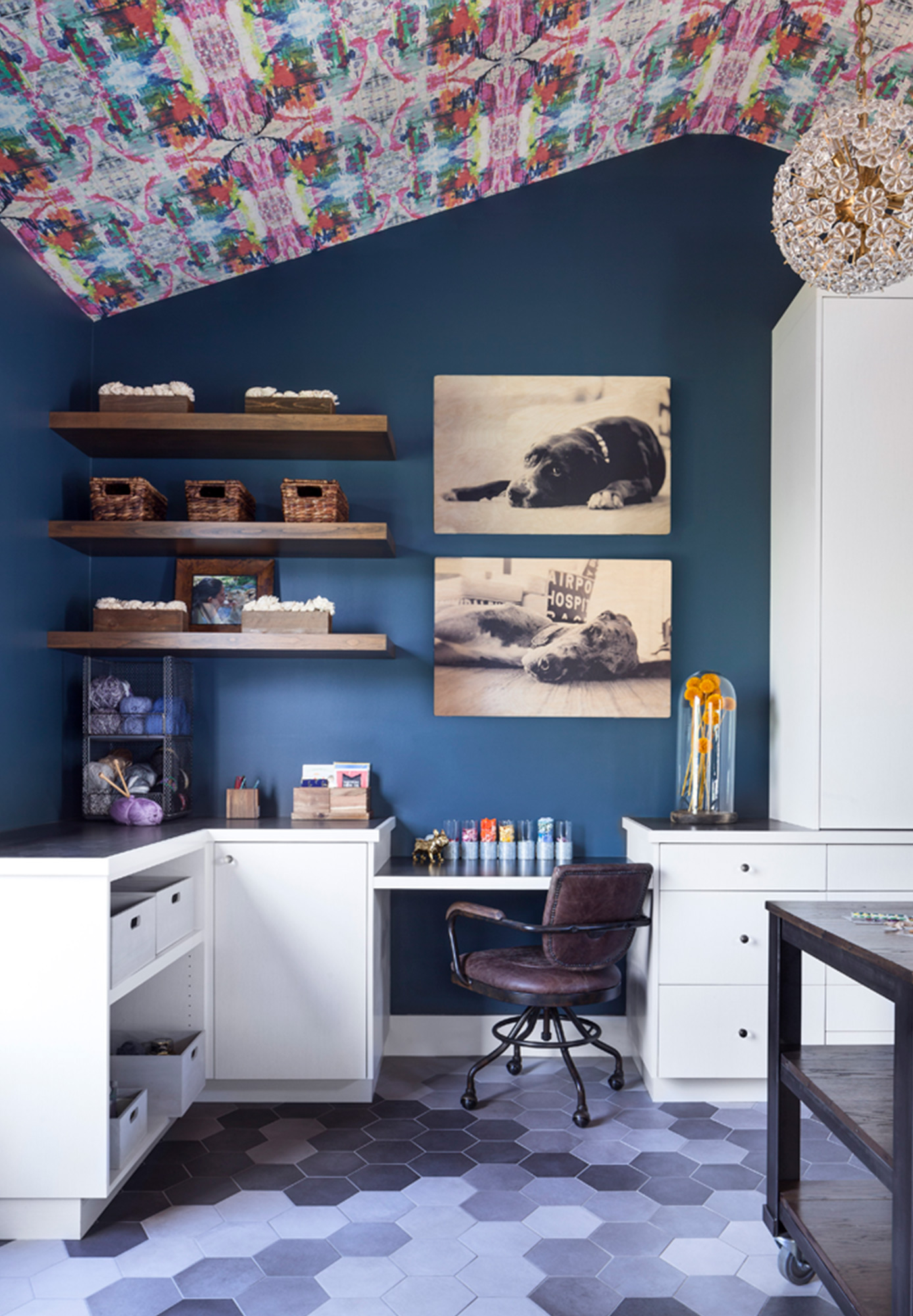
Small items like beads, needles, or buttons are the primary culprits of workspace chaos. Utilize shallow, custom-fit drawers to keep these items from migrating. For larger textiles or papers, consider rolling carts that can be tucked away when not in use. Remember: if it doesn’t have a labeled home, it will inevitably become clutter.
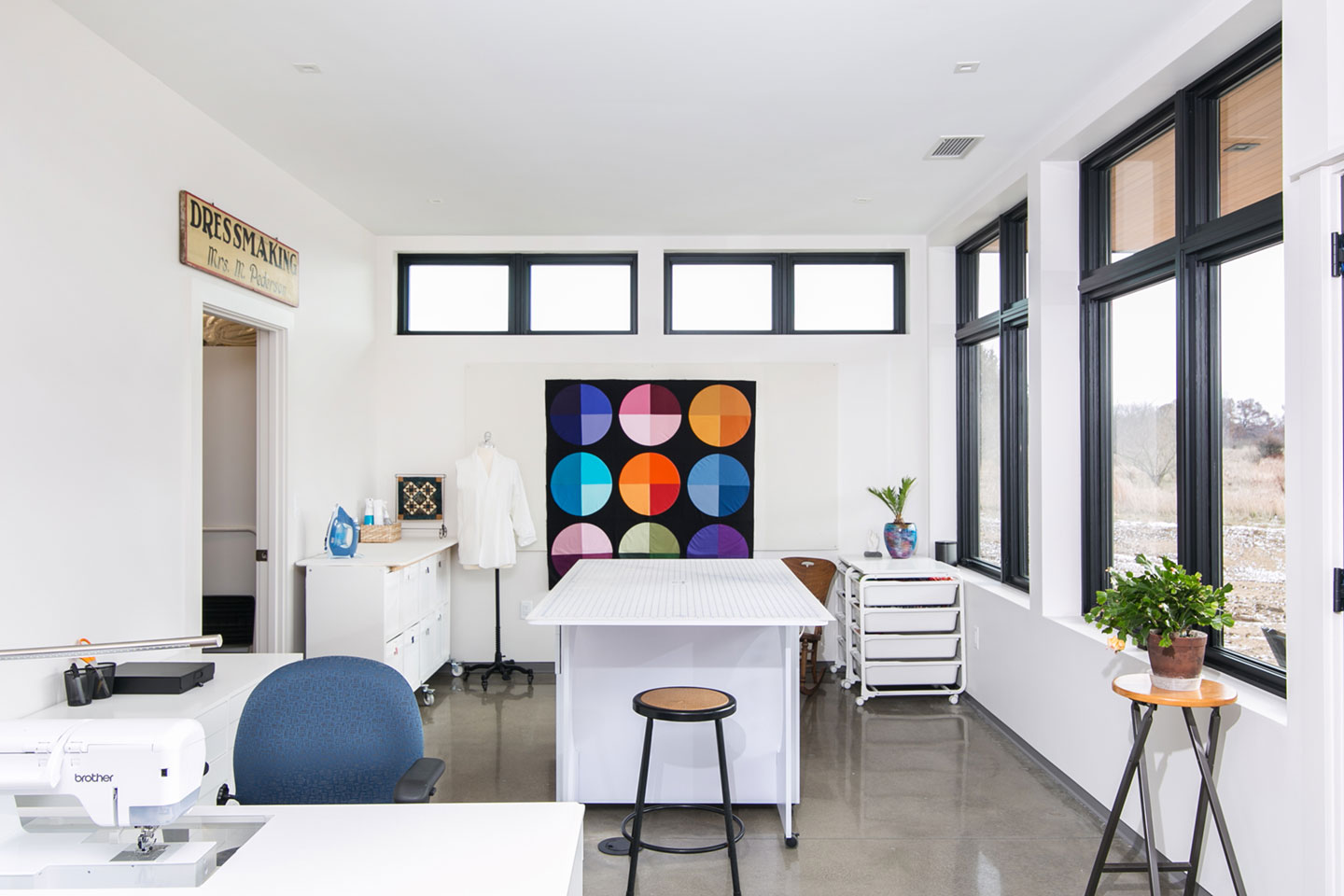
Architectural Implications: Choosing a Style
The aesthetic of your room should be an extension of your personality. While functional requirements are universal, the "vibe" of your studio can significantly impact your creative output.
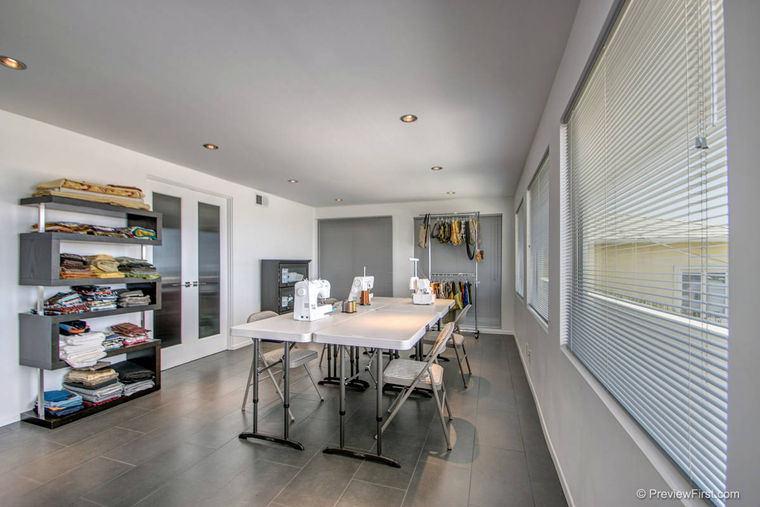
The Contemporary Aesthetic
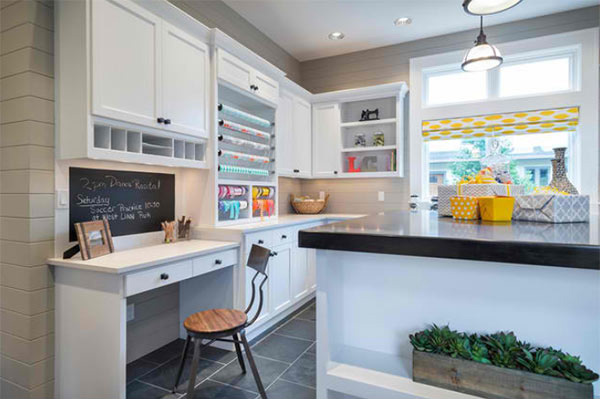
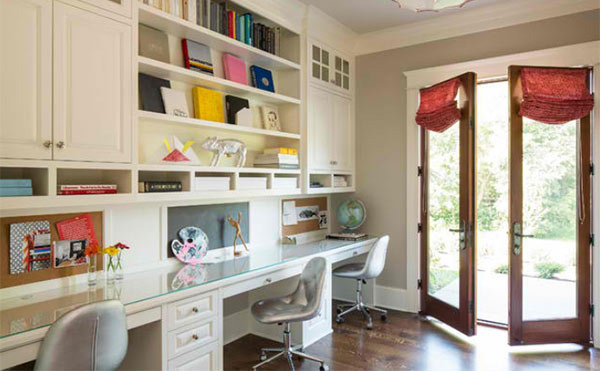
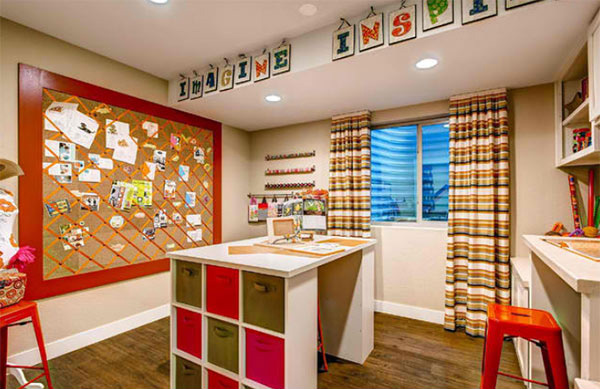
Contemporary design focuses on clean lines and future-proof functionality. Many contemporary studios, such as those seen in the Bywood Street Residence, favor long, shared desk spaces with marbled countertops and integrated cabinetry. The goal here is a seamless blend between home living and professional production. Key features often include wall-mounted blackboards for task tracking and smart, hidden storage that keeps the workspace looking like a kitchen island rather than a cluttered workshop.
The Eclectic Approach
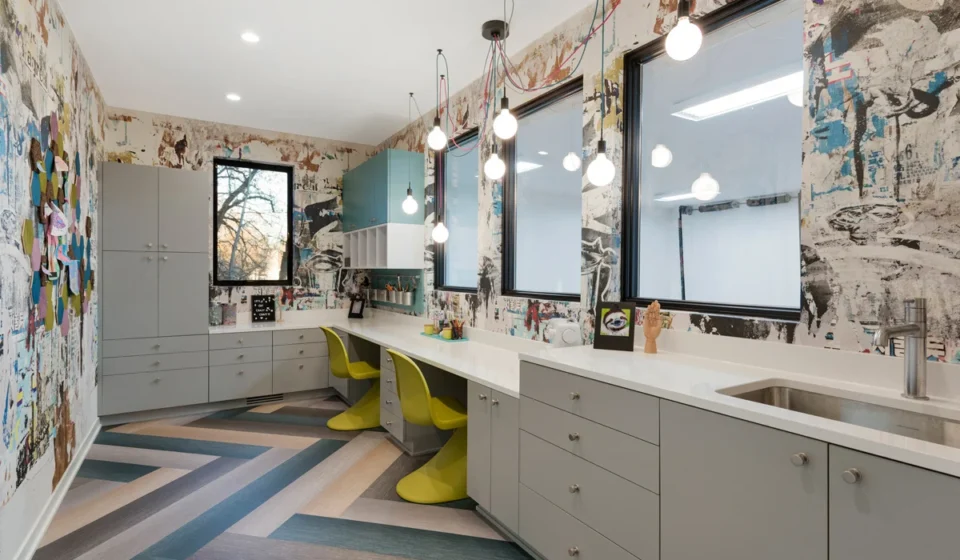
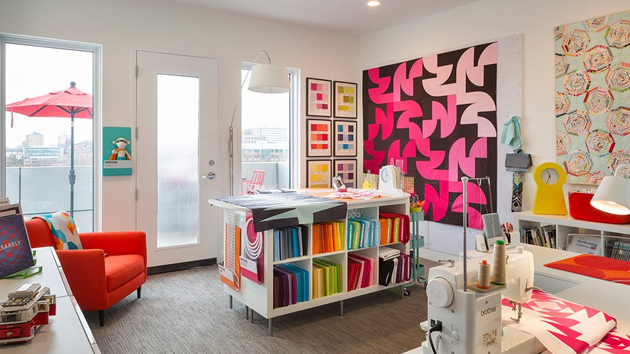
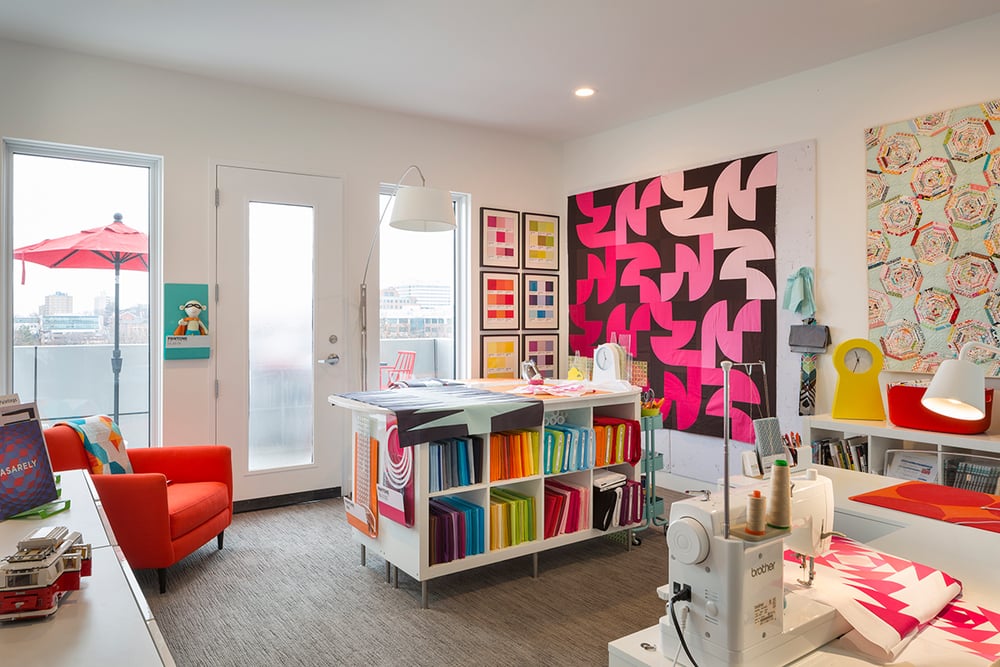
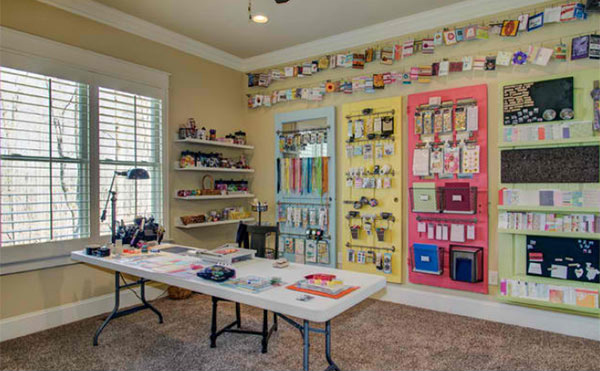
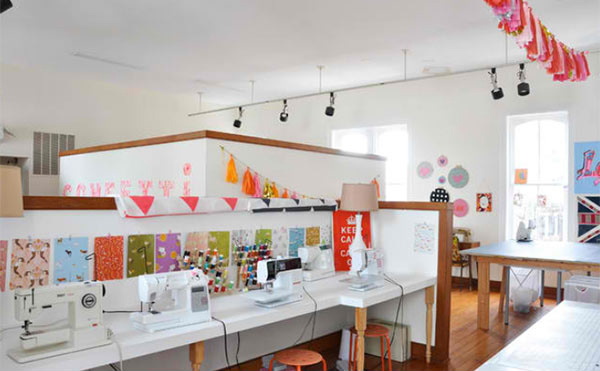
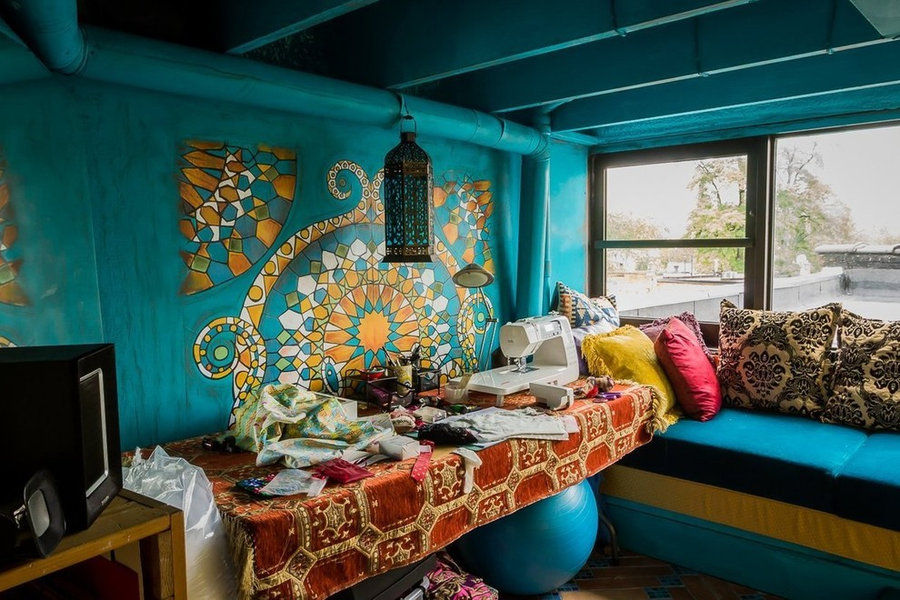
For the bold creator, eclectic design is a rejection of the mundane. These spaces often feature high-contrast color palettes, such as the Little Pincushion Studio, where raw materials like craft paper and fabric are hung as decor. The implication here is that the room itself is a canvas. By using open shelving to display colorful spools and vibrant mood boards, the environment actively inspires the user.
Modern and Minimalist Paradigms
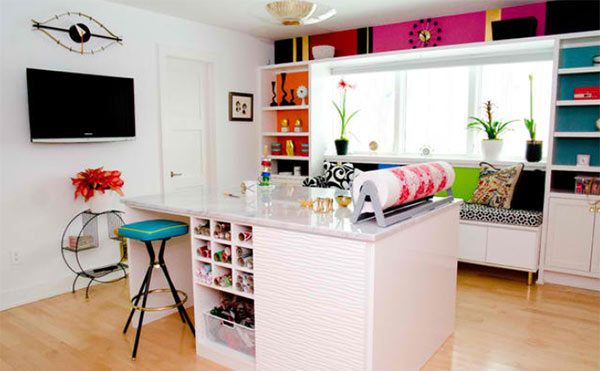
Modern design is defined by its warmth, utilizing neutral tones and natural textures to create a serene environment. The Eastern Point Vista project serves as a prime example, using high-quality woods like teak and mahogany to craft a space that feels more like a private library than a workroom. Minimalist studios, conversely, strip away all visual noise. By using monochromatic color schemes and hiding all supplies behind opaque doors, these rooms provide a "blank slate" that prevents visual overstimulation.
Traditional and Rustic Character
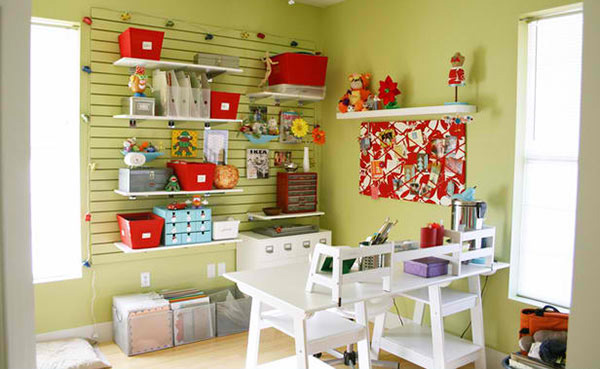
Traditional craft rooms are often characterized by ornate millwork and rich, dark wood floors. These spaces lean into elegance, often featuring chandeliers and custom-built desks that mirror the architecture of the rest of the home. The Rustic style, however, prioritizes comfort through the use of reclaimed timber and eucalyptus flooring. These spaces feel "homely"—the ultimate goal for a creator who spends long hours in their studio.
Supporting Data: The Impact of Environment on Craft
Studies in workspace psychology suggest that the physical organization of a room directly correlates to "cognitive load." When a room is poorly organized, the brain spends a significant amount of energy managing the visual chaos, leaving less "bandwidth" for the actual creative task.
- Flow States: A study on interior environments indicates that rooms with a mix of natural light and adjustable task lighting increase "time-on-task" by up to 25%.
- Ergonomic ROI: Investing in high-quality, height-adjustable furniture reduces the risk of repetitive strain injuries, allowing for a longer, more sustainable career in one’s chosen craft.
Official Responses and Expert Insights
Interior designers specializing in home studios emphasize that a craft room should never be static. "A great craft room grows with the artist," says one leading design consultant. "The most successful spaces are those that incorporate modular furniture. Today, you might need a large table for quilting; tomorrow, you might need a vertical pegboard for tool organization. If your furniture is fixed, your creativity will eventually hit a wall."
Furthermore, builders note that when remodeling basements or attics into craft spaces, moisture control and ventilation are paramount—especially if your work involves solvents, paints, or dust-producing materials. Professional air filtration and proper HVAC integration are as important as the aesthetic finish.
Conclusion: The Path Forward
Building a craft room is an investment in your own potential. By meticulously planning your lighting, choosing an organizational system that matches your workflow, and selecting an aesthetic that fosters your unique brand of creativity, you transform a simple room into a powerhouse of productivity.
Whether you choose the sleek, futuristic lines of a contemporary studio or the warm, reclaimed-wood embrace of a rustic retreat, the ultimate goal remains the same: to create a space that says "work happens here." As you embark on your own design project, remember that the best craft room is one that makes you want to enter it every single day. Start small, prioritize function, and let your personal style fill in the gaps. Your next masterpiece is waiting for the perfect environment to emerge.