
The Evolution of Connectivity: Analyzing Meetup’s Strategic Shift to a Tiered Subscription Model

On October 11, 2024, Meetup—the global platform synonymous with community building and local networking—implemented a significant restructuring of its service model. The company announced that several previously accessible features would now be restricted exclusively to "Meetup+," the platform’s premium subscription tier. This shift represents a pivotal moment in the history of the social networking giant, reflecting broader industry trends where digital platforms are increasingly moving toward monetized, gated experiences to ensure long-term sustainability and feature development.
Main Facts: The Core of the Transition
The core of this update centers on the classification of user features. While the foundational mission of Meetup remains the facilitation of real-world gatherings and interest-based groups, the "Advanced" feature set has been cordoned off behind a paywall.
As of the October launch, users seeking full transparency and communication capabilities are now encouraged to enroll in a Meetup+ plan. These plans are structured across weekly, monthly, and annual billing cycles, providing users with flexibility depending on their level of platform engagement. The changes, which took effect immediately on the Meetup website, were scheduled for a progressive rollout across iOS and Android applications throughout the weeks following the announcement.
The primary features migrated to the Meetup+ tier include:
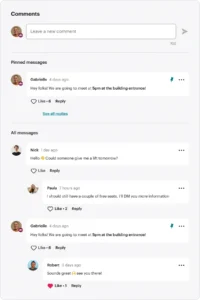
- Direct Messaging: Enhanced communication tools between members.
- Waitlist Management: Priority access or visibility for high-demand events.
- Detailed Attendee Lists: Greater transparency regarding who is participating in specific groups or events.
- Advanced Profile Insights: Expanded visibility into user backgrounds and group interactions.
Chronology: A Timeline of Change
The transition did not occur in a vacuum. For months, the platform’s development team had been signaling a shift toward a more robust subscription-based infrastructure.
- Pre-October 2024: Meetup operated on a model where the majority of social features were open to all registered users, with monetization primarily driven by group organizer fees.
- October 11, 2024: The "go-live" date for the new tiered structure. The company simultaneously published a detailed FAQ and official blog post to mitigate user confusion.
- October 11–18, 2024: The phased rollout period. During this window, the Meetup engineering team worked to push updates to mobile application stores, ensuring that the feature restrictions were synchronized across desktop and mobile interfaces.
- November 8, 2024: The company issued a final documentation update, refining its support articles to address common user queries and feedback gathered during the initial month of the rollout.
Supporting Data: Why the Shift Matters
To understand why Meetup made this decision, one must look at the economics of social platforms in the current decade. The "free-for-all" era of social networking—fueled largely by venture capital and advertising revenue—has faced significant headwinds.
Meetup identified that its user base primarily falls into two categories: the "Casual Explorer" and the "Power User."

- The Casual Explorer: These users utilize the platform to discover events, attend local meetups, and remain part of the community without necessarily needing to manage complex communications or view granular participant data. For this segment, the platform remains free.
- The Power User: These individuals, often organizers or deeply active community members, rely on Meetup for networking, logistical coordination, and detailed member outreach.
By segmenting these groups, Meetup is effectively attempting to align the value provided by the platform with the revenue required to sustain it. According to the company’s internal analysis, the vast majority of members’ core needs—such as browsing events, RSVPing to gatherings, and discovering new groups—remain unaffected by the new paywall, ensuring that the platform’s primary mission of fostering human connection is not compromised for the average user.
Official Responses and Strategic Rationale
In its official communication, the Meetup team emphasized that the change was designed to create a "more powerful Meetup experience" for those who choose to subscribe. The company framed this as a necessary evolution, stating that the plans should reflect the diverse ways individuals use the platform.
"We believe that the plans we offer to our members should reflect the different ways individuals use the Meetup platform," the company stated in its official documentation. By isolating the most "powerful tools" for subscribers, Meetup is betting that the professional and social benefits of features like direct messaging and attendee list transparency are worth the cost of a subscription for their most loyal users.
Critics might argue that this reduces the "social" nature of the platform, but the company contends that the subscription revenue allows them to invest back into the platform’s infrastructure, security, and feature set. This investment is crucial in an era where data privacy and community safety—features often managed through better administrative tools for organizers—are at the forefront of digital product design.
Implications for the User Experience
The implications of this move are significant for both individual members and group organizers.
The Impact on Community Dynamics
The restriction of direct messaging and attendee lists is perhaps the most controversial aspect of the update. Historically, these features were the "connective tissue" of the Meetup experience. By placing them behind a paywall, the company is effectively limiting the serendipitous networking that previously characterized the platform. However, the company argues that this will reduce spam and improve the quality of interactions by ensuring that only committed members have access to the full suite of communication tools.
The Financial Burden on Power Users
For organizers, the shift is a double-edged sword. While it may increase the quality of engagement within their groups, it also places a potential financial burden on their members. Organizers now have to navigate the fact that some of their members may not be able to participate in the "advanced" aspects of the group’s activity without a subscription.

The Competitive Landscape
Meetup is operating in a competitive environment where platforms like Discord, Facebook Groups, and specialized professional networking apps are constantly vying for user attention. By introducing Meetup+, the platform is essentially positioning itself as a premium service. Whether this leads to a "premium" experience that justifies the cost remains to be seen. If the platform continues to provide value through high-quality events and robust community management tools, the subscription model will likely succeed. If, however, the gating of features is perceived as a degradation of the community, users may migrate to free alternatives.
Looking Ahead: The Future of Meetup+
The introduction of Meetup+ is not just a change in billing; it is a fundamental shift in the company’s business model. As we move into 2025, the success of this strategy will be measured by two key metrics: user retention and the conversion rate of free users to the premium tier.
For those concerned about the changes, the company has provided a wealth of information in their dedicated support portal. The FAQs cover everything from subscription management to the specific nuances of the new, gated features.
Ultimately, the goal of this transition is long-term viability. As digital landscapes become increasingly cluttered with advertising and data-mining operations, Meetup is choosing a path of direct user funding. While this inevitably creates a barrier to entry for some of the platform’s more advanced features, it may also provide a more stable, focused environment for those who find genuine value in the communities they build and join.
Whether this move will be remembered as a masterstroke of monetization or a misstep in community engagement remains to be seen. However, one thing is certain: the era of the "unlimited" free social platform is rapidly drawing to a close, and Meetup is one of the latest, and most prominent, examples of a legacy platform adapting to the new reality of the internet economy.
For more information on these updates, members are encouraged to visit the official Meetup Support Center.