The Art of Omotenashi: Why Kyomisanso Hanajukai Defines the Modern Ryokan Experience

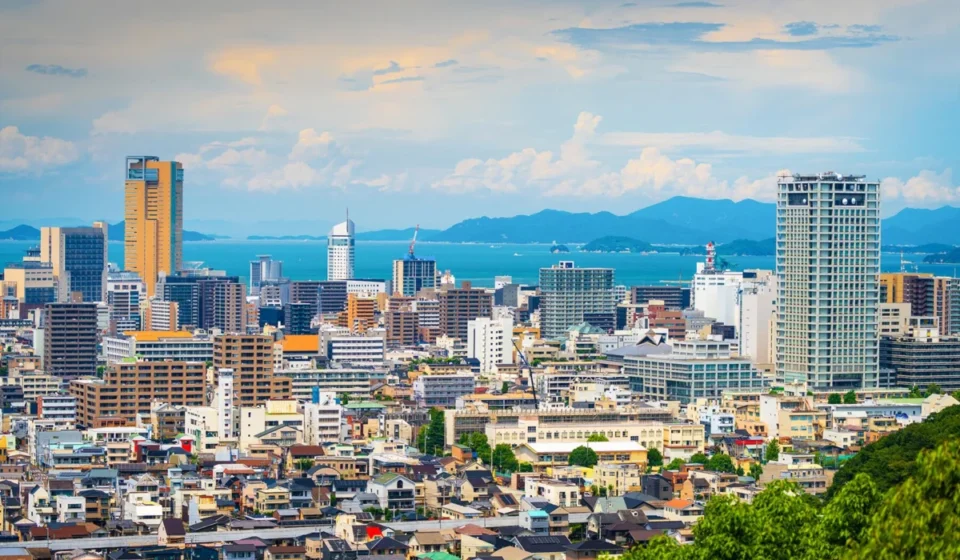
In the fast-paced world of global travel, where efficiency often supersedes authenticity, Japan remains a sanctuary for those seeking the profound grace of omotenashi—the Japanese philosophy of wholehearted hospitality. While Tokyo’s skyscrapers and Kyoto’s temples draw millions, the true soul of Japanese travel is often found in the quiet, sequestered corners of the country. One such gem is Kyomisanso Hanajukai, located in Takamatsu, a coastal city on the island of Shikoku. Here, the traditional ryokan experience is not merely an overnight stay; it is an immersive journey into the sensory and aesthetic heritage of Japan.
The Essence of the Ryokan: More Than Just a Hotel
To understand the significance of Kyomisanso Hanajukai, one must first appreciate the cultural weight of the ryokan. Unlike Western-style hotels that prioritize anonymity and standardized luxury, the ryokan is designed to be an extension of the local environment and culture. Since the Edo period, these establishments have served as waystations for travelers, offering a respite that integrates tatami mats, futon bedding, and, most crucially, the onsen (thermal bath) culture.
Kyomisanso Hanajukai represents a masterclass in this tradition. Perched with a commanding view of the Seto Inland Sea, the property manages a delicate balance: it honors the rigid protocols of historic Japanese hospitality while incorporating the modern amenities that today’s global travelers demand. The result is a destination that feels both timeless and impeccably maintained.
Chronology: A Morning at Hanajukai
To truly grasp the allure of this establishment, consider a standard morning in the life of a guest. The experience begins before dawn.
05:30 AM: As the first light of day begins to crest over the distant mountains, the Seto Inland Sea is cloaked in a layer of ethereal mist. From the balcony of a private room, the view is a living painting, shifting from charcoal greys to soft indigos.
06:00 AM: Guests transition to the rooftop thermal baths. These are not merely functional tubs; they are architectural features designed to dissolve the boundaries between the guest and nature. Ensconced in lush, curated greenery and natural stone textures, the water—drawn from local thermal springs—is kept at an optimal, restorative temperature.
07:30 AM: The morning concludes with a traditional breakfast. Unlike the hurried buffets of international hotel chains, the meal at Hanajukai is a measured affair. It features seasonal ingredients sourced from the Kagawa Prefecture, emphasizing the farm-to-table (and sea-to-table) philosophy that has defined Japanese cuisine for centuries.
Supporting Data: The Pillars of Japanese Hospitality
The hospitality industry in Japan is governed by a standard of excellence that is rarely matched globally. According to recent tourism surveys, the "Ryokan Factor"—the emotional satisfaction derived from traditional lodging—is the primary driver for repeat visitors to Japan.
At Kyomisanso Hanajukai, this satisfaction is maintained through three distinct pillars:
- Gastronomic Precision (Kaiseki): The hotel’s commitment to kaiseki dining is arguably its strongest asset. This multi-course dinner style is an art form. Each of the many small, colorful dishes is a reflection of the current season. By utilizing local seafood from the Inland Sea and mountain vegetables from the surrounding Shikoku highlands, the chefs ensure that a meal at Hanajukai is a literal taste of the region’s geography.
- Architectural Integration: The rooms at Hanajukai are designed to frame the landscape. By utilizing sliding shoji screens and low-profile furniture, the interior design directs the guest’s focus outward toward the horizon. The en-suite bathtubs, which remain bubbling and ready upon arrival, serve as private viewing platforms for the sunrise.
- Service Ratios: The service-to-guest ratio at top-tier ryokans is significantly higher than that of luxury Western hotels. Staff members, trained in the nuances of zarei (formal bowing) and silent service, ensure that needs are met before they are even articulated. This "anticipatory service" is the hallmark of Hanajukai.
Official Responses and Industry Recognition
In recent years, regional tourism boards in Shikoku have highlighted Kyomisanso Hanajukai as a "Gold Standard" establishment for the revitalization of the Takamatsu tourism sector. Following the global pandemic, the demand for "slow travel"—the act of spending more time in one location to experience it more deeply—has seen a sharp increase.
Local tourism officials have noted that while international travelers often flock to the "Golden Route" (Tokyo-Kyoto-Osaka), the rise of properties like Hanajukai has successfully redirected interest toward the Shikoku region. By offering a high-end, culturally immersive product, the hotel acts as a gateway for travelers to explore the rest of the Kagawa Prefecture, including the famous Ritsurin Garden and the nearby art islands.
Implications for the Modern Traveler
The implications of choosing a stay at a traditional ryokan like Kyomisanso Hanajukai extend beyond the vacation itself. It is a fundamental shift in how one interacts with the concept of "home away from home."
The Psychological Benefit of Slow Travel
Travelers who opt for the ryokan experience report lower stress levels compared to those who stay in high-rise, glass-and-steel business hotels. The use of natural materials—wood, tatami, stone—has been shown to have a grounding effect. The quietude of the Hanajukai environment encourages a digital detox, forcing guests to disconnect from their devices and reconnect with their surroundings.
The Sustainability Factor
Properties like Hanajukai are inherently more sustainable than large-scale hotel resorts. By sourcing food locally and maintaining smaller, low-impact facilities, these ryokans support the local agricultural economy and preserve regional traditions that might otherwise fade in the face of mass-market hospitality.
The Value of "Un-doing"
Perhaps the most striking implication of a stay at Hanajukai is the realization that the modern traveler often suffers from "itinerary fatigue." The hotel’s design implicitly tells the guest: You do not need to be anywhere else. By providing a view of the sea, a soak in the thermal springs, and a meal that honors the season, the hotel provides a complete experience without requiring the guest to leave the property.
Conclusion: A Lasting Impression
As the sun sets over the Seto Inland Sea, painting the sky in shades of amber and violet, the allure of Kyomisanso Hanajukai becomes clear. It is not just a place to sleep; it is a lens through which to view Japan.
For the traveler, the challenge of staying at such a place is the eventual departure. The level of comfort—the warmth of the bath, the meticulous presentation of the dinner, and the profound silence of the mountain air—creates a standard that is difficult to replicate elsewhere. It is a reminder that in our increasingly digital and frantic world, the greatest luxury remains the ability to sit still, watch the tide change, and appreciate the simple, elegant perfection of a moment in time.
Whether you are a seasoned Japan enthusiast or a first-time visitor, Kyomisanso Hanajukai offers more than just a room. It offers a portal into a tradition that has survived for centuries, refined by the hands of those who understand that hospitality is not a service, but a sacred duty. To visit is to understand the soul of Japan; to leave is to carry a piece of that serenity with you long after the journey ends.