Industry Pulse: A Wave of Executive Appointments Reshapes the Meetings and Events Landscape

The global meetings, events, and tourism sectors are experiencing a significant talent shift as major destination marketing organizations (DMOs), convention centers, and tourism boards announce a series of high-profile leadership appointments. From Nashville’s Music City Center to the offices of Visit Tucson and Brand USA, these strategic personnel moves signal a robust focus on operational efficiency, aggressive growth in the sports tourism sector, and a reinvigorated approach to international event planning.
As the industry pivots toward a post-pandemic landscape defined by smaller, high-impact meetings and the continued dominance of large-scale, multi-faceted conventions, these organizations are repositioning their leadership teams to capture new market share.
Main Facts: A Snapshot of Leadership Transitions
The current wave of industry movement reflects a deliberate effort to blend seasoned operational expertise with specialized marketing prowess.

- Visit Cincy has bolstered its sales department with the addition of Katie Clark and Kevin Kraft, aiming to capture both the small-meeting and SMERF (Social, Military, Educational, Religious, and Fraternal) markets.
- Music City Center in Nashville has introduced a dual-leadership structure with the appointment of Anthony Lopez as President, working alongside CEO Charles Starks.
- Visit Tucson is undergoing a significant expansion, bringing in four new professionals to handle executive strategy, sports, and film production.
- Brand USA has tapped Daystar Van Wagner to lead the global logistics of its international event portfolio.
- The Connecticut Convention & Sports Bureau has secured industry veteran Christopher Grosse to spearhead its sports sales and marketing efforts.
- Houston First Corporation has initiated an internal restructuring of its venue operations, promoting Todd Holloman to a senior vice president role to oversee a newly defined department.
Chronology: The Strategic Timeline of Appointments
The sequence of these announcements, unfolding throughout September 2026, highlights a synchronized effort across the travel and meetings industry to prepare for the upcoming fiscal cycles.
Early September: The movement began with regional growth in the Midwest. Visit Cincy’s strategic hiring of Clark and Kraft underscored a desire to capture the "long tail" of the meetings market—the smaller, recurring gatherings that provide a consistent revenue stream for hotels and local businesses.
Mid-September: The spotlight shifted to major venue infrastructure. The appointment of Anthony Lopez at Nashville’s Music City Center serves as a blueprint for how large-scale convention facilities are balancing the complexities of modern operations. By separating the roles of President and CEO, the center is creating a clear distinction between the tactical day-to-day operations and the overarching strategic vision held by Starks.
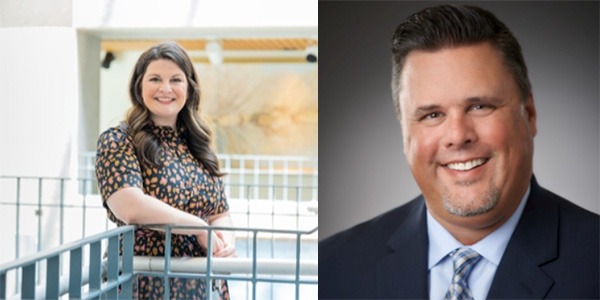
Late September: The focus expanded to include specialized sectors. The hiring at Visit Tucson reflects the diversification of DMOs, which now view film production and sports tourism as essential economic drivers rather than secondary revenue streams. Simultaneously, the promotions at Houston First Corporation suggest a long-term commitment to infrastructure development, specifically the Convention District transformation, which requires dedicated, high-level leadership.
Supporting Data: Understanding the Market Drivers
The influx of talent into these specific roles is not coincidental; it is a response to emerging data trends in the MICE (Meetings, Incentives, Conferences, and Exhibitions) sector.
The SMERF Market Opportunity
Kevin Kraft’s appointment at Visit Cincy to lead SMERF sales is a direct response to the resilience of this sector. Unlike corporate meetings, which can be sensitive to economic downturns, SMERF groups often operate on fixed schedules and prioritize destination attributes, making them a "recession-resistant" pillar of the travel industry.

The Rise of "Bleisure" and Sports Tourism
The appointments of Chance Lamey and Kelson Coleman in Tucson, along with Christopher Grosse in Connecticut, underscore the massive investment in the sports tourism market. Industry estimates suggest that the sports-related travel market is expected to grow by nearly 7% annually through 2030. DMOs are no longer just selling hotel rooms; they are selling stadium capacities, local sports culture, and the ability to host multi-day tournaments that bring thousands of families into a destination.
Operational Scale
The complexity of facilities like the 2.1 million-square-foot Music City Center requires a sophisticated management approach. By bringing in Anthony Lopez—who previously managed the Kay Bailey Hutchison Convention Center in Dallas and held leadership roles at Chicago’s massive McCormick Place—Nashville is signaling a commitment to "best-in-class" operational standards. The reliance on such high-caliber, experienced professionals is essential for maintaining the competitive edge in a global market where planners have endless venue options.
Official Responses and Strategic Implications
The Vision for Nashville
Regarding the new leadership structure at Music City Center, the board has expressed confidence in the split-role model. By allowing Charles Starks to focus on finance, sales, and long-term communications, while delegating the complexities of engineering, security, and technology to Anthony Lopez, the center is essentially "future-proofing" its operations. This structure ensures that the facility can handle the high-tech requirements of modern conventions without sacrificing the client-facing relationships that drive repeat business.

Tucson’s Holistic Growth
At Visit Tucson, the addition of Heather Molina as Executive Vice President is particularly noteworthy. Her 17-year background in DMO-specific operations provides the internal support necessary for the new sports and film coordinators to succeed. As Tucson looks to increase its visibility, the synchronization between the film department and the sports bureau will be critical. The implications are clear: the destination is seeking to brand itself as a versatile, "all-in-one" location for both event planners and production crews.
The Houston First Reorganization
The internal promotion of Todd Holloman within Houston First is a masterclass in organizational agility. By separating "venues and events" from "development," the corporation is acknowledging that the needs of an event planner differ significantly from the needs of an infrastructure architect. This separation of concerns allows for faster decision-making and ensures that the Convention District transformation remains on schedule without being hampered by the day-to-day logistical demands of event management.
Implications: A New Era of Professionalism
What do these shifts mean for the average meeting planner? First, it suggests that service levels are on the rise. As DMOs compete for a finite number of large-scale events, the "soft power" of relationships—built by professionals like Katie Clark—is becoming the deciding factor for many planners.

Second, the integration of technology and security is no longer a "back-office" concern. The hiring of individuals with deep operational backgrounds, such as Anthony Lopez and Daystar Van Wagner, indicates that the industry is treating cybersecurity and technical infrastructure as core components of the guest experience. When a planner books a venue today, they are not just looking for a ballroom; they are looking for a tech-ready, secure, and operationally seamless environment.
Finally, the diversification of roles within these organizations proves that the DMO of 2026 is a far more complex machine than its predecessor. By hiring film production coordinators, sports managers, and dedicated event operations directors, these agencies are positioning themselves as comprehensive partners for any organization looking to host a gathering, regardless of size or scope.
As the industry looks toward 2027 and beyond, the focus will undoubtedly remain on these human capital investments. The organizations that succeed will be those that have successfully balanced the "high-touch" needs of the customer with the "high-tech" operational demands of the modern era. With these new appointments, cities like Cincinnati, Nashville, Tucson, and Houston have taken the first step in ensuring they remain at the forefront of the global meetings conversation.
Key Takeaways for Planners
- Leverage Local Expertise: Planners should reach out to the newly appointed sales leads, such as Katie Clark and Kevin Kraft, to understand the specific, untapped venues now being prioritized in their regions.
- Anticipate Streamlined Operations: With dedicated leadership at major venues like Music City Center, planners can expect more transparent and efficient communication regarding event logistics.
- Explore Hybrid Possibilities: With roles like Daystar Van Wagner’s at Brand USA, there is a clear emphasis on international connectivity. Planners looking to bridge domestic and international audiences should lean on these newly reinforced support systems for global event execution.
The landscape of the meetings industry is in a state of positive flux. As these professionals settle into their roles, the ripple effect on service, innovation, and economic impact will likely be felt by planners and attendees across the globe.