
The world of mixology is often dominated by complex, multi-layered concoctions that require a chemistry degree and a pantry full of rare tinctures. Yet, every so often, the industry turns its gaze back to the classics—drinks that rely on simplicity, balance, and the quality of their base components. Enter the Amaretto Sour: an iconic, bittersweet libation that has transitioned from a misunderstood 1970s staple to a sophisticated fixture on modern craft cocktail menus. Whether enjoyed as a light, refreshing summer sipper or a rich, foamy indulgence, the Amaretto Sour remains a quintessential lesson in the harmony of flavor.
Main Facts: Decoding the Almond-Kissed Liqueur
At its heart, the Amaretto Sour is defined by its star ingredient: Amaretto. This Italian liqueur, whose name is derived from the word amaro (meaning "bitter"), is traditionally crafted from apricot kernels, peach stones, or almonds. The result is a distinct, syrupy liqueur characterized by notes of toasted nuts, marzipan, and a subtle, stone-fruit undertone that bridges the gap between dessert and digestif.
In the lexicon of mixology, a "sour" is a fundamental family of cocktails. By definition, a sour consists of three core elements: a base spirit, a sweetener, and an acid. In the case of the Amaretto Sour, the liqueur itself provides both the body and the sweetness, while fresh citrus—usually lemon—cuts through the richness. The result is a drink that manages to be bright, zesty, and approachable, effectively masking the intensity of high-proof spirits while offering a lingering, nutty finish.
A Chronological Evolution of the Sour
To understand the Amaretto Sour is to understand the changing landscape of American drinking habits.
The 1970s: The Era of Convenience
The cocktail first surged into the American consciousness during the mid-1970s. During this era, the culinary world was heavily influenced by the rise of "convenience" products. Most commercial Amaretto Sours of this time were not crafted with fresh citrus or high-end ingredients; instead, they were often mass-produced using bottled "sour mix"—a neon-yellow, hyper-sweet concoction of artificial lemon flavoring and corn syrup. This version, while undeniably popular, earned a reputation for being cloying and one-dimensional, leading to a long period of disdain from serious bartenders.
The 2021 Renaissance: The Morgenthaler Effect
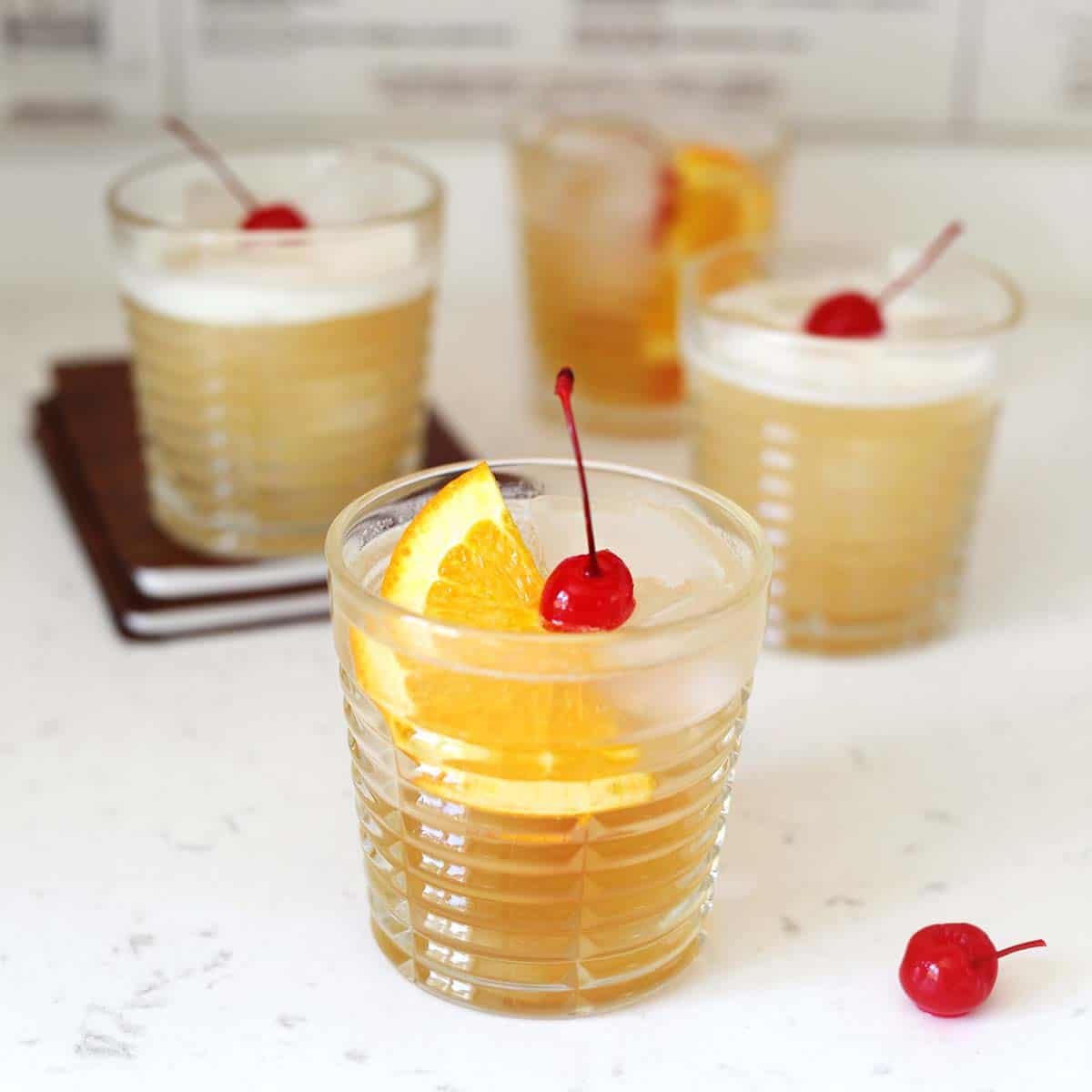
The narrative shifted dramatically in the 21st century. As the craft cocktail movement took hold, bartenders began to deconstruct and elevate the drinks of the past. In a pivotal moment for the cocktail’s reputation, renowned bartender Jeffrey Morgenthaler popularized a "modern" version of the Amaretto Sour. By introducing a high-proof backbone—typically a cask-strength bourbon—and the structural elegance of egg whites, the drink was transformed. The bourbon provided the necessary kick to balance the sweetness of the Amaretto, while the egg white provided a velvety, luxurious mouthfeel and a classic, frothy aesthetic.
Supporting Data: The Mechanics of the Perfect Pour
The difference between a "dive bar" Amaretto Sour and a "craft" version lies in the technique and the ratios. Understanding these components is essential for any home mixologist.
The Classic Approach (The Three-Ingredient Method)
For those who prefer a clean, straightforward drink, the classic approach relies on the purity of the ingredients.
- Amaretto: 2 oz
- Fresh Lemon Juice: 1 oz
- Simple Syrup (Optional): 0.25 oz (depending on the brand of Amaretto)
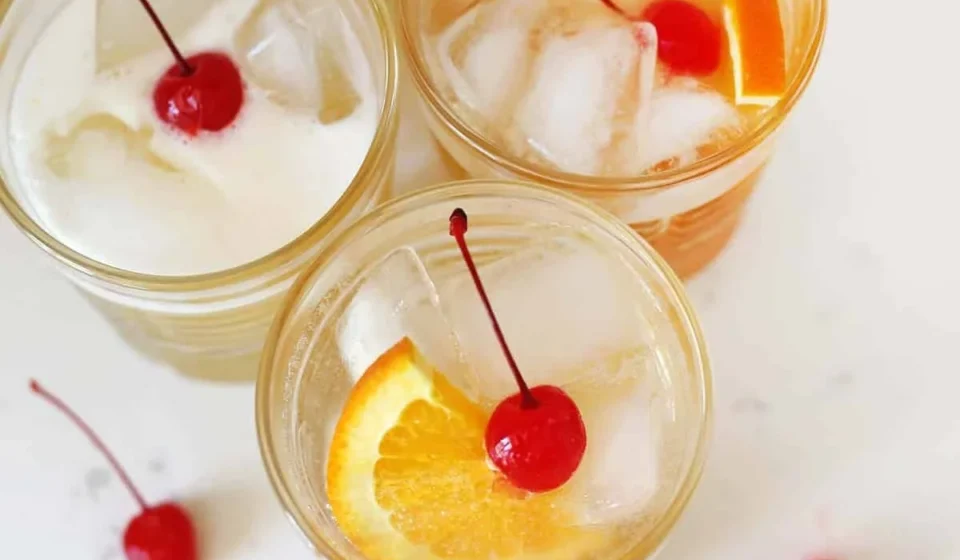
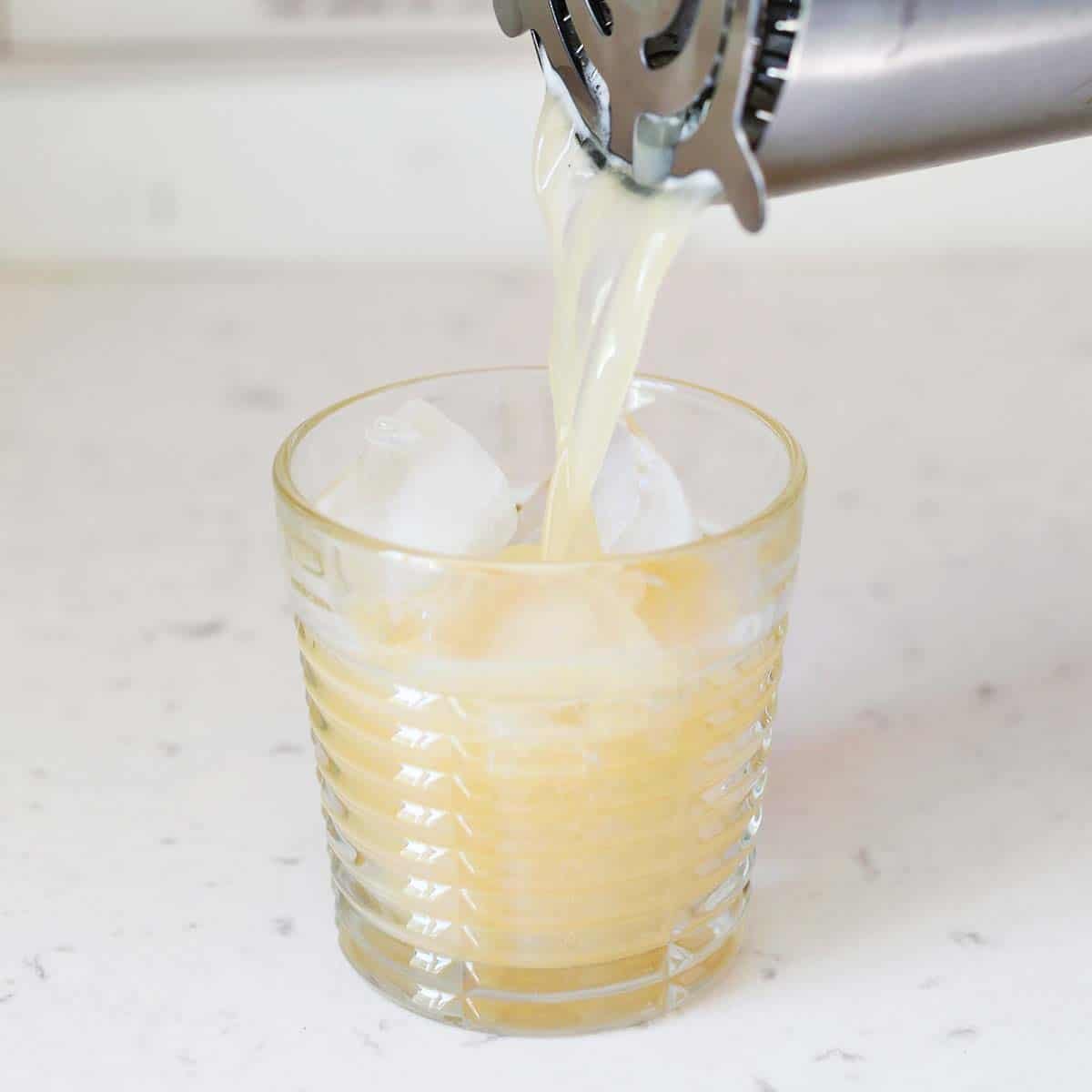
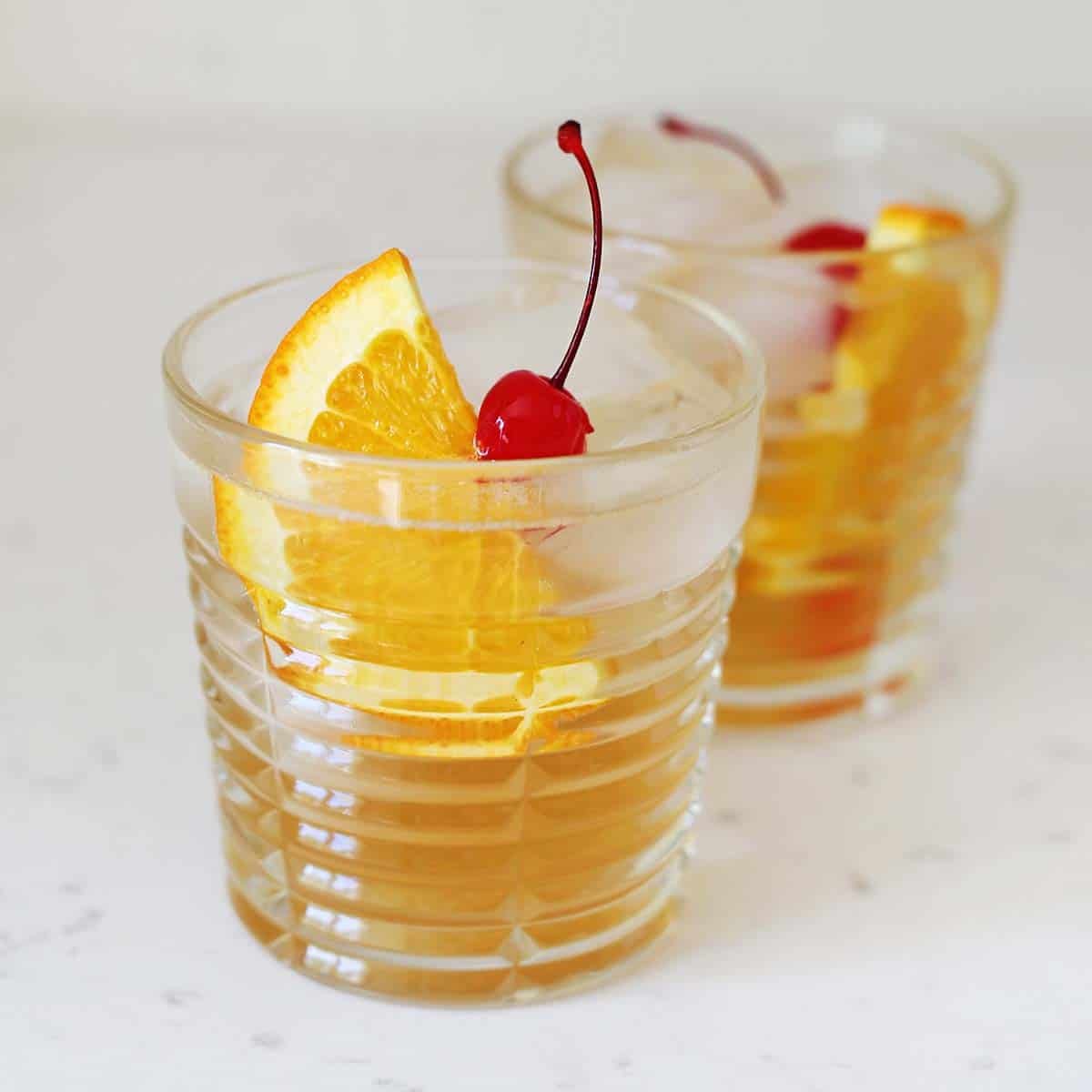
The preparation is simple: combine the ingredients in a shaker with plenty of ice, shake vigorously for 15 seconds until the tin is frosted, and strain into a rocks glass over fresh ice.
The Modern Approach (The Foamy Upgrade)
The modern interpretation requires more technical finesse. The introduction of egg white (or its vegan counterpart, aquafaba) necessitates a "dry shake."
- Dry Shake: Add the bourbon, Amaretto, lemon juice, and egg white to the shaker without ice. Shake vigorously for 15 seconds. This emulsifies the egg white proteins, creating a stable foam.
- Wet Shake: Add large ice cubes to the shaker and shake again until the exterior is ice-cold.
- The Double Strain: Strain the mixture through a fine-mesh sieve into a chilled coupe glass. This removes any small ice shards and ensures a perfectly smooth, silky texture.
Official Perspectives: The Role of the Bartender
From the perspective of professional mixologists, the Amaretto Sour is a drink of "structural balance." Many bar managers argue that the drink serves as the perfect entry point for patrons who are intimidated by spirit-forward cocktails like the Negroni or the Old Fashioned.
"The challenge with Amaretto is its sugar content," says one veteran bartender. "If you treat it like a base spirit without adding enough acid, you’re essentially serving a glass of candy. When you balance it with fresh lemon and a high-proof whiskey, you’re creating a complex, layered experience that respects the palate."
The consensus in the professional community is clear: avoid pre-made sour mixes at all costs. The difference between fresh-squeezed lemon juice and shelf-stable mixers is the difference between a cocktail and a sugary beverage.
Implications for Home Entertainment
The resurgence of the Amaretto Sour has significant implications for home hosting. Because the drink is so adaptable, it is an ideal candidate for batching.
- Customization: The nutty profile of the Amaretto pairs exceptionally well with various bitters. A few drops of Angostura bitters on top of the egg-white foam not only provides an aromatic lift but also adds a beautiful visual contrast.
- Pairing: Because it is a "sour," it acts as an excellent palate cleanser. It pairs wonderfully with salty appetizers like roasted nuts, olives, or even sharp, aged cheeses.
- The "Egg White" Dilemma: While the modern recipe calls for egg whites, many home bartenders express hesitation regarding safety. Modern food science suggests that pasteurized liquid egg whites (found in cartons) provide the same frothy results as fresh eggs with none of the health risks. This makes the modern, frothy version of the drink much more accessible for casual gatherings.
Conclusion: A Drink for All Seasons
Whether you are a purist who enjoys the simple, three-ingredient classic or an enthusiast who loves the rich, frothy decadence of the modern version, the Amaretto Sour occupies a special place in the cocktail canon. It is a drink that proves that with the right balance of acid and sugar, even the most humble liqueurs can be transformed into something extraordinary.
As you embark on your own journey with this cocktail, remember that the "best" recipe is the one that suits your palate. Experiment with the ratio of bourbon to Amaretto, try different types of citrus, or explore the world of homemade sour mixes. Above all, take the time to shake it until it’s cold, serve it with a fresh garnish, and enjoy the timeless, nutty complexity of this Italian-inspired treasure. Cheers to the enduring legacy of the Amaretto Sour.