The Evolution of the Starbucks “Medicine Ball”: From Underground Secret Menu Legend to Mainstream Comfort Staple

Main Facts
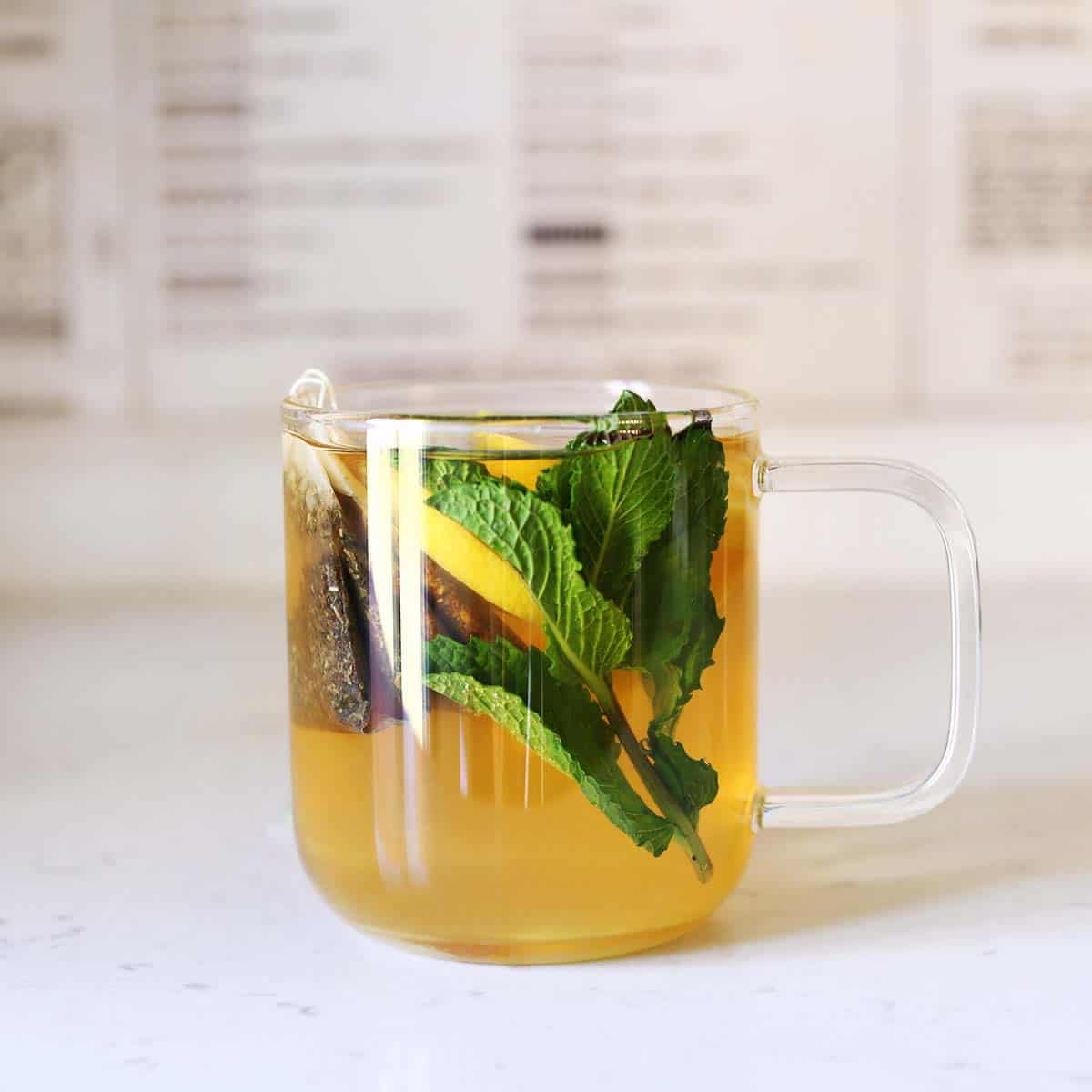
The Starbucks "Medicine Ball"—officially branded on the corporate menu as the Honey Citrus Mint Tea—has solidified its place as a cultural and culinary phenomenon. Originally birthed from the digital underground of coffee-shop "secret menus" and frequently dubbed the "Cold Buster," this hot beverage has transitioned from a word-of-mouth remedy for the sniffles into one of the most widely recognized and frequently ordered comfort drinks in North America.
Blending citrus, herbal elements, and a punch of sweetness, the beverage is designed to coat the throat and warm the chest. While it gained its initial fame during the peak of flu season, consumer trends show that it is no longer just a seasonal remedy for the sick; it has evolved into a year-round favorite for tea enthusiasts and casual coffee-shop-goers alike.
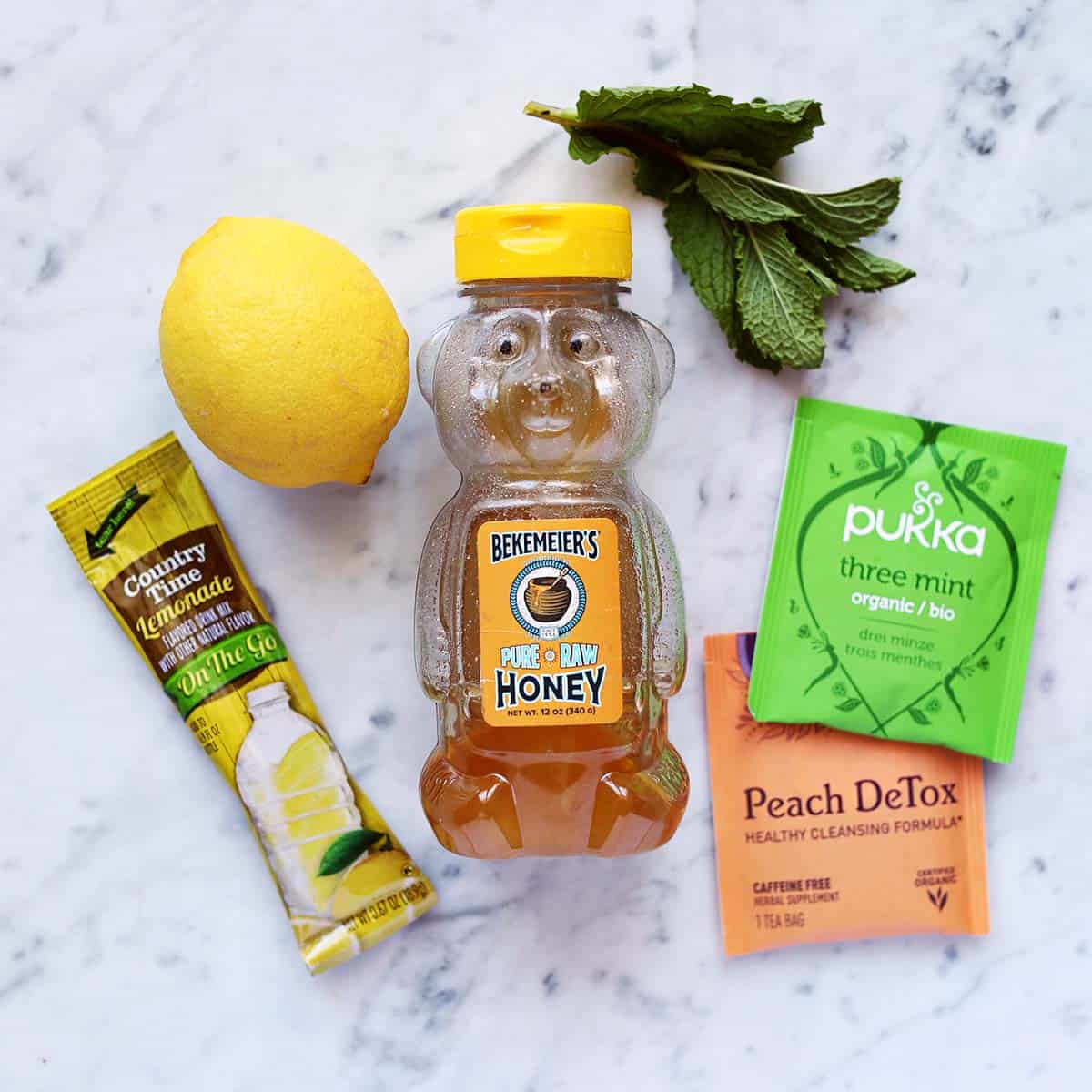
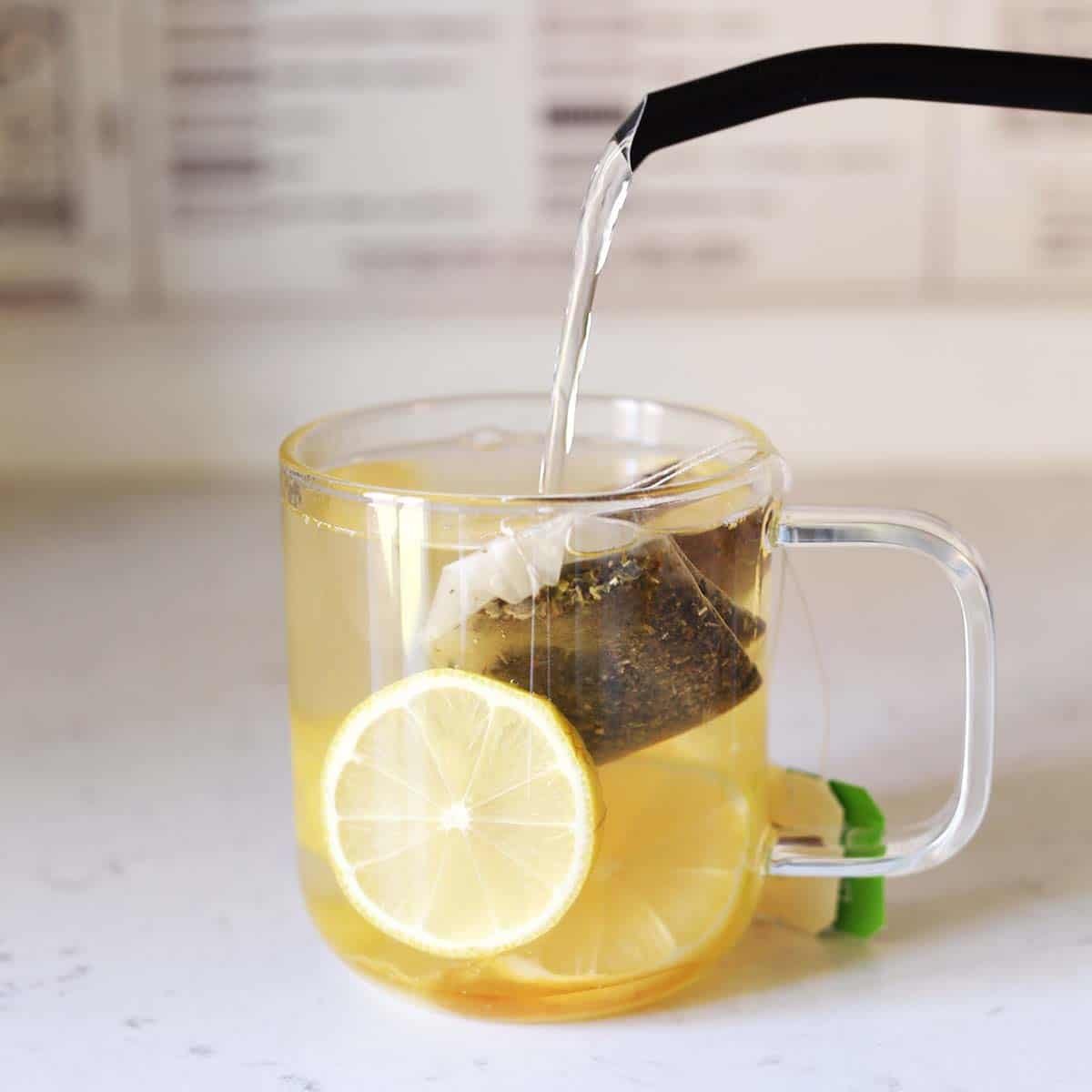
Beyond purchasing it at a local franchise, a growing subculture of home-baristas is recreating the beverage in their own kitchens. By swapping out commercial ingredients for fresh herbs, customizable sweeteners, and specialized tea bags, home-brewers are finding that making a copycat version of the Honey Citrus Mint Tea is not only cost-effective, but also allows for personalized health and flavor adjustments.
Chronology
The Genesis: The Secret Menu Era
Years before it ever appeared on an official Starbucks menu board, the drink existed purely through digital folklore. Customers on social media platforms, Reddit threads, and lifestyle blogs began sharing a custom combination of hot water, steamed lemonade, honey, and specific tea bags. It was affectionately dubbed the "Medicine Ball" or "Cold Buster" because consumers believed its warm, vitamin-rich ingredients offered relief from winter ailments, scratchy throats, and seasonal fatigue.
Transition to the Mainstream
As requests for the custom drink surged across North America, individual baristas found themselves inundated with tickets detailing the complex recipe. Recognizing the massive consumer demand and the virality of the drink, Starbucks corporate made the strategic decision to codify the recipe. The drink was officially integrated into the permanent national menu under the standardized name Honey Citrus Mint Tea, bypassing the need for customers to recite a complex list of modifications at the register.
The Home-Brewing Revolution
With the recipe standardized and widely known, food bloggers and culinary enthusiasts quickly developed "copycat" guides. Consumers realized they could replicate the exact taste profile in their own kitchens using accessible grocery store items. Today, DIY recipes for the Medicine Ball circulate widely across lifestyle publications, offering health-conscious consumers ways to alter the sugar content, utilize fresh organic herbs, and bypass commercial lemonade bases entirely.
Supporting Data and Anatomy of the Drink
To understand the enduring popularity of the Medicine Ball, one must examine its core components and the functional benefits attributed to each ingredient:
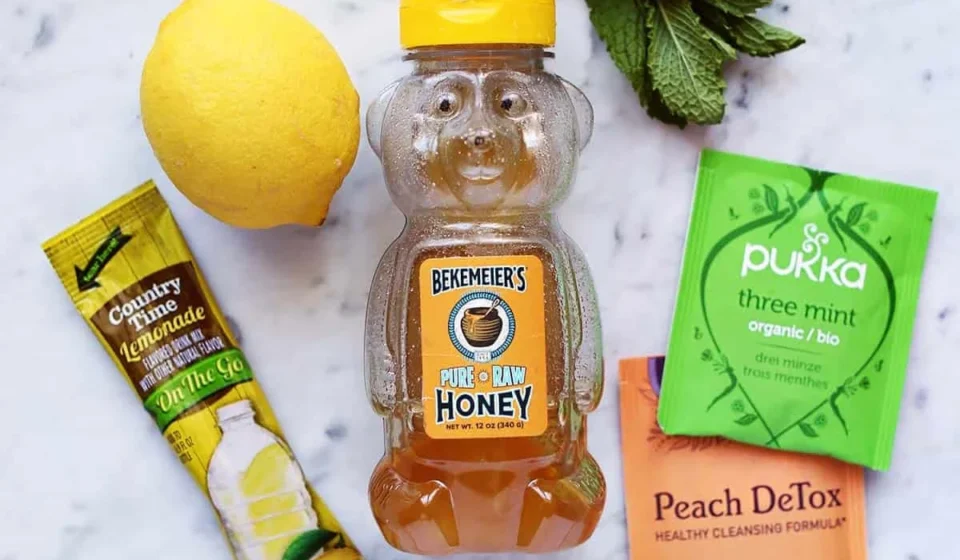
- The Tea Foundation: The drink traditionally relies on a combination of Teavana Jade Citrus Mint green tea (which provides a caffeinated, crisp herbal note) and Teavana Peach Tranquility herbal tea (a caffeine-free blend offering fruity, soothing undertones).
- The Citrus Element: Lemonade provides a tart, acidic brightness. According to nutritional data, lemons and lemon bases deliver high amounts of vitamin C, which is widely recognized for supporting immune health and soothing irritation in the throat.
- The Sweetener: Honey acts as a natural throat-coating agent, dampening the tartness of the lemonade and bringing a thick, comforting viscosity to the liquid.
- The Herbal Boost: Fresh mint leaves or specialized herbal additions provide a cooling sensation, which traditional wellness practitioners note can help ease digestion and clear upper respiratory passages.
Nutritional and Dietary Variations
While the standard commercial version contains natural sugars from honey and commercial lemonade, health-conscious consumers frequently adapt the recipe at home. For those looking to eliminate added sugars entirely, culinary experts recommend utilizing plain hot water combined with crystallized lemon packets (such as True Lemon) alongside a reduced amount of raw honey or completely sugar-free alternatives.
Official Responses and Ordering Etiquette
Despite the official rebranding to Honey Citrus Mint Tea, the colloquial name refuses to fade. Corporate training manuals instruct baristas to seamlessly process requests for either name, acknowledging that the term "Medicine Ball" is firmly embedded in the public lexicon.
How to Order at Starbucks
For those stepping up to a register or navigating the mobile ordering app, the process is straightforward:
- By Official Name: Search for or request the Honey Citrus Mint Tea.
- By Secret Menu Name: If the official name slips your mind, simply asking a barista for a "Medicine Ball" will almost universally yield the correct drink, as front-line staff are well-versed in the translation.
- Customizations: Customers frequently request modifications, such as extra honey, specific pumps of syrup, or substitutions in tea bags depending on caffeine sensitivities.
Implications
The journey of the Starbucks Medicine Ball offers a fascinating case study in modern consumer behavior, supply chain adaptation, and the blurring lines between commercial fast-food chains and home-kitchen culture.
1. The Power of User-Generated Content
The Medicine Ball proves that contemporary beverage trends are increasingly dictated from the bottom up. Rather than relying solely on corporate test kitchens to invent new products, major franchises must now monitor digital platforms where consumers crowdsource and validate new flavor combinations. By listening to the digital underground, Starbucks captured a viral lightning bolt and turned it into a permanent revenue stream.
2. The Wellness Economy
The drink’s massive success underscores a broader societal shift toward functional beverages. Consumers are no longer looking purely for caffeine spikes or sugary treats; they increasingly seek out food and drink items that offer perceived functional benefits—whether that is immune support, throat relief, or mental comfort during stressful winter months.
3. The Rise of the Copycat Economy
As commercial beverages rise in price, the popularity of at-home copycat recipes highlights a parallel consumer desire for control and economy. Home-brewers are reclaiming commercial formulas, adapting them to fit specific dietary needs (such as low-sugar, organic, or caffeine-free lifestyles), and sharing these adaptations globally. The Medicine Ball is no longer just a product bought across a counter; it has become a versatile template for personal comfort, proving that the best recipes are those that bring people together, whether in a bustling coffee shop or a quiet home kitchen.