The Art of the Hunt: How One Couple Transformed a 768-Square-Foot Cottage into a Vintage Sanctuary

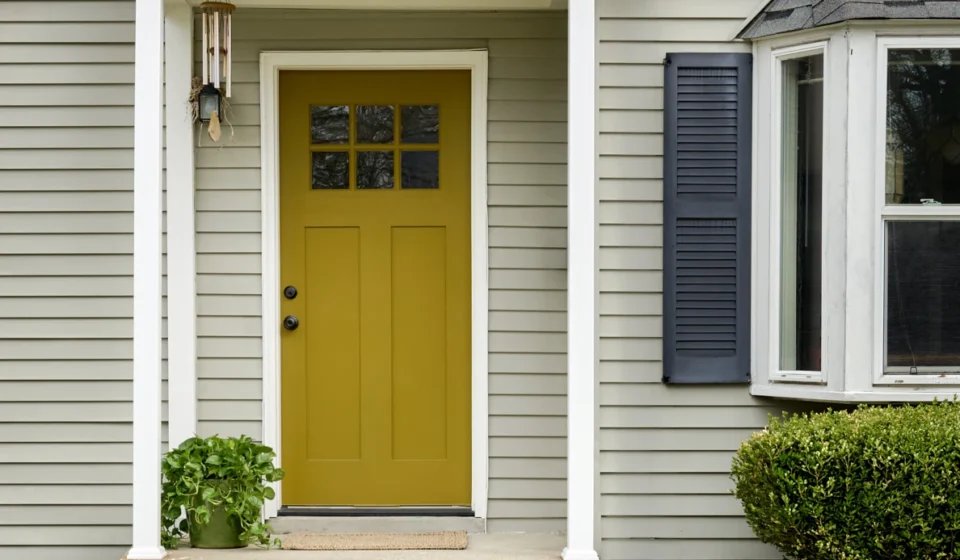
In the world of interior design, there is a pervasive myth that a home’s personality is purchased in a single weekend at a high-end showroom. For Shannon Brydges and her husband, Kyle Goodman, the reality is far more storied. Their 768-square-foot home in Ann Arbor, Michigan—a charming 1942 cottage—is not just a living space; it is a living, breathing archive of their shared history, one that proves true style is built through patience, persistence, and a healthy dose of scavenger-hunt adrenaline.
Main Facts: A Partnership Built on Treasure
The narrative of the Brydges-Goodman household began long before they signed the deed to their current home. The couple bonded early in their relationship over a shared passion for the "thrill of the hunt." Whether navigating the aisles of local thrift stores or queuing up at 3 a.m. for an estate sale, the duo found common ground in the pursuit of the rare and the forgotten.
This hobby eventually evolved into a professional venture. As their collection of vintage furniture began to outpace their square footage, Brydges began selling her finds on Etsy. In the fall of 2020, as the world looked inward at their living spaces, a retail storefront became available in Ann Arbor. Brydges seized the moment to open Malofta Vintage. The name, derived from the Esperanto word for "rare and unique," serves as both the store’s moniker and the design philosophy for their own home.
Chronology: From Blank Slate to Curated Sanctuary
The couple’s journey with their 1942 home began in 2019, a year before the storefront opened. The property, modest in size and footprint, offered a "blank slate" that allowed them to lean into their penchant for vintage aesthetics.
- 2019: The Purchase. The couple acquired the 768-square-foot cottage. With its tight corners and historical architecture, it required a thoughtful approach to spatial planning.
- 2020: The Professional Pivot. Following the launch of Malofta Vintage, the couple began using their shop as an extension of their home’s design evolution.
- 2021–2023: The DIY Phase. With Goodman acting as the technical "counterweight" to Brydges’ creative impulses, the couple tackled a series of renovations. They refreshed the kitchen and bathroom, painted interiors, and installed custom storage solutions.
- 2024–Present: The Ongoing Refinement. The home remains a "work in progress," where pieces are constantly rotated as new inventory flows through their business, ensuring the decor stays fresh while maintaining a cohesive, curated look.
Supporting Data: The Logistics of Small-Space Living
Living in a sub-800-square-foot home requires a mathematical approach to design. Brydges emphasizes that she maintains a list of the home’s exact dimensions in her wallet at all times, a practice that prevents impulsive, ill-fitting purchases.
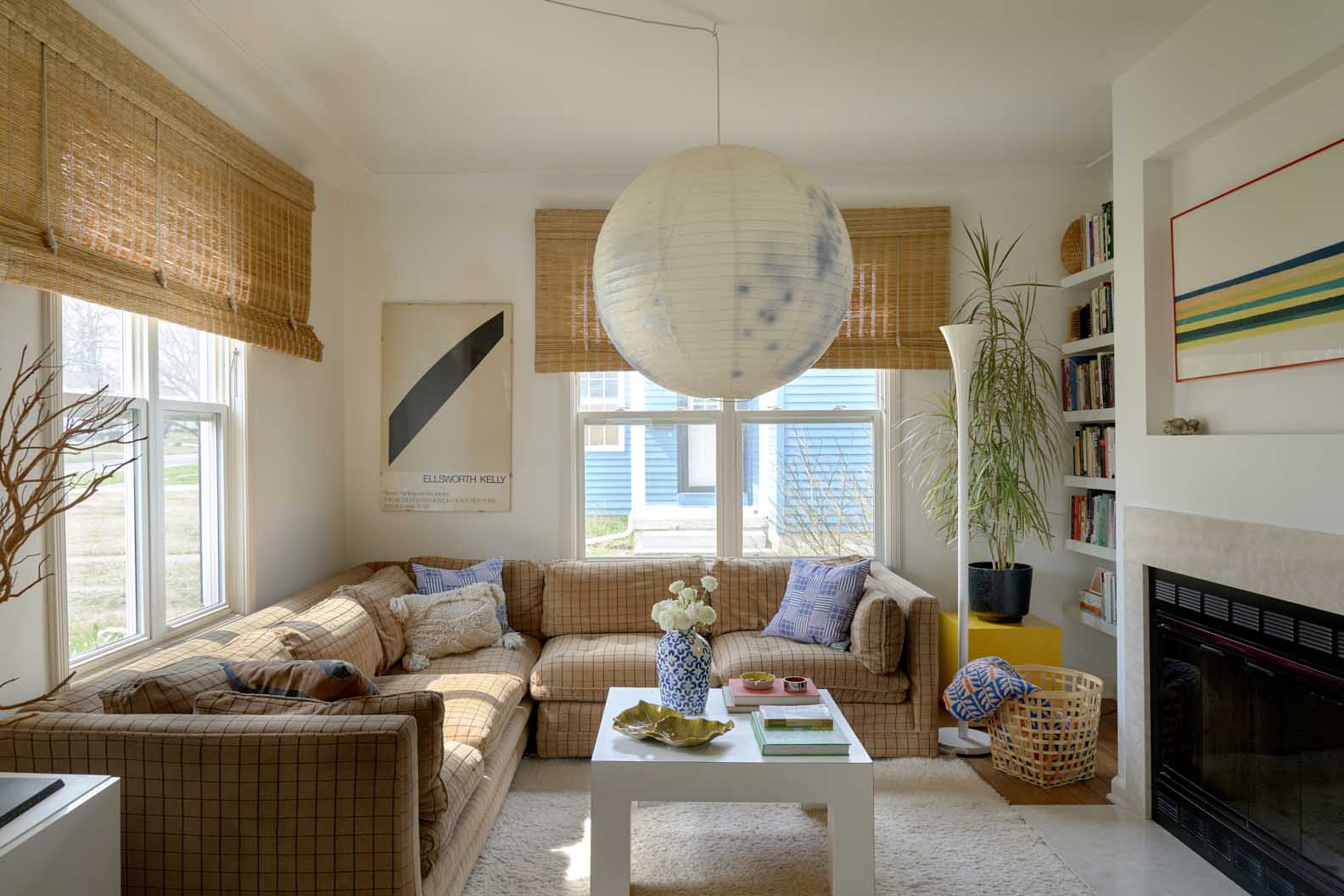
- The "Goldilocks" Rule: Finding the right coffee table, for example, took years of trial and error. The current Parsons-style piece fits the room perfectly, demonstrating that in small spaces, the scale is more important than the brand.
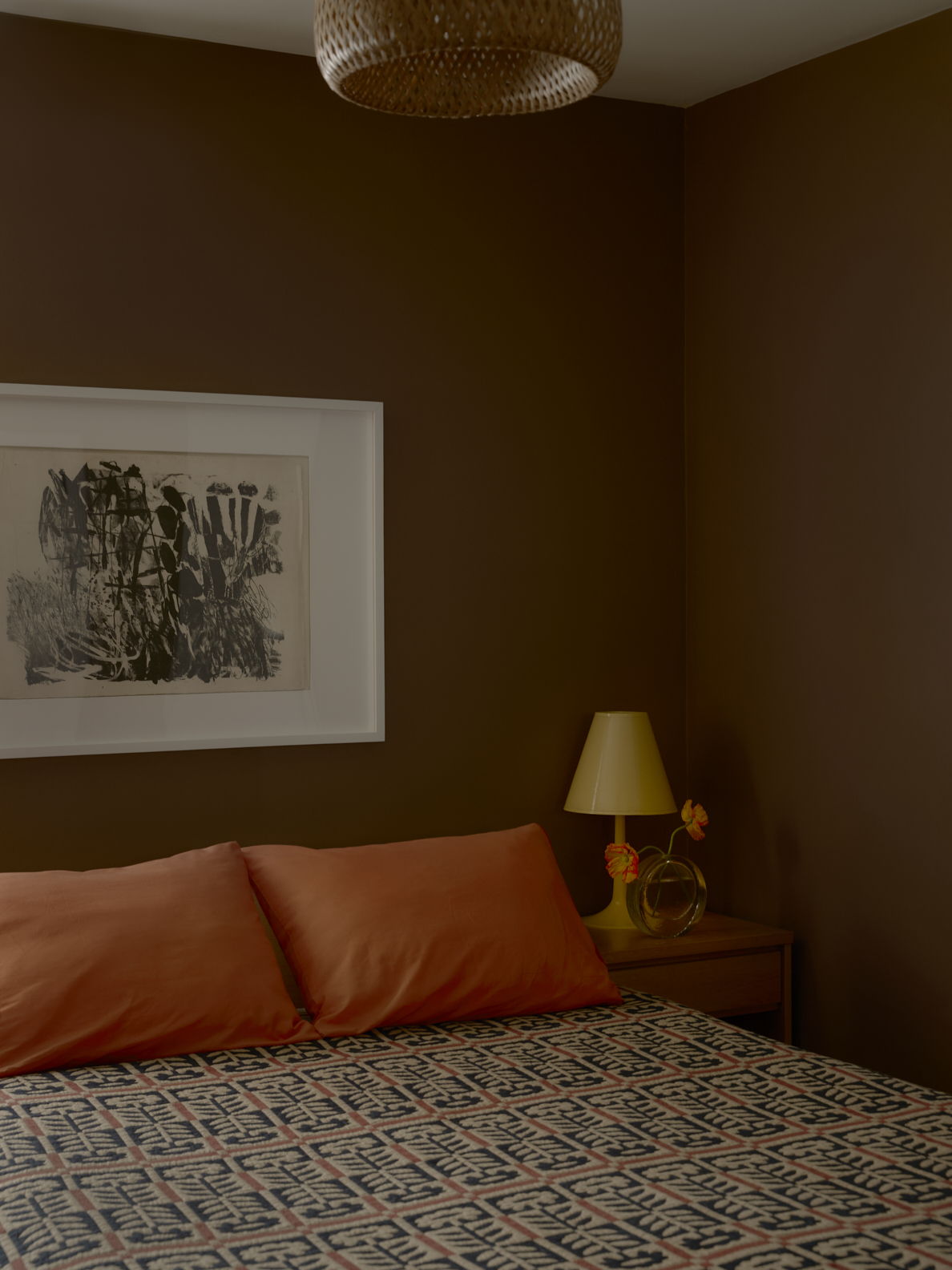
- Creative Utility: When a traditional chest of drawers proved too large for their bedroom, the couple sourced two separate nightstands and pushed them together, effectively creating a bespoke dresser that fit the wall dimensions exactly.
- The "Bull-in-a-China-Shop" Balance: Brydges acknowledges that her eye for bold, eclectic pieces can sometimes lead to visual clutter. Goodman, described as "meticulous," provides the necessary editing to ensure the space feels intentional rather than chaotic.
Official Insights: The Philosophy of Editing
The success of the Brydges-Goodman aesthetic lies in their willingness to "edit." As the couple notes, a room can easily slip from "vintage chic" into "historical reenactment" if not carefully managed.
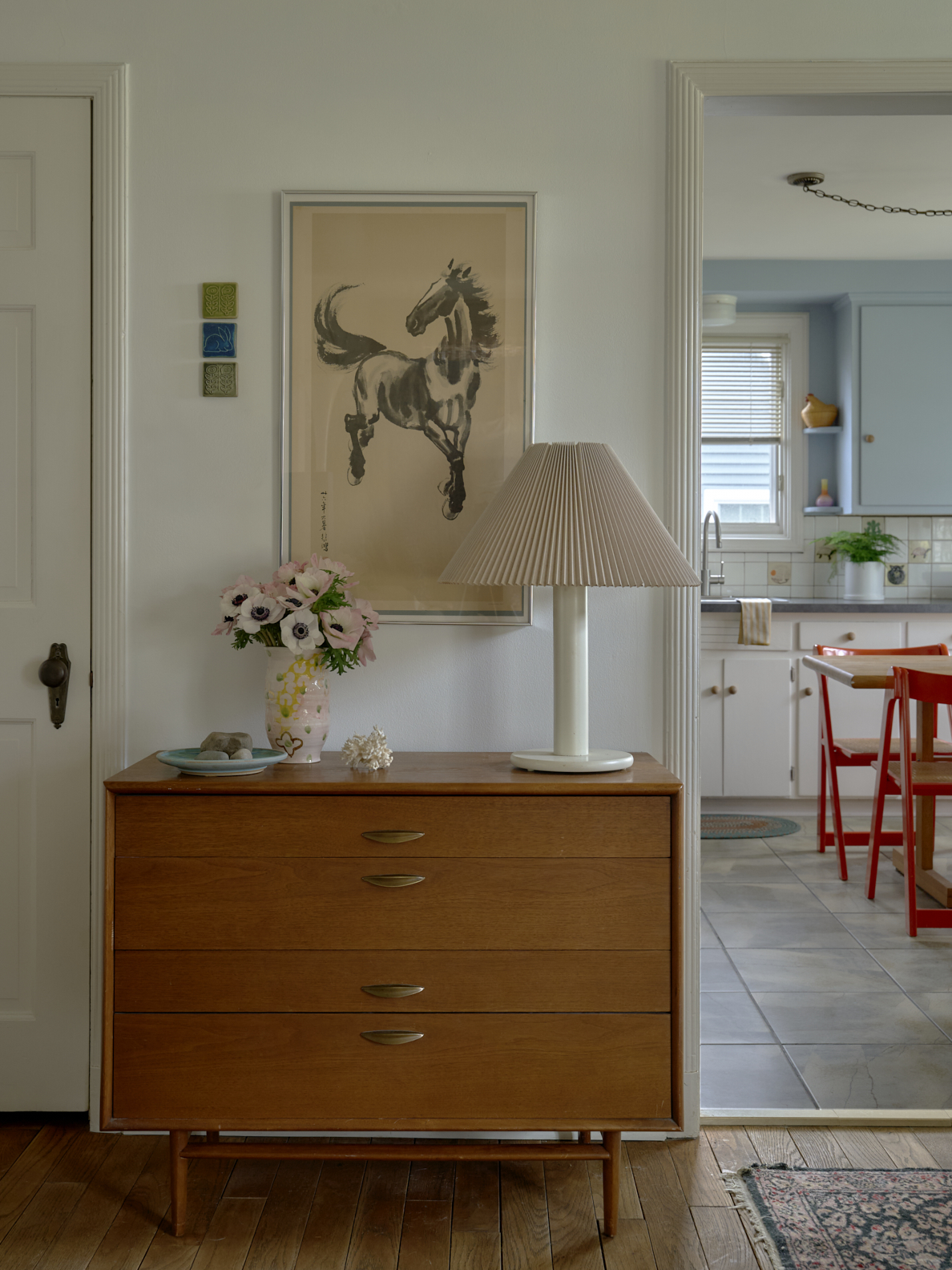
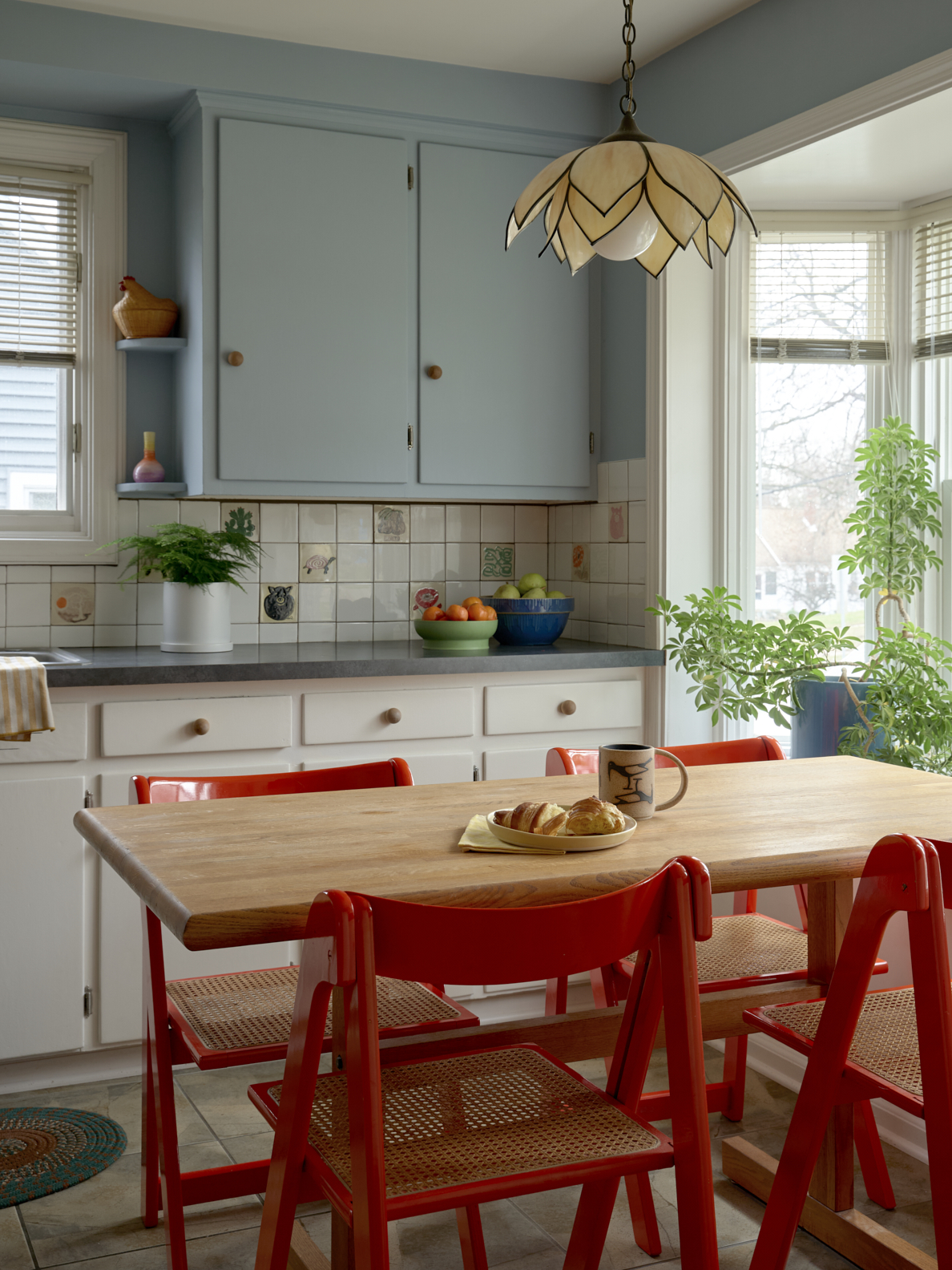
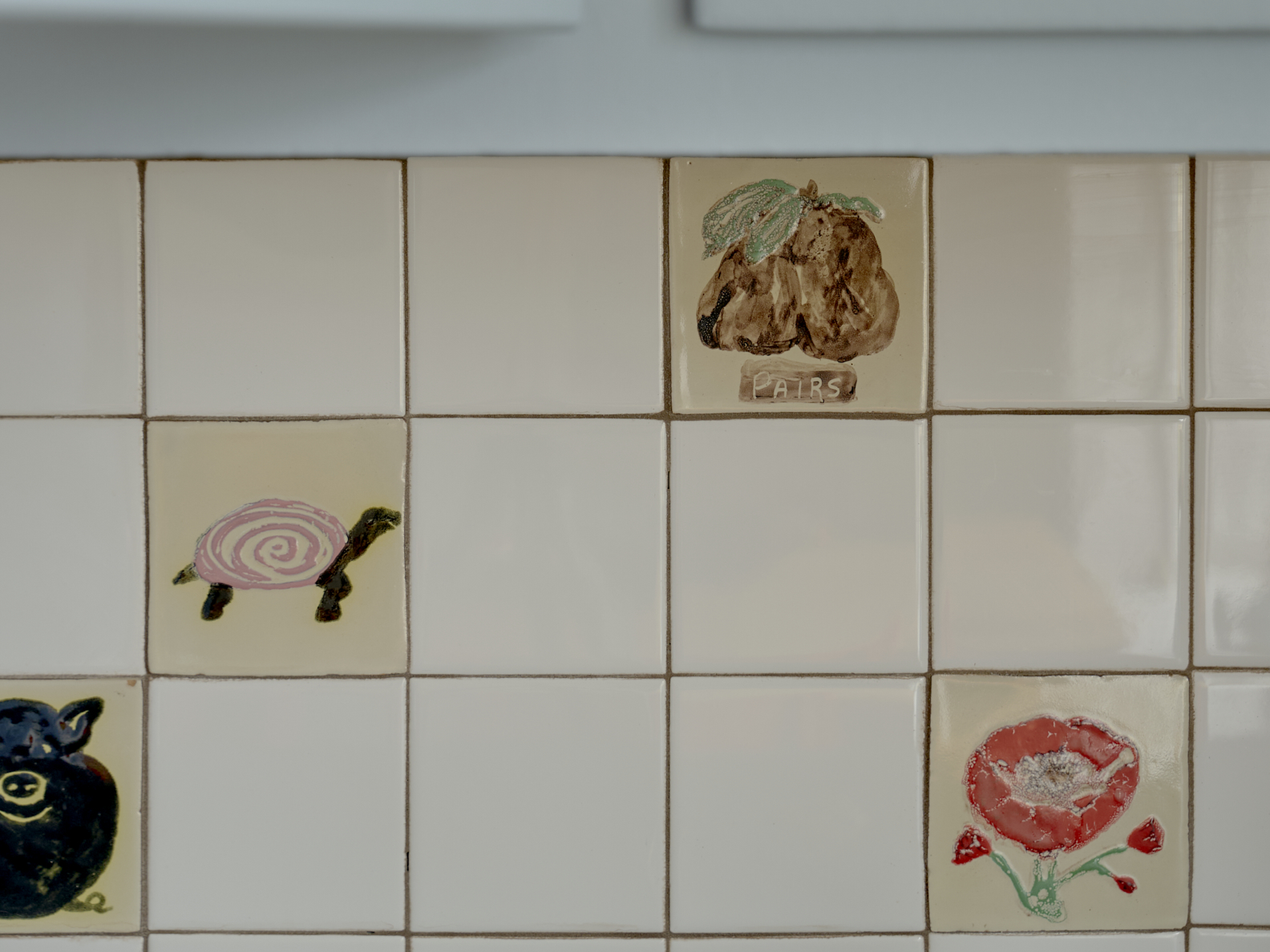
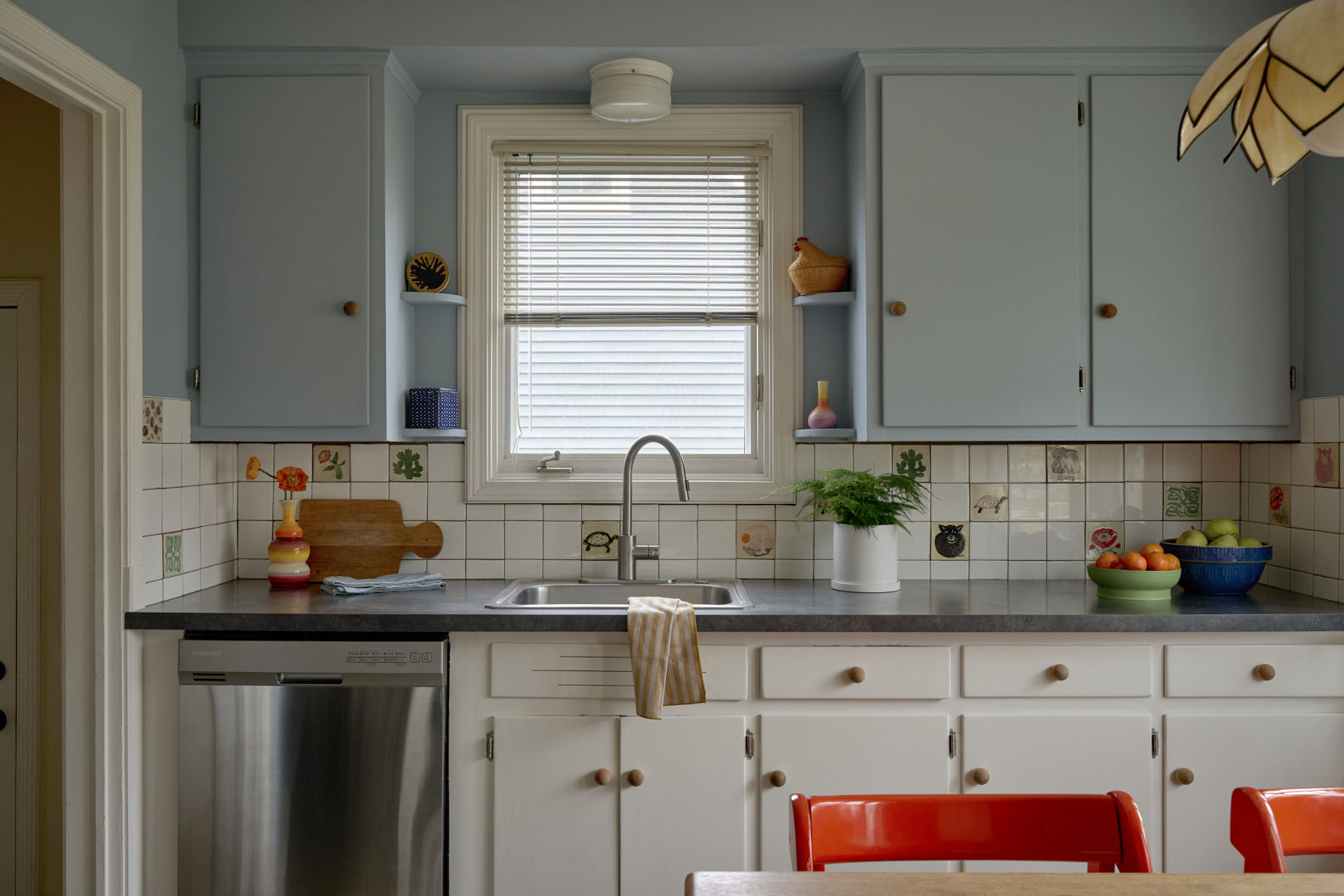
"If a corner starts feeling too cutesy, I have to be willing to strip it back," Brydges explains. This rigorous editing process is what keeps their home feeling modern despite being filled with objects from the 1940s and 1970s. For instance, their kitchen, which features a mix of standard ceramic tiles and rare handmade ones found at auction, was a collaborative project involving Brydges’ father, a retired tile installer. This personal connection adds a layer of emotional weight to the physical space, grounding the vintage items in the couple’s present-day life.
The Role of Local Craftsmanship
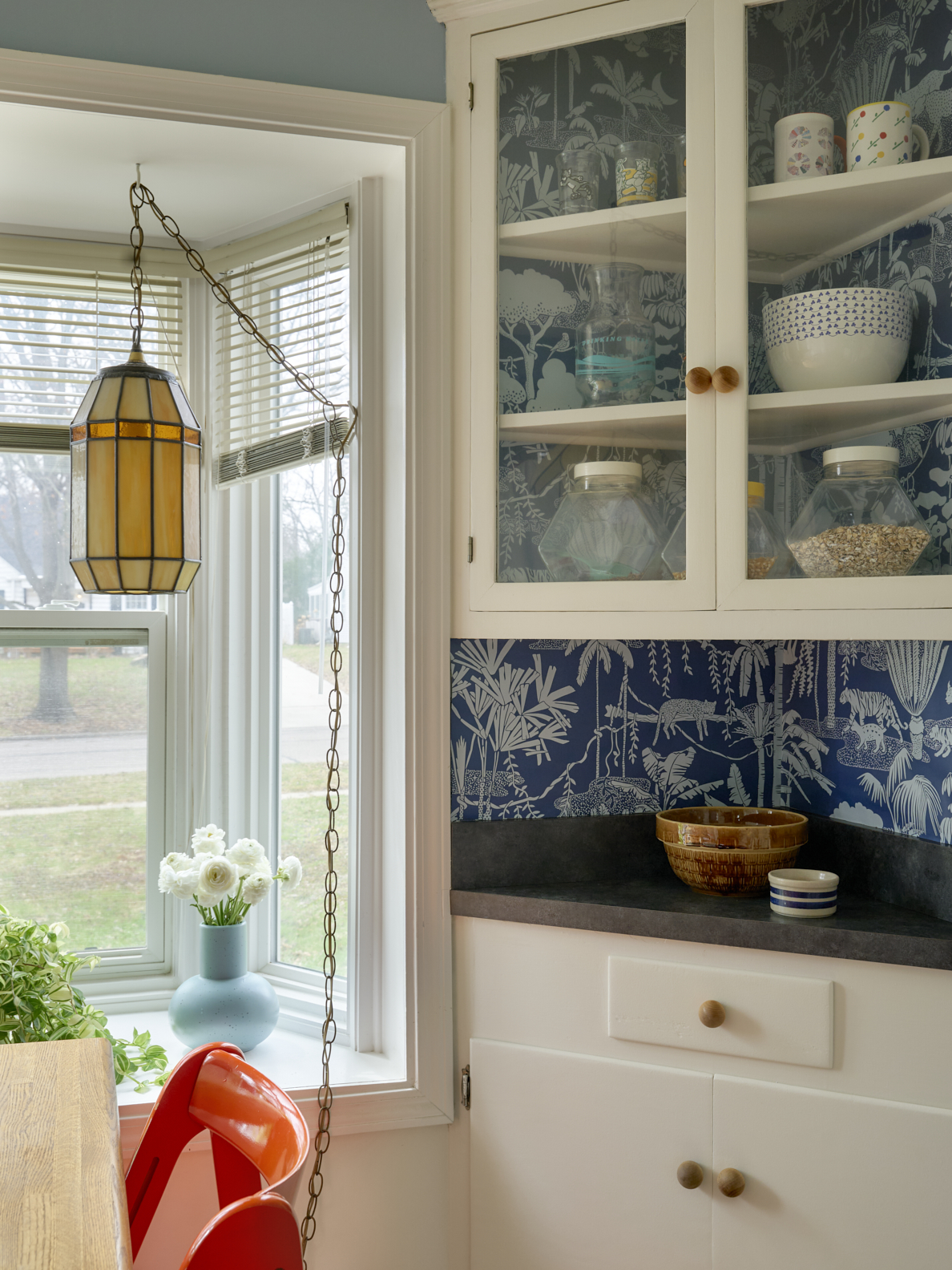
The couple’s home serves as a showcase for more than just historical finds; it highlights the work of local makers. The mug on their table is by Julie Lowry of JL Ceramics, and the lighting is a collaborative effort between the couple and their extended family. Most notably, Kyle Goodman has launched his own line of vintage-inspired lamps, Pilot Light Lamps, which are sold alongside Brydges’ inventory. This integration of the personal and the professional highlights a growing trend in interior design: the move away from mass-produced furniture toward objects with a provenance and a maker’s hand.
Implications: The Future of Sustainable Decor
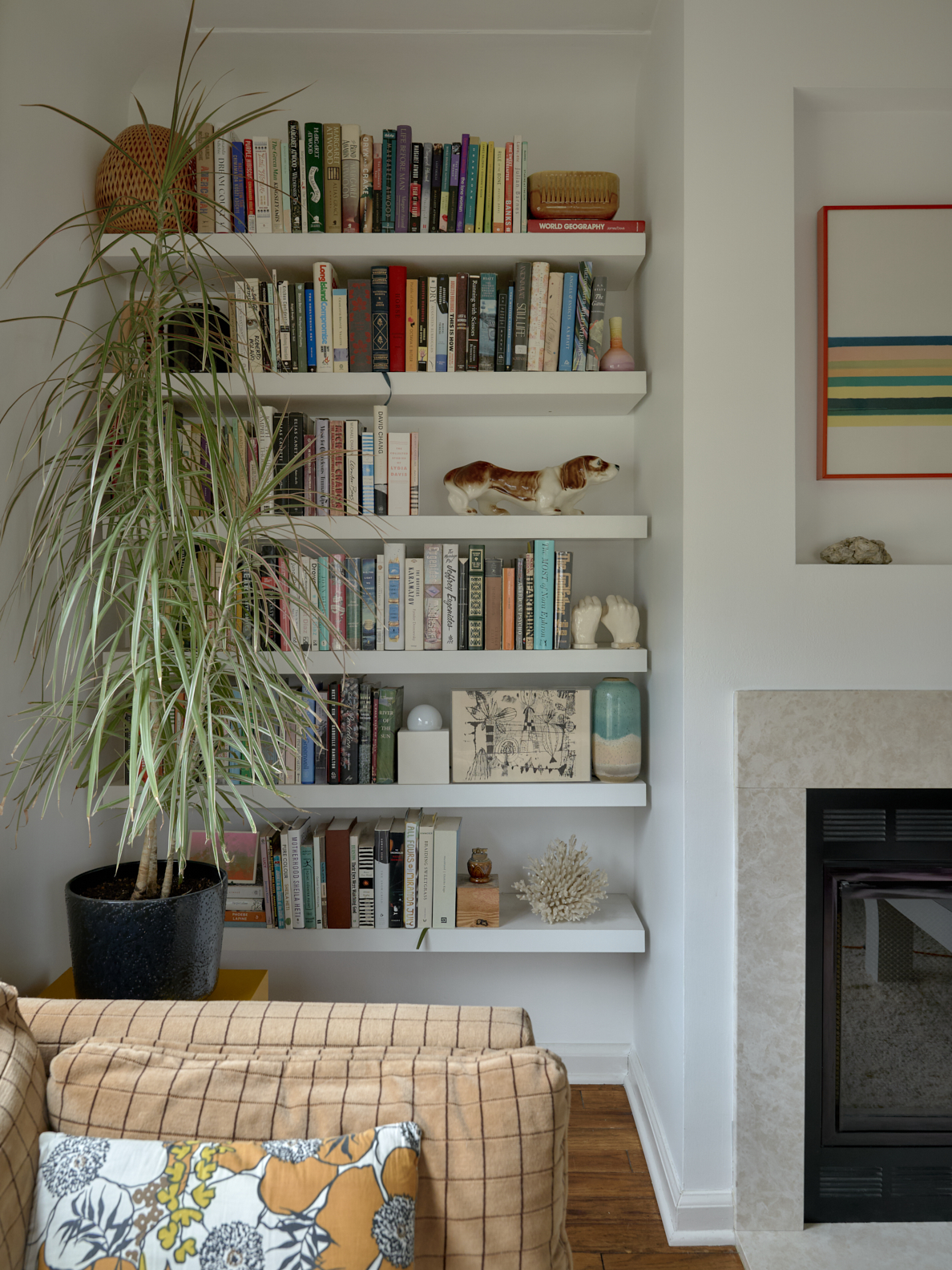
The implications of the Brydges-Goodman home tour are significant for the broader design industry. In an era of "fast furniture," their home stands as an argument for the sustainability and superior quality of secondhand goods. By choosing to shop vintage, they have avoided the carbon footprint associated with new manufacturing and shipping, while simultaneously building a home that is entirely unique.
Furthermore, their story suggests that the constraints of small-space living—often viewed as a negative in the real estate market—can actually serve as a creative catalyst. Forced to be selective, the couple has curated a space that is dense with meaning. Every piece, from the 1970s red folding chairs (acquired after a 3 a.m. queue) to the Aimee Wilder wallpaper in the kitchen, has a story that reinforces the couple’s identity.
Conclusion: A Home in Motion
Ultimately, the Brydges-Goodman residence is not a static museum piece. It is a home in motion. Because their business, Malofta Vintage, is tied to their personal discovery process, the house is perpetually shifting. This fluidity is perhaps the most honest way to live; it acknowledges that our homes should grow alongside us, changing as we find new pieces that resonate with our evolving tastes and stories.

For those looking to replicate this look, the advice is simple: be patient, keep your measurements handy, and—perhaps most importantly—find a partner who can balance your "bull-in-a-china-shop" energy with the steady hand of a craftsman. The result is not just a house, but a home that feels exactly like its owners: rare, unique, and deeply personal.
Quick Tips for Your Own Vintage Hunt:
- Always Carry Your Dimensions: Never leave home without the measurements of your rooms and walls.
- Value Function Over Trend: If a "big" piece of furniture solves a layout issue, don’t be afraid of it. Scale can be a powerful tool in small spaces.
- The Power of Paint: A simple coat of paint can unify a disparate collection of vintage finds, making them look like a cohesive set.
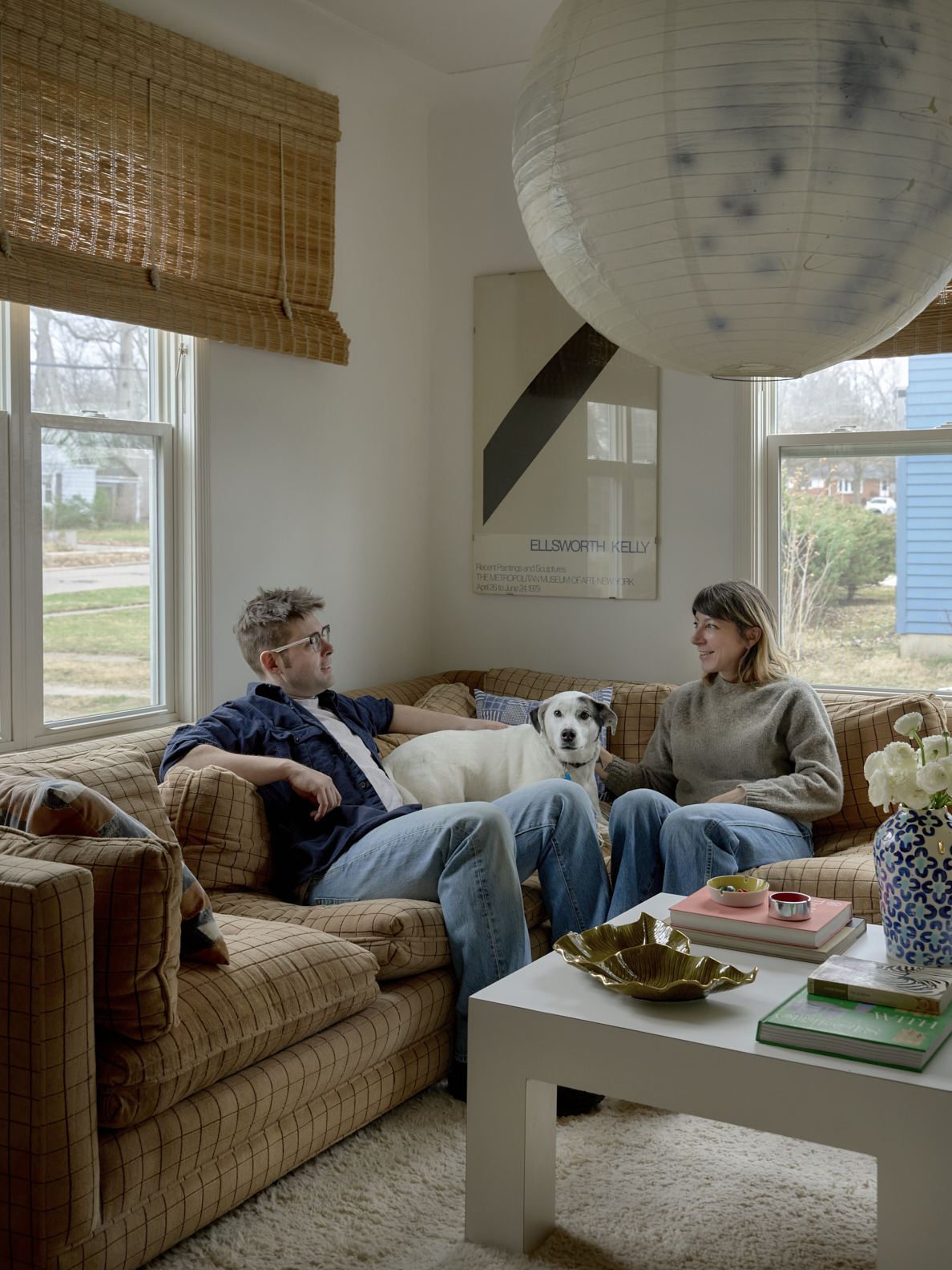
- Don’t Be Precious: A home is meant to be lived in. Let the dog on the couch, and don’t fear the wear and tear—it’s the price of a life well-lived.