
In the landscape of home cooking, few accompaniments command as much universal affection as the humble garlic toast. It is the silent partner to a robust bowl of tomato soup, the necessary crunch alongside a spicy turkey chili, and the golden, aromatic bridge between a simple weeknight dinner and a restaurant-quality experience. Recently, culinary enthusiasts have rediscovered the value of this classic side, particularly as a sustainable solution to the perennial problem of kitchen waste: the stale loaf of bread.
This guide explores the mechanics of crafting the ultimate garlic toast, providing a blueprint for a 15-minute preparation that bridges the gap between convenience and gourmet execution.
The Evolution of the Simple Side: Main Facts
At its core, the appeal of garlic toast lies in its structural simplicity. It requires only five fundamental ingredients: high-quality bread, softened butter, parmesan cheese, fresh or dried parsley, and garlic powder. While modern grocery stores offer myriad pre-packaged frozen versions, the homemade iteration offers a distinct advantage: control over the quality of fats and the intensity of the aromatics.
The "15-minute rule" is the defining characteristic of this recipe. Whether utilizing a conventional oven or an air fryer, the goal is to transform stale, moisture-depleted bread into a golden-brown, crispy vessel for savory fats. This process is not merely about heating; it is a chemical reaction—the Maillard reaction—that occurs when heat interacts with the amino acids and reducing sugars in the bread and cheese, creating that characteristic complex, toasted flavor profile.

A Chronological Guide to Preparation
To achieve the perfect balance of a tender interior and a crisp, shattered-glass exterior, the preparation must follow a disciplined, yet simple, sequence.
Phase 1: The Butter Emulsion
The foundation of a great garlic toast is the spread. The butter must be at room temperature—not liquified. If you are pressed for time, a 30-second stint in the microwave is permissible, but caution is advised. If the butter reaches a liquid state, it will soak into the bread rather than coating it, resulting in a soggy texture. By keeping the butter in a soft, malleable state, you ensure a uniform distribution of the garlic powder, grated parmesan, and chopped parsley.
Phase 2: Bread Preparation and Structural Integrity
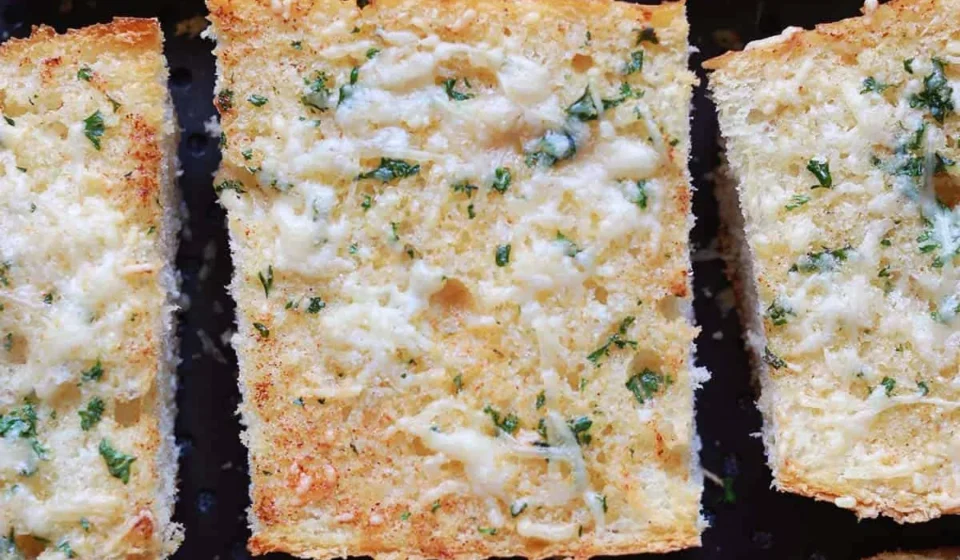
The choice of bread is paramount. A French loaf is the traditional standard, providing enough structural density to withstand the weight of the garlic butter. By slicing the loaf lengthwise, you create a large surface area for the spread. However, for those who prioritize the ratio of crunch to center, segmenting the loaf into individual pieces before baking is recommended. This technique exposes more edges to the dry heat of the oven, maximizing the crispy surface area.
Phase 3: The Thermal Process
Whether utilizing an oven or an air fryer, the environment must be sufficiently hot. A temperature of 425°F (approx. 218°C) is the industry standard for this task. It is high enough to brown the cheese and toast the bread surface quickly without drying out the interior of the loaf. A duration of 8 to 10 minutes is usually sufficient, though constant visual monitoring is necessary, as the transition from "perfectly golden" to "incinerated" can happen in under 60 seconds.

Supporting Data: The Science of Stale Bread
The inclusion of "stale" bread in this recipe is not a desperate measure, but a culinary strategy. Bread staling is a physical process known as retrogradation, where the starch molecules—specifically amylose—recrystallize. While this makes the bread unpleasant to eat in its raw state, it is ideal for toasting.
The lack of internal moisture in stale bread allows it to absorb the butter-fat mixture without turning into a sponge. Furthermore, the structural rigidity of the starches provides a more satisfying "crunch" upon impact. When combined with the umami-rich parmesan and the sharp notes of garlic, the resulting product often exceeds the quality of toast made with fresh, soft bread.
Implications for Modern Kitchen Management
The practice of transforming leftover bread into garlic toast carries significant implications for household waste reduction. According to global food sustainability metrics, bread is among the most frequently discarded household food items. By integrating recipes that require "day-old" or "stale" ingredients, home cooks can actively participate in a circular kitchen economy.
This recipe also serves as a gateway to more complex culinary endeavors. Once a cook has mastered the base garlic toast, the possibilities for evolution are endless. One might introduce:

- Fresh Garlic vs. Powder: While the recipe calls for garlic powder for consistency, fresh, minced garlic offers a more pungent, volatile aromatic profile for those seeking a stronger flavor.
- Herb Infusions: Moving beyond parsley, the inclusion of fresh rosemary or thyme can elevate the toast to pair specifically with red-meat-heavy dishes.
- Cheese Blends: While parmesan provides the necessary salinity, the addition of a melting cheese like mozzarella can bridge the gap between "toast" and "pizza bread."
Expert Tips and Substitutions for the Home Cook
To ensure consistency in your results, consider the following expert observations:
- Salt and Pepper: Always finish the bread with a light dusting of coarse salt and freshly cracked black pepper before the bake. This draws out the sweetness of the butter and provides a sharp contrast to the earthy garlic.
- Air Fryer Adjustments: Air fryers circulate heat more aggressively than conventional ovens. If using an air fryer, reduce the time by 20% and keep the basket moving to ensure even browning.
- Dairy Alternatives: For those with dietary restrictions, high-quality plant-based butter can be used, provided it has a similar fat content to dairy butter to ensure the toast crisps rather than steams.
- Bread Variety: Do not feel restricted to French bread. Ciabatta, sourdough, or even a robust baguette can serve as excellent bases. Each will offer a different crumb density and flavor profile, rewarding experimentation.
A Versatile Culinary Companion
The utility of this dish cannot be overstated. When served alongside a rich, slow-cooked lasagna or a delicate, herbaceous broth-based soup, the garlic toast acts as a palate cleanser and a textural contrast. It provides a tactile element to the meal, allowing the diner to engage with the food beyond the use of a spoon or fork.
As we look toward the future of home cooking, the emphasis remains on efficiency and quality. The "15-minute garlic toast" is a testament to the fact that you do not need hours of prep time to elevate a meal. By utilizing five basic ingredients and a high-heat technique, any cook can turn a discarded staple into the highlight of the dinner table.
Whether you are a novice looking to build confidence in the kitchen or an experienced chef looking for a reliable, time-tested side dish, this recipe serves as a reminder that the most satisfying meals are often the simplest. By focusing on the quality of the raw materials and the precision of the thermal process, the humble loaf of bread is given new life, proving that in the kitchen, waste is merely an opportunity for innovation.