The Beautiful Mistake: How a Vintage Camera Glitch Turned a Wedding Shoot into Viral Art

Main Facts
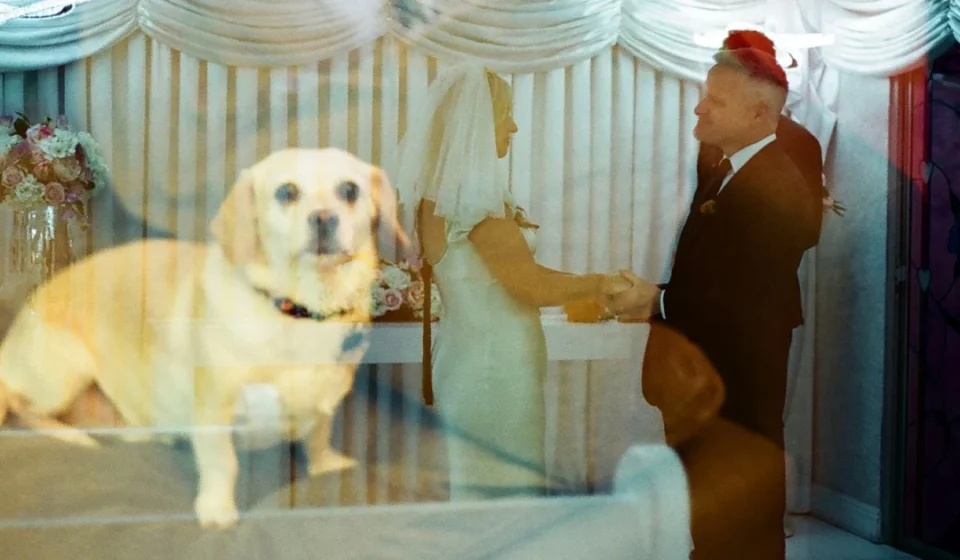
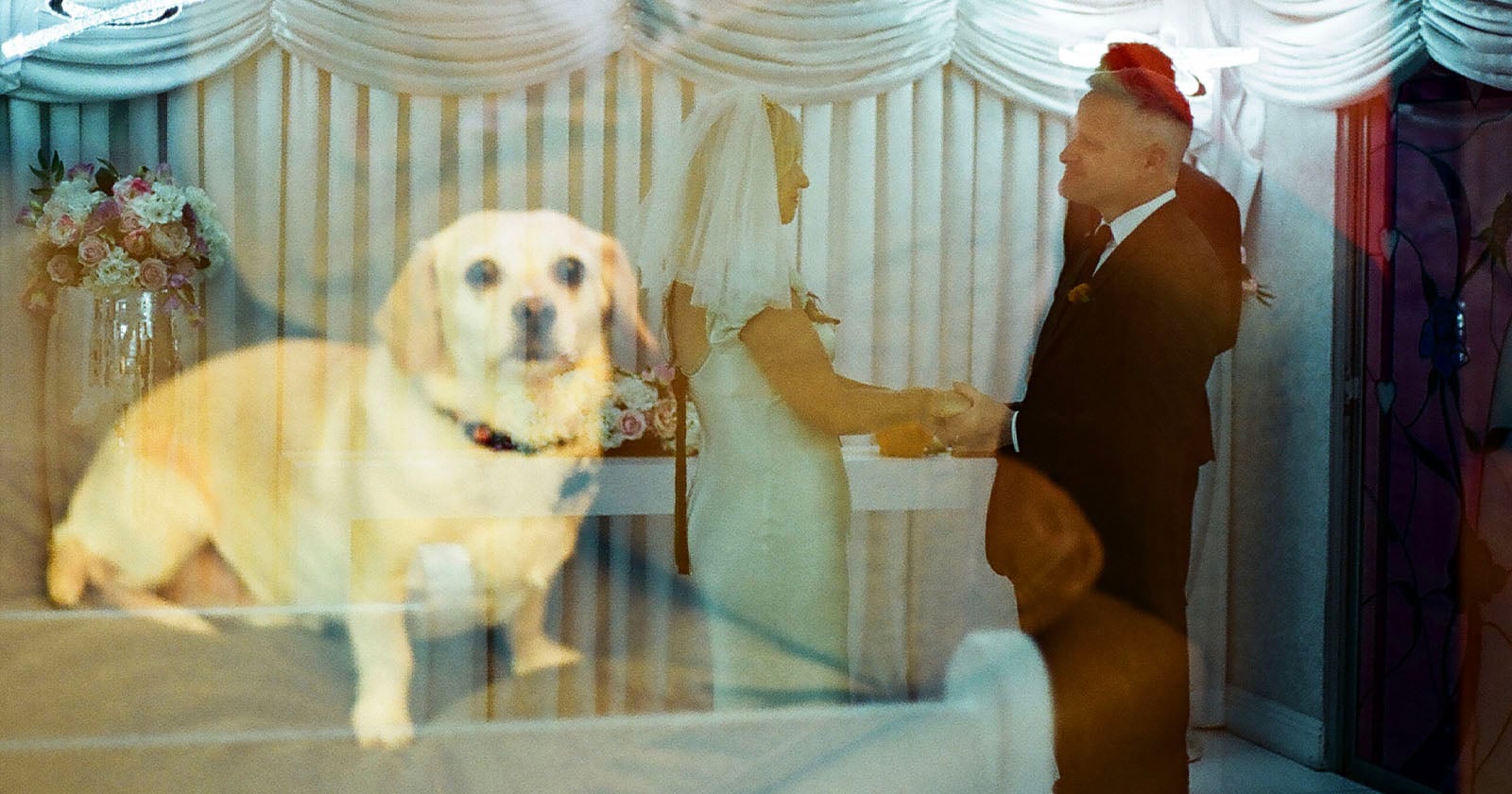
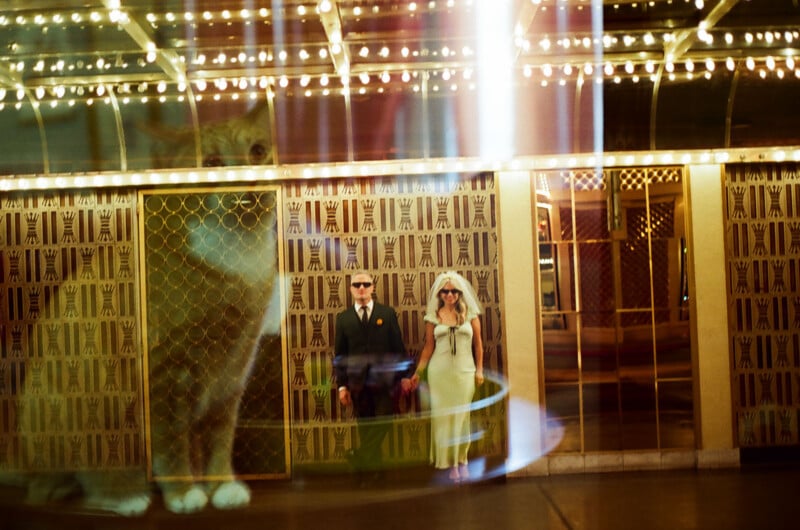
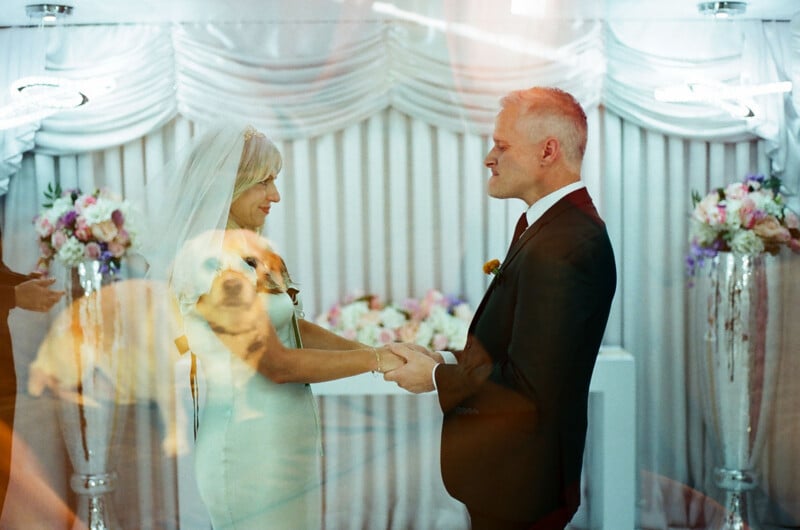
In the unpredictable world of analog film photography, technical errors frequently spell disaster, resulting in blank exposures, light leaks, or blurry frames. However, every so often, a mechanical quirk gives birth to a serendipitous masterpiece. This exact phenomenon recently captivated the photography community when wedding and lifestyle photographer Jewel Fiorillo shared a batch of images on Instagram. While testing out a new vintage film camera, Fiorillo accidentally double-exposed an entire roll of film, seamlessly blending the romantic solemnity of a wedding ceremony with casual, ghostly frames of household pets and neon-lit cityscapes.
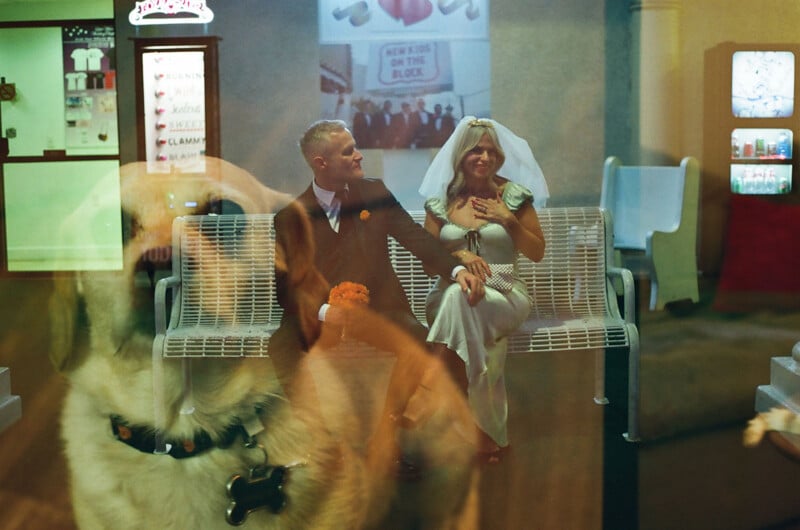
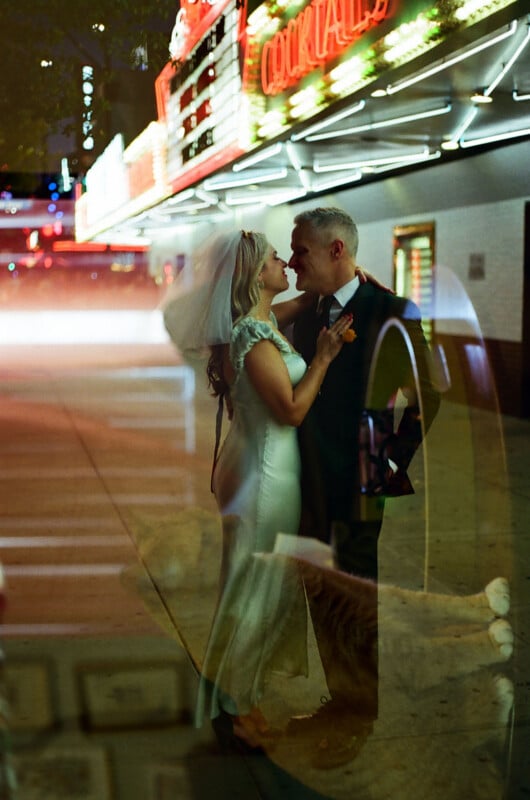
The resulting collection features surreal compositions: a bride and groom holding hands while a translucent, giant dog’s face hovers in the foreground; a couple sitting on a bench viewed through a window layered with the ghostly silhouette of a cat; and intimate portraits overlaid with vintage signage. Far from being a professional catastrophe, the mistake—born from the idiosyncrasies of a classic 1976 Canon AE-1 35mm SLR camera—turned into a viral sensation. Social media users flooded Fiorillo’s comments section not with critiques, but with praise, with many declaring they would gladly pay extra for such artistic, ethereal effects.
Chronology of the Shoot and Discovery
The story began when Fiorillo, a self-taught photographer with no formal academic background in the medium, acquired a vintage 1976 Canon AE-1 SLR. Known for its reliability and widespread popularity among analog enthusiasts, the camera is also notorious for a specific mechanical vulnerability related to its film transport system.
To prepare the camera for her professional workflow, Fiorillo needed to test its mechanical integrity, light seals, and shutter speeds in real-world scenarios. Rather than risking a high-stakes, paid client commission, she opted to shoot a casual, unpaid wedding for a couple who volunteered to help her break in the new gear. Throughout the ceremony and subsequent portrait sessions, Fiorillo shot frame after frame, completely unaware that a subtle mechanical failure was occurring inside the camera body.
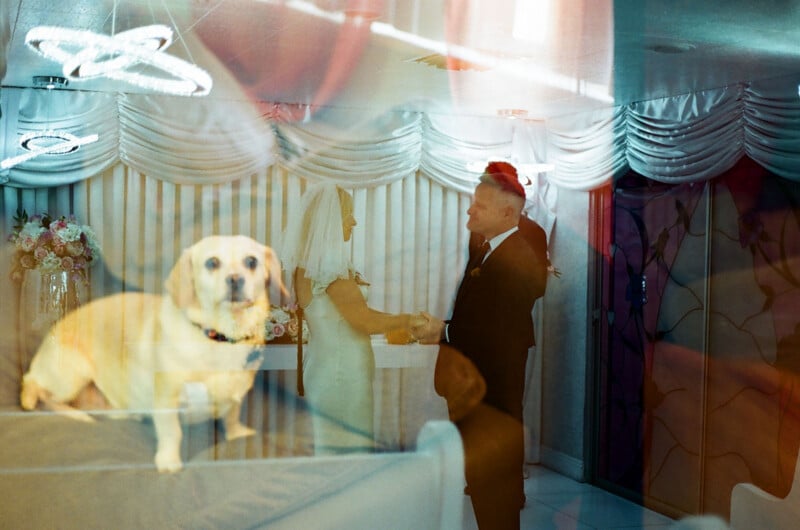
Upon finishing the roll, she sent the film off for processing. When the scans were returned, the reality of the double exposures became clear. Instead of advancing the film after each click of the shutter, the camera had repeatedly exposed new images over previously shot frames. Rather than discarding the ruined roll, Fiorillo recognized the unique aesthetic value of the overlap and decided to showcase the unexpected art online, sparking widespread fascination.
Supporting Data and Technical Mechanics
To understand how Fiorillo’s viral mistake occurred, one must examine the mechanical anatomy of the iconic Canon AE-1. Introduced in 1976, it was one of the first microcomputer-equipped 35mm SLR cameras, revolutionizing the consumer photography market with its shutter-priority auto-exposure mode. However, like many mechanical and electro-mechanical cameras of that era, certain manual controls can be inadvertently triggered.
In the case of accidental double exposures on the Canon AE-1, the culprit is typically the film rewind button located on the bottom plate of the camera body. This small button is designed to be pressed inward when a photographer has finished shooting an entire roll and is ready to rewind the film back into its canister.
However, if this button is accidentally depressed—or if it fails to pop back out properly—the clutch disengages the film take-up spool. Consequently, when the photographer advances the film winding lever for the next shot, the internal sprockets cock the shutter and advance the frame counter, but the actual strip of film remains completely stationary. The next photograph is then exposed directly over the top of the previous latent image.
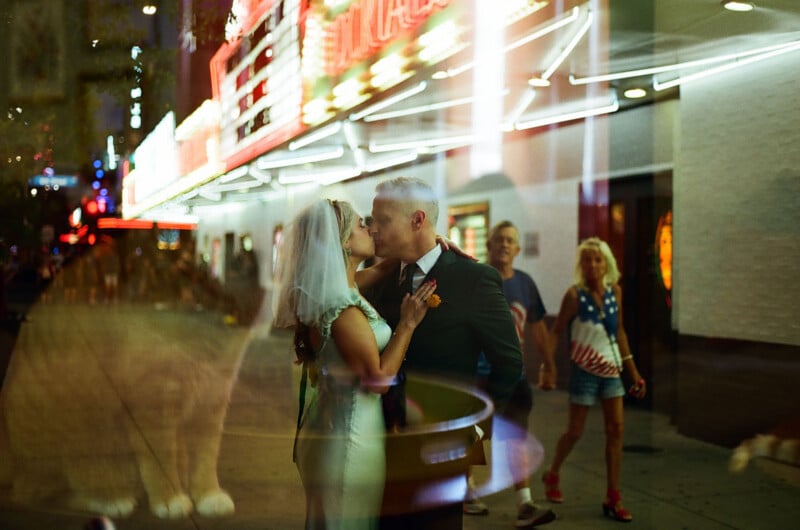
While double exposure can be deliberately utilized as an advanced creative technique, doing so entirely by accident requires a precise alignment of subjects, lighting, and composition. In Fiorillo’s case, the stark contrast between the brightly lit indoor spaces, theater marquees, and the dark silhouettes of her pets created a striking visual harmony when layered over the traditional attire of the wedding party.
Official Responses and Public Reaction
When Fiorillo published the accidental images on Instagram, she anticipated a modest reaction, perhaps even some gentle technical critiques from fellow analog purists. Instead, the post went viral, striking a chord with both photography professionals and the general public.
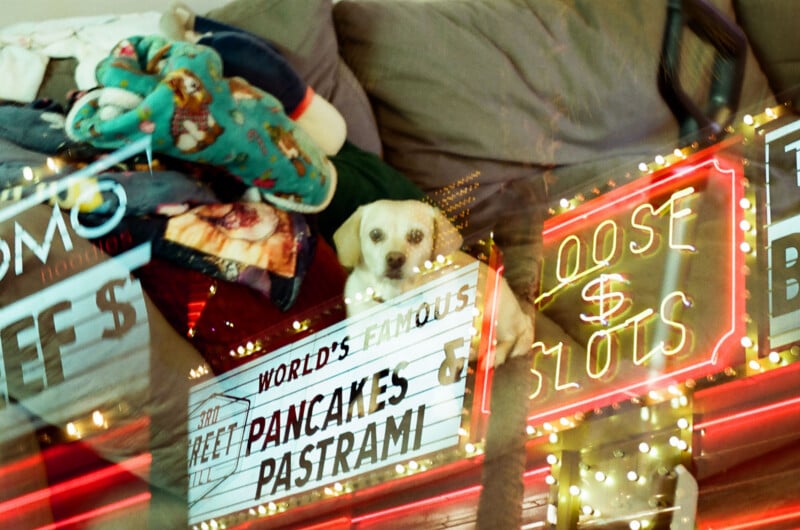
The comment section quickly transformed into a gallery of awe and humor. Instagram users marveled at the narrative implications of the overlay effects. One viral comment joked, "Why does it look like she’s marrying a man that secretly used to be a dog but was transformed into a human by a witch and he still has the soul of a dog inside him?"
Other responses highlighted a shift in consumer expectations regarding perfection in wedding photography. Multiple users asserted that modern clients often pay top dollar for artificial, digital filters meant to replicate vintage film traits, making an authentic, happy accident infinitely more valuable. Comments such as "I would pay extra for this tbh" and "I would genuinely be so excited about this" underscored a growing appreciation for organic, imperfect art in an era dominated by hyper-processed, clinical digital imagery.
Fiorillo herself embraced the outcome, using the moment to reflect on her journey as a self-taught creative. She emphasized that mastering film photography requires navigating a steep learning curve filled with ruined frames, light leaks, and mechanical surprises. By sharing her mistakes transparently, she humanized the artistic process, reminding her audience that growth often comes from unexpected errors.
Implications for Modern Photography
The viral success of Fiorillo’s accidental double-exposure wedding shoot carries several broader implications for the contemporary photography landscape, bridging the gap between traditional analog techniques and modern digital workflows.
1. The Renaissance of Imperfection
In an age where smartphone cameras utilize advanced artificial intelligence to eliminate noise, correct lighting instantly, and ensure every image is "technically perfect," consumer fatigue is setting in. The widespread adoration for Fiorillo’s flawed photos proves that audiences crave authenticity, serendipity, and human error. Imperfections—once viewed as failures to be corrected—are increasingly recognized as unique signatures of artistic character.
2. The Resurgence of Analog Gear
Stories like this serve as powerful marketing for the vintage camera market. As younger generations discover or return to 35mm film photography, the tactile experience of winding levers, manual focus rings, and mechanical quirks offers a refreshing antidote to frictionless digital shooting. The unpredictability of analog media creates an element of excitement that digital sensor technology simply cannot replicate.
3. Deliberate Craft vs. Happy Accidents
While accidental double exposures are usually consigned to the waste bin, many contemporary photographers actively seek to recreate this aesthetic intentionally. Modern mirrorless camera systems now frequently include built-in multi-exposure software modes, allowing digital shooters to layer frames in-camera. Additionally, software suites like Adobe Photoshop have entire tutorial ecosystems dedicated to teaching digital artists how to recreate the exact ghostly, layered aesthetic that Fiorillo achieved by pure chance.
Ultimately, Jewel Fiorillo’s viral experiment demonstrates that stepping away from rigid perfectionism can lead to the most rewarding creative breakthroughs. By treating a mechanical mishap as an opportunity for artistic exploration, she not only created an unforgettable wedding memento for her volunteer subjects but also reminded a global audience of the magical, unpredictable nature of photography.
Related posts: