
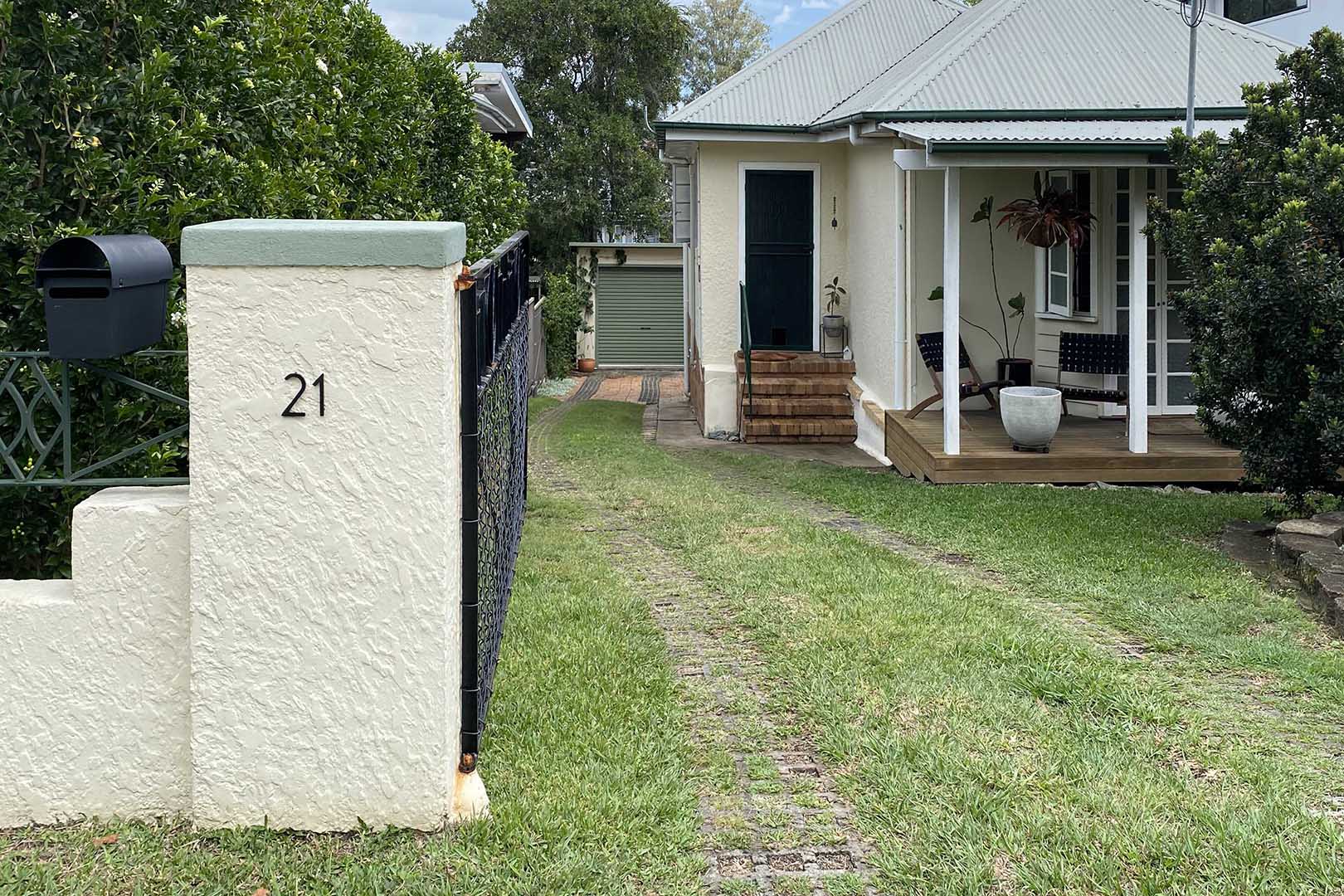
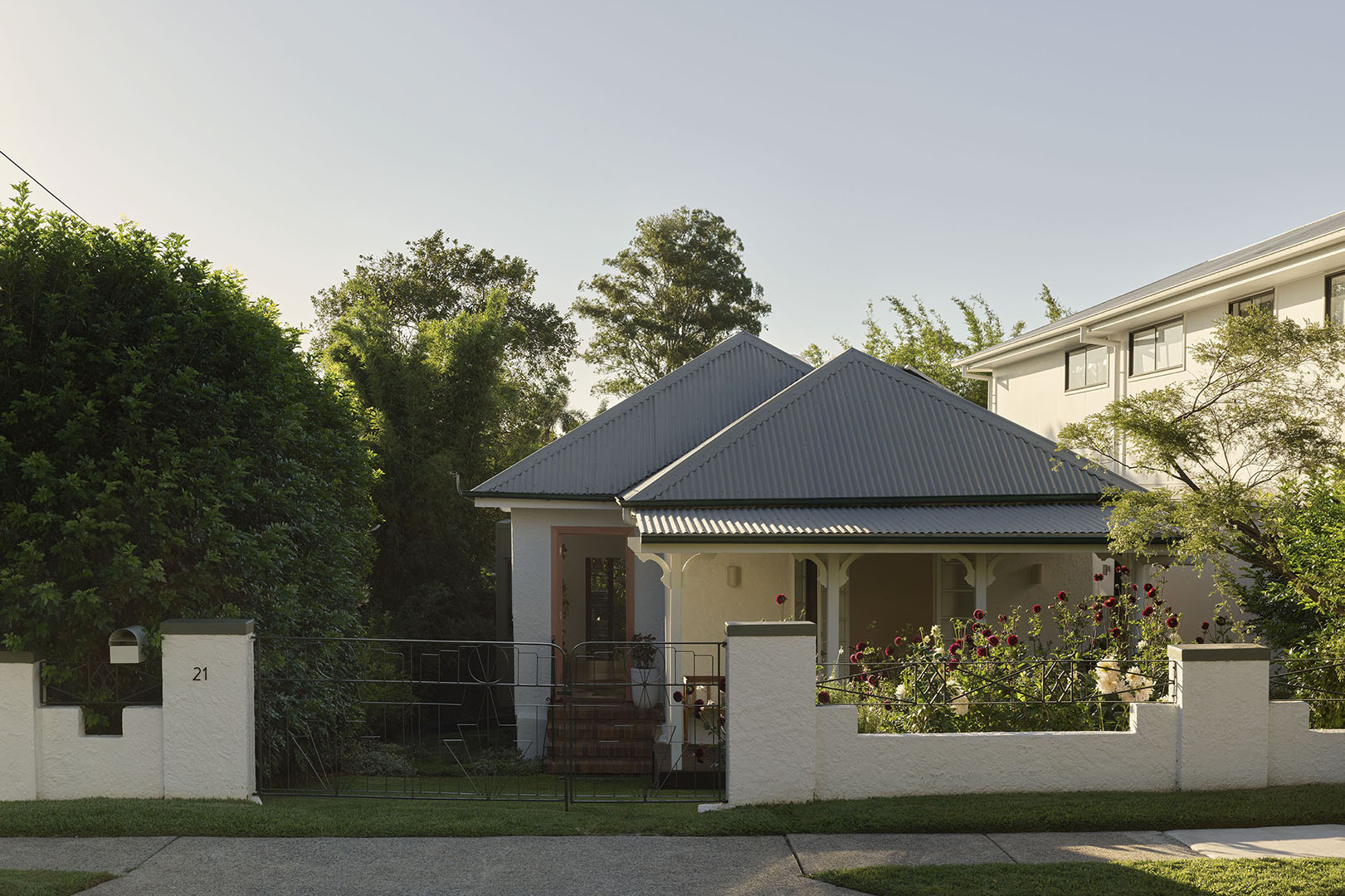
In the rapidly gentrifying suburbs of Brisbane, Australia, the "demolition-first" mentality has long been the default for property developers and homeowners alike. The neighborhood’s classic cottages, with their historical charm and weathered timber, are often razed to make way for oversized, boxy modern constructions. However, Honi Roberts chose a different path. Upon purchasing her modest cottage, she made a binding promise to the previous owner: the original structure would stay.
What followed was not merely a construction project, but a sophisticated dialogue between the past and the present. By partnering with architect Rebecca Caldwell of Maytree Studios, Roberts proved that one does not need to destroy history to embrace modern comfort. The result is a home that honors its heritage while completely reconfiguring its relationship with the outdoors.
Main Facts: A Dual-Identity Dwelling
The project centered on a fundamental tension: how to maintain the character of a historic cottage while introducing the light, ventilation, and indoor-outdoor connectivity expected in contemporary Australian living.

The strategy was one of surgical precision. Rather than a total overhaul, the design team focused on a modest, high-impact addition. Key features of the renovation include:
- Terraced Integration: A complete restructuring of the rear exit, replacing a disconnected, elevated deck with a series of terraced patios that bring the home down to the level of the garden.
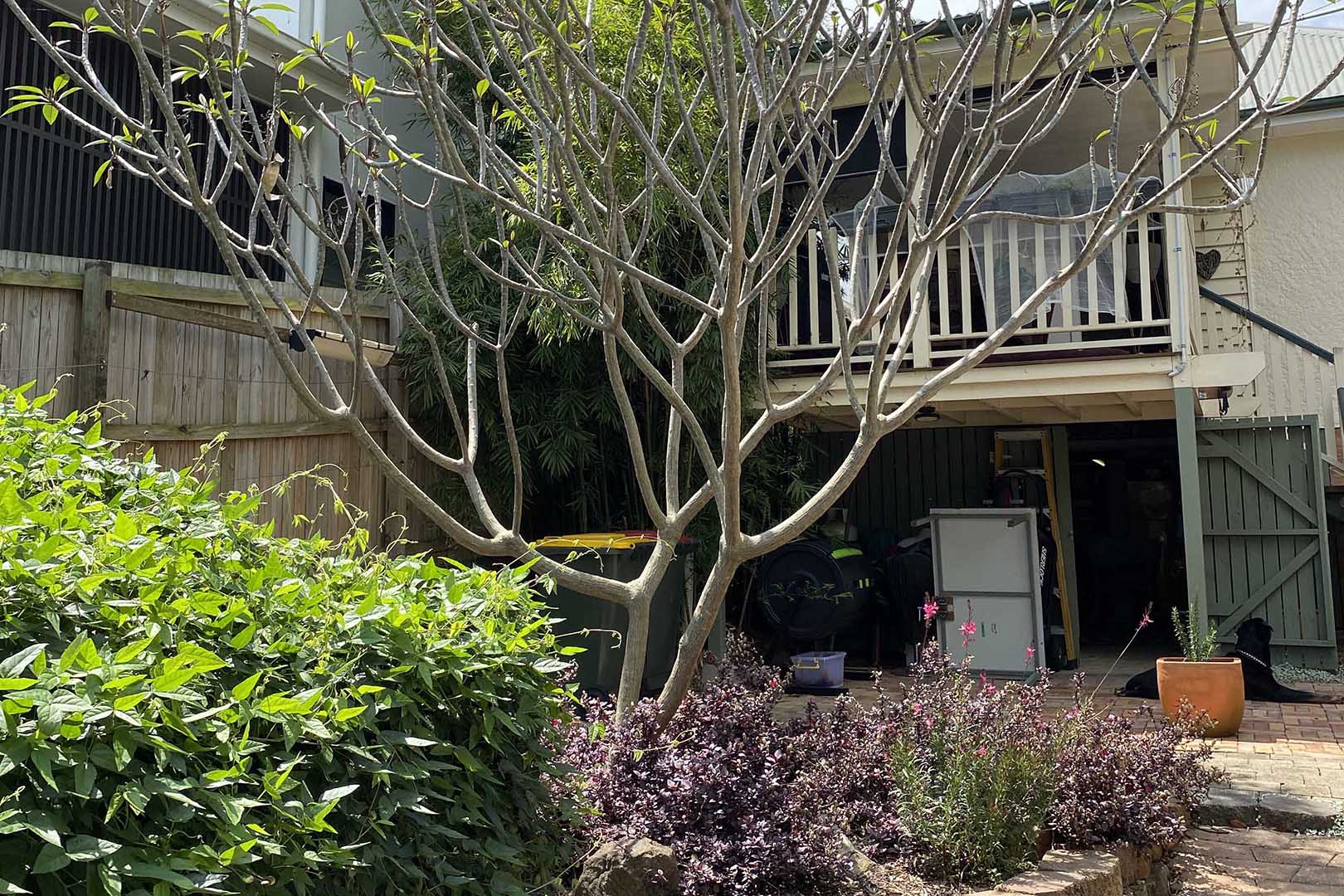
- The Frangipani Anchor: The preservation of a mature, central frangipani tree, which dictated the architectural footprint and served as the visual focal point for the interior.
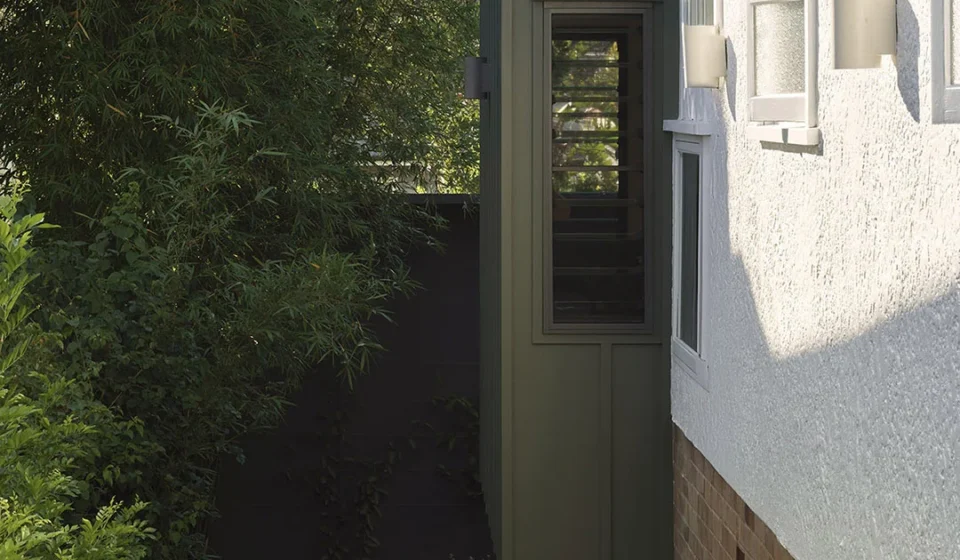
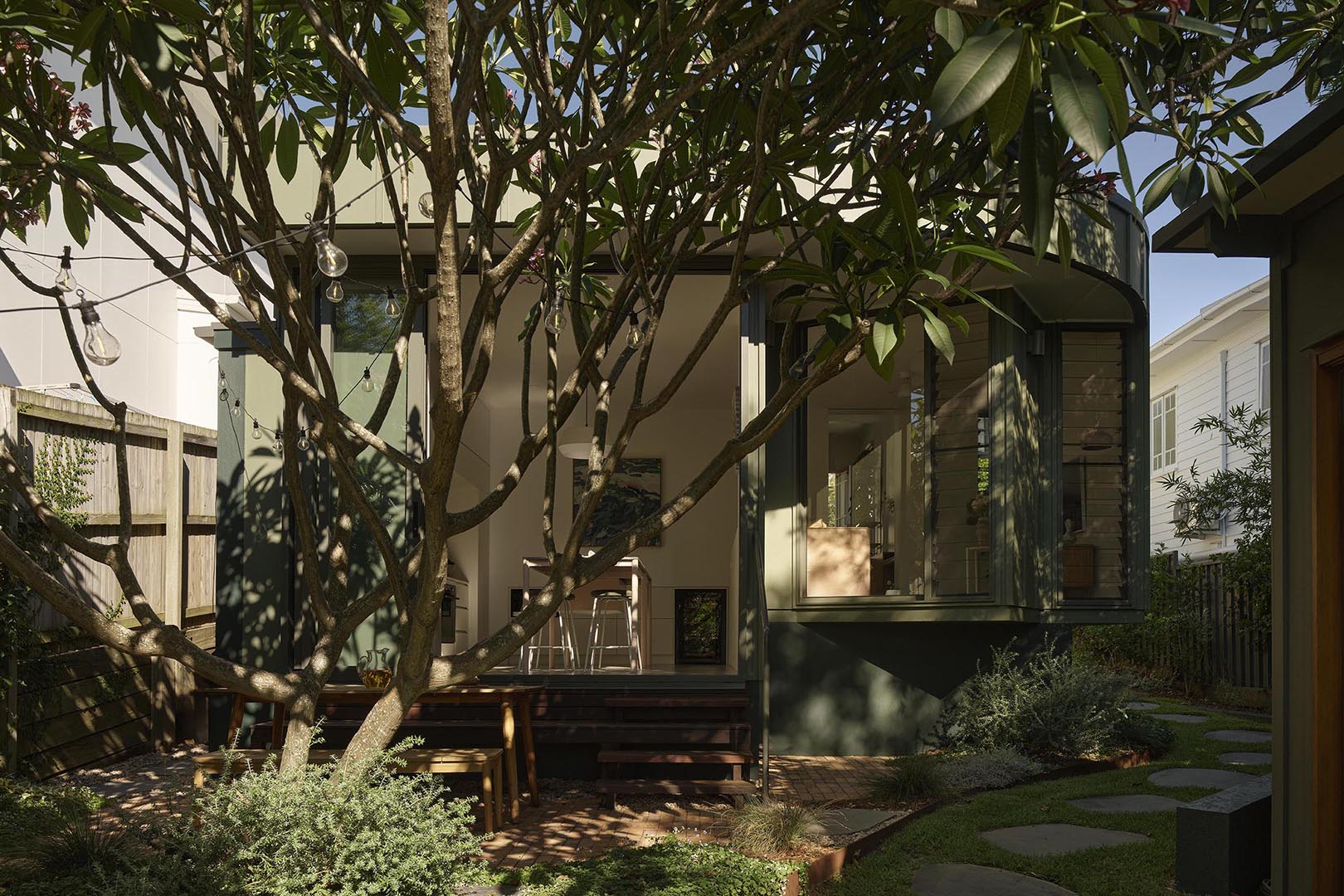
- Material Contrast: The preservation of the front-facing historic facade, complemented by a modern, olive-green rear addition featuring a sculptural, curved roofline and angular, oversized windows.
- Landscape Continuity: The integration of existing curved garden beds, now refined with modern corten-steel edging to create a seamless transition between the built environment and the lush greenery.
Chronology of a Transformation
The renovation journey began with a realization that the existing home was essentially "looking the wrong way." The original interior was dark, disconnected, and functioned in isolation from the vibrant yard that Roberts envisioned as an extension of her living space.
Phase 1: The Promise and The Plan
The initial phase involved a careful audit of what could be saved. The historic front porch and the intricate stucco detailing around the bay windows were identified as non-negotiable heritage elements. Roberts and the team at Maytree Studios decided to add subtle, decorative brackets to the columns, subtly reinforcing the "cottage" aesthetic from the street level.
Phase 2: Bridging the Gap
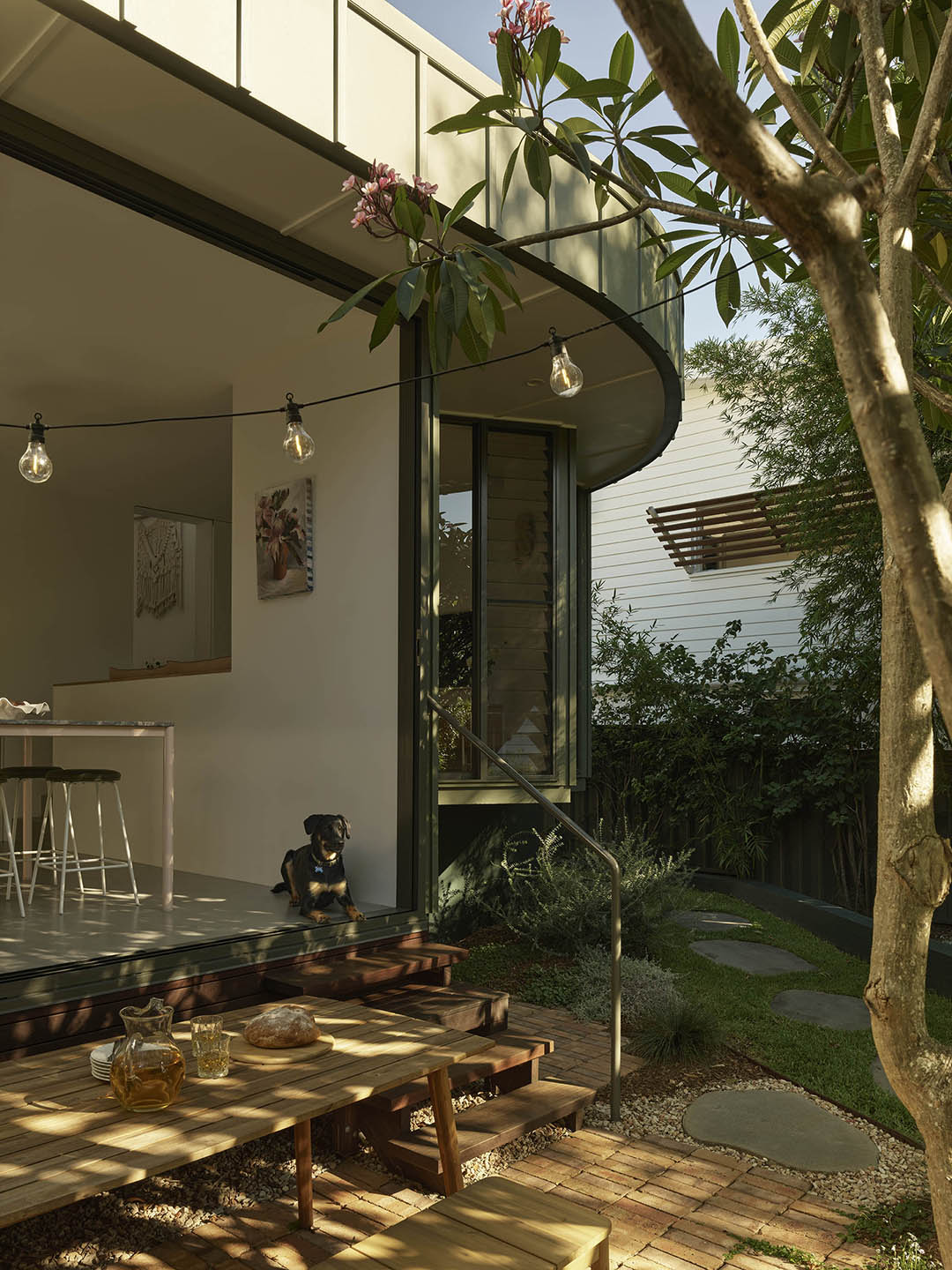
Previously, the house was separated from the garden by a steep, single-flight staircase leading to a high, utilitarian deck. This created a physical and psychological barrier. Construction began on a tiered patio system, effectively "stepping" the house down into the yard. This lowered the elevation, making the transition from kitchen to garden feel like a natural flow rather than a descent.
Phase 3: The Organic Addition
Rather than forcing a rigid box onto the property, the team used the garden’s existing layout to inform the architecture. The curved lines of the mature landscape were mirrored in the roofline of the new addition. By working around a large, pre-existing frangipani tree, the architects ensured that the new windows acted as frames for the natural world, turning the tree into a living art installation.
Phase 4: Planting and Finishing
Once the structural work was complete, the final phase involved a curated planting scheme. The front garden was transformed with a seasonal cycle of burgundy and peach dahlias, while the rear and side gardens were reinforced with low-maintenance ground cover, fruit trees, and privacy-focused hedging.
Supporting Data: The Value of Preservation
While many homeowners worry that preserving an older structure limits their property value, the Brisbane cottage project suggests the opposite. Real estate data in urban Australia consistently shows that "character homes" that have been sensitively renovated command a significant premium over "knock-down-rebuild" properties, which are often perceived as lacking in soul or unique architectural merit.
Furthermore, the environmental footprint of the renovation was substantially lower than a full demolition. By retaining the existing foundations and primary structural walls of the cottage, the project significantly reduced construction waste and the carbon-intensive use of new materials like concrete and steel.
The use of corten-steel—an alloy that develops a protective, rust-like patina over time—also speaks to a long-term sustainability strategy. It requires minimal maintenance and ages gracefully, ensuring that the addition will continue to look better as the years pass.
Official Responses and Expert Perspectives
Architect Rebecca Caldwell has noted that the project was a lesson in "listening to the site."
"When you walk into a space, the land usually tells you what it wants," Caldwell explained in a recent project review. "The cottage wanted to stay a cottage, but the lifestyle of the occupant demanded a more fluid connection to the outdoors. By choosing to work with the mature trees rather than against them, we created a home that feels like it has been here for decades, even though the rear is entirely contemporary."
The project has been praised by local design circles for its "restrained ambition." Unlike projects that seek to announce their modernity through aggressive juxtaposition, the Roberts cottage uses subtlety. The choice of an olive-green facade for the rear addition was intentional—it allows the structure to recede into the greenery, effectively camouflaging the new architecture within the established garden.
Implications: A Model for Future Urban Living
The success of this Brisbane cottage offers a blueprint for how cities can handle the challenge of densification without sacrificing their aesthetic identity.
1. The Death of the "White Box"
The project serves as a rebuttal to the trend of building monochromatic, glass-and-white-stucco boxes that ignore the context of their neighborhoods. It demonstrates that modern living is entirely compatible with heritage, provided that architects are willing to engage in a design process that prioritizes site-specific solutions over off-the-shelf blueprints.
2. The Backyard as a Third Living Space
The transformation of the Brisbane cottage highlights a shift in residential priorities. Following the global increase in time spent at home, the "backyard" has evolved from a simple green space into a critical third living area. The integration of seating, shade, and direct access from the main living quarters shows that the line between "indoors" and "outdoors" is increasingly obsolete.
3. Sustainability through Stewardship
Perhaps the most profound implication of this project is the role of the homeowner as a steward. By honoring the promise made to the previous owner, Roberts protected a piece of the neighborhood’s history. This suggests that the most sustainable home is often the one that already exists, and that the "greenest" renovation is the one that avoids the heavy carbon cost of demolition.
In conclusion, the Brisbane cottage is a testament to the idea that architecture is not just about building; it is about editing. By removing what didn’t work—the steep, disconnected deck and the dark, cramped interiors—and preserving what did, Honi Roberts and Maytree Studios have created a space that is as functional as it is beautiful. It is a quiet, confident reminder that in a world obsessed with the new, there is immense value in the art of the intentional renovation.