
As the landscape of social media undergoes a fundamental shift toward decentralization, Bluesky has emerged as a compelling alternative for brands weary of the “pay-to-play” mechanics of traditional platforms. Unlike the opaque, algorithm-heavy environments of X (formerly Twitter) or Threads, Bluesky functions as a community-first network built on the AT Protocol. For marketers, this represents a pivot from broadcasting to building—a shift where relevance, authenticity, and niche engagement are the primary drivers of success.
Main Facts: The Architecture of Discovery
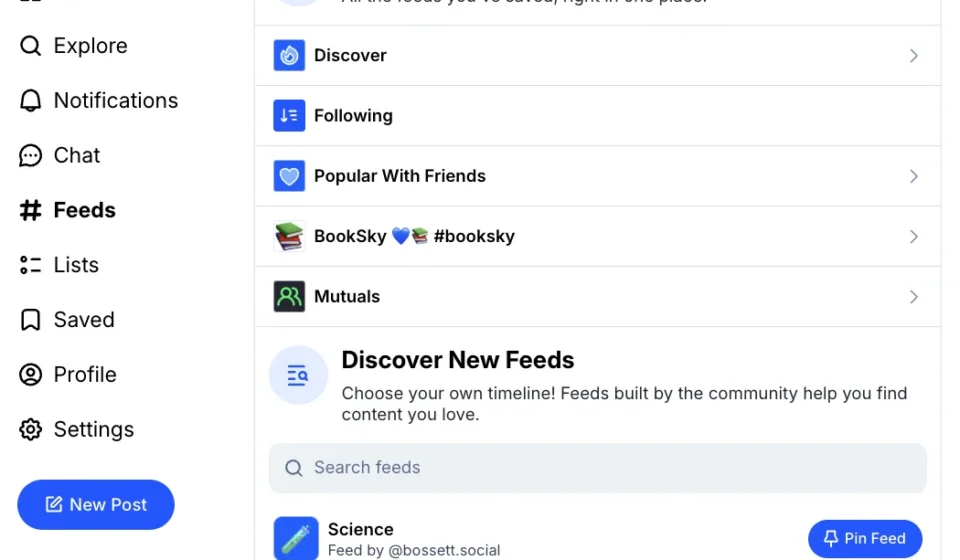
At its core, Bluesky is a decentralized social network that empowers users rather than platforms. Because it is built on the AT Protocol, no single corporation exerts absolute control over discovery. Instead, users own their experience by opting into community-built "Custom Feeds."
This structural difference is vital for brands. On legacy platforms, visibility is often determined by a black-box algorithm designed to maximize ad revenue and time-on-site. On Bluesky, visibility is tied to intent. When a brand joins a conversation, they are participating in a space where users have actively chosen to curate their interests. This creates a transparent, interest-driven model that rewards meaningful interaction over sheer scale.
Chronology: The Rise of a New Digital Commons
The trajectory of Bluesky has moved from an invite-only experimental project to a significant hub for early adopters, journalists, and tech professionals.
- The Inception Phase: Initially conceived within Twitter (prior to its acquisition), the project was spun out to focus on an open, decentralized standard for social media.
- The Early Adoption Phase: During its beta period, Bluesky became the go-to destination for the “Twitter diaspora”—power users who sought a platform that prioritized chronological timelines and moderation controls.
- The Expansion Phase: Following its public launch, the network saw a surge in registrations from media professionals, researchers, and developers. By early 2025, surveys—such as those conducted by Fire on the Hill—confirmed that Bluesky had achieved higher adoption rates among journalists than its primary competitors.
- The Professional Integration Phase: Today, the platform is transitioning into a mature space where forward-thinking brands are formalizing their presence, utilizing custom domains for verification, and establishing long-term community management strategies.
Supporting Data: Why the Audience Matters
While Bluesky may not offer the massive, unfocused reach of legacy networks, it provides high-intent access to influential demographics. The platform currently hosts a concentrated audience of tech-savvy individuals, developers, and communicators.
Data suggests that the "quality-over-quantity" trade-off is paying off. Engagement on Bluesky is characterized by high-relevance replies and threading, which are stronger indicators of brand affinity than passive "likes." For B2B companies, particularly in SaaS, cloud infrastructure, and public affairs, this audience is exceptionally valuable. These are the decision-makers, media gatekeepers, and early adopters who shape industry narratives. By establishing a presence now, brands can secure a competitive advantage before the platform reaches mainstream saturation.
Official Responses and Platform Philosophy
The ethos of Bluesky is rooted in the concept of "user agency." Official communications from the platform emphasize that the network is not intended to be a monolithic advertising machine. Instead, the team behind the AT Protocol has built an ecosystem where brands are treated as peers rather than sponsors.
This has been mirrored by the organic success of brands like Barnes & Noble, who have demonstrated that successful engagement on Bluesky looks like a helpful, real-time response to a customer query rather than a polished, programmatic advertisement. The official stance is clear: the platform is a space for dialogue, and the tools provided—such as domain-based verification—are designed to foster trust in an era of rampant misinformation.

Implications for Modern Marketing
For the marketing department, the move to Bluesky is not just an added task; it is a strategic repositioning.
1. The Death of the "Broadcast" Mindset
On Bluesky, the old habit of pushing out generic marketing copy will fail. The platform’s architecture penalizes low-value content through its decentralized nature. Brands must transition to a "participatory" mindset, where the goal is to contribute to ongoing conversations within their niche rather than interrupting them.
2. The Power of Custom Domains
One of the most significant features of the platform is the ability to use a custom domain (e.g., @yourbrand.com) as a handle. This provides an immediate layer of authentic verification that is superior to the paid-check-mark systems seen elsewhere. It reinforces brand identity and ensures that users can easily confirm they are interacting with the official entity.
3. The Shift to Custom Feeds
Brands that master the creation of their own Custom Feeds—curated lists of content centered around their industry pillars—position themselves as industry leaders. By building a Feed, a brand becomes a destination for information, effectively owning a piece of the discovery infrastructure.

Building Your Strategy: A Nine-Step Blueprint
Step 1: Align Goals with Organic Reality
Success should not be measured by vanity metrics. Instead, define success through sentiment analysis, the quality of replies, and the ability to influence niche conversations.
Step 2: Define Your Niche and Voice
Because of the community-centric nature of the platform, your voice must be authentic. Whether your brand is technical, playful, or authoritative, consistency is key. Identify your content pillars and ensure they align with the interests of your target community.
Step 3: Secure Your Identity
Prioritize the custom domain setup. It is a one-time technical investment that yields long-term trust dividends.
Step 4: Master the Art of "Listening"
Before posting, spend time in the ecosystem. Identify the most active Feeds in your space and observe the tone, the humor, and the grievances of your audience.

Step 5: Leverage Custom Feeds and Hashtags
Understand that your posts won’t just appear in a "global" feed; they will appear in specific, user-subscribed Feeds. Use relevant, specific hashtags to ensure your content is indexed correctly by these mini-algorithms.
Step 6: Create Your Own Feed
Move from participant to curator. A branded Feed is an evergreen asset that keeps your community engaged and positions your brand as a helpful filter in a noisy digital world.
Step 7: Develop Core Themes
Select three to five topics that your brand is an authority on. This focus helps the community understand exactly what value you bring to the table.
Step 8: Sustain a Cadence
Consistency is more important than volume. A few high-quality, thoughtful posts per week, supplemented by active engagement in the replies of others, is superior to a high-frequency posting schedule.

Step 9: Monitor for Signals
Use social listening tools to detect early narrative signals. Because the platform is home to journalists and researchers, it is often the "canary in the coal mine" for industry trends and reputational shifts.
Future-Proofing Your Brand Presence
As the social media landscape fractures, the move toward decentralized, protocol-based networks appears irreversible. By building a strategy on Bluesky today, organizations are not just chasing a trend; they are future-proofing their social media presence.
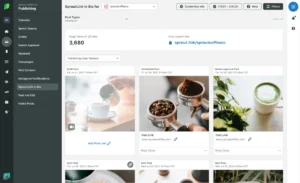
The integration of robust social management tools—such as Sprout Social—is essential for this transition. These tools allow teams to manage their Bluesky presence alongside other channels, providing the analytics and scheduling capabilities necessary to maintain a professional standard without sacrificing the platform’s required authenticity.
In conclusion, Bluesky offers a rare opportunity for brands to reset their social strategy. It is a space that favors the brave, the authentic, and the helpful. As the ecosystem continues to evolve, the brands that succeed will be those that treat the platform not as a megaphone, but as a community where they are a welcome and consistent participant. By embracing the decentralized shift now, brands can establish a foundation of trust that will pay dividends for years to come.