
The Definitive Guide to Instagram Reel Hashtags in 2026: A Data-Driven Strategy for Reach

In the high-stakes landscape of social media, Instagram Reels remain the undisputed heavyweight champion of the platform. However, the days of "hashtag stuffing"—the practice of hiding thirty generic tags in your caption or comments—are long behind us. As we navigate the digital environment of 2026, the intersection of AI-driven discovery and refined SEO (Search Engine Optimization) has transformed how hashtags function. They are no longer a magic wand for virality; they are precise metadata signals that tell Instagram’s artificial intelligence exactly who should see your content.
This guide explores the modern mechanics of hashtag strategy, offering insights into how brands can leverage these tools to drive sustainable growth, foster community, and improve ROI.
Main Facts: The Evolution of Hashtag Utility
The primary function of a hashtag today is to act as a categorization tool. When you post a Reel, Instagram’s AI scans the video, the audio, the on-screen text, and your caption keywords to index your content. Hashtags provide the final piece of the puzzle, confirming the context of your video to ensure it is served to users with a proven interest in that niche.
Key Takeaways:
- Relevance over Volume: A handful of highly specific, context-rich hashtags will always outperform a laundry list of broad, trending terms.
- SEO Integration: Hashtags must now be viewed as part of a holistic Instagram SEO strategy. If your caption doesn’t contain the same keywords as your hashtags, you are missing out on search engine discoverability.
- The 3–5 Rule: The industry consensus for 2026 is to utilize between three and five highly relevant hashtags. This keeps your metadata focused and prevents the algorithm from misinterpreting your niche.
Chronology: From Viral Hacks to Algorithmic Metadata
To understand why your current strategy might be underperforming, one must look at the shift in Instagram’s architecture over the last five years.

- 2020–2022 (The "Wild West"): During the inception of Reels, users relied on "hacky" methods, including mass-tagging and hidden comments. The goal was to trick the algorithm into showing content to as many people as possible, regardless of interest.
- 2023–2024 (The Rise of AI): Instagram shifted its focus toward "interest-based graphs." The algorithm began prioritizing dwell time and engagement depth, rendering generic hashtags less effective.
- 2025–2026 (The SEO Era): Instagram launched robust search features that function similarly to Google. Today, the platform processes caption text, alt text, and hashtags as a cohesive signal. Content creators are now required to act as search-friendly curators, ensuring that every word serves a purpose.
Supporting Data: Why Strategy Triggers Growth
Data from the 2026 Social Media Content Strategy Report underscores that engagement is no longer just about the number of views—it is about the quality of the audience.
Brands that utilize a "mixed-tier" hashtag strategy see a 22% higher conversion rate compared to those using generic, high-volume tags. By balancing Broad (Category-level), Niche (Community-level), and Branded (Company-level) tags, brands create a funnel that attracts both new discovery and loyal followers.
- Broad Tags: e.g., #TravelTips (High search volume, high competition).
- Niche Tags: e.g., #SoloTravelAsia (Lower volume, high intent).
- Branded Tags: e.g., #YourBrandName (Exclusive to your community).
When these are combined, the algorithm receives a clear signal: you are part of a larger conversation, you serve a specific community, and you have a unique brand identity.
Official Perspectives: The Algorithm’s Intent
While Instagram’s engineering team keeps the exact weight of each signal proprietary, their public guidance consistently points toward "user experience" and "content relevance." Official recommendations suggest that hashtags should be used to describe the content of the video, not to solicit engagement (e.g., #LikeForLike is effectively dead).
When a brand uses irrelevant hashtags, the algorithm tests the video with a small segment of the audience interested in that tag. If those users scroll past, the algorithm concludes the content is low-quality or mislabeled, effectively "burying" the reach. Conversely, precise tagging ensures your content reaches a "High Affinity" audience—users who are statistically likely to interact, save, or share.

Implications for Your 2026 Strategy
If your Reels are not landing, it is rarely due to a lack of hashtags; it is due to a lack of alignment. Here is how to audit your current approach:
1. Optimize Your Caption for SEO
Since Instagram reads your entire caption, your hashtags should act as the "closing argument." If your video is about "Morning Fitness Routines," your caption should contain those words, and your hashtags should reinforce them (#FitnessMotivation, #MorningWorkout).
2. The "3-5" Rule in Practice
Avoid the temptation to fill all 30 available slots. Focus on:
- One broad category tag (to help the AI categorize the industry).
- Two niche community tags (to reach your target buyer persona).
- One branded tag (to build your unique archive).
3. Placement Matters
Always place hashtags in the caption, not the comments. Instagram processes caption metadata at the exact moment of publication. Placing tags in the comments creates a delay in indexing, which can cause you to miss the critical "first-wave" of distribution when your video is freshest.
Common Pitfalls: What to Avoid
To protect your account from reach suppression, avoid these common mistakes:
- "Banned" Hashtags: Occasionally, tags become associated with spam or inappropriate content. If you use a banned hashtag, your entire post may be shadowbanned. Periodically check your tags to ensure they are clean.
- Recycling Tags: Copy-pasting the exact same block of 30 tags on every video signals to the algorithm that you are a bot or a low-effort account. Rotate your tags based on the specific content of each Reel.
- Irrelevance: Using #Viral or #FYP is rarely effective. These tags are so overused that they provide zero meaningful signal to the algorithm.
Future-Proofing Your Brand
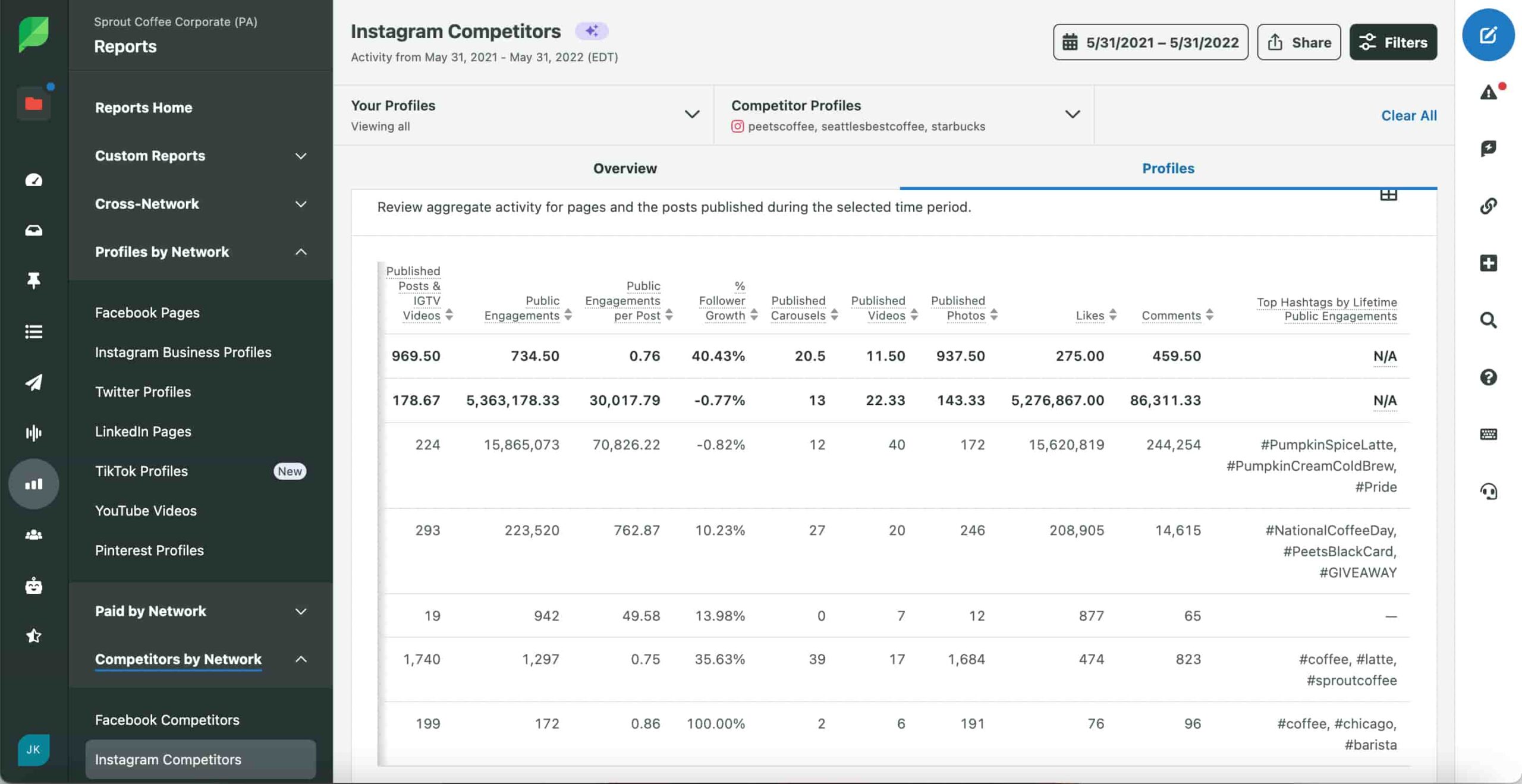
As we look toward the future of short-form video, the emphasis will continue to lean toward social listening. Tools like Sprout Social allow you to monitor which keywords your audience is already using in their own posts. By aligning your hashtag strategy with the language your customers use, you bridge the gap between "content creation" and "customer acquisition."
Final Verdict: In 2026, the best hashtag strategy is the one that is invisible to the user but highly legible to the machine. Focus on specificity, monitor your analytics for engagement shifts, and treat your tags as a living, breathing component of your marketing plan.
Ready to refine your approach? Start by auditing your last ten Reels. Identify which tags correlated with your highest engagement, cut the fluff, and start building a data-driven path to reach.