The Evolution of the Full-Service Landscape: How FSR Magazine is Shaping the Future of Hospitality

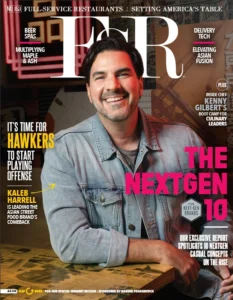
In an era defined by rapid technological disruption, shifting consumer demographics, and an increasingly volatile supply chain, the full-service restaurant (FSR) sector stands at a critical crossroads. As the industry moves toward 2026, the mandate for restaurateurs is clear: adapt or become obsolete. At the heart of this transformation is FSR Magazine, a publication that has established itself as the authoritative voice for decision-makers navigating the complexities of independent establishments, burgeoning hospitality groups, and the high-growth "NextGen" chains that are redefining the dining experience.
Main Facts: The Pulse of the Full-Service Sector
The full-service restaurant industry—encompassing table-service establishments ranging from local bistros to expansive multi-unit hospitality groups—represents a vital pillar of the global economy. Unlike the quick-service (QSR) segment, which prioritizes speed and transactional efficiency, the FSR space is anchored in the "experience economy."
Key facts defining the current landscape include:
- The Rise of the "NextGen" Chain: Emerging brands, typically defined by 5–50 locations, are currently the primary drivers of innovation. These chains often blend the operational rigor of corporate entities with the soul and customization typically found in independent restaurants.
- Operational Integration: Technology is no longer an "add-on" but the central nervous system of the modern restaurant. From AI-driven inventory management to personalized loyalty programs, data is the new currency of the kitchen.
- The Labor Paradigm: The post-pandemic labor market has forced a fundamental rethink of human capital. Strategies now focus heavily on retention, benefits, and career-pathing, moving away from the high-turnover models of the early 2000s.
- Sustainability and Transparency: Consumers are increasingly voting with their wallets, prioritizing brands that demonstrate ethical sourcing, waste reduction, and community engagement.
Chronology: The Road to 2026
The trajectory of the FSR space has been a whirlwind of resilience and adaptation. To understand where the industry is heading, one must look at the markers that brought us here:
2020–2021: The Great Pivot
The onset of the global pandemic forced the industry into a state of triage. Table-service restaurants that had never considered off-premise sales were forced to build "ghost kitchens" and delivery infrastructures in weeks rather than years. This period marked the permanent integration of digital channels into the FSR business model.
2022–2023: The Inflationary Squeeze
As the industry moved into a recovery phase, it was met with historic inflationary pressure. The cost of goods sold (COGS) skyrocketed, forcing operators to reconcile menu pricing with customer price sensitivity. This period saw the birth of the "premiumization" trend, where customers were willing to pay more, provided the quality and experience were demonstrably superior.
2024–2025: The Efficiency Era
Focus shifted from survival to optimization. Automation, particularly in the back-of-house (BOH), became the gold standard. Smart ovens, automated fryers, and predictive ordering systems helped operators mitigate the effects of a shrinking labor pool.
2026 and Beyond: The Hyper-Personalized Experience
As we look at the current year, the narrative has shifted to hyper-personalization. Restaurants are utilizing data analytics to anticipate guest preferences, creating a "concierge" style of service that bridges the gap between digital convenience and human hospitality.
Supporting Data: The Quantitative Landscape
To navigate the competitive FSR landscape, decision-makers rely on rigorous data analysis. Current industry metrics underscore several critical trends:
- Average Check Size Growth: Despite inflationary pressures, average check sizes have grown by approximately 18% over the last 36 months. This suggests that while volume has fluctuated, the "value" perceived by guests in a high-quality FSR environment remains robust.
- Digital Adoption Rates: Over 75% of NextGen chains now utilize integrated POS systems that offer real-time customer relationship management (CRM) data. This represents a 40% increase in digital adoption compared to 2020.
- Labor Costs as a Percentage of Revenue: Despite the focus on automation, labor costs remain the highest expenditure, averaging 30–35% of total revenue. However, the nature of these costs has changed, with a higher percentage of the budget now allocated to long-term employee incentives rather than just hourly wages.
- Independent Survival Rates: Independent restaurants that embraced hybrid models (dine-in + high-quality takeout/delivery) have seen a 22% higher survival rate than those that remained strictly dine-in.
Official Perspectives and Industry Voices
Industry leaders and hospitality experts often highlight the tension between the "art" of cooking and the "science" of operating.
"The future of the full-service sector isn’t just about food; it’s about the friction-less delivery of joy," notes a leading hospitality consultant. "When an independent owner can leverage the same predictive data as a massive chain, the playing field levels. That is where FSR Magazine serves as a critical conduit of information—translating complex operational theory into actionable kitchen-floor reality."
From the perspective of hospitality groups, the challenge is scalability. "We aren’t looking to replicate the ‘cookie-cutter’ model," says a CEO of a mid-sized regional hospitality group. "We are looking to scale the soul of the restaurant. That means investing in the culture of our staff and the technology that supports their workflow. If the staff is supported, the guest experience follows."
Implications for the Future
What do these shifts mean for the restaurateur of 2026?
1. The Death of the "One-Size-Fits-All" Menu
Menu engineering has become a science. Restaurants are now using granular data to remove underperforming items and highlight high-margin, high-satisfaction dishes. The implication is a leaner, more profitable menu that evolves seasonally based on supply chain realities.
2. Real Estate and Concept Redesign
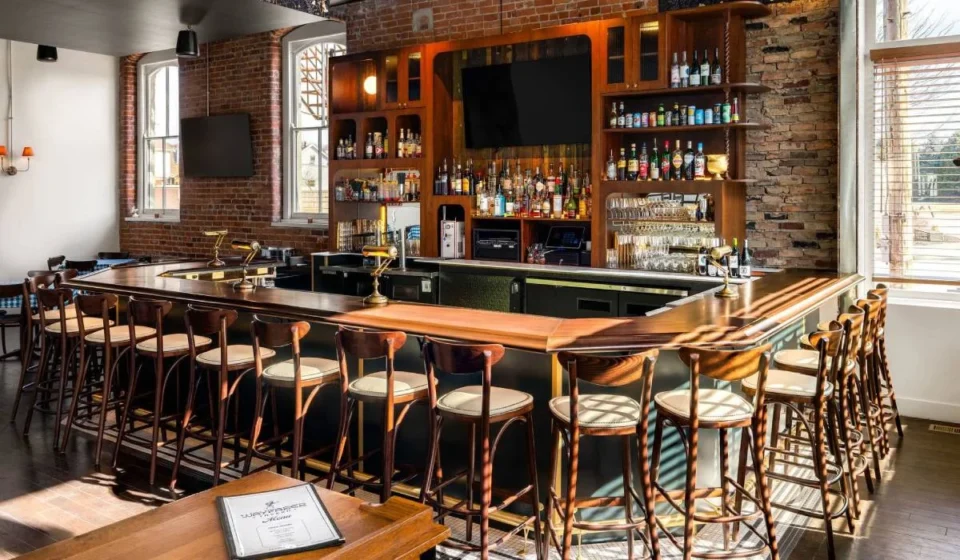
The traditional "large-footprint" restaurant is being challenged. Concepts are moving toward flexible spaces that can accommodate a bustling dinner service in the evening and a collaborative work environment or retail component during the day. The goal is to maximize revenue per square foot.
3. Sustainability as a Competitive Advantage
Consumers are no longer satisfied with vague promises. Restaurants that can provide transparent supply chain tracking—where the beef was raised, who grew the produce—are seeing higher loyalty among the critical Gen Z and Millennial demographics.
4. The Role of the "NextGen" Chain
The NextGen chains—those that possess the agility of an independent but the resources of a larger entity—are poised to dominate the market. By fostering a strong brand identity and maintaining a high level of operational discipline, these chains are successfully capturing market share from legacy concepts that have failed to innovate.
Conclusion: Setting the Table for Success
As Arrowfly LLC continues to steward the growth of FSR Magazine, the mission remains focused on empowering the stakeholders who keep the hospitality industry vibrant. Whether it is a third-generation independent restaurant owner or the leadership team of a high-growth hospitality group, the common thread is a commitment to excellence.
The landscape of 2026 is undoubtedly challenging, characterized by complex technological requirements and a discerning, demanding public. However, for those who utilize the insights, data, and community support offered by industry leaders, the opportunities for growth are immense. The table is set; the industry is ready. The next chapter of the full-service restaurant experience will be written by those who dare to blend the traditional warmth of hospitality with the relentless efficiency of the modern age.
© 2026 Arrowfly LLC. All rights reserved. This content serves as an overview of the current state of the full-service restaurant industry and the editorial mission of FSR Magazine.