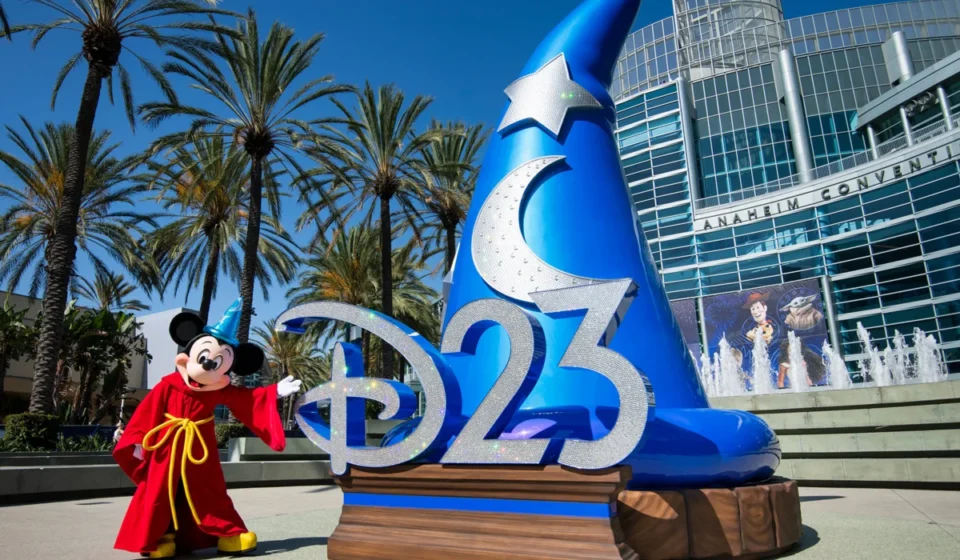

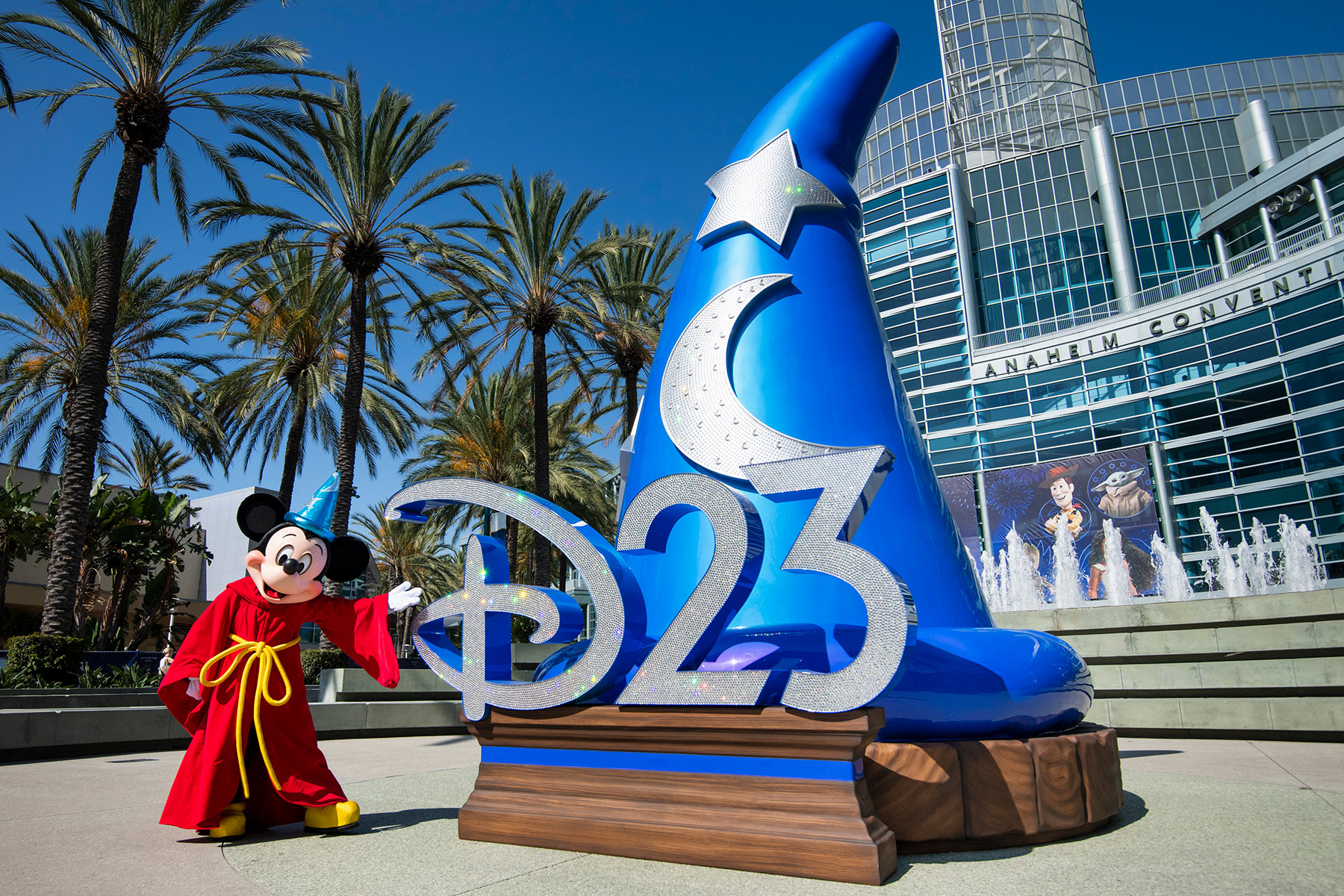
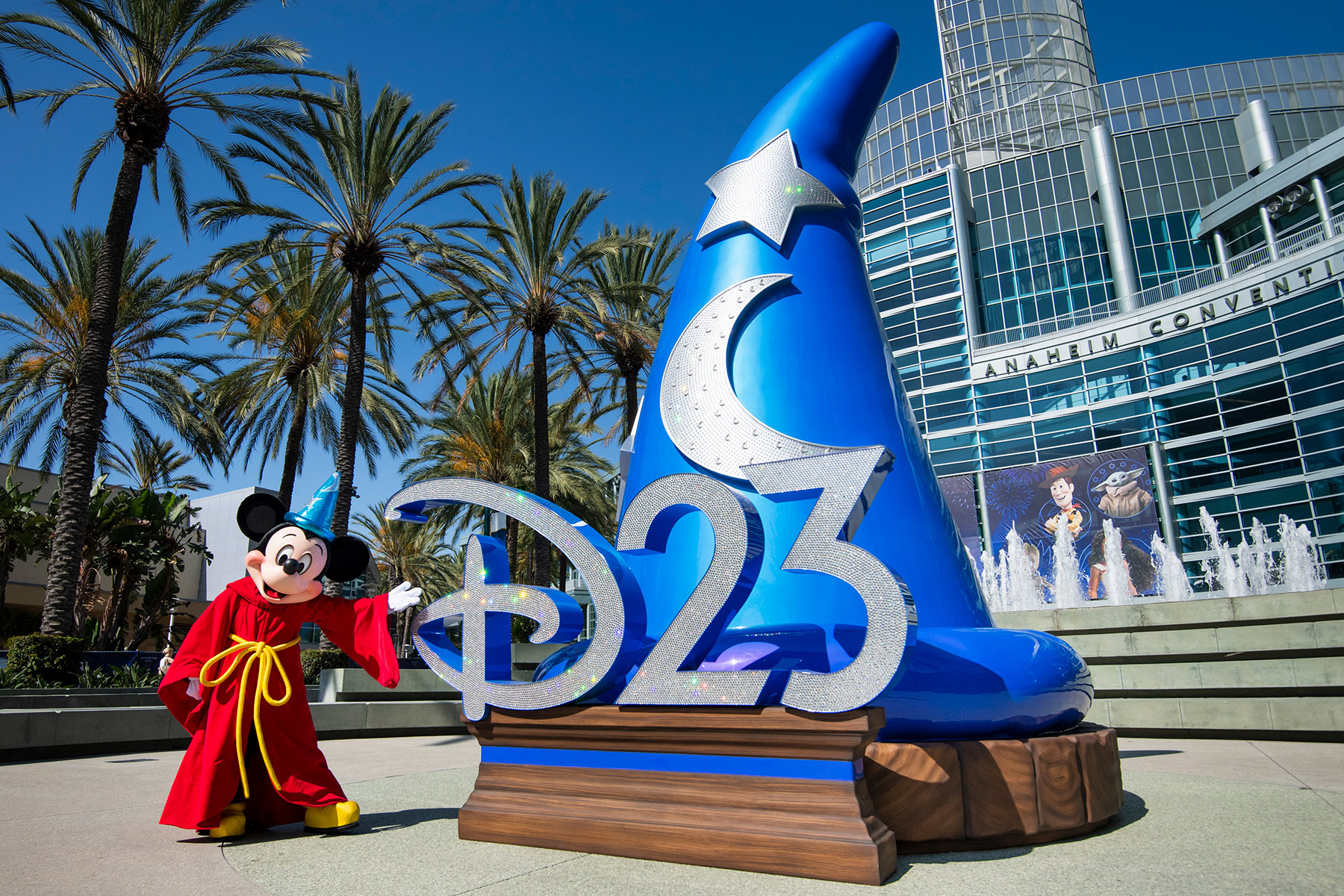
For decades, the name "Disney" was synonymous with the frontier of animation—a place where imagination reigned supreme and every new film was a leap into the unknown. Yet, as the dust settles on the recent D23 fan event in Anaheim, California, a growing sentiment among industry observers and loyalists alike has shifted from enchantment to apprehension. While the spectacle of the event—featuring everything from Bart Simpson’s surprise opening to giant, bouncing balloons—offered the trademark Disney magic, the underlying slate of announcements suggests a studio caught in a recursive loop of its own history.
The D23 showcase, intended to be a beacon of future innovation, instead functioned as a mirror reflecting a company increasingly reliant on its past. As Disney doubles down on established intellectual property (IP), the creative community is left to ask a difficult question: Is the studio sacrificing its long-term health for short-term financial security?
The Heavy Weight of Nostalgia: A Chronology of Returns
The list of upcoming projects unveiled at D23 paints a picture of a studio playing it incredibly safe. The "animation corner" was dominated by a parade of sequels and franchise expansions that feel less like new creative ventures and more like corporate mandates.
The lineup includes:
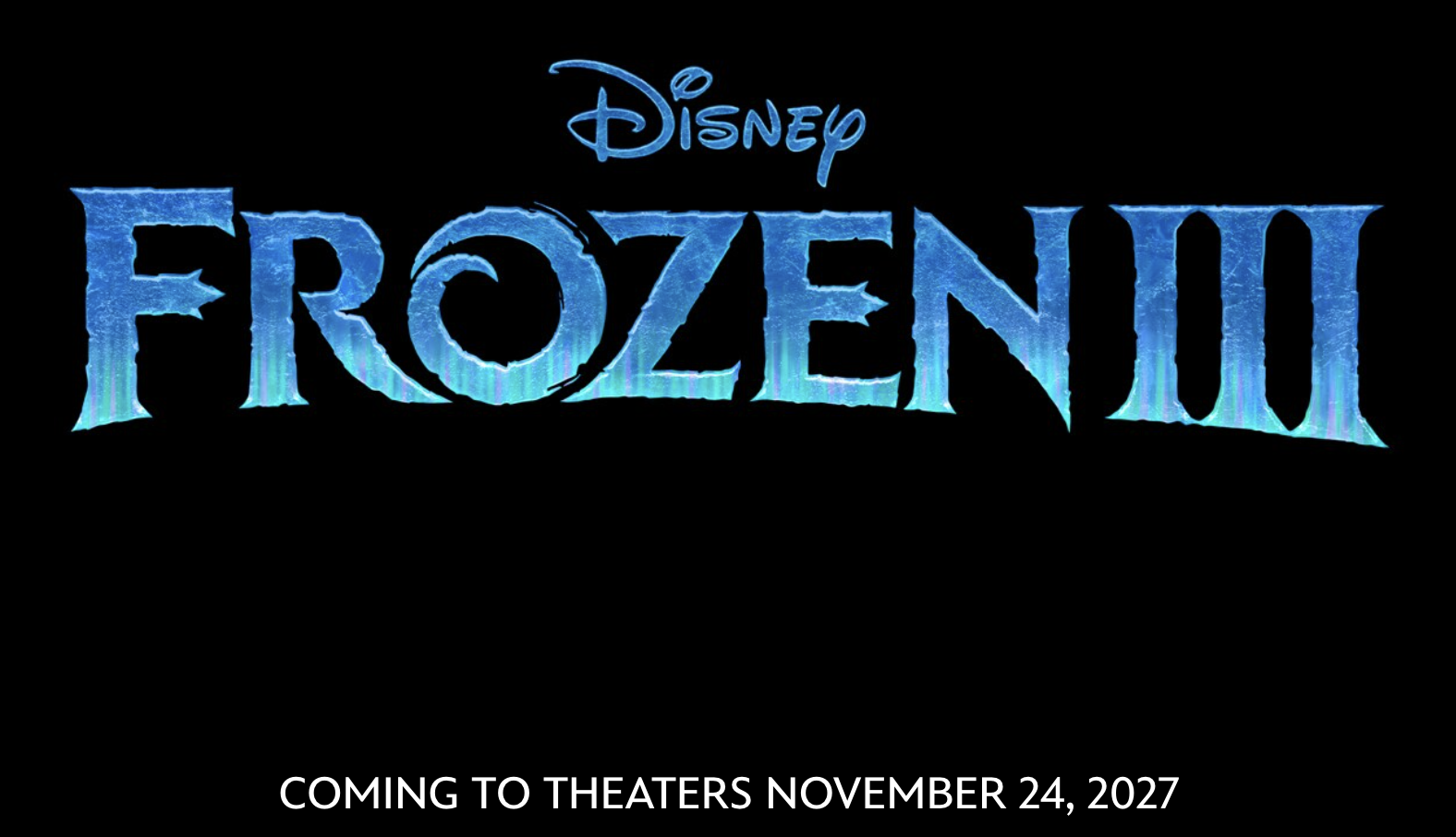
- Frozen 3: Returning to the billion-dollar powerhouse of Arendelle.
- Incredibles 3: Continuing the superhero saga that has already spanned nearly two decades.
- Zootopia 3: Another expansion of a highly successful urban animal world.
- Coco 2: A sequel to the beloved, self-contained story of the afterlife.
- Ice Age 6: A staggering sixth installment for a franchise that has already seen diminishing returns.
- The Simpsons Movie 2: A return to the big screen for the world’s most famous animated family.
In the live-action department, the strategy remains equally conservative. Disney announced a live-action remake of Tangled—a film that is barely 18 years old and remains a visual masterpiece in its original 3D-animated form. Additionally, the studio is moving forward with a sequel to the 2025 live-action Lilo & Stitch remake.
When tallying the total announcements, the ratio of original concepts to established properties is stark. Only four films on the docket—Pixar’s Ghost Market and Gatto, and Disney Animation’s Clay and Hexed—represent original intellectual property. The overwhelming majority of the schedule is devoted to repurposing, re-imagining, or extending existing brands.
Supporting Data: The Economics of Caution
To understand why Disney is retreating into its archives, one must look at the financial realities of the current theatrical landscape. The film industry has become increasingly hostile to "risky" original animation. When Pixar released Elio in 2024, the film struggled to gain traction at the box office, serving as a sobering reminder that original storytelling is a high-stakes gamble.
Conversely, the numbers for established franchises are staggering. The 2025 live-action remake of Lilo & Stitch eclipsed the $1 billion mark, proving that audiences are, at the very least, consistently willing to pay for the familiar. For a studio with the overhead of Disney, these billion-dollar "slam dunks" are essential for maintaining shareholder confidence.
However, this financial safety net creates a "franchise trap." Every blockbuster franchise currently being milked—from Toy Story to The Lion King—was once a risky, original idea. By shifting resources away from the development of the "next big thing," Disney risks starving the very pipeline that provides the foundation for the future. If the studio stops innovating, it eventually becomes a museum of its own past rather than a leader in global storytelling.
The "Live-Action" Conundrum
The announcement of a live-action Tangled has drawn particular ire from critics and fans. The 2010 original was a triumph of 3D animation, a film that feels modern, vibrant, and visually distinct. Converting this into "live-action"—which, in reality, means a hyper-realistic digital render—feels like a technical exercise rather than a narrative one.
This trend toward live-action remakes raises a fundamental question about the studio’s creative identity. If the primary goal of these remakes is to replicate the aesthetic of the original in a more "photorealistic" medium, the result is often an uncanny valley that lacks the soul and expressive power of the traditional animation it aims to replace. Furthermore, with the film slated for a 2028 release, it faces the hurdle of competing with an original that is easily accessible on Disney+ and still holds up perfectly for modern audiences.
A Glimmer of Originality
Despite the heavy focus on sequels, it would be reductive to suggest that Disney has completely abandoned its creative roots. The D23 event did offer glimpses of genuine, exciting new work.
Disney Animation’s Hexed stands out as a high-potential project, bolstered by a star-studded voice cast including Jodie Foster as Queen Celeste and the eccentric Walton Goggins as "Beef Roger Crummchuk." The curiosity surrounding these characters offers a reminder of why we fell in love with Disney in the first place—the ability to craft unique, memorable personalities from scratch.
Pixar’s Gatto, directed by Enrico Casarosa, also provides a ray of hope. Casarosa’s previous work, Luca, was a heartfelt, atmospheric love letter to the Italian Riviera. That film’s restricted, streaming-only release in 2021 was widely viewed as a missed opportunity, making its follow-up, Gatto, a vital test for Pixar’s ability to draw audiences back to theaters with original narratives.
Perhaps the most ironic highlight of the event was the announcement of The Bluey Movie. While Bluey is a massive brand, the creative energy behind it lies with Ludo Studio and BBC Studios, not Disney. Disney’s role is purely distributive. That one of the most anticipated projects on the Disney slate is a film the studio didn’t actually create serves as a poignant indictment of its current internal development struggles.
The Implications: A Shift in the Creative Landscape
What are the long-term implications of this strategy? For the viewer, it means a cinematic landscape dominated by nostalgia. For the industry, it means that the "middle-class" movie—the mid-budget, original animated film—is nearing extinction.
If the world’s most powerful studio ceases to take risks, it creates a vacuum that other, smaller, and more agile studios are more than happy to fill. Independent animation houses like Laika—the studio behind Coraline and Kubo and the Two Strings—have begun to capture the imagination of audiences who are hungry for something different. Laika’s commitment to stop-motion craft and non-franchise storytelling provides a compelling alternative to the polished, predictable nature of the modern Disney output.
Final Thoughts: The Path Forward
The challenge for Disney is to reconcile the demands of the box office with the demands of art. While no one expects a major corporation to ignore profitability, the history of Disney is not one of safe bets; it is one of bold, sometimes terrifying, gambles that defined entire generations of filmmaking.
If Disney continues to cannibalize its own legacy to satisfy quarterly earnings, it will eventually run out of "vault" material to repurpose. The magic of the Mouse is not in the repetition of a formula, but in the surprise of a new story told in a way that feels like it has always existed. As the studio looks toward 2027 and 2028, it must decide if it wants to be the custodian of its past or the architect of its future. For now, the audience is waiting—not for another sequel, but for the next big, risky, and beautiful original idea.