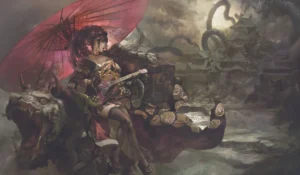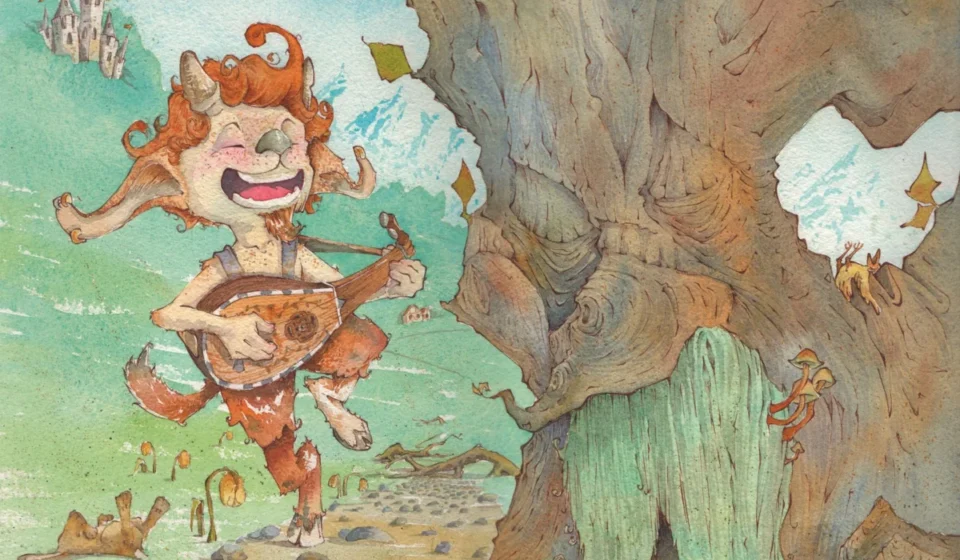

In the coastal town of Plouzané, nestled within the windswept beauty of France’s Brittany region, resides Gabriel Ribeiro, a Brazilian-born artist whose work serves as a bridge between the whimsical curiosity of childhood and the nuanced experiences of the modern immigrant. An accomplished author and illustrator, Ribeiro has carved out a distinct niche in the children’s publishing industry, blending traditional mediums with a narrative depth that transcends age demographics. His journey, marked by international transitions and a deep-seated connection to the natural world, has culminated in a body of work that feels both timeless and deeply personal.
The Foundations of a Storyteller: From Brazil to Brittany
Gabriel Ribeiro’s artistic identity is rooted in a lifelong fascination with "magic and wonder." Growing up in Brazil, his early exposure to literature and the untamed beauty of his surroundings laid the groundwork for his future career. However, it was his subsequent experience as an immigrant in the United States that truly crystallized his voice as an artist. The feeling of being an "outsider" or a newcomer navigating a new landscape often informs the themes of exploration, belonging, and curiosity that permeate his illustrations.
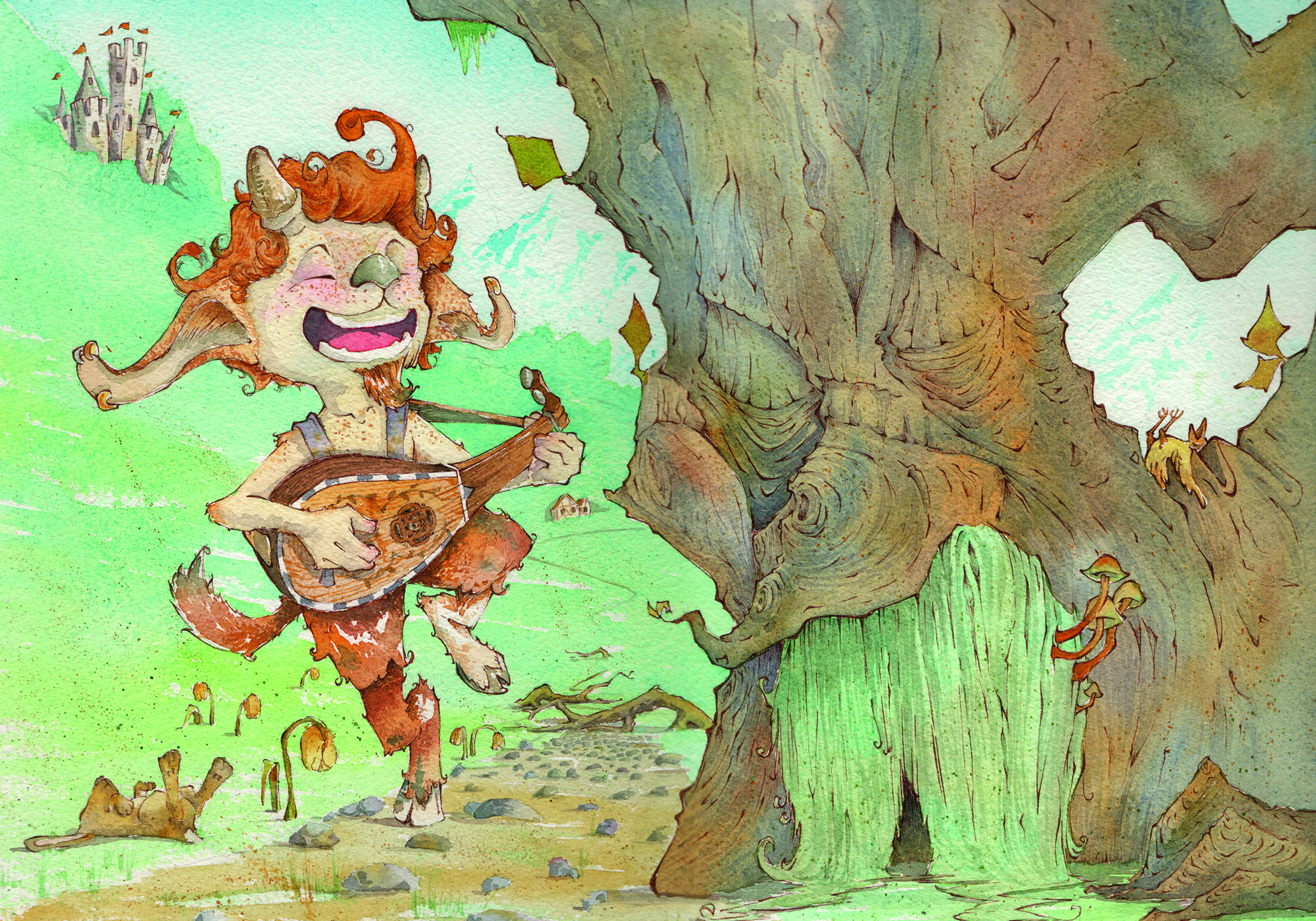
"The natural world is my primary studio," Ribeiro often notes. His technical approach favors the tactile nature of traditional art. Eschewing the purely digital route, he primarily utilizes watercolours and coloured pencils—tools that allow for a degree of organic fluidity and warmth that digital software often struggles to replicate. This preference for physical media not only defines his aesthetic—characterized by soft textures, vibrant yet grounded palettes, and intricate detail—but also mirrors his desire to connect with the reader on a human level.
His debut children’s book, The Autumn Fairies, serves as a manifesto of his artistic philosophy. It is here that he first demonstrated his ability to weave complex, atmospheric environmental storytelling into the accessible format of a picture book.
A Chronology of Creative Evolution
To understand Ribeiro’s growth, one must look at the progression of his projects. His work has evolved from simple character sketches to complex, multi-layered world-building.
1. The Early Experimentation: Portobello and the Hatmaker
In his character study Portobello and the Hatmaker, Ribeiro focused on the fundamentals of narrative economy. "I wanted to focus more on creating strong silhouettes and character design, while trying to tell a full story with just a couple of characters," he explains. This piece represents a pivotal moment in his development where he shifted his priority from background detail to the emotional resonance of the subject itself. By stripping away excess, he proved that a single frame could hold the weight of an entire narrative arc.
2. Methodical Growth: Fin and the Foul Root
The creation of Fin and the Foul Root marked a transition toward more rigorous planning. Created during a week-long workshop, this piece was a departure from his more spontaneous earlier works. It was the first time Ribeiro integrated a structured phase of colour composition and character layout before committing to the final illustration. This project served as a "proof of concept" for his ability to handle larger, more intricate storylines, demonstrating that thorough preparation could lead to a more cohesive, immersive visual experience.
3. Narrative Expansion: Animal Band and Firewood Brigade
Perhaps the most significant chapter in his recent work is the thematic series featuring Animal Band and Firewood Brigade. In these pieces, Ribeiro began to explore the concept of "cultural storytelling" within his fantasy worlds.
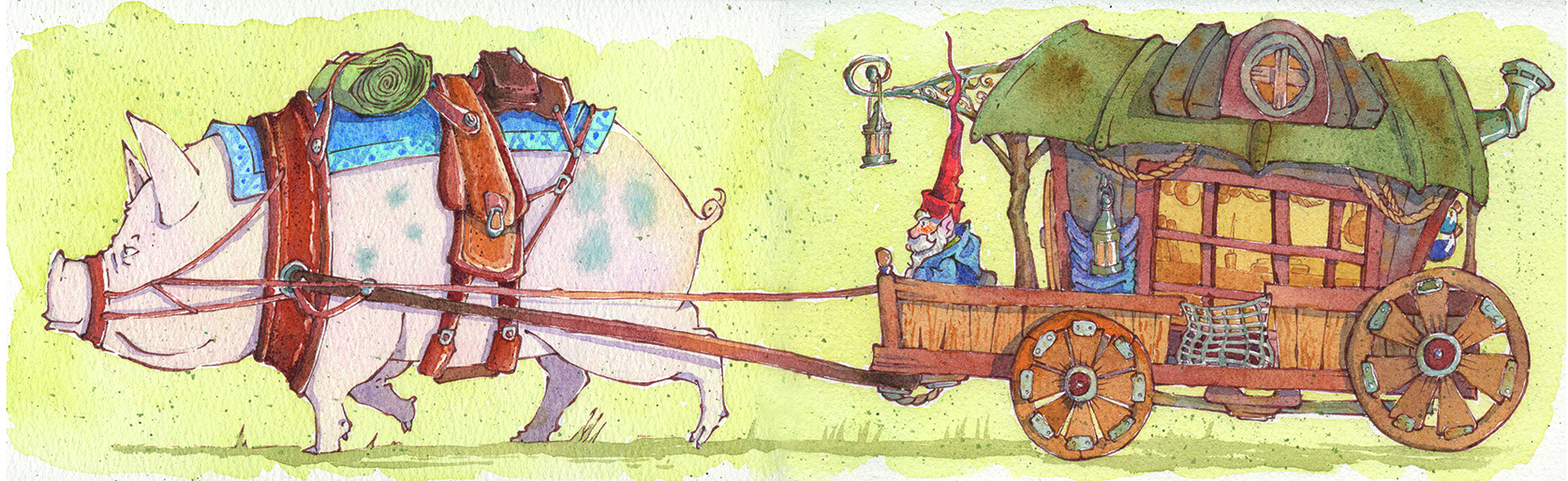
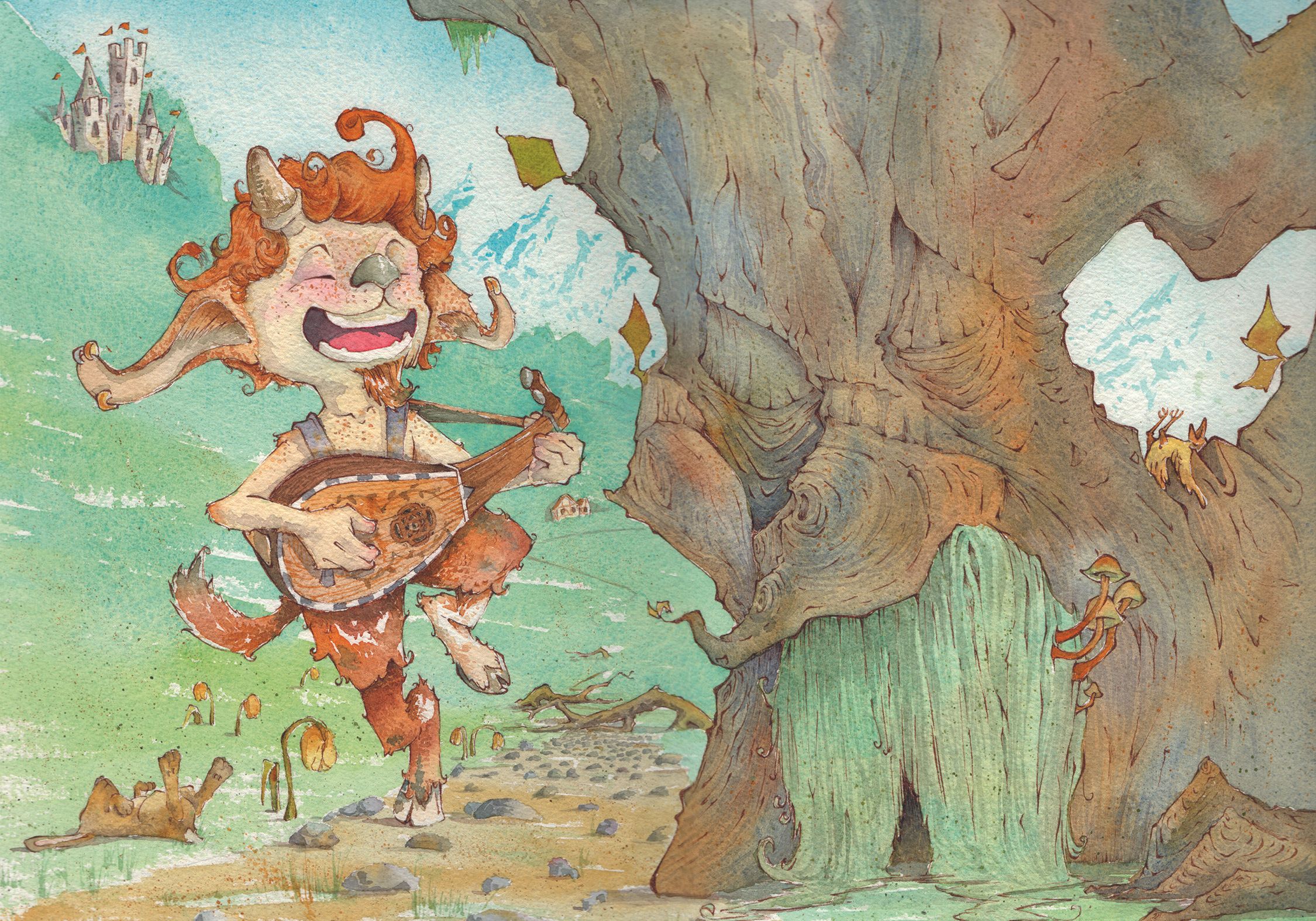
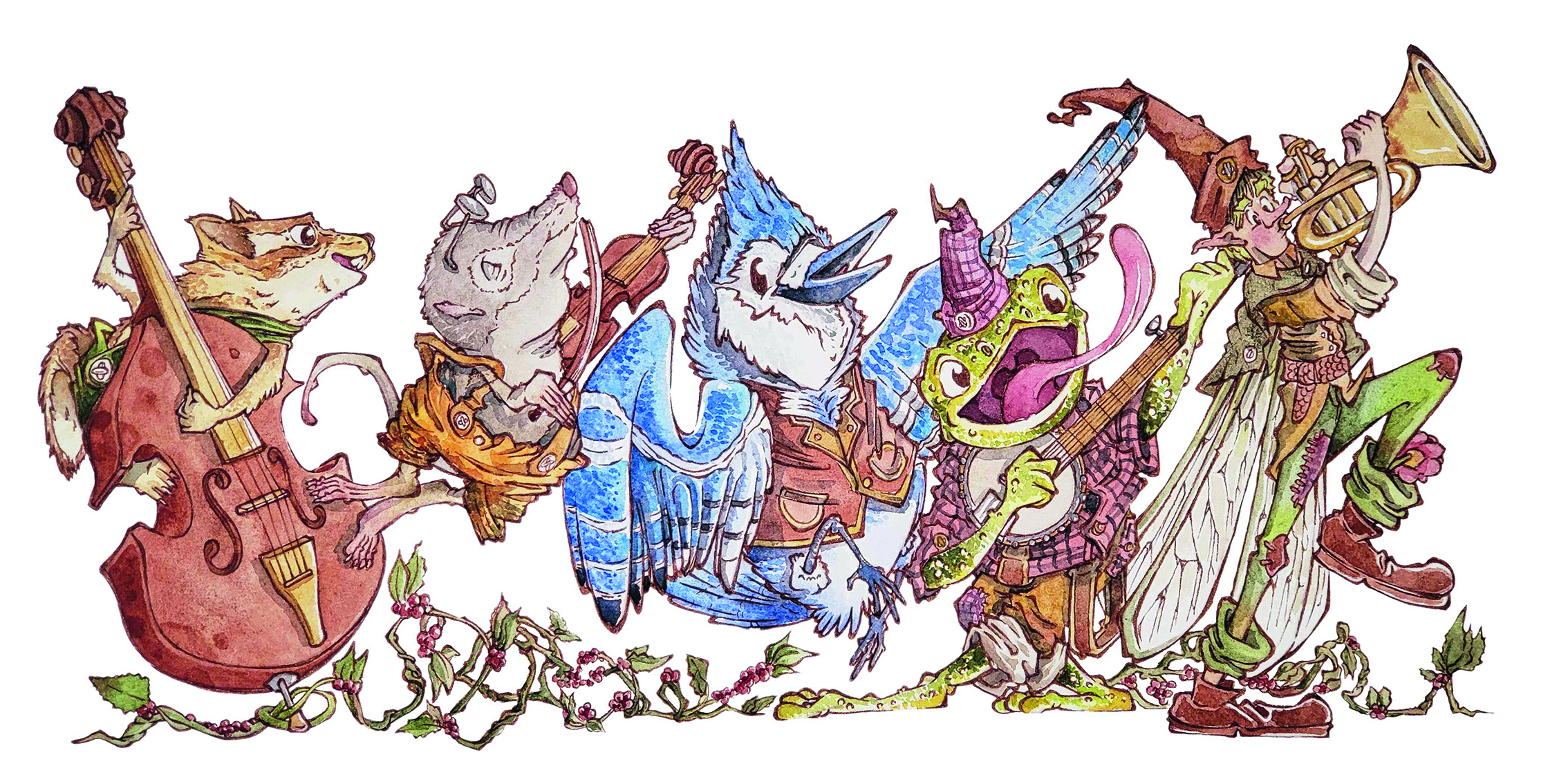
Animal Band served as his first foray into warmer, more inviting colour palettes. The narrative—in which animals and fairies collaborate to stage a seasonal festival—allowed him to explore communal joy. He followed this with Firewood Brigade, which serves as a direct expansion of that same world. By shifting his focus from the celebration of the festival to the mundane, everyday life of the villagers, he deepened the lore. The Firewood Brigade, tasked with delivering warmth to those in need during the harsh winters, humanizes his fantasy creatures, grounding his magical world in relatable, altruistic actions.
Technical Methodology: The Artist’s Toolkit
Ribeiro’s process is a testament to the enduring power of traditional media in a digital-first industry. His reliance on high-quality watercolour paints and professional-grade coloured pencils allows him to create works that feel alive.
When asked about his tools, Ribeiro emphasizes that the choice of material is not merely a preference, but a vital part of the creative process. Watercolours offer a transparency that captures light in a way that feels ethereal—essential for his depictions of fairies and magical forests. The coloured pencils, conversely, provide the necessary friction and control to add fine details, such as the texture of fur or the intricate weave of clothing. This dual-medium approach creates a visual tension that keeps the eye moving across the page.
Implications for the Contemporary Illustration Industry
The success of artists like Gabriel Ribeiro highlights a growing trend in the illustration and publishing sectors: a return to "analog" aesthetics. In an era saturated with AI-generated imagery and high-gloss digital perfection, the raw, intentional touch of a human hand—evidenced by the slight variations in a watercolour wash or the deliberate stroke of a pencil—has become increasingly valuable to readers and publishers alike.
Ribeiro’s work also underscores the importance of regional identity in global art. By bringing his Brazilian roots and his experiences as an immigrant to the aesthetic landscape of Brittany, he produces a unique visual language that does not conform to a singular cultural trope. His work implies that the future of children’s literature lies in global perspectives that remain anchored in local, tangible experiences.
Official Perspectives and Industry Reception
Industry critics and peers have noted that Ribeiro’s ability to "tell a full story with just a couple of characters" is a rare skill in contemporary illustration. His work is frequently cited as a masterclass in visual communication.
In ImagineFX, where his work has been featured, the editorial focus often centers on the technical discipline required to maintain such high-quality outputs. The publication of his work serves as an inspiration for emerging artists who are often pressured to abandon traditional tools for the speed of digital software. Ribeiro remains an advocate for the "slow art" movement, encouraging students and peers to engage in workshops and deep planning sessions, as he did with Fin and the Foul Root.
Looking Toward the Horizon
Gabriel Ribeiro continues to refine his craft, with several book projects currently in development. His trajectory suggests that we can expect a continued exploration of his fantasy world, with a particular focus on the interconnected lives of his characters.
For aspiring artists looking to follow in his footsteps, his advice is consistent: prioritize the story over the technique, but respect the medium enough to master it. Whether through his website, drawgabedraw.com, or his upcoming book projects, Ribeiro remains a vital voice in the world of illustration. As he continues to build upon the foundation of The Autumn Fairies, it is clear that his contribution to the genre is not just in the images he creates, but in the sense of wonder he restores to the reader—a reminder that magic is often found in the most deliberate, quiet corners of the natural world.
For those interested in exploring the world of digital and traditional art further, ImagineFX continues to be the premier source for fantasy and sci-fi illustration. As the industry evolves, the intersection of traditional technique and modern narrative design remains the primary focus for creators and collectors alike. Whether you are an enthusiast of character design or a student of watercolour, the journey of Gabriel Ribeiro provides a compelling blueprint for success in the modern artistic landscape.