The Erosion of Trust: Why Modern Brand Loyalty Requires Real-Time Social Intelligence

In today’s hyper-connected, fast-paced commercial landscape, winning brand loyalty has never been more difficult—and losing it has never been easier. As digital touchpoints multiply across social media, creator economies, and decentralized online communities, consumer allegiance is constantly being tested.
Simultaneously, the proliferation of generative artificial intelligence (AI) and digital misinformation has triggered a profound shift in consumer psychology. Modern audiences are increasingly skeptical of polished marketing narratives, shifting their attention toward authentic engagement, operational transparency, and real-time responsiveness. For enterprises navigating this turbulent environment, historical sales data and lagging quarterly reports are no longer sufficient. To protect and cultivate lasting loyalty, organizations must embrace real-time social intelligence.
The Anatomy of Modern Loyalty: Facts and Definitions
To understand how brand loyalty is evolving, industry analysts emphasize the need to distinguish loyalty from related psychological and behavioral metrics. While these terms are frequently used interchangeably, they measure distinct aspects of the consumer relationship:
- Brand Loyalty: A customer’s ongoing preference for one brand over its competitors, primarily driven by emotional connection and deep-seated trust rather than mere convenience or habit.
- Brand Affinity: The emotional resonance a consumer feels toward a brand, rooted in shared values, cultural identity, or lived experiences.
- Customer Loyalty: Repeat transactional behavior born from the overall customer relationship, including customer service quality, loyalty rewards, or geographical convenience.
- Brand Awareness: Market recognition and familiarity with a company’s name, logo, or product offerings.
Think of brand loyalty as a long-term professional or personal relationship. A single positive interaction rarely cements a permanent bond; rather, trust is forged incrementally through consistent reliability and an active demonstration that a company understands what matters to its consumers. Conversely, repeated missteps gradually chip away at that foundation.
Chronology of the Trust Deficit: The Rise of Digital Skepticism
The modern crisis of brand loyalty did not happen overnight. It is the result of a steady transformation in how consumers discover, evaluate, and discuss products.
Phase One: The Decentralization of Discovery
Historically, brand discovery was linear. Consumers saw an advertisement, visited a brick-and-mortar store or website, and made a purchase. Today, the consumer journey is highly fragmented. A modern buyer might first discover a product via an independent content creator on TikTok, cross-reference mixed user reviews in a niche Reddit thread, and encounter a critical short-form video critique before ever visiting the brand’s official web page. By the time the enterprise attempts to engage, the consumer’s perception has already been largely shaped by third-party voices.

Phase Two: The AI and Misinformation Boom (2025–2026)
The erosion of digital trust accelerated sharply with the mass adoption of generative AI tools and the spread of online misinformation. According to Sprout Social’s Q1 2026 Pulse Survey, 35% of social media users report that their overall trust in digital content has decreased over the past year.
Respondents pointed to specific culprits:
- 30% cited the rise of misinformation as the primary driver of distrust.
- 20% pointed to the saturation of unregulated AI-generated content.
- 88% agreed that AI video tools have actively diminished their trust in the news and media they consume on social platforms.
This skepticism extends directly to corporate interactions. Overly polished video testimonials are frequently met with immediate suspicion if consumers suspect AI involvement. Vague corporate responses to public criticism quickly invite severe scrutiny, and unannounced creator sponsorships frequently backfire if they lack transparency.
Supporting Data: The Cost of Delayed Insights
The primary vulnerability for modern enterprises is not a lack of data; it is a failure of timing. Critical customer complaints often surface on social networks days or weeks before they register in formal customer satisfaction surveys.
Data from the Sprout Social Social Intelligence Report underscores this operational gap:
- 86% of business professionals admit to missing strategic opportunities over the past two years due to consumer insights being delayed, siloed, or underutilized.
- 33% cite reacting too slowly to rapid market shifts as their most common missed opportunity.
- Only 10% of organizations possess the agile infrastructure required to act on a social insight within hours of its emergence.
Furthermore, traditional data management models isolate information across disconnected departments—CRM systems capture sales, support tickets capture service issues, and social tools capture public sentiment. This fragmentation leads to a clear disconnect between perception and execution. Sprout Social’s Q4 2025 Pulse Survey revealed that 55% of consumers believe brands do an adequate job of listening, but fail to act on what they hear. Only 31% feel that brands excel at both listening and executing.
Official Industry Responses: Adapting to the New Rules of Engagement
Forward-thinking brands are restructuring their operations to bridge the gap between social listening and tangible business decisions. Rather than treating social media merely as a broadcasting channel, market leaders are integrating real-time audience signals directly into product development and corporate strategy.
1. Capitalizing on Unprompted Consumer Feedback
Rather than waiting for structured focus groups, modern brands are harvesting unprompted product hacks, feature requests, and critiques from public forums.
- Case Study (Oatly): Oatly utilized social intelligence to guide the strategic development and launch of its Matcha Latte product. By tracking organic consumer discussions across Reddit, X, and Instagram—alongside TikTok creators experimenting with Oatly in matcha beverages—market researchers supplied vital proof points directly to Innovation and R&D teams.
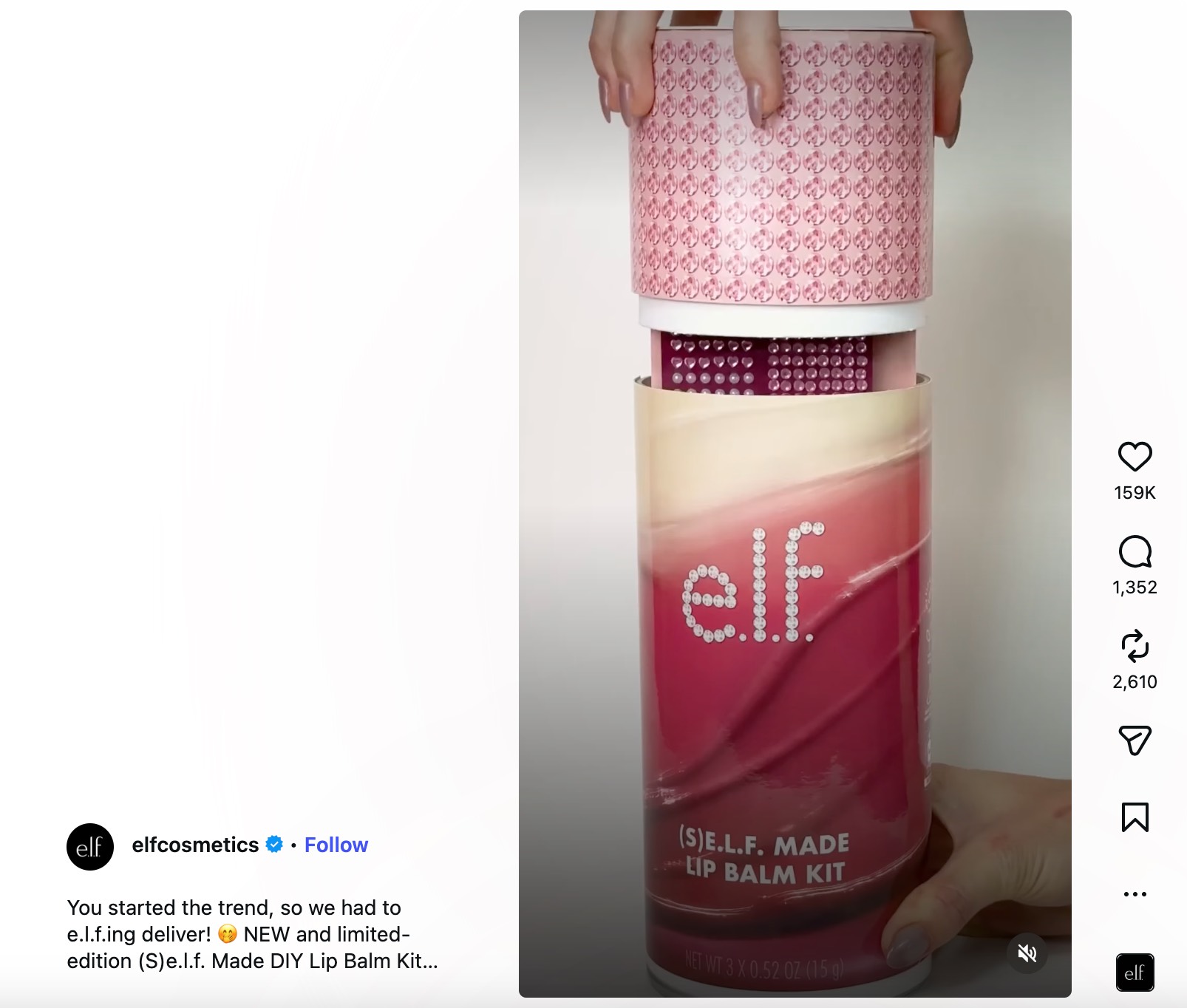
- Case Study (e.l.f. Cosmetics): Recognizing a viral DIY lip gloss trend taking off organically on social networks, e.l.f. rapidly translated audience behavior into a limited-edition product line, meeting consumer demand before traditional market research could even quantify the trend.
2. Public Accountability and Transparency
Brands are discovering that admitting shortcomings publicly builds more trust than issuing defensive PR statements.
- Case Study (Burger King): Burger King launched its "There’s a New King and It’s You" campaign, which explicitly acknowledged historical gaps between corporate brand promises and actual customer experiences. By utilizing authentic user-generated social content in their advertisements and symbolically "crowning" consumers as arbiters of change, the brand signaled that public feedback would directly drive operational improvements.
Implications for the Future: How to Build and Sustain Brand Loyalty
To thrive in an era of heightened consumer scrutiny, marketing, product, and customer service teams must align around six core strategies designed to capture real-time signals and turn them into long-term equity.
1. Broaden the Scope of Social Listening
Monitoring tagged mentions and brand profile comments is no longer enough. Comprehensive social listening and media intelligence tools must scan broader category conversations, Reddit threads, and creator comment spaces to catch emerging complaints, shifting consumer lexicon, and unexpected product use cases early in their lifecycle.
2. Deliver Best-in-Class Social Customer Care
Because social media has functionally transformed into a primary customer service channel, customer care interactions are publicly visible. Fast, highly personalized responses strengthen relationships, whereas generic automated replies invite public churn. Integrating social inboxes with enterprise platforms like Salesforce gives frontline support teams the historical context they need without forcing them to jump across disconnected systems.

3. Deploy Creators and Employees Thoughtfully
While mega-influencers offer massive reach, trust resides elsewhere. Sprout Social’s 2026 Influencer Marketing Report reveals that 57% of consumers place their trust in everyday users for product recommendations, compared to just 9% who trust mega-influencers. Micro-influencers and employee advocacy programs bridge this trust gap, offering authentic peer-to-peer relatability that corporate channels cannot replicate on their own.
4. Proactively Mitigate Churn Risks
Customer frustration compounds long before it shows up in quarterly retention metrics. Proactive social media monitoring and predictive media intelligence allow risk management teams to identify rising negative sentiment and emerging narrative shifts before they peak, enabling brands to intervene before frustration turns into permanent attrition.
5. Combat "Loyalty Fatigue" Through Relevance
Even the most devoted customers grow weary of static, repetitive messaging. Keeping loyal audiences engaged requires continuous monitoring of shifting preferences to refresh content strategies before fatigue sets in.
6. Maintain Strict Transparency Regarding AI
As generative AI becomes standard in content workflows, transparency is paramount. With 44% of consumers expressing discomfort regarding the use of AI influencers, and 28% demanding that brands stop posting unlabeled AI content, clear disclosure is no longer just an ethical choice—it is a critical requirement for preserving brand equity.
Conclusion
Brand loyalty is a continuous journey rather than a static destination. In a digital ecosystem defined by AI-driven content, shifting consumer expectations, and decentralized discovery, brands that survive and prosper are those that view listening as an ongoing operational habit. By pairing historical customer data with real-time social intelligence, enterprises can bridge the gap between what consumers say and how businesses respond—ultimately earning the trust that brings customers back, time and time again.