The Anatomy of a Spectral Success: How Brands Can Master Halloween Social Media Strategy Through Algorithmic Hashtag Optimization

As the morning air turns crisp, retail aisles transform into ghostly wonderlands. Pumpkins line storefronts, classic horror films return to endless rotation, and the cultural obsession with all things eerie reaches its annual fever pitch. Autumn is undeniably a fan-favorite season, but its crown jewel, Halloween, has grown far beyond a children’s holiday.
In the United States alone, a staggering 73% of the population participates in Halloween festivities in some capacity. For modern brands and digital marketers, this cultural phenomenon represents a massive window of opportunity. However, cutting through the digital noise requires more than just cute captions and spooky aesthetics. Success on social media depends entirely on algorithmic discoverability.
Main Facts: The Evolving Role of Hashtags in Digital Marketing
For years, marketers treated hashtags as a blunt-force shortcut to viral reach—a digital megaphone to amplify content to anyone willing to listen. Today, social media algorithms have evolved. Hashtags no longer act as raw distribution shortcuts; instead, they serve as sophisticated content signals.
When a brand attaches a hashtag to a post, platform algorithms use that data point to categorize and distribute the content to hyper-specific target audiences. If your tags are too broad, you risk getting lost in a sea of millions of posts. If they are too niche, you may miss out on broader cultural conversations.
Furthermore, consumer expectations are shifting. According to platform data, 93% of consumers believe it is important for brands to actively keep up with online culture. This means Halloween marketing cannot be an afterthought. It requires a deliberate, structured, and data-driven approach to tagging, content creation, and platform-specific optimization.
Chronology: The Shift to "Code Orange" and Early Seasonal Marketing
The timeline of seasonal marketing has accelerated dramatically over the past several years. Brands no longer wait until mid-October to roll out their spooky campaigns; the cultural shift begins much earlier.
- January – September: Social listening data reveals that emerging keywords and internet vernacular take root early in the year. Throughout 2026, suffix trends like
[word]maxxingdominated social networks. By late summer, early adaptations like#Fallmaxxingbegan appearing on TikTok, laying the groundwork for seasonal content strategies. - Late August to Early September: Retailers officially kick off "Code Orange"—the unofficial start of the Halloween shopping and content season. Displays go up in stores, and digital consumers begin searching for early inspiration.
- Q4 Pulse Survey Milestones: Recent consumer data indicates that 44% of social media users are significantly more likely to purchase from brands that launch their fall and winter marketing campaigns ahead of schedule.
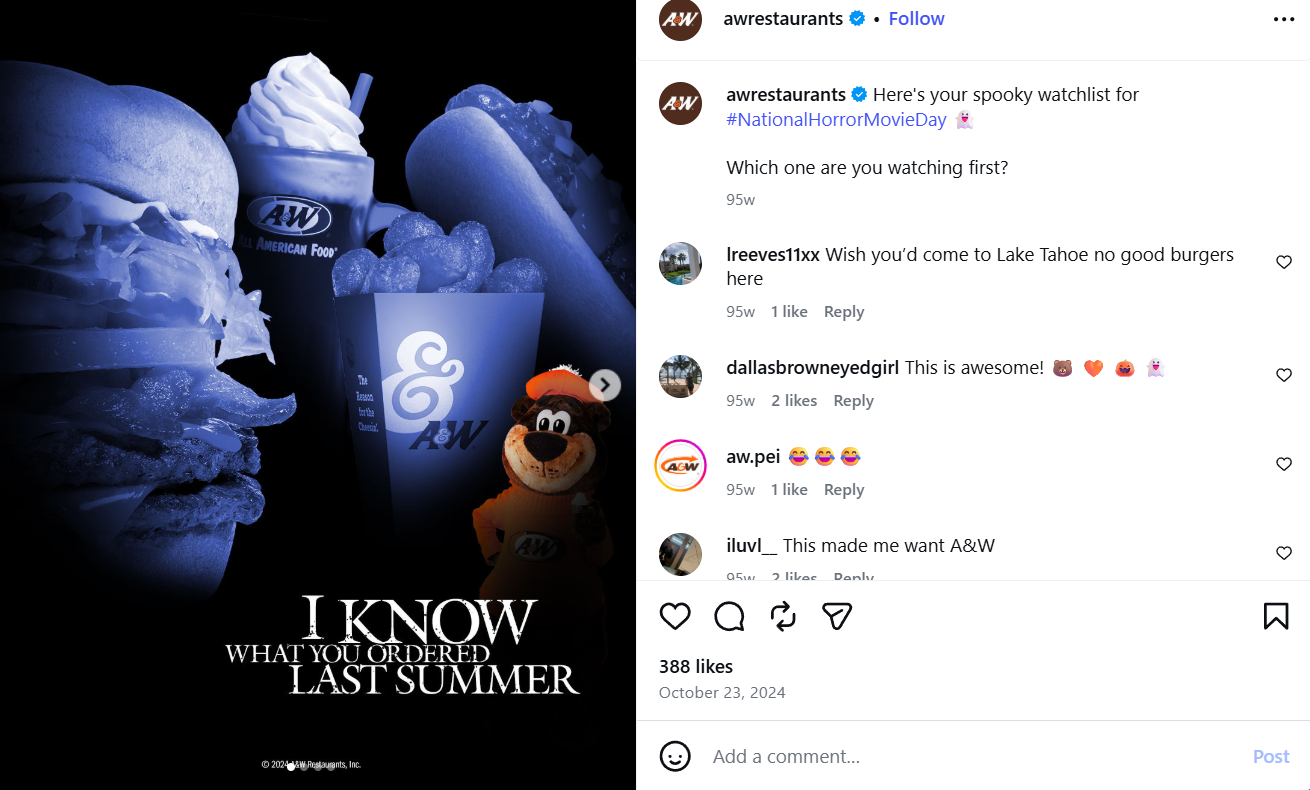
- October 23rd: Celebrated nationally as "National HorrorMovieDay," this calendar milestone serves as a mid-season peak for entertainment, retail, and food brands to launch major cross-promotional campaigns, such as themed movie posters and limited-edition product drops.
- October 31st: The culmination of the season, after which brands immediately pivot their strategy toward winter holiday campaigns.
Supporting Data: By the Numbers
To understand the sheer economic and cultural scale of Halloween marketing, one must look at the data driving consumer behavior:
- 73%: The percentage of people in the United States who actively participate in Halloween celebrations.
- 93%: The proportion of consumers who expect brands to stay aligned with current online culture and pop culture trends.
- 44%: Social media users who express a higher likelihood to buy from brands launching their fall and winter marketing early.
- 3 to 5: The optimal number of targeted hashtags recommended for Instagram Reels and standard posts to maximize algorithmic reach without triggering spam filters.
Official Responses and Industry Best Practices
Leading digital platforms and enterprise brands have adjusted their organic best practices to reflect the changing nature of algorithms. Rather than guessing what works, marketers must tailor their strategies to the specific architectural quirks of each social network.
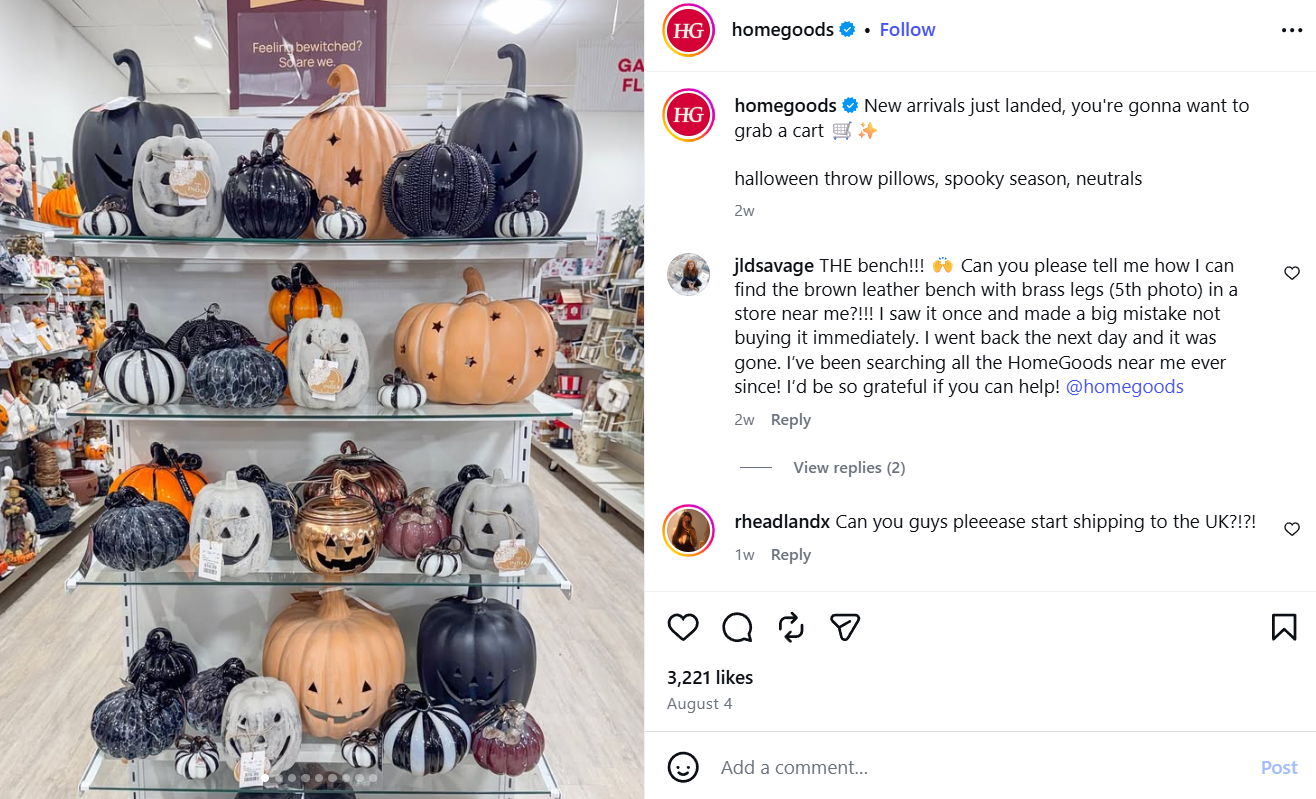
Instagram and Meta Networks
Meta continues to favor hashtags within captions rather than hidden away in the first comment. Official creator guidelines recommend keeping hashtags targeted—focusing on three to five relevant tags per post. For brands utilizing Instagram Reels, precise hashtag placement ensures video content is served directly to users primed for high-intent engagement. On Facebook, hashtags should be woven naturally into sentences or placed at the very end, capped at a maximum of two to five to avoid a spam-like appearance.
TikTok
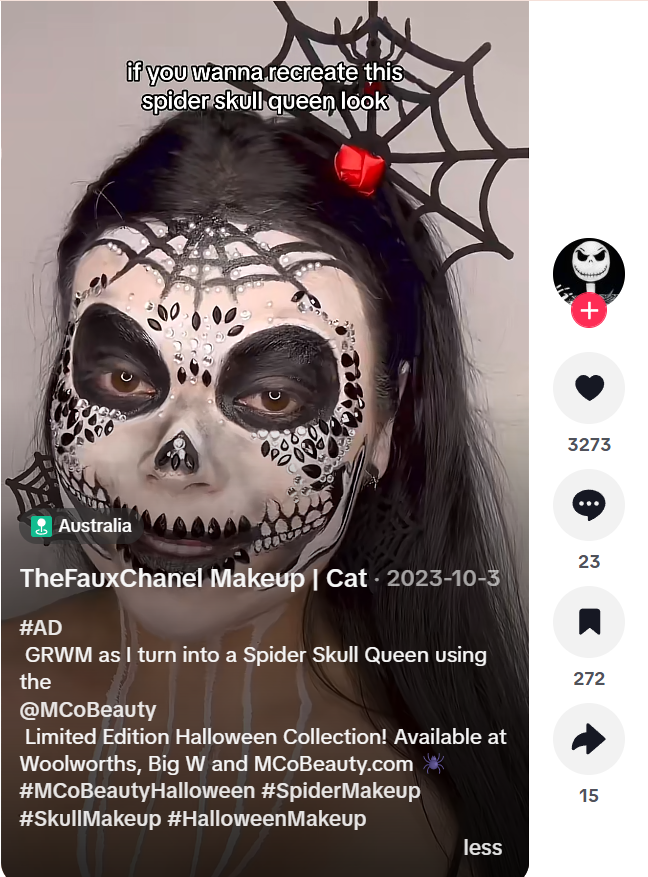
TikTok’s algorithm "listens" to the audio tracks of videos as part of its content indexing. Therefore, TikTok hashtags should function as precise keywords that mirror the spoken words and visual themes of the video. Tapping into niche communities—such as specialized horror or aesthetic subcultures—allows brands to connect deeply with high-intent audiences rather than relying on generic, over-saturated tags.
X (Formerly Twitter)
X takes a minimalist approach to metadata. The platform advises brands to avoid cluttering organic post copy with hashtags. If used at all, marketers should stick to one or two highly purposeful tags, ensuring they cross-reference current trending topics before publishing.
On Pinterest, user intent is driven primarily by title and description keywords rather than hashtags. However, when used correctly within Pin descriptions, three to five specific hashtags can help categorize content for users actively searching for DIY projects, recipes, or home decor inspiration.
Implications for Brands: Escaping the Common Pitfalls
As brands prepare their digital cauldrons for the spooky season, avoiding strategic missteps is critical to preserving organic reach.
1. Drowning in Mega-Hashtags
Using hyper-generic tags like #Halloween or #Spooky for a local restaurant or a small business is a recipe for invisibility. Smaller brands should instead lean into hyper-local options established by city commerce chambers or regional tourism boards to connect with consumers who can physically visit their locations.
2. Ignoring Content-Hashtag Alignment
If your video features baking pumpkin-spice treats, tagging it with unrelated pop-culture horror tags will confuse the algorithm and frustrate viewers. Tags must accurately reflect the visual and textual content of the post.
3. Leveraging Social Listening
Advanced brands are turning to enterprise social listening tools to monitor real-time conversations. By tracking specific queries, marketers can analyze hundreds of thousands of organic discussions instantly. This allows forward-thinking brands to identify emerging trends—such as the evolution of #Autumnmaxxing or #Halloweenmaxxing—long before their competitors catch on.
Conclusion
Halloween marketing is no longer just a bit of seasonal hocus-pocus; it is a sophisticated, data-driven discipline that rewards early preparation and precise algorithmic targeting. By understanding how hashtags signal intent, tailoring content to specific platform architectures, and leaning into early-season consumer readiness, brands can transform their social media channels into a treasure trove of treats. Start early, curate your tags carefully, and ensure your brand is ready when the clock strikes midnight on Code Orange.