
Main Facts
The fashion retail landscape is undergoing a significant transformation, driven by an increasing consumer demand for garments that effortlessly bridge the gap between supreme comfort and polished style. Recent data from online marketplaces, specialty boutiques, and fast-fashion retailers indicate that traditional, restrictive apparel—such as rigid, wire-bound undergarments and stiff corporate suiting—is increasingly taking a back seat to versatile, adaptive pieces.
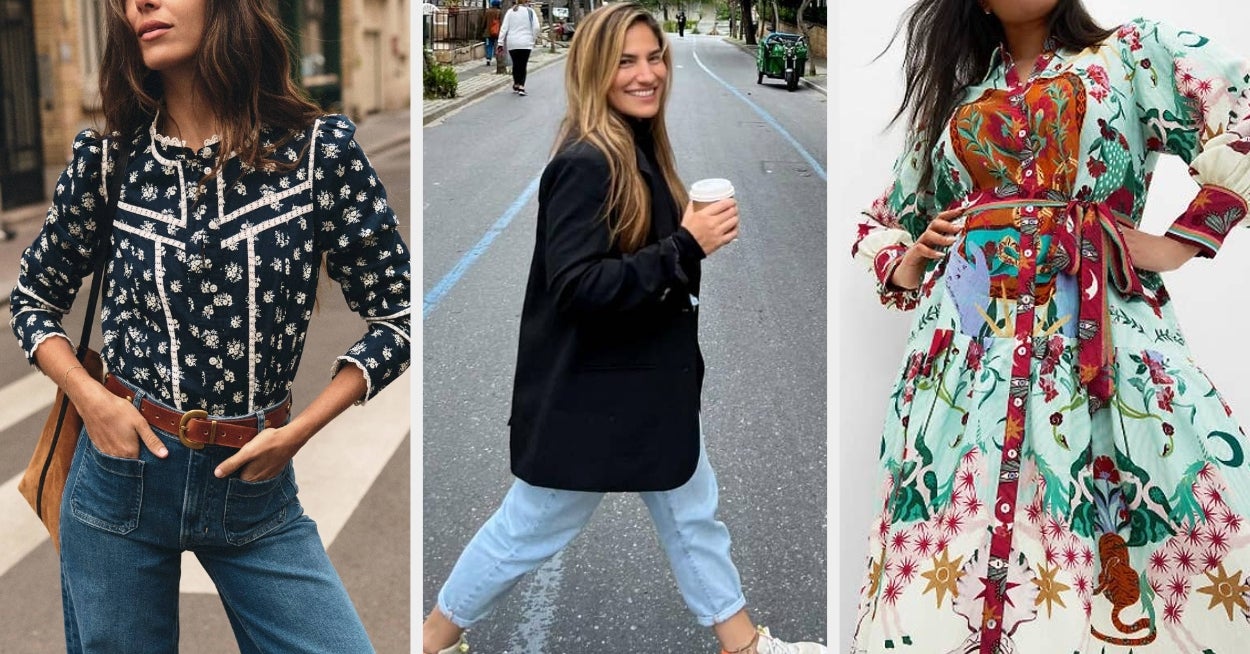
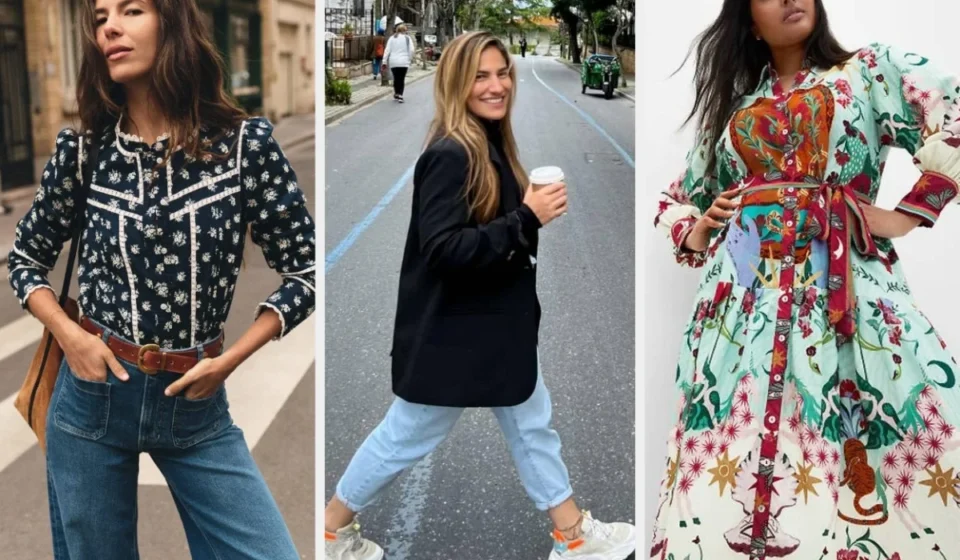
Key trends dominating current consumer preferences include:
- Hybrid Loungewear: Items like wide-leg sweatpants, performance joggers, and structured shackets designed to move fluidly from home offices to public outings.
- Functional Leisure-Activewear: Skorts, tennis dresses, and lightweight active tops featuring hidden pockets and breathable, high-performance fabrics.
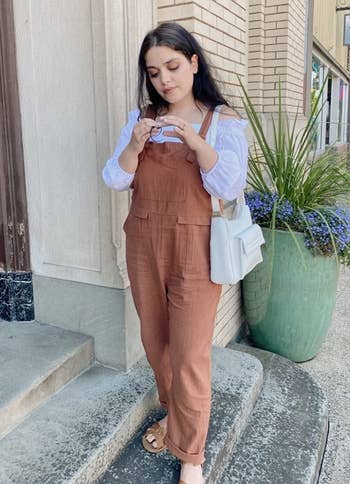
- Low-Maintenance Staples: Wrinkle-resistant button-downs, effortless jumpsuits, and pull-on linen shorts that minimize preparation time without sacrificing aesthetic appeal.
- Inclusive Sizing and Adaptability: A broader availability of extended sizing (ranging from XXS to 7X) and silhouettes tailored to accommodate varied body types comfortably.
Retailers ranging from mainstream giants like Amazon and Target to specialty brands like Aerie, Athleta, and Free People are capitalizing on this shift, offering high-scoring consumer favorites that consistently highlight ease of care, tactile softness, and day-to-night versatility.

Chronology of a Wardrobe Shift
The transition toward comfort-first fashion did not happen overnight; it represents a cumulative cultural and industrial shift over the past several years.
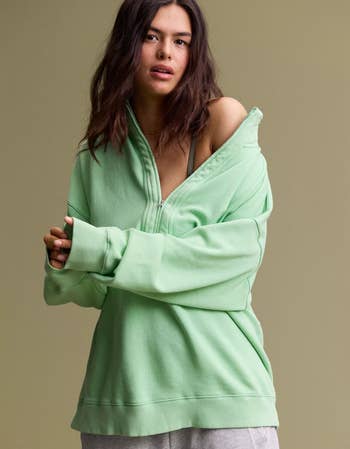
- Pre-2020: The fashion market was largely dictated by rigid aesthetic standards. Workplace attire frequently demanded structured tailoring, unyielding denim, and formal footwear that prioritized visual professionalism over physical ease.
- 2020–2022 (The Paradigm Shift): Global lifestyle changes forced a sudden, mass re-evaluation of daily dress codes. With millions working remotely, consumer spending shifted drastically toward soft loungewear, elastic waistbands, and breathable fabrics. Comfort became an absolute baseline requirement rather than a casual preference.
- 2023–Present (The Hybrid Era): As public life resumed, consumers demonstrated a collective reluctance to return to the era of uncomfortable clothing. Rather than choosing between sweatpants and formal wear, the market responded with "elevated loungewear" and hybrid pieces. Tailored trousers incorporated hidden stretch elements, dresses gained pockets and t-shirt-soft fabrics, and activewear evolved into everyday fashion staples. Brands began introducing sophisticated silhouettes crafted from soft, performance-driven materials, establishing the modern standard where looking sharp and feeling cozy are no longer mutually exclusive.
Supporting Data and Market Insights
Consumer reviews and retail metrics underscore the longevity and financial viability of this trend. Across major e-commerce platforms, clothing items boasting attributes like "stretch," "breathability," and "hidden pockets" consistently achieve high satisfaction ratings and repeat purchases.
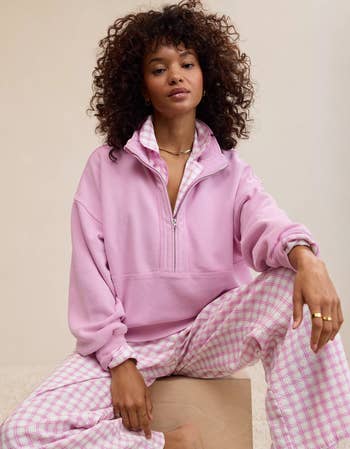
- Affordability Meets Versatility: Market data shows high demand for budget-friendly foundational pieces, such as $10 Y2K-style tees and $15 tennis skorts, proving that comfort and style do not require luxury pricing. Simultaneously, premium investments—such as $149 lace-trim cotton tops or $200 slim-fit professional blazers—demonstrate that shoppers are willing to pay more for garments that successfully merge sophisticated tailoring with unrestrictive wearability.
- The Power of Social Proof: Reviewer commentary heavily influences purchasing decisions in the modern digital marketplace. Phrases like "I could sleep in them" (frequently cited for items like Gap Factory’s barrel-leg jeans and certain soft trousers) and "feels like I’m in jammies all day" serve as primary marketing drivers.
- Inclusive Sizing Metrics: Successful product lines are heavily correlated with inclusive sizing ranges. Items catering to extended sizes—such as high-waisted dress pants available up to size 7X and jumpsuits scaled from XS to 6X—demonstrate that modern consumers demand equity in both comfort and style, regardless of body type.
Official Industry Responses and Brand Strategies
Major apparel brands and retail curators have adapted their product development pipelines to meet the sustained demand for functional, comfortable fashion.
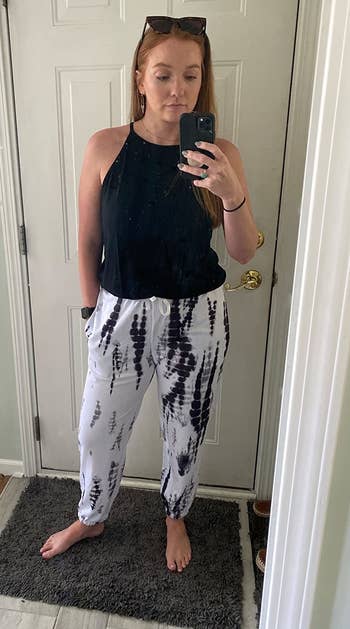
Retailers are placing a strategic emphasis on fabric technology. Innovations such as Tencel blends, brushed interiors, performance knits, and wrinkle-resistant synthetics are now standard specifications in casual and professional wear alike.
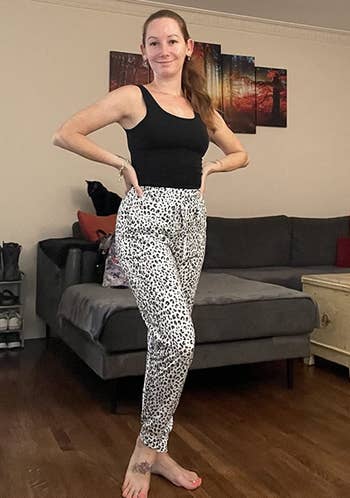
Industry representatives and curation teams note that service journalism and curated shopping guides play a critical role in this ecosystem. By vetting product claims, analyzing real customer feedback, and filtering out superficial trends, modern shopping platforms help consumers navigate the vast array of available options. Brands that prioritize authenticity, transparency regarding fit and fabric quality, and a diverse range of price points are seeing the strongest brand loyalty and customer retention.
Implications for the Future of Fashion
The permanent integration of comfort into everyday fashion carries significant implications for both consumers and the broader retail industry.
1. The Redefinition of Professionalism
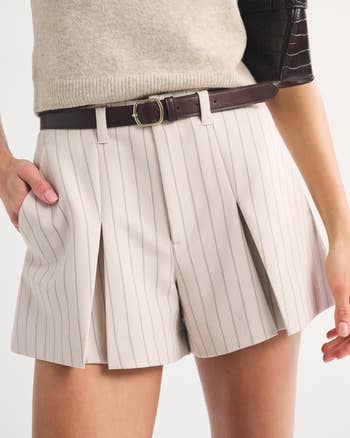
The corporate dress code has permanently loosened. As hybrid work models persist, traditional corporate attire has had to evolve. The rise of soft crepe trousers, stretch-fabric blazers, and wrinkle-resistant button-downs indicates that employers and professionals alike now recognize productivity and comfort as synergistic rather than adversarial.
2. Sustainability and Wardrobe Minimalism
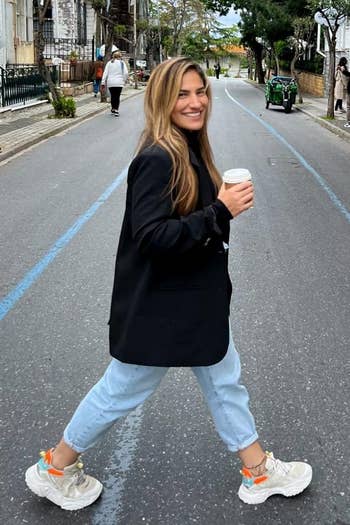
Garments that serve multiple purposes—such as a jumpsuit that transitions from a casual daytime errand outfit to a professional evening look via a simple blazer addition—encourage more intentional purchasing habits. When a single piece of clothing can handle the gym, the office, and a night out, consumers require fewer total items in their closets, subtly shifting the needle toward sustainable consumption.
3. Body Positivity and Inclusive Design
The market success of adaptive sizing, adjustable waistbands, and cuts designed to flatter diverse body shapes without constriction sets a new baseline for the industry. Brands that fail to offer inclusive sizing or prioritize form over basic human comfort risk alienation from a consumer base that has experienced the freedom of well-designed, ergonomic apparel.
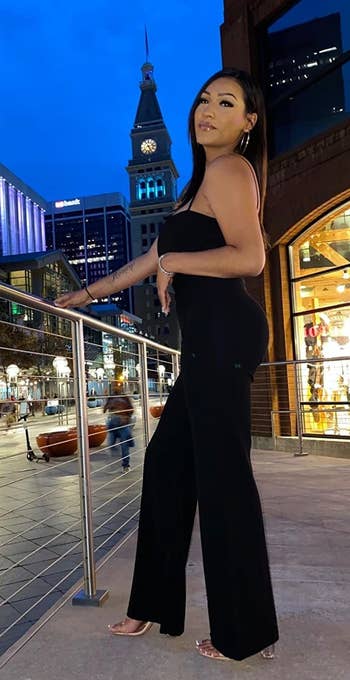
Ultimately, the shift toward comfort-first fashion is more than a fleeting seasonal preference; it is a fundamental recalibration of how society views daily dress. By demanding that clothing work for the wearer rather than against them, consumers have permanently altered the trajectory of modern style.