The Great Lakes Renaissance: How the Dexter Hotel is Redefining Michigan Hospitality

In the heart of Elk Rapids, Michigan, a new standard for localized luxury is taking root. The Dexter Hotel, a 29-room boutique property, represents more than just a place to rest; it is a profound manifesto on the power of regional craftsmanship. Spearheaded by Daniel Caudill—the visionary former creative director of the iconic Detroit-based lifestyle brand Shinola—the hotel is the inaugural project of Kinship Hospitality, a venture co-founded by Caudill and Kamron Bije-Apple in partnership with Shore North Development.
By eschewing the generic aesthetic of modern hospitality, the Dexter Hotel has transformed the northern Michigan landscape into a showroom for the state’s burgeoning creative class. From the solid white oak furniture to the hand-poured ceramics, every element of the guest experience is rooted in a "made-in-Michigan" philosophy.
The Genesis of a Vision: Main Facts
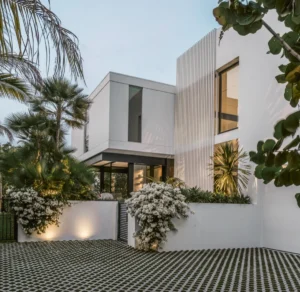
The Dexter Hotel is situated along the pristine, crystalline shores of Grand Traverse Bay, a location that offers a backdrop of natural splendor. However, the true allure lies within its walls. The project serves as a bridge between the industrial design legacy of Detroit and the untapped creative potential of Northern Michigan.
The property is not merely a hotel; it is a curatorial project. Every piece of furniture, lighting fixture, and decorative accessory was evaluated against a singular, rigorous criterion: Can it be made here? This approach has resulted in a space that feels deeply authentic, avoiding the "placeless" feel of global hospitality chains. By focusing on regional sourcing, Caudill has ensured that the hotel acts as an economic engine for local artisans, effectively proving that high-end, contemporary design does not require international logistics—only local partnerships.

A Chronology of Craft: From Concept to Completion
The journey to the Dexter Hotel began long before the doors opened in Elk Rapids. For Daniel Caudill, the project was a decade in the making. Having owned property in northern Michigan for ten years, Caudill found himself enamored not only by the region’s fresh water and lush orchards but by a vibrant, albeit quiet, creative culture that was waiting for a platform.
Phase 1: The Ideation and Partnership
Caudill partnered with Kamron Bije-Apple to form Kinship Hospitality. The goal was to redefine the "getaway" experience. They aligned with Shore North Development to secure a location that could embody the tranquility of the North while maintaining a sophisticated, modern design language.

Phase 2: Sourcing and Collaboration
The sourcing process was an exercise in relationship-building. Drawing on his extensive network from his tenure at Shinola, Caudill began reaching out to makers he had befriended over the years. The selection of Wolf Studio in Grand Rapids was pivotal. Known for their dedication to solid-wood, non-veneer furniture, Wolf Studio worked closely with the Kinship team to refine the scale and ergonomics of every piece—from the bend of a chair’s arm to the slope of a headboard.
Phase 3: Curation and Installation
The final months of the project were defined by obsessive attention to detail. This involved working with Traverse City-based Britten Inc. for custom lighting and ClaySpace for bespoke ceramic accessories. The final touches included the curation of art by Detroit’s Library Street Collective and the addition of vintage finds from Pernette’s in Northport. The result is a space that feels lived-in, curated, and deeply reflective of the Michigan spirit.

Supporting Data: The Anatomy of the Dexter
To understand the depth of this project, one must examine the network of contributors that brought it to life. The hotel is a tapestry of local talent:
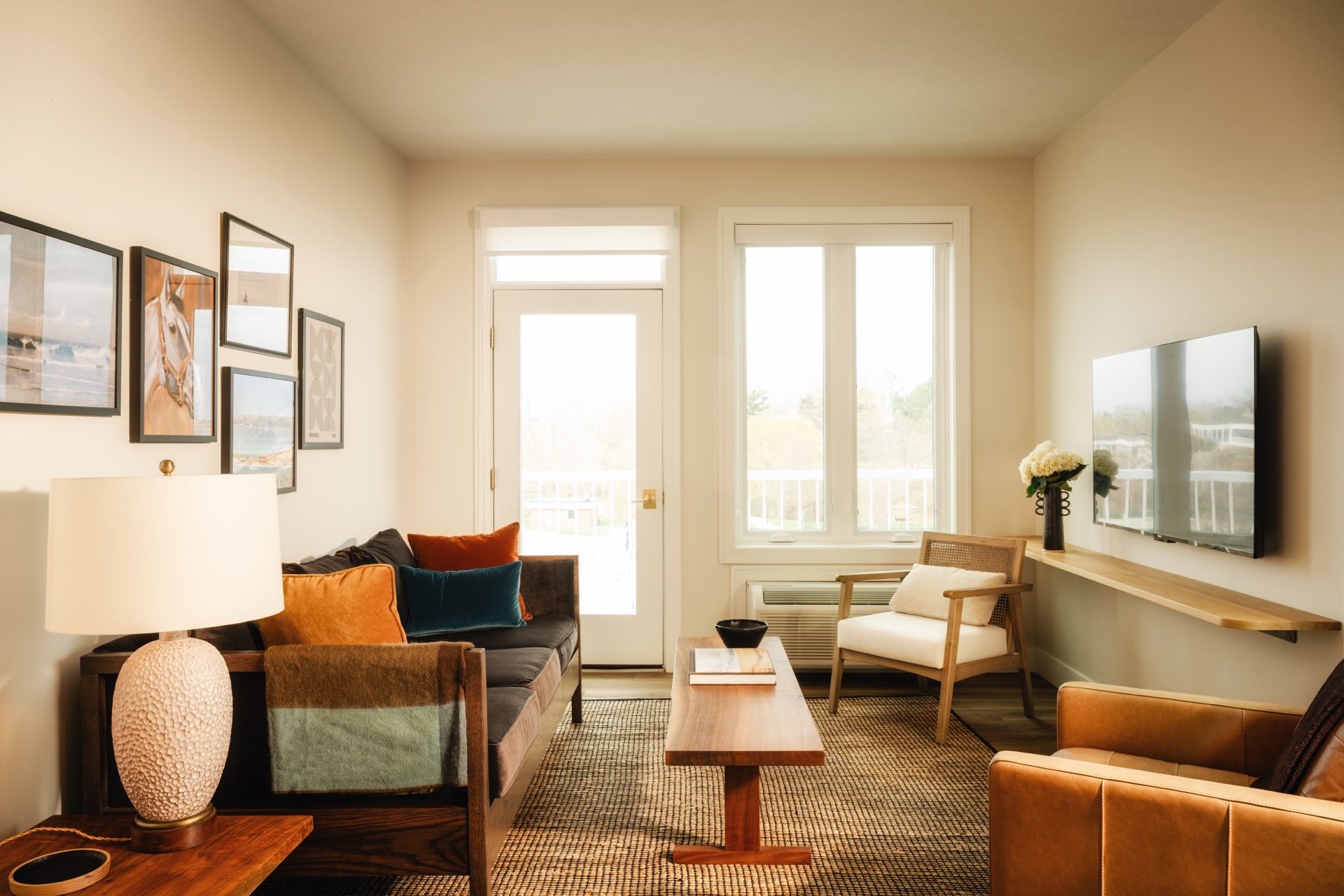
- Furniture Design: Developed by Kinship Hospitality and manufactured by Wolf Studio (Grand Rapids). The furniture prioritizes longevity and tactile satisfaction, utilizing leather, velvet, and heavy-duty canvas.
- Lighting: Custom flush-mount ceiling lights were engineered by Britten Inc. (Traverse City).
- Ceramics and Decor: Vases, trays, and bathroom accessories were fabricated by ClaySpace (Traverse City).
- Signage and Wayfinding: Bear Sign Company (Traverse City) provided the structural signage, while Motown Hand Painting (Detroit) added the human touch through intricate, hand-painted details.
- Artistic Curation: A sophisticated collection featuring works from Library Street Collective, as well as artists Pier Wright and Jesse Hickman.
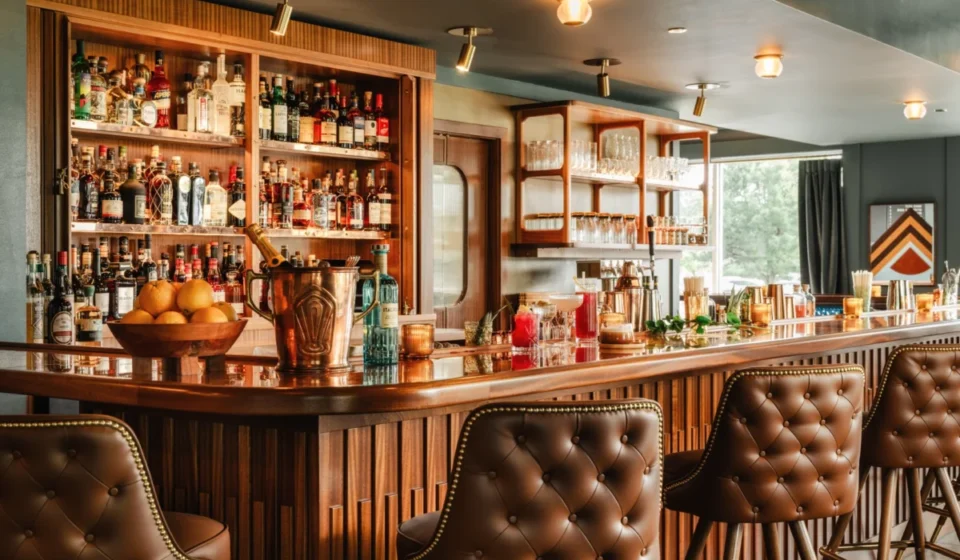
The Noble Lounge, the hotel’s culinary anchor, further reinforces this commitment. By sourcing cheese and produce from nearby Suttons Bay and Northport, the hotel ensures that the "sense of place" extends to the palate.

Voices of the Founders: Official Responses
The philosophy driving the Dexter is perhaps best articulated by Caudill himself. Reflecting on the collaborative process, he notes, "When you’re working with someone local, you can just go over to look at a glaze. You can refine a product as many times as you need to in order to get the perfect color or the right light temperature. It’s a luxury to be able to create like that—and to produce something that people on both sides are proud of."
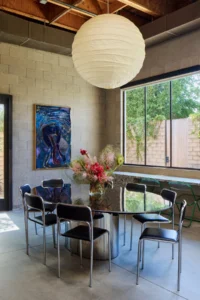
Caudill emphasizes that the goal was never to create a sterile, "designed" environment, but rather a home-like sanctuary. "Some of the vintage chairs look like they came right out of your grandmother’s basement," he laughs. "They give the spot a real hangout vibe. We wanted this to be a space where everyone feels comfortable. Whenever people say, ‘I want to move in here,’ that’s the best compliment."

The project acknowledges that the average guest may not realize the soap dish was crafted by a neighbor, but they will inevitably sense the intention behind the object. To bridge this gap, Kinship Hospitality is currently developing a zine that will document the stories of the artisans and the origins of the hotel’s distinctive decor.
Implications: The Future of Boutique Hospitality
The success of the Dexter Hotel carries significant implications for the hospitality industry, particularly in regions previously ignored by high-end design developers.

1. The Decentralization of Design
For decades, boutique hotel design has been concentrated in major urban centers. The Dexter proves that a "design destination" can thrive in smaller, seasonal, or rural markets if the narrative is rooted in local craft. This model offers a blueprint for other regions to leverage their own local artisans to create unique competitive advantages.
2. The "Slow" Hospitality Movement
In an era of mass-produced, modular hotel interiors, the Dexter represents the "slow hospitality" movement. By prioritizing local, solid-wood manufacturing over cheaper, imported alternatives, the hotel aligns with modern consumer values—sustainability, provenance, and the support of local economies.

3. Economic Revitalization
By acting as a permanent gallery for regional makers, the Dexter Hotel stimulates the local creative economy. The upcoming launch of an on-site gift shop, which will feature many of the items found in the rooms, creates a direct retail pipeline for these artisans, further cementing the bond between the hotel and the local maker community.
4. The Rise of the "Souvenir Experience"
The fact that soap dishes have gone missing from guest rooms is perhaps the ultimate testament to the project’s success. It suggests that guests are no longer satisfied with mass-market amenities; they crave objects with a story. By creating high-quality, bespoke items, the Dexter has tapped into a consumer desire to take a piece of the experience home, effectively turning every guest into a brand ambassador.

Conclusion
The Dexter Hotel is a triumph of intentionality. In a world of transient, forgettable accommodations, Daniel Caudill and his team have built something that demands to be remembered. By weaving together the industrial grit of Detroit with the artisanal warmth of Northern Michigan, they have created a property that is not only a hotel but a community anchor. As the industry looks toward a more sustainable and localized future, the Dexter stands as a shining example of how, when we look in our own backyards, we often find the most extraordinary possibilities.
Whether one is sipping a cocktail in the Noble Lounge or relaxing in a hand-crafted oak-framed bed, the message is clear: the most luxurious experience is one that is authentically connected to the land, the history, and the people of its home.