The Invisible Architecture of the Perfect Wedding: Why Logistics Outshine Aesthetics

Scroll through Pinterest or Instagram for five minutes, and you will be inundated with an endless stream of curated tablescapes, intricate seating charts, and avant-garde floral installations. These digital mood boards are the lifeblood of modern wedding inspiration, painting a picture of ethereal beauty and effortless style. However, there is a glaring omission in this visual narrative: the "unsexy" infrastructure that makes the day possible. You won’t find generators, industrial-sized rubbish bins, heavy-duty extension leads, or luxury portable restrooms on your vision board.
Yet, for couples planning a DIY, festival-style, or outdoor wedding, these elements are not merely optional; they are the fundamental pillars of success. While guests may never compliment you on your choice of waste management provider, they will certainly remember the day if the facilities are lacking. The difference between a wedding that feels like a chaotic scramble and one that feels like a seamless, magical experience often comes down to the logistics that happen entirely behind the scenes.
The Reality of DIY: Moving Beyond the Aesthetic
Planning a wedding is often framed as an exercise in artistic expression. However, the most successful weddings are those where the couple adopts the mindset of a professional event organiser. When you step away from the polished halls of a traditional hotel venue and into a meadow, a forest, or a backyard, you are essentially building a venue from scratch.
This shift in responsibility changes everything. Suddenly, you aren’t just choosing napkins; you are considering site accessibility for heavy-duty supplier vehicles, assessing power load requirements for a band’s sound system, and mapping out pedestrian flow to ensure guests don’t get lost between the ceremony and the cocktail hour.
The Logistics Chronology
To avoid the common pitfalls of outdoor events, successful planners follow a strict logistical chronology:
- Site Assessment (12–18 months out): Before signing a lease on a field, consider the topography. Is the ground level? Is it prone to flooding? Can a catering truck actually reach the site, or will they have to hand-carry 200 plates across a muddy field?
- Infrastructure Procurement (9–12 months out): Secure your "big four": power, water, sanitation, and waste. If the site has no grid power, you need a silent-running generator. If there is no plumbing, you need high-end toilet facilities.
- The "Comfort" Audit (6 months out): Think about the guest experience. If the sun is at its peak during the ceremony, do you have shade? If the temperature dips at night, do you have heat lamps or a basket of blankets?
- The Final Walkthrough (1 month out): This is where you test the flow. Walk the path from the parking lot to the ceremony. Is the signage clear? Is the lighting adequate for the transition from sunset to nightfall?
The "Comfort vs. Style" Equation
A ceremony in a sun-drenched meadow sounds idyllic, but the romance quickly evaporates if your guests are squinting in direct sunlight, sweating in their formal wear, and struggling to find a drop of water. The best wedding planners prioritize "passive comfort" alongside visual flair.
This means integrating amenities into the design rather than letting them stick out like a sore thumb. For example, instead of a sterile water cooler, set up a rustic-chic hydration station with glass dispensers, fresh fruit, and biodegradable cups. Instead of leaving guests to shiver, place a "cozy corner" near the dance floor with a stack of pashminas that doubles as a textural design element.
Addressing the "Portaloo Problem"
Perhaps the most critical—and most overlooked—aspect of outdoor event planning is the restroom situation. Many couples fall into the trap of spending thousands on personalized cocktail napkins while neglecting the actual facilities. If a venue lacks permanent, high-quality bathrooms, investing in a luxury restroom trailer is non-negotiable.
Companies like Platinum Potty Rentals have revolutionized this space, offering trailers that feel less like a festival facility and more like a boutique hotel bathroom. These units typically feature flushing porcelain toilets, vanity mirrors with proper lighting, climate control, and high-quality hand soaps. In the grand scheme of a wedding budget, this is not an extravagance; it is a baseline requirement for guest dignity.
Supporting Data: Why Logistics Drive Guest Sentiment
Research into event satisfaction consistently shows that "friction points"—such as long lines for the bathroom, poor sound quality, or lack of clear directions—are the primary reasons guests remember an event as "disorganized."
When an event runs smoothly, the logistical work is invisible. When it fails, the cracks become the only thing guests talk about. A study on event attendee satisfaction suggests that "perceived comfort" correlates directly with the length of time guests stay at a reception. If guests are physically uncomfortable, they are more likely to leave early. By providing adequate seating, accessible water, and clear, safe pathways, you are essentially buying more time with your guests.
Professional Perspectives on Event Management
Industry veterans often emphasize that the "effortless" look is actually the result of meticulous, granular planning. We spoke with several seasoned event coordinators who noted that the difference between a "good" wedding and a "great" one is the handling of the unexpected.

"A professional organiser doesn’t just plan for the ideal day; they plan for the disaster," says one industry expert. "They ask the questions that couples usually find boring: What happens if the generator dies? Where is the backup lighting? Who is responsible for moving the rubbish bins at the end of the night? The couples who ask these questions are the ones who can actually relax and enjoy their wedding day because they know the foundation is solid."
The Implications of "Invisible" Planning
The implication for modern couples is clear: don’t let the pressure to produce a "Pinterest-perfect" wedding blind you to the essential needs of your attendees. When you prioritize the comfort of your guests, you are showing them that their presence is valued more than the aesthetic of a photo.
Practical Checklist for the Modern DIY Couple:
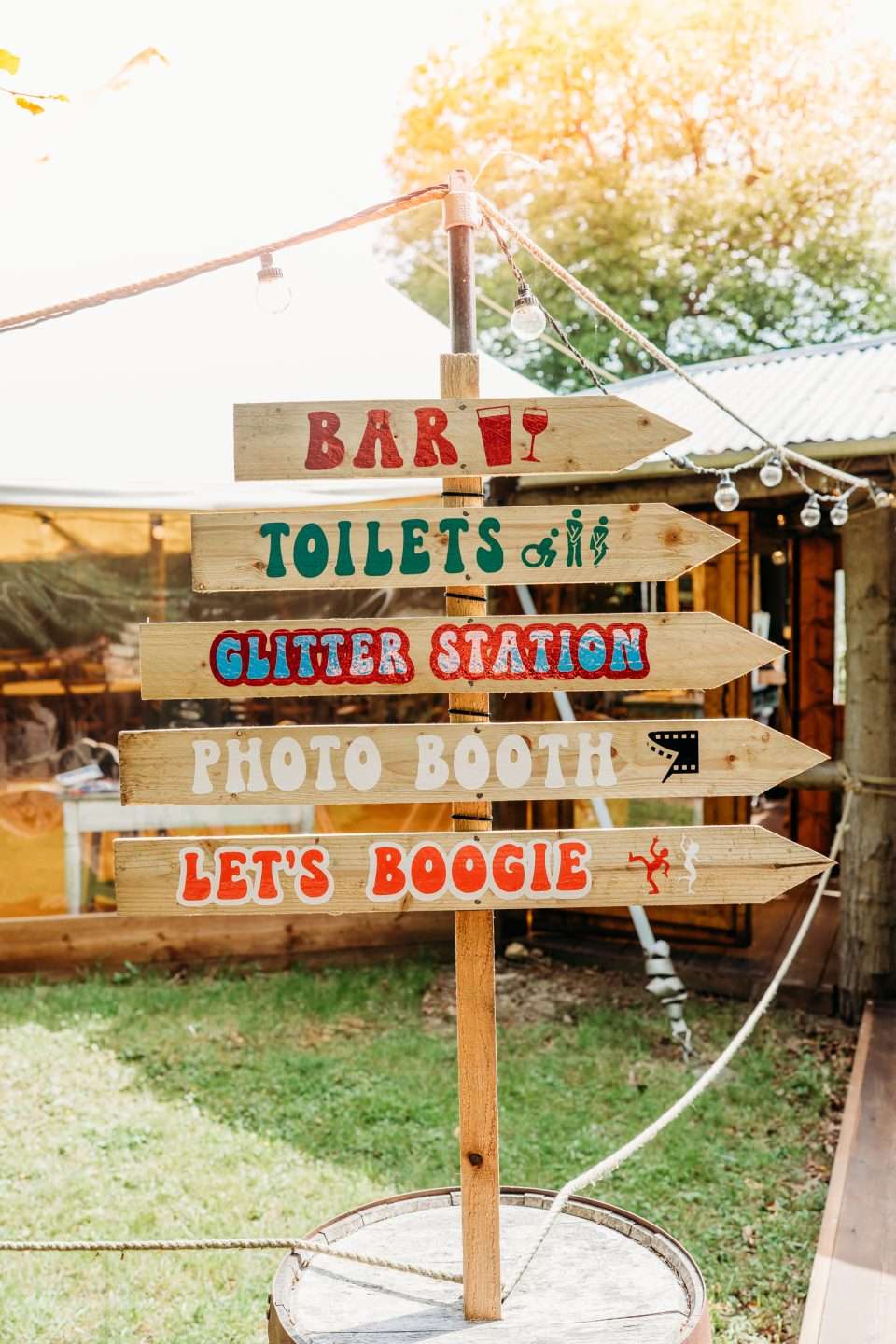
- Signage: Don’t assume people know where to go. Place clear, aesthetically pleasing signs at entry points and junctions.
- Lighting: As the sun sets, the "vibe" should change, but safety must remain. Ensure walkways between the reception area, the parking, and the restrooms are well-lit.
- Charging Stations: In an age of smartphones, a designated, discreet charging corner is a modern-day luxury that guests will quietly adore.
- Waste Management: Have a plan for rubbish. An overflowing bin at the end of the night is a quick way to ruin the atmosphere. Assign a team or a supplier to manage waste removal throughout the evening.
- Accessibility: Consider guests with mobility issues. Does the terrain allow for wheelchair or cane access? If not, how can you bridge that gap?
Conclusion: The Secret to a "Brilliant" Wedding
When you attend a wedding where everything goes right, you rarely stop to think about the logistics. You don’t notice the generator humming quietly in the distance, you don’t notice the precise placement of the lighting, and you certainly don’t notice the efficiency of the waste collection.
Yet, all of these things contribute to a feeling of ease. When the physical environment is taken care of, guests can focus on what actually matters: the connection between the couple, the joy of the celebration, and the shared memories being created.
Ultimately, your wedding is not a photoshoot; it is an event. While the sequins and the flowers might catch the eye in a photograph, it is the invisible architecture of your logistical planning that will make your guests head home at the end of the night saying, "That was such a brilliant wedding." By balancing the aesthetic with the practical, you ensure that your wedding is not just a beautiful image on a screen, but a profound and comfortable experience for everyone involved.