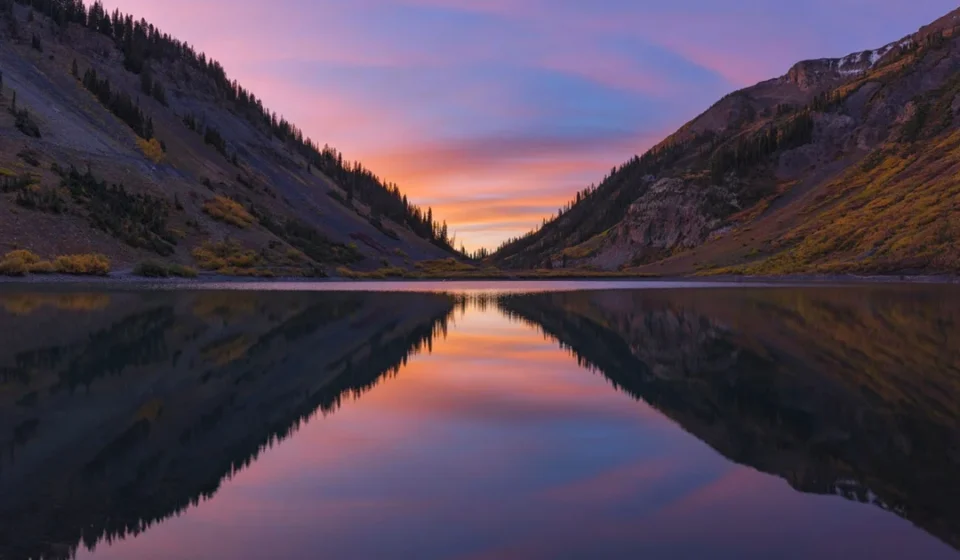

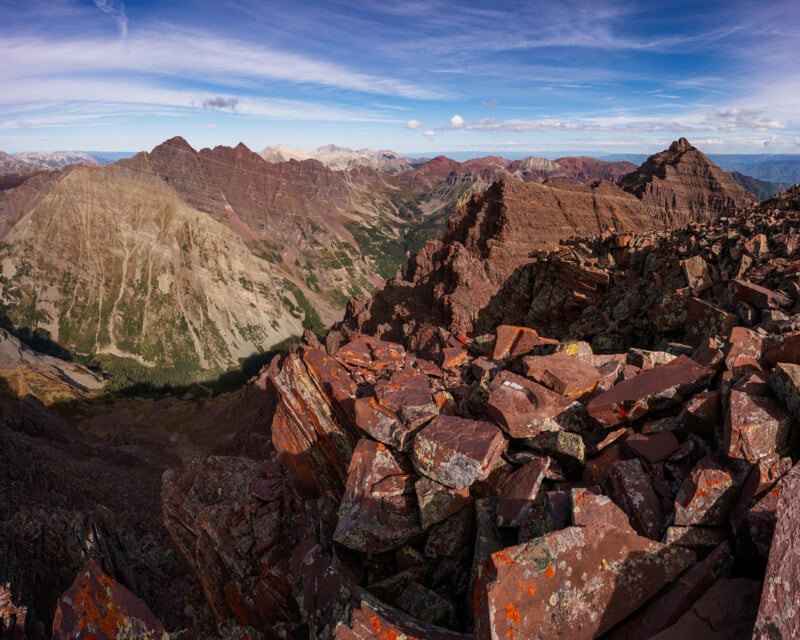
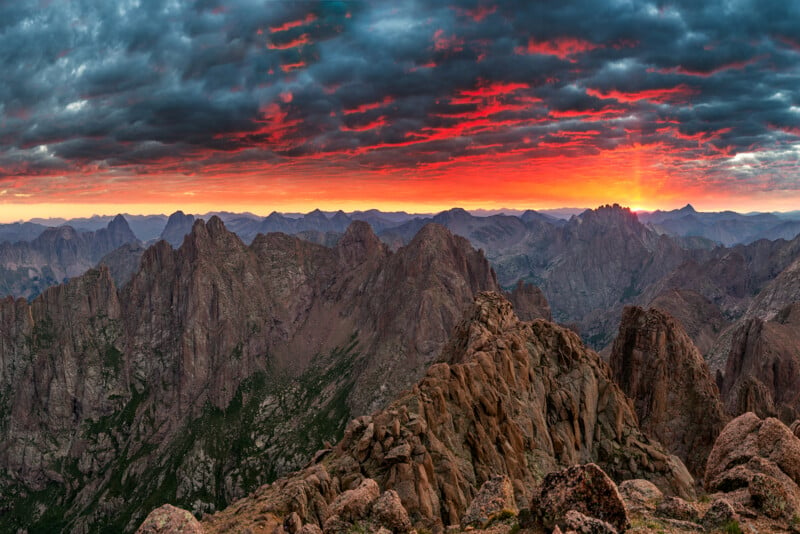
For most outdoor photographers, the "peak" is both a destination and a metric of success. For Matt Payne, a Colorado-based photographer and mountaineer, the summit was, for a decade, the only thing that mattered. Having spent his youth climbing the rugged peaks of the Rockies, Payne eventually embarked on a decadelong odyssey to document Colorado’s 100 highest peaks—the "Centennials."
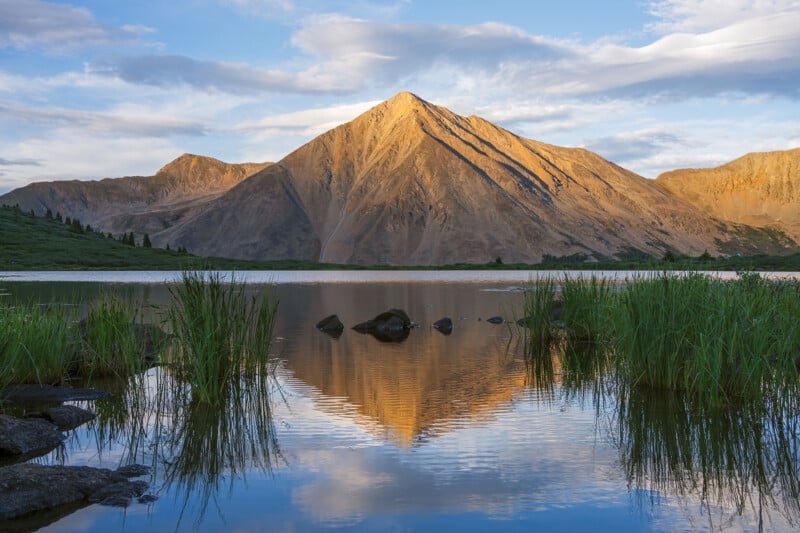
However, upon completing this monumental checklist in 2018 on the summit of Thunder Pyramid, Payne found himself facing an unexpected void. Despite the physical triumph and the thousands of images captured, he realized that his artistic process had become a cycle of industrial-grade output rather than creative exploration. This realization sparked a profound transformation, shifting his focus from the "what" of photography—the gear, the peaks, the summit shots—to the "why."
A Foundation Built on Altitude: The First Decade
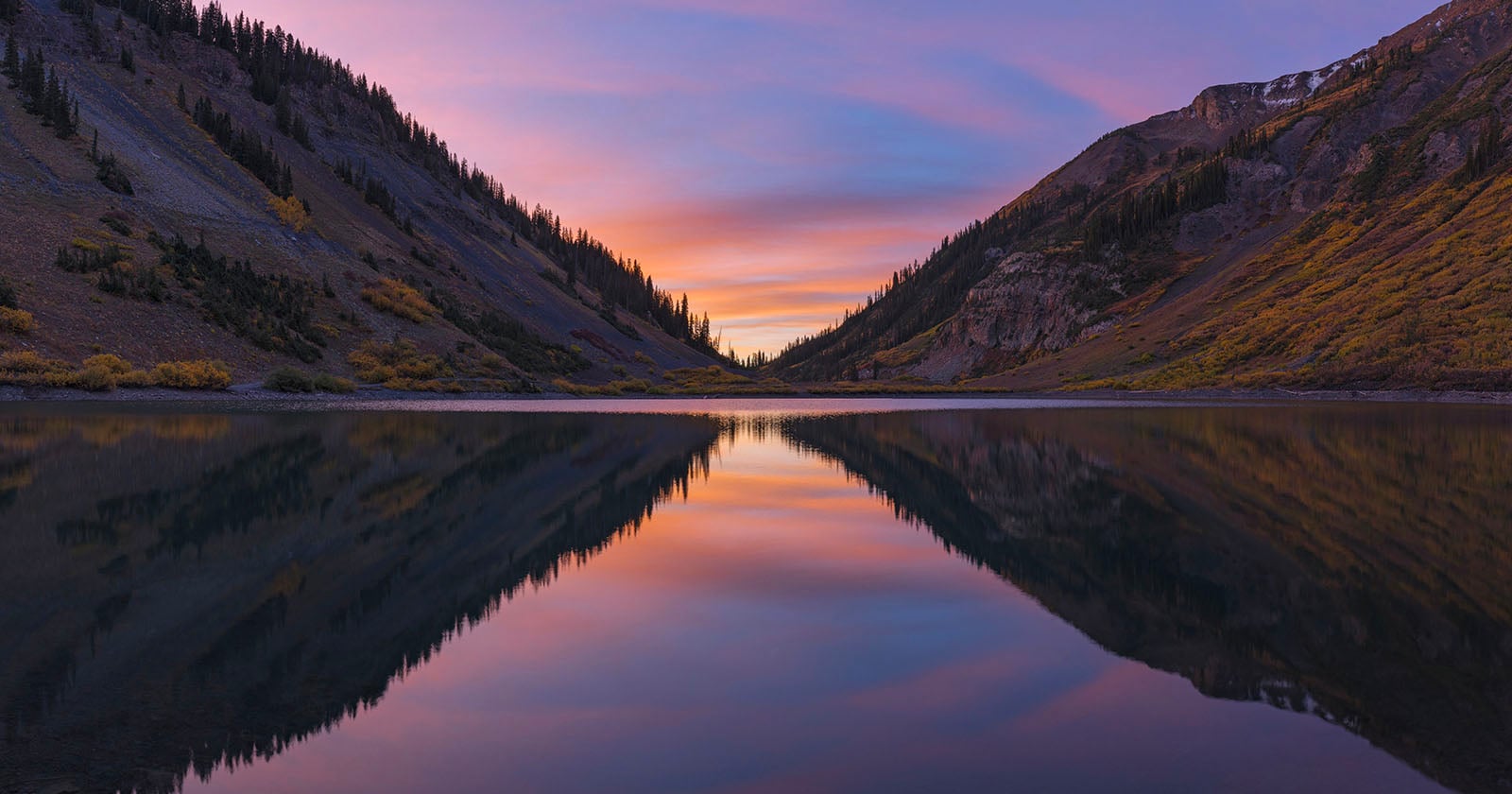
Payne’s relationship with the mountains began at the age of four on Fairview Peak. By age six, he had successfully navigated his first "fourteener," Mount Sherman. These formative experiences established a bedrock of discipline and resilience that would later define his professional life.
In 2008, following the birth of his son, Quinn, Payne committed to the Centennial project. The goal was twofold: to conquer the 53 fourteeners and the remaining 47 high peaks that constitute the state’s elite list. For ten years, his life was governed by the requirements of these ascents. He approached each peak with a military-style assignment: climb, photograph, and move on. While this era was characterized by immense physical growth and the acquisition of technical mastery, Payne now identifies it as the "first half" of his creative life—a period of construction, accumulation, and imitation.
The Turning Point: The Jungian Shift
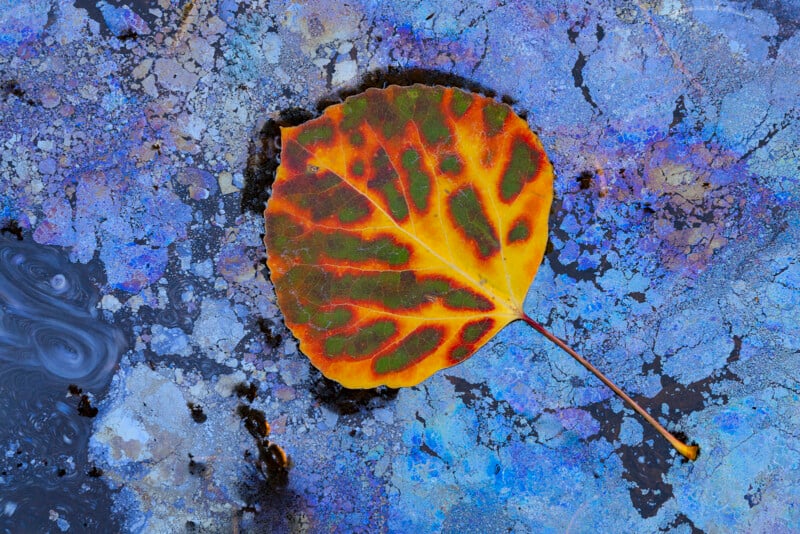
The catalyst for change did not occur on a mountain ridge, but rather in a recording studio. During episode 334 of his podcast, F-Stop, Collaborate and Listen, Payne interviewed photographer Sean Tucker. Their conversation delved into Carl Jung’s theory regarding the two halves of life: the first half spent building an identity and mastering external tools, and the second half, triggered by a crisis of meaning, where one must strip away the unnecessary to find a more authentic voice.
Tucker’s line of questioning—"What are you actually after with this camera?"—hit a nerve. Payne recognized that his decade of climbing had made him disciplined but not curious. He was technically proficient, but he lacked a deeper, philosophical engagement with his subject matter. This realization led to a pivotal decision: to leave a stable career in nonprofit leadership and pursue photography full-time, while simultaneously committing to hike the entire Colorado Trail in one summer.
Chronology of a Creative Metamorphosis
- 1980s–1990s: Early exposure to mountaineering builds a foundation of physical and mental resilience.
- 2008–2018: The Centennial Project. A decade spent methodically climbing and documenting Colorado’s 100 highest peaks.
- 2010: A brush with tragedy on Longs Peak and Mount Meeker leads to years of researching mountaineering fatalities, fostering a sense of humility and caution.
- 2023: The Colorado Trail thru-hike. A 35-day journey that prioritizes internal reflection over the ticking off of a list.
- 2024–2025: The development of the book The Colorado Way, synthesizing years of video reflections and psychological inquiry into a cohesive narrative.
Supporting Data: The Science of Effort
Payne’s transformation was not merely aesthetic; it was grounded in a shift toward what psychologists call "hormesis." By studying the work of researcher Anna Lembke, Payne began to view the extreme physical toll of the Colorado Trail not as a cost to be endured, but as a mechanism for growth.
On days where he faced 5,000 feet of vertical gain and multiple summits, he found that the discomfort acted as a catalyst for cognitive and emotional clarity. By recording daily video reflections—where he explicitly chose a psychological concept to contemplate—he transformed the trail into a laboratory for the self. The data points were no longer just coordinates and light meters, but internal shifts in gratitude, vulnerability, and the understanding of human interdependence.
The Human Element: Lessons in Vulnerability
A defining moment occurred on Day 7 of his Colorado Trail journey. Exhausted and cold, Payne convinced himself that his family was waiting for him in the town of Keystone—a fantasy born of isolation and longing. When they were not there, the resulting emotional collapse forced him to confront his own self-reliance.
"I’ve spent a long time priding myself on being even-keeled," Payne noted. "That afternoon taught me how much I actually depend on other people, whether I want to admit it or not." This moment of humility became a cornerstone of his new philosophy, allowing him to document not just the grandeur of the mountains, but the fragility of the human experience within them.
Implications for the Modern Creator
The publication of Payne’s book, The Colorado Way, serves as a blueprint for photographers and creatives facing similar plateaus. The book is not merely a collection of high-altitude landscape photography; it is an interrogation of the medium itself.
The Power of Intention
Payne argues that the primary failure of many creative projects is the lack of a "question." Without a central inquiry—a specific psychological or philosophical concept one is trying to understand—a photographer is merely a witness to their surroundings. By deciding what he was trying to learn before even picking up the camera, Payne shifted from being a "taker" of images to a "maker" of meaning.
The Role of Mentorship and Grants
The transition from raw video notes to a professional publication was accelerated by winning the Inspired Creator award from the Nature Photography Collective. This support provided the external validation Payne needed to treat his internal process as a professional product. The advice from mentor Nic Stover, who encouraged Payne to widen the scope of the project to include the entirety of his career arc rather than just the trail, proved vital in creating a resonant narrative.
Redefining Success
For those who are not writing books or hiking hundreds of miles, the takeaway remains potent. Whether one is a hobbyist or a professional, the quality of one’s work is directly tied to the intentionality behind it. Payne’s journey suggests that if the camera is not being used to answer a question, it is likely being used to fill a silence.
Conclusion: A New Assignment
Matt Payne’s story is a compelling case study in the evolution of artistic purpose. He has moved beyond the "first half" of his career—the era of summits and checklists—into a more nuanced "second half" defined by curiosity and deep inquiry.
By prioritizing the "why" over the "what," he has not only revitalized his own creative passion but has also provided a framework for others to do the same. In a world saturated with imagery, the most valuable photographs are those that carry the weight of the questions their creators dared to ask while making them. As Payne concludes, the mountains will always be there, and the camera will always be ready—but the real work happens in the space between the two, where one decides what it is they are truly trying to say.
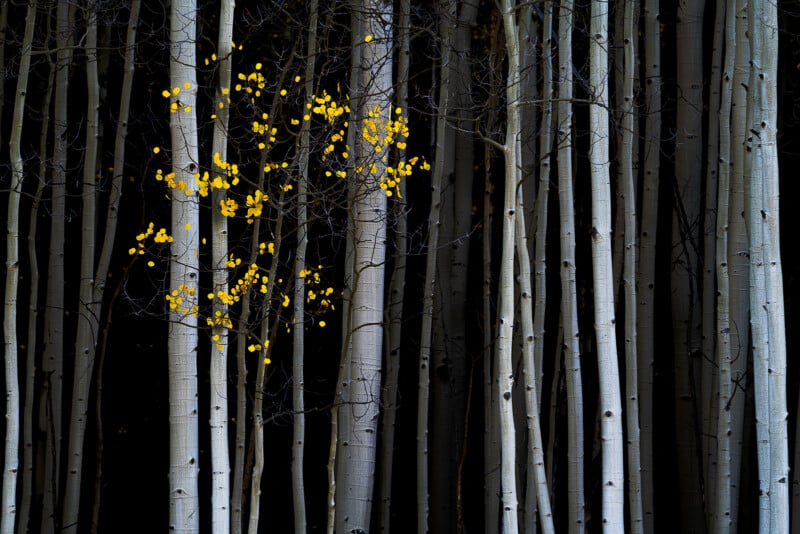
For those interested in exploring the deeper philosophy of this journey, Matt Payne has made the first chapter of his book, ‘The Colorado Way,’ available for reading at his website.