The Masterclass in Modern Social: How Top Brands Conquered Instagram in 2026

By the Editorial Team
Published: September 2026
Main Facts
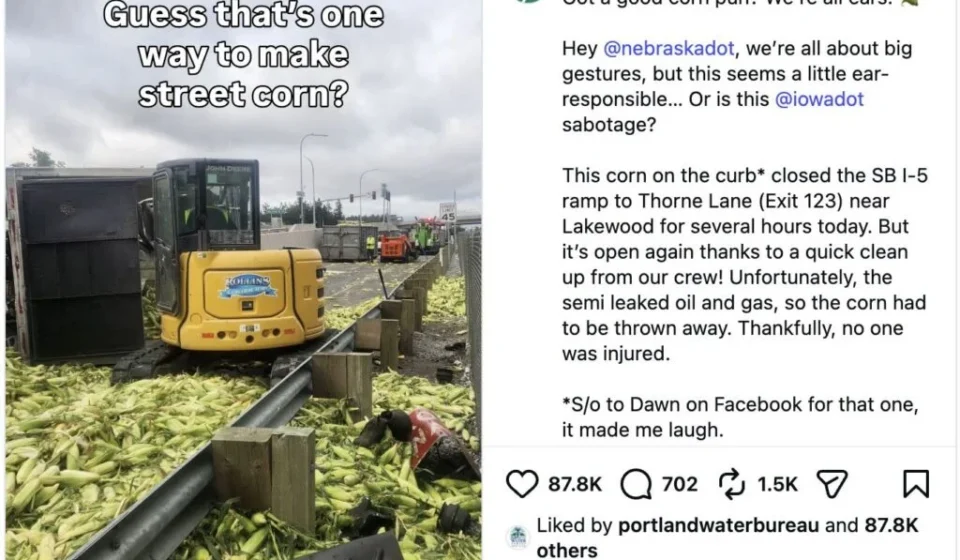
As the digital landscape matures, social media strategy has fundamentally shifted away from direct, transactional advertising toward deep cultural fluency. The latest edition of the Social Futures Report focuses exclusively on Instagram, dissecting the standout brand campaigns, public sector communications, and viral activations that defined the digital ecosystem in 2026.
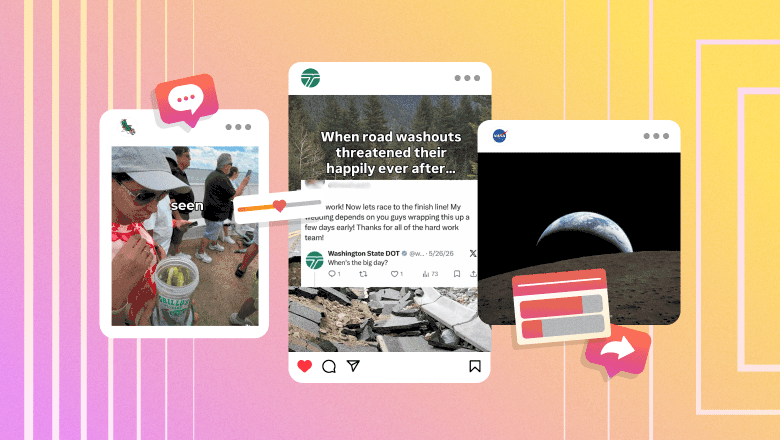
The report evaluates performance not merely through creative execution, but through rigorous metrics: brand impact, earned media value (EMV), and audience engagement. From global athletic powerhouses capitalizing on the World Cup to a state department of transportation finding viral success through humor, the data reveals a singular overarching truth: the most successful brands on Instagram in 2026 prioritized community resonance, humor, and absurdist storytelling over hard-selling tactics.
Key highlights from the 2026 report include:
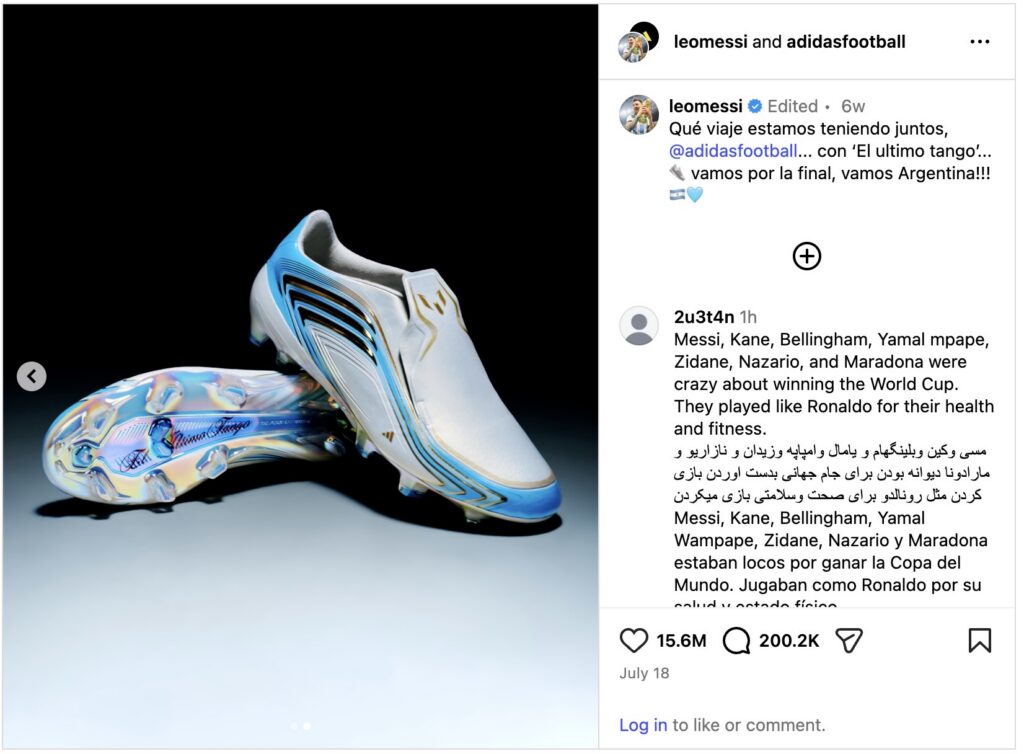
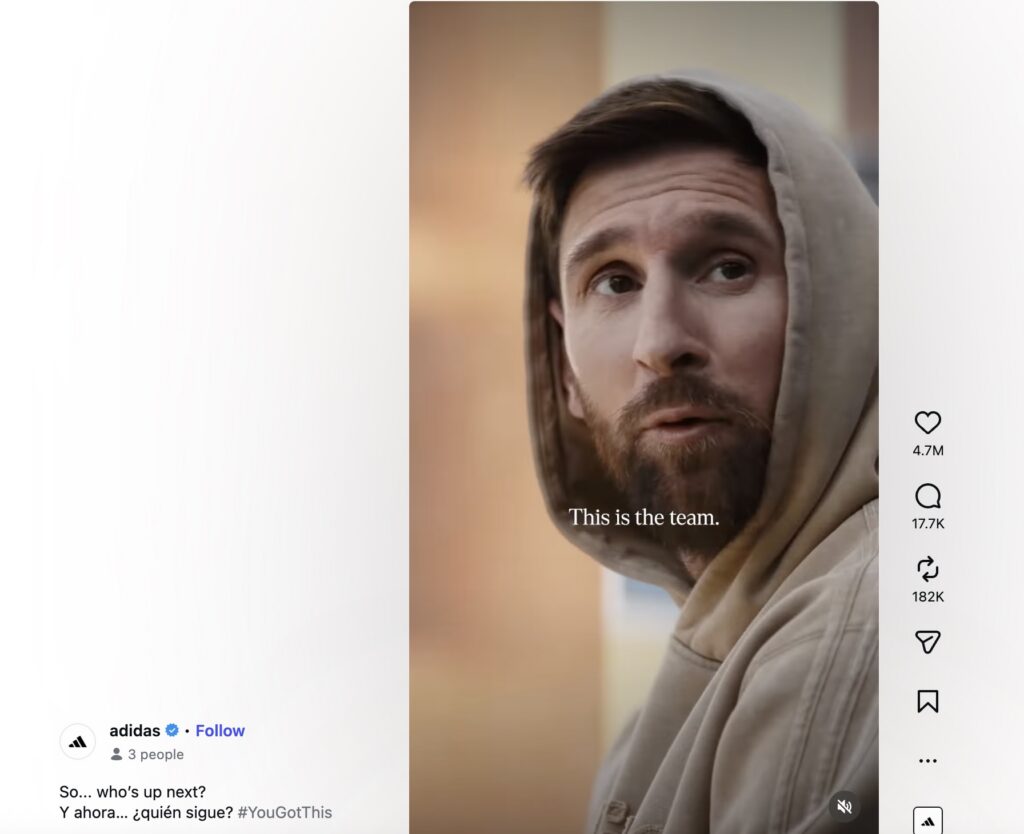
- Adidas Football generating nearly $100 million in estimated earned media value between May and July through strategic athlete co-posting.
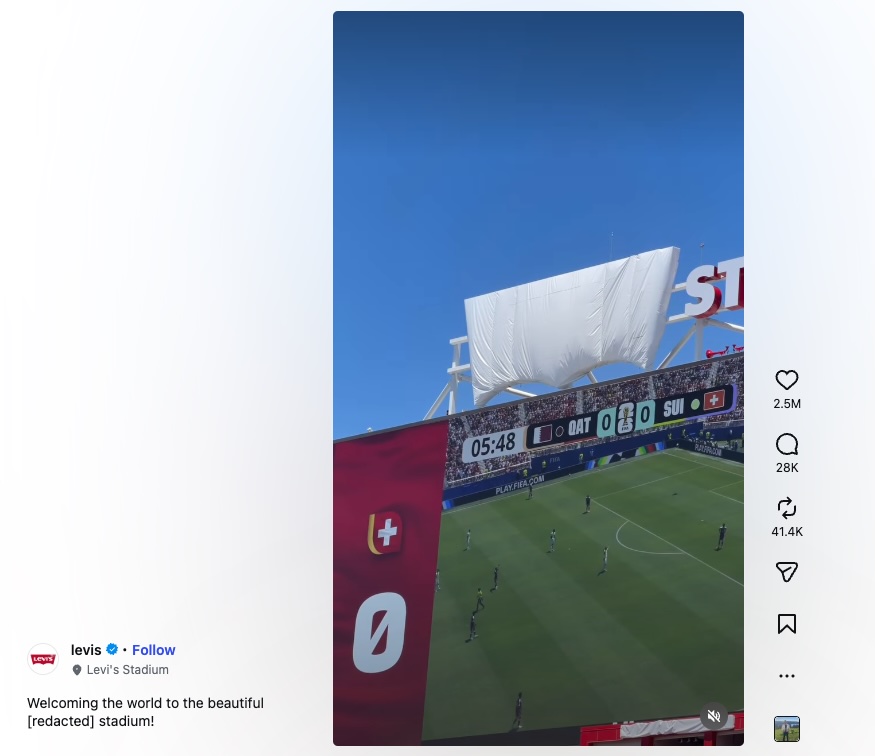
- Levi’s turning a strict stadium sponsorship restriction into its most successful Instagram post of the year, garnering 2.5 million engagements.
- NASA leveraging the Artemis II moon mission to spark 130 million engagements by blending high-stakes space exploration with humanizing, whimsical content.
- Grillo’s Pickles defying conventional CPG marketing through absurdist, character-driven world-building that yielded over 14 million engagements and $40 million in EMV.
Chronology: A Banner Year for Visual Storytelling
The trajectory of Instagram marketing throughout 2026 was punctuated by massive global events, seasonal shifts, and spontaneous cultural phenomena.
- Q1–Q2 (The Lead-Up to the Summer of Sport): As anticipation built for the 2026 World Cup, brands began aligning their strategies with global sporting icons. Simultaneously, space exploration captured the public imagination in April, when NASA’s Artemis II mission launched astronauts into lunar orbit, providing a month-long masterclass in visual storytelling and employee-generated content.
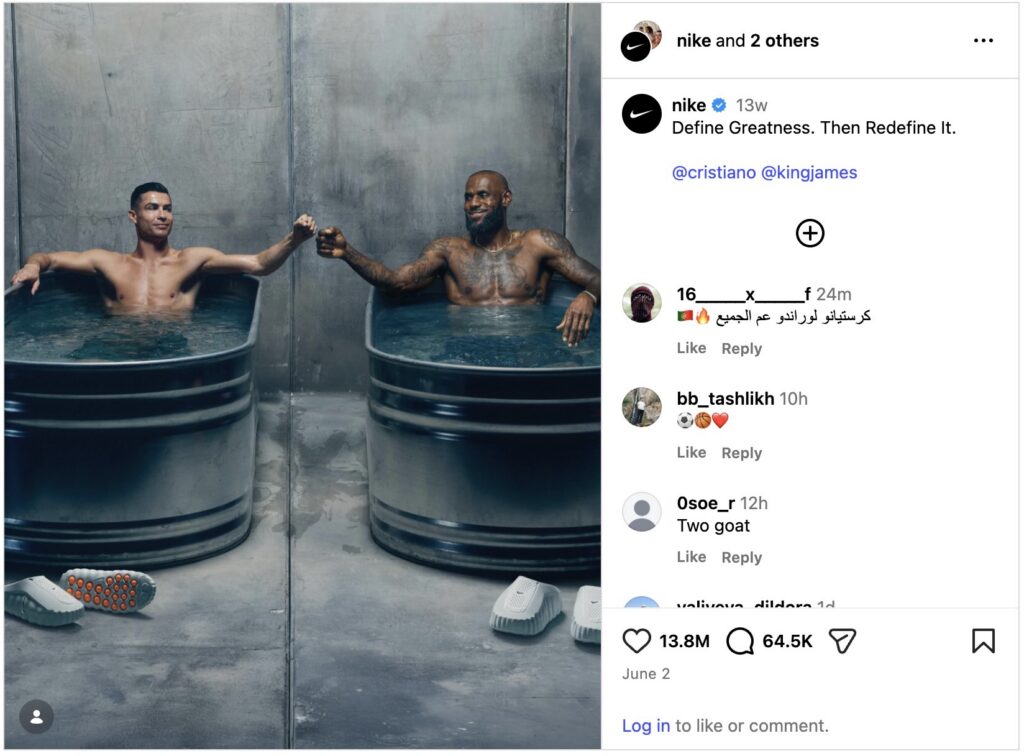
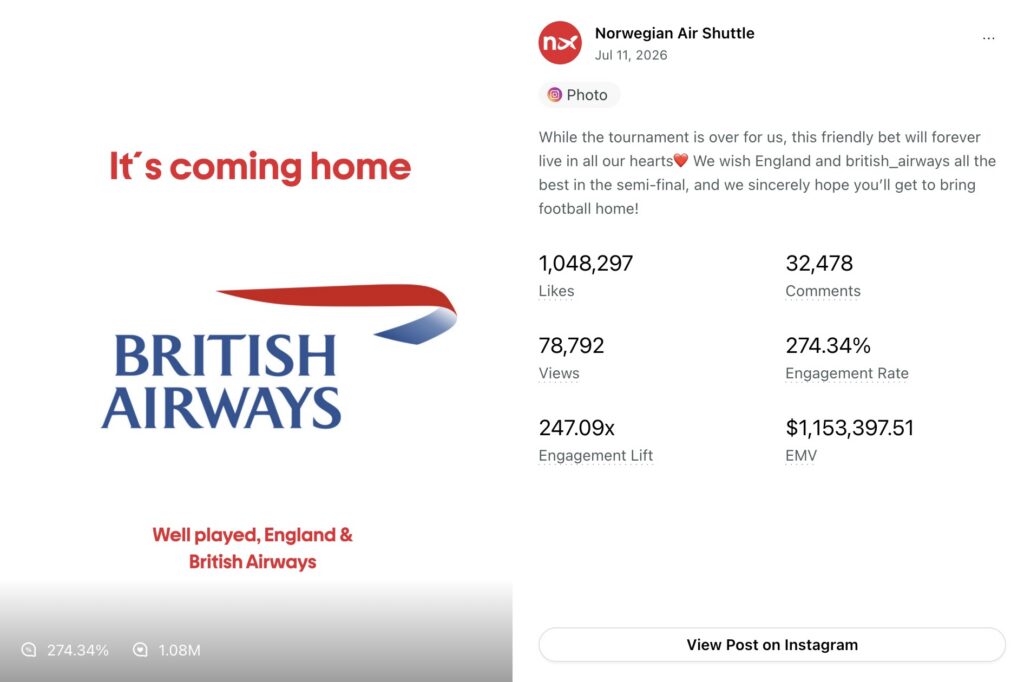
- May–July (The World Cup Peak): The summer months dominated social media metrics. Adidas and Nike unleashed multi-channel campaigns featuring global icons Lionel Messi and Cristiano Ronaldo. Concurrently, regional pride sparked digital rivalry as British Airways and Norwegian engaged in a high-stakes, public-facing bet over the England-Norway quarter-finals.
- Mid-Summer Milestones (July 2026): Public sector accounts broke records. The Washington State Department of Transportation (WSDOT) celebrated its 10,000th successful animal crossing over Snoqualmie Pass, while continuing its trademark blend of public safety and sharp regional humor.
- Late Summer and Beyond: Brands like McDonald’s and Grillo’s Pickles sustained high engagement levels through late August and September by leaning into internet lore, absurdist mascot adventures, and first-mover reactions to digital subcultures.
Supporting Data & Metrics
Quantitative analysis from Sprout Social and influencer marketing databases underscores the financial and community-building impact of these creative risks.
The Financial Power of Athlete Partnerships
The sports marketing rivalry between Nike and Adidas played out vividly across Instagram algorithms. Adidas Football drove nearly $100 million in estimated earned media value (EMV) on Instagram between May and July alone. A single co-posted image featuring Lionel Messi’s signature boots ahead of the World Cup final racked up more than 15 million interactions.
The ROI of Creative Constraints
When Levi’s faced strict stadium sponsorship rules that forced them to cover their logo at a major Bay Area World Cup venue, they pivoted instantly. By posting a Reel welcoming visitors to the “beautiful [redacted] stadium,” the denim brand achieved its highest-performing Instagram post of the year, pulling in 2.5 million engagements and translating digital buzz into a successful limited-edition retail run of redacted-logo shirts.
Public Sector Punching Above Its Weight
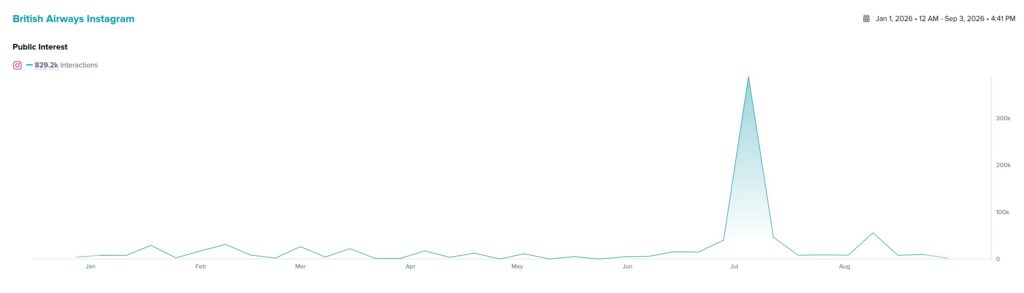
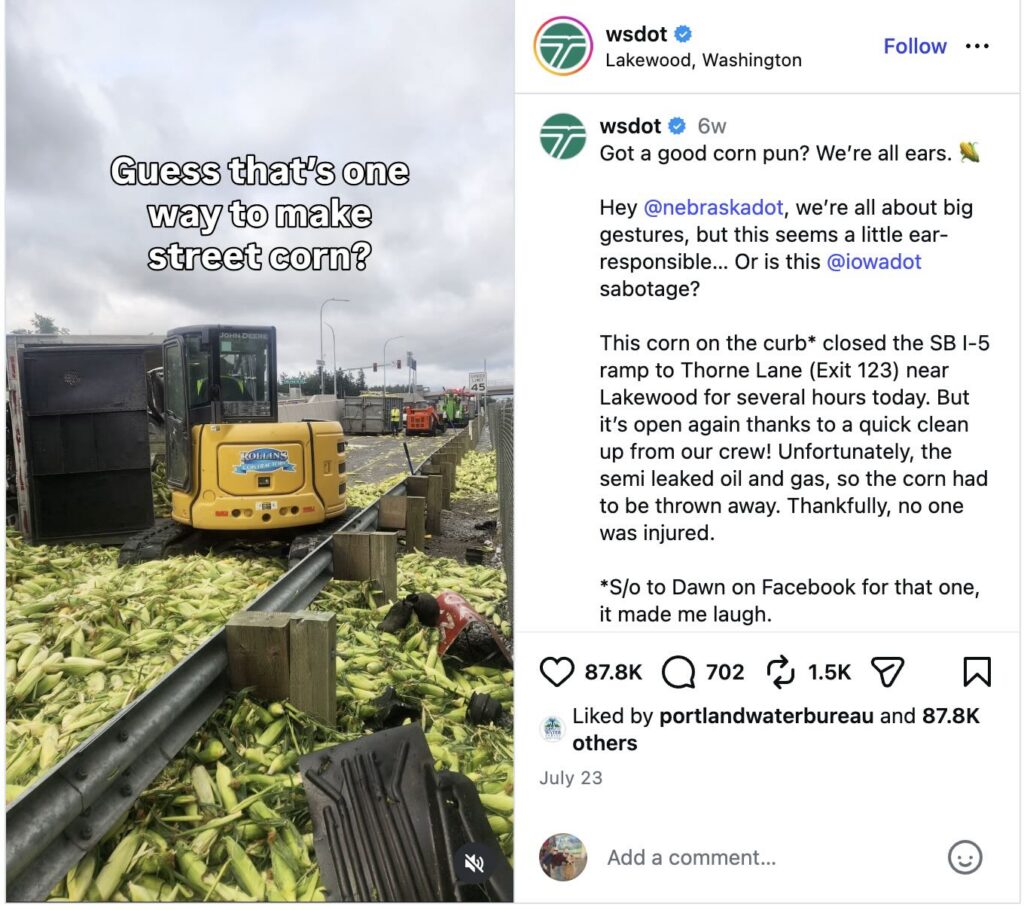
Government and infrastructure accounts proved that utility and entertainment are not mutually exclusive. WSDOT’s milestone celebration of its 10,000th Snoqualmie Pass animal crossing secured nearly half a million engagements, accompanied by overwhelming public praise. Similarly, Norwegian Airlines secured over 1 million likes and $1.1 million in EMV simply by leaning into a lighthearted lost bet against British Airways.
The Aburdist Payoff
Grillo’s Pickles proved that breaking standard CPG (Consumer Packaged Goods) marketing molds can yield massive returns. By treating an actual pickle as a global traveler—visiting the Statue of Liberty (over 8 million engagements) and participating in speed races—the brand accumulated over 14 million engagements and $40+ million in EMV by late 2026.
Official Responses and Industry Insights
Social media strategists and brand representatives have weighed heavily on why this shift toward cultural fluency is reshaping digital marketing budgets.
Industry analysts point out that modern consumers possess an exceptionally high tolerance for—and active aversion to—overt corporate pitching. When public institutions like NASA or regional departments like WSDOT humanize their operations, they bridge the gap between bureaucracy and citizenry.
"Information doesn’t have to be boring," notes the Social Futures Report. "If you can use humor as a low-stakes narrative hook, that’s a great way to get people to stop scrolling. But always think about how you can tie your message to a larger emotional narrative, as that’s what truly gets people to engage."
Furthermore, brands like McDonald’s have credited their social intelligence frameworks for granting them first-mover advantages. By embracing internet lore—such as their stylized “Backrooms” video campaign—the fast-food giant demonstrated that understanding the digital zeitgeist allows teams to predict market movements rather than frantically reacting to fleeting trends.
Implications for Content Creators and Marketing Teams
The overarching takeaway from the 2026 Instagram landscape is clear: cultural fluency supersedes hard selling.
With few exceptions (such as straightforward Happy Meal collaborations or product launches), the most successful brands of the year completely refrained from talking about their balance sheets or pushing product specifications. Instead, they focused on community, humor, and shared human experiences.
For marketing teams looking to replicate this success moving forward, the report outlines several actionable plays:
- Leverage Star Power Authentically: When collaborating with creators, influencers, or global icons, do not treat their accounts as digital billboards. Co-post content natively to leverage their built-in distribution networks.
- Turn Restrictions into Creative Fuel: Red tape, legal boundaries, or sponsorship blocks should not be viewed as dead ends. Embracing constraints with a wink and a nod invites audiences to feel "in on the joke," fostering organic community growth.
- Embrace the Weird: In a sea of algorithmic trend-surfing, distinctive world-building stands out. Brands should not be afraid to carve out absurdist, proprietary narratives that audiences can actively step into.
- Prioritize Social Intelligence Over Reactivity: True cultural relevance requires a deep, ongoing understanding of internet culture and brand positioning. Developing frameworks that anticipate cultural conversations grants brands a first-mover advantage that reactive posting simply cannot match.
As the digital ecosystem continues to evolve, the brands winning on Instagram are those that treat the platform not as an advertising channel, but as a cultural town square.
Related posts: