Mastering the Productivity Trap: A Definitive Executive Guide to Modern Social Media Automation

GLOBAL DIGITAL LANDSCAPE — In today’s hyper-connected digital ecosystem, modern marketing teams face an unyielding paradox: expanding channel footprints demand an ever-increasing volume of content and rapid response times, yet headcount and operational resources remain strictly capped. The result is a pervasive productivity trap. Social media professionals find themselves trapped in a high-effort, low-yield cycle where they are perpetually doing more manual work, yet their overall performance metrics stagnate.
Recent data underscores the severity of this systemic issue. According to The Social Media Productivity Report published by Sprout Social, an alarming 63% of social media practitioners are unable to focus on high-impact, strategic work because they are perpetually bogged down by repetitive manual tasks. Conversely, organizations that successfully deploy dedicated management and automation tools are twice as likely to report having adequate time to execute their core responsibilities.

This stark divergence has shifted the industry narrative. Automation is no longer viewed as a superficial luxury or a cold, depersonalized shortcut; rather, it has become a foundational survival strategy for modern marketing enterprises.
Main Facts: The Anatomy of the Social Media Productivity Crisis
The contemporary social media management role has evolved far beyond simply composing tweets or scheduling aesthetically pleasing Instagram posts. Today’s professionals act as customer service representatives, crisis communications managers, data analysts, and content creators rolled into one.
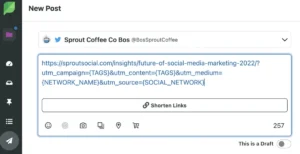
When executed manually, this multi-faceted role collapses under its own weight. The core mechanics of manual social media management involve navigating dozens of separate native applications, logging into multiple profiles repeatedly throughout the day, copy-pasting tracking links, manually reviewing comment threads across fragmented platforms, and compiling cumbersome spreadsheet-based performance reports.
The introduction of social media automation fundamentally alters this equation. By letting specialized software handle routine, repetitive operations—such as multi-platform post-scheduling, basic inbound message sorting, and brand-mention tracking—organizations can reclaim hundreds of operational hours. This saved time can be redirected toward high-level strategy, creative campaign conceptualization, and genuine human-to-human engagement that builds brand loyalty.
Chronology: The Three-Step Strategic Implementation Framework
For organizations looking to transition out of the manual productivity trap, successfully implementing automation requires a disciplined, chronological approach. Industry experts recommend a three-phased framework that scales from foundational publishing control to advanced listening and reporting architectures.
Phase 1: Centralizing Publishing and Establishing Content Calendars
The first step in any automation journey is bringing order to the content supply chain.
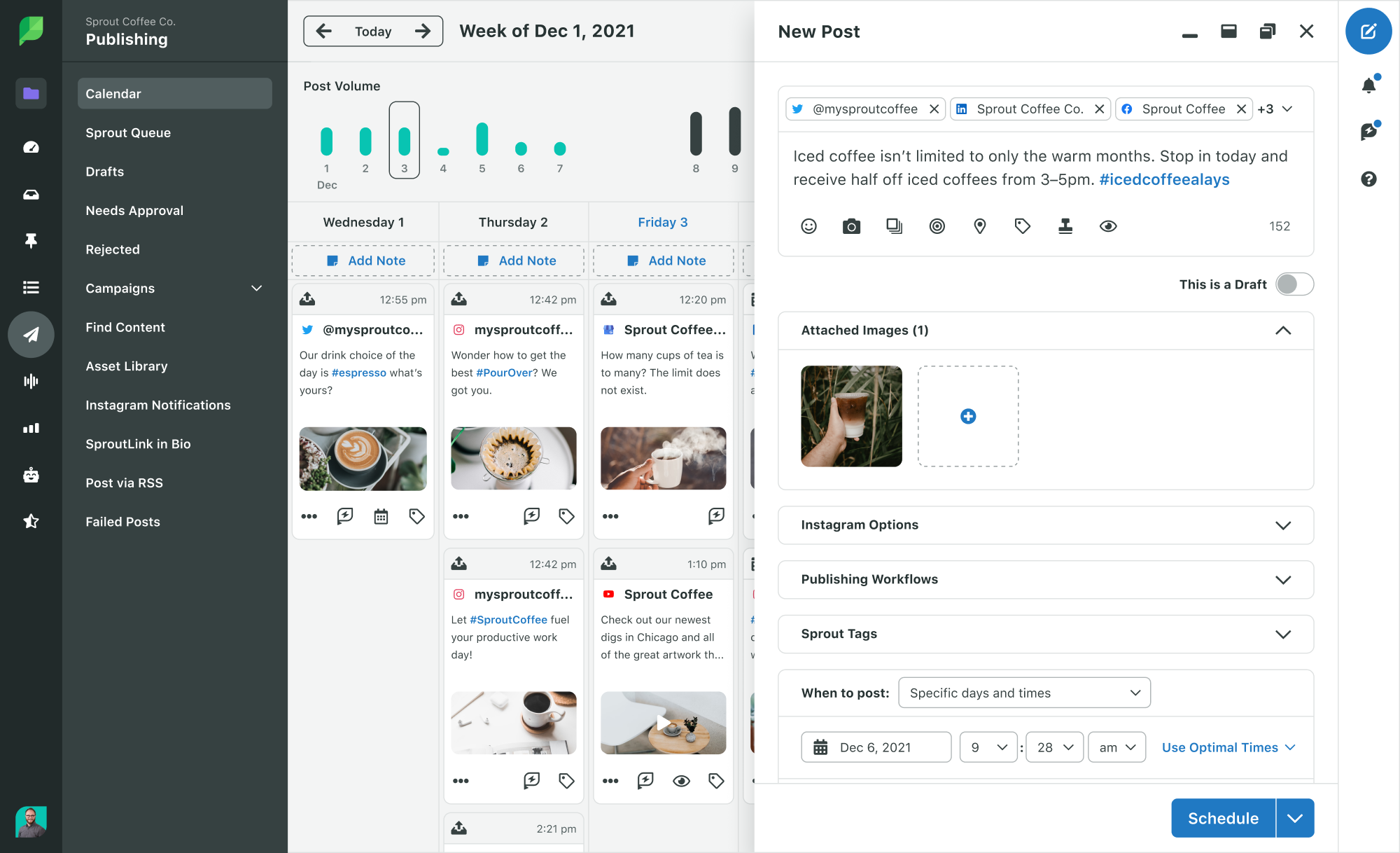
- Connect Profiles to a Single Dashboard: Manually opening separate browser tabs or mobile apps to push out individual posts is a massive waste of organizational resources. Modern social media management platforms—such as Sprout Social—allow enterprises to link all brand profiles across disparate social networks into a unified publishing dashboard. Content creators can draft a single asset and selectively deploy it across multiple networks simultaneously.
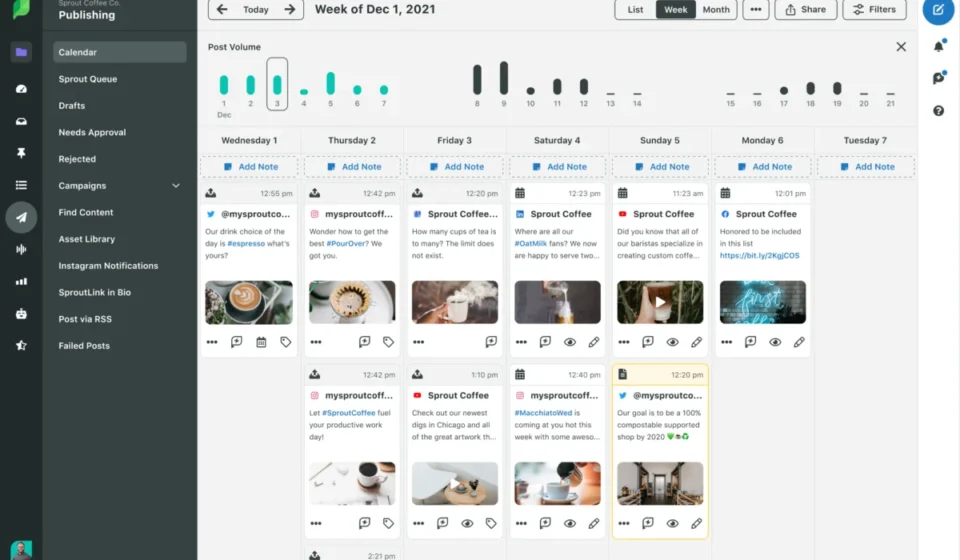
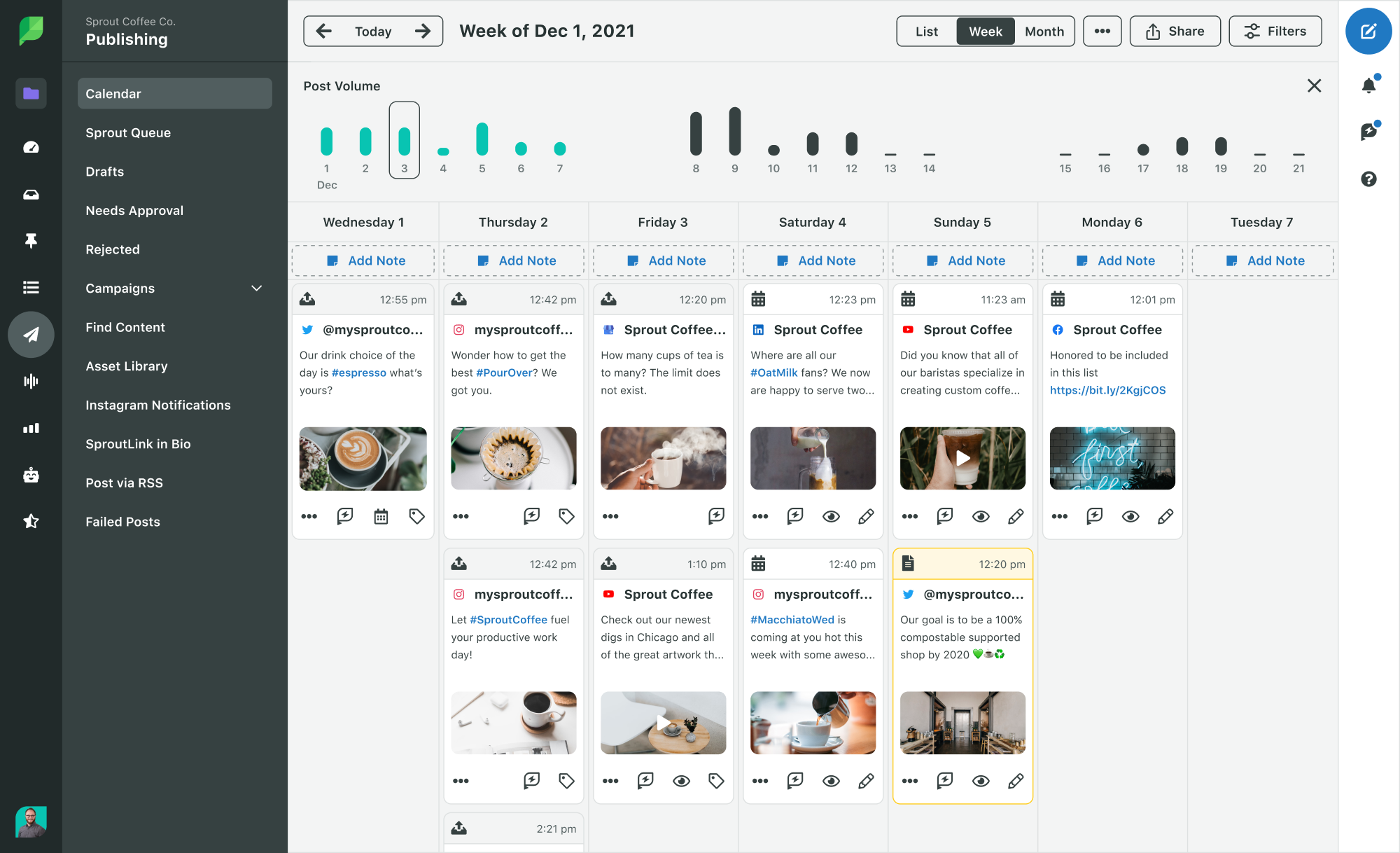
- Build a Lightweight Content Calendar: Automation cannot fix a lack of planning. Before scheduling content, teams must map out their strategic narrative via a content calendar. By outlining weekly or monthly campaigns in advance, marketers eliminate last-minute ideation panic. Drag-and-drop calendar features enable teams to visually adjust publishing cadence and frequency instantly.
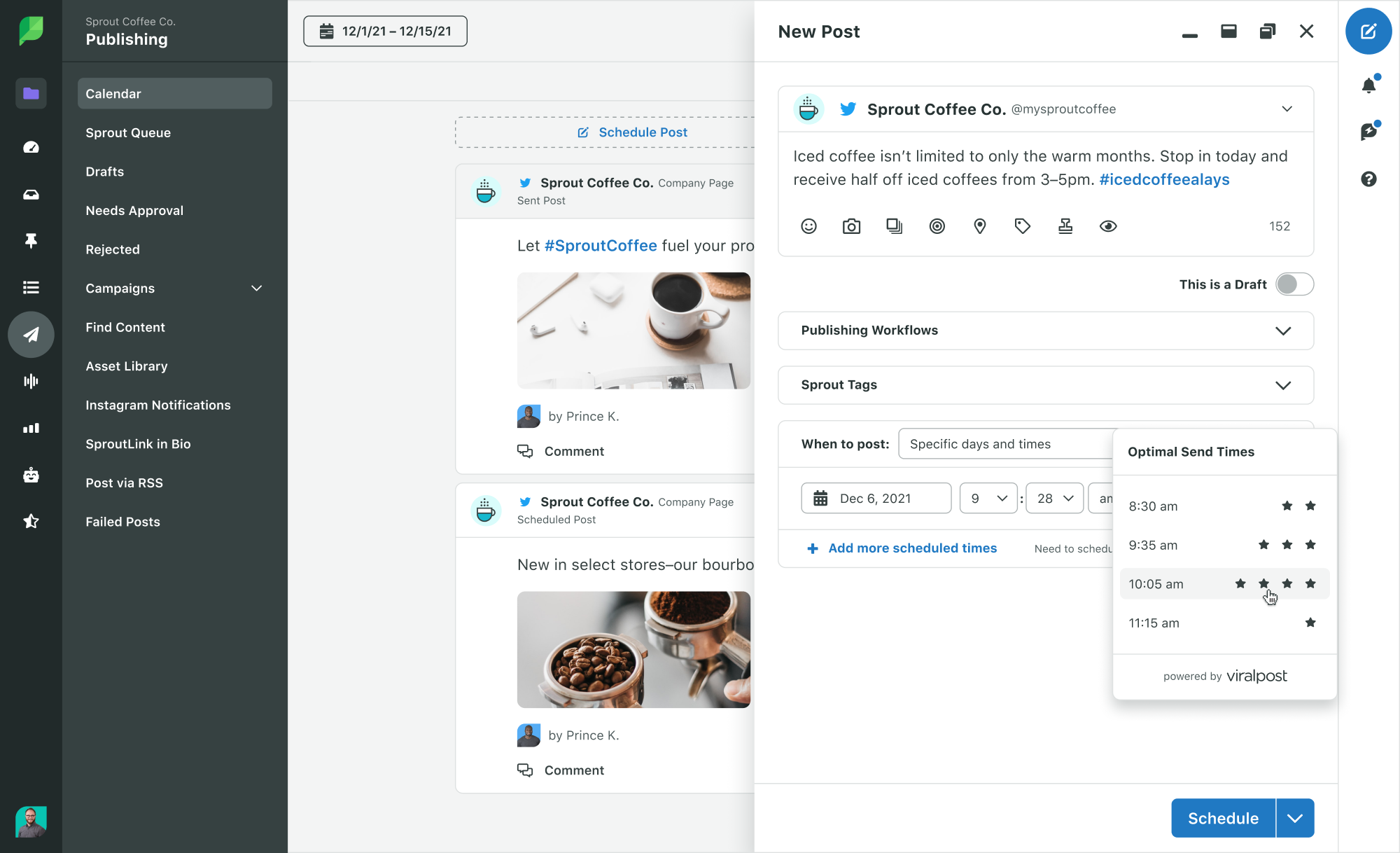
- Leverage Optimal Send Times: Volume matters far less than precision timing. Advanced scheduling tools utilize predictive algorithms—such as Sprout’s ViralPost™—to analyze historical audience engagement patterns. These tools automatically queue and publish content at the exact moment target audiences are most active and receptive, maximizing reach without requiring human oversight at the exact moment of posting.
Phase 2: Automating Engagement While Preserving the Human Touch
Engagement is the heartbeat of social media, but it is also one of the most time-consuming operational burdens. To scale engagement without sacrificing authenticity, brands must structure their inbound communications intelligently.
- Unify the Inbound Stream: Tracking comments, direct messages (DMs), and brand mentions across various networks manually guarantees that critical customer interactions will fall through the cracks. Centralized "Smart Inboxes" aggregate all incoming messages into a single, filterable interface, allowing teams to prioritize inquiries via automated rules and tagging mechanisms.
- Deploy FAQ-Driven Chatbots: Consumer expectations regarding response times are unforgiving. According to the 2025 Sprout Social Index™, nearly 75% of consumers expect a brand response within 24 hours on social channels, and an identical 73% are willing to take their business to a competitor if a brand fails to respond. Utilizing automated bot builders to field routine inquiries—such as pricing tiers, operating hours, or basic service configurations—drastically compresses response times.
- Establish Seamless Human Handoff Protocols: Automated bots are exceptional at handling routine, transactional inquiries, but they lack empathy and complex problem-solving capabilities. Well-designed automation workflows incorporate clear escalation triggers. When an inquiry becomes complex—such as a mid-cycle account upgrade or a nuanced customer complaint—the system instantly transfers the conversation to a human agent within the unified inbox.
Phase 3: Scaling Listening and Performance Reporting
The final stage of automation maturity involves shifting from reactive execution to proactive intelligence gathering.

- Automate Brand and Keyword Monitoring: Manually scanning millions of global online conversations to find brand mentions is practically impossible. Automated social listening tools continuously scan the digital landscape for designated brand names, industry keywords, and competitor movements. Emerging artificial intelligence agents can instantly synthesize these massive datasets into actionable consumer sentiment reports within minutes.
- Schedule Recurring Performance Reports: Proving return on investment (ROI) is mandatory for marketing teams. Automation tools allow organizations to configure recurring performance reports that track critical KPIs—such as engagement rates, follower growth, and share of voice—delivering comprehensive analytics directly to stakeholder inboxes on a scheduled basis.
Supporting Data: The Metrics Driving the Shift
The commercial imperatives driving social media automation are backed by extensive industry research. According to comprehensive benchmark surveys conducted across global marketing enterprises:
- 63% of Practitioners: Report being actively blocked from executing high-impact, creative work due to the crushing weight of manual administrative tasks.
- 2x Productivity Multiplier: Organizations utilizing dedicated social media automation tools are twice as likely to report having sufficient time to complete their workloads effectively.
- 78% Adoption Rate: The vast majority of modern marketing departments have already integrated some form of marketing automation into their workflows, making social media automation a baseline requirement for competitive parity.
- The Cost of Silence: With 73% of modern consumers ready to abandon a brand for a competitor following a delayed social response, automated customer care routing is no longer just an efficiency play—it is a critical customer retention strategy.
Official Responses and Industry Insights
As software platforms evolve to incorporate sophisticated machine learning and generative artificial intelligence (GenAI), industry leaders are emphasizing a balanced, hybrid approach to automation.

"Automation is not designed to replace the human element of marketing; it is designed to protect it," notes product strategy experts at leading social media software firms. "By delegating repetitive scheduling, sorting, and reporting to software, we give human marketers the mental bandwidth required to focus on empathy, creativity, and strategic relationship-building."
However, industry veterans also issue strong words of caution regarding common pitfalls that undermine automation initiatives:

- The GenAI Creativity Trap: While 93% of practitioners surveyed in the 2025 Sprout Social Index believe AI helps combat creative fatigue, over-reliance on fully automated, unvetted AI content often leads to robotic, inaccurate, or tone-deaf messaging. Human oversight, fact-checking, and editorial review remain mandatory.
- The Perils of "Set-It-and-Forget-It": Leaving publishing queues running indefinitely without periodic audits can lead to public relations disasters. In the event of a sudden, sensitive global news cycle or local crisis, automated feel-good posts can appear deeply tone-deaf if not paused immediately.
- Impersonal Bot Deployments: Over-automating customer service interactions without clear pathways to human agents damages brand reputation. Automation must enhance accessibility, not create digital brick walls for frustrated consumers.
Implications: The Future of Autonomous Marketing Operations
The broad adoption of social media automation represents a permanent structural evolution in how brands communicate with their audiences. As AI agents and predictive analytics engines become more deeply embedded in enterprise marketing stacks, the competitive divide between automated and manual organizations will only widen.
For corporate executives and marketing directors, the imperative is clear. Organizations that successfully embrace a centralized, strategic automation framework will unlock unprecedented operational efficiencies, drastically reduce team burnout, and deliver the rapid, personalized experiences that modern consumers demand. Those that cling to manual workflows risk sinking permanently into the productivity trap, outpaced by agile competitors operating at the speed of algorithms.