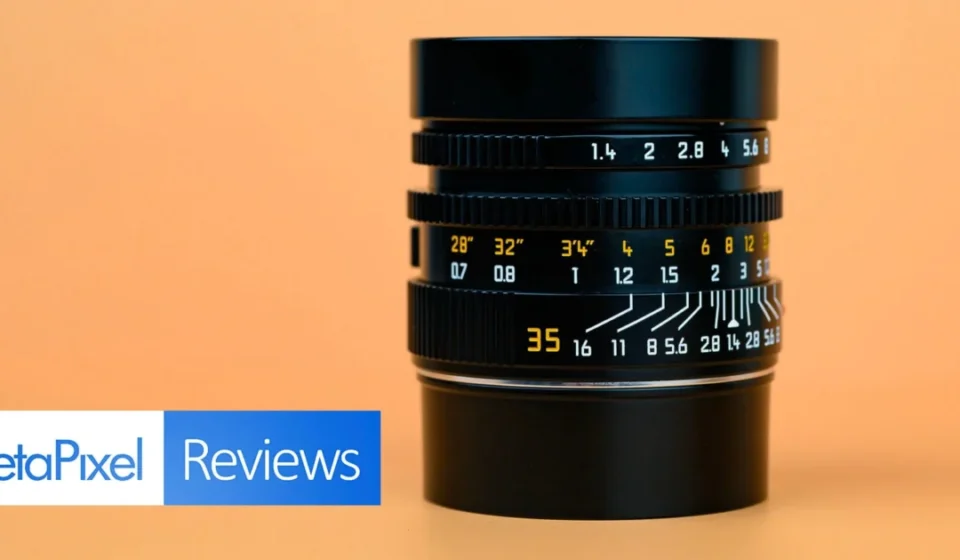
The Modern Rebirth of a Legend: Reviewing the Light Lens Lab 35mm f/1.4 "11873"

In the hallowed halls of rangefinder photography, few optics command the reverence—and the price tag—of the original Leica 35mm f/1.4 Summilux. Specifically, the "11873" model, a double-aspherical design, has achieved a near-mythical status among lens collectors and street photographers alike. Its signature "glow" at wide apertures and its unique, character-driven rendering have made it a holy grail for those seeking the quintessential vintage aesthetic. However, with original units trading for astronomical sums on the secondary market, the dream of owning one has remained largely out of reach for the working professional.
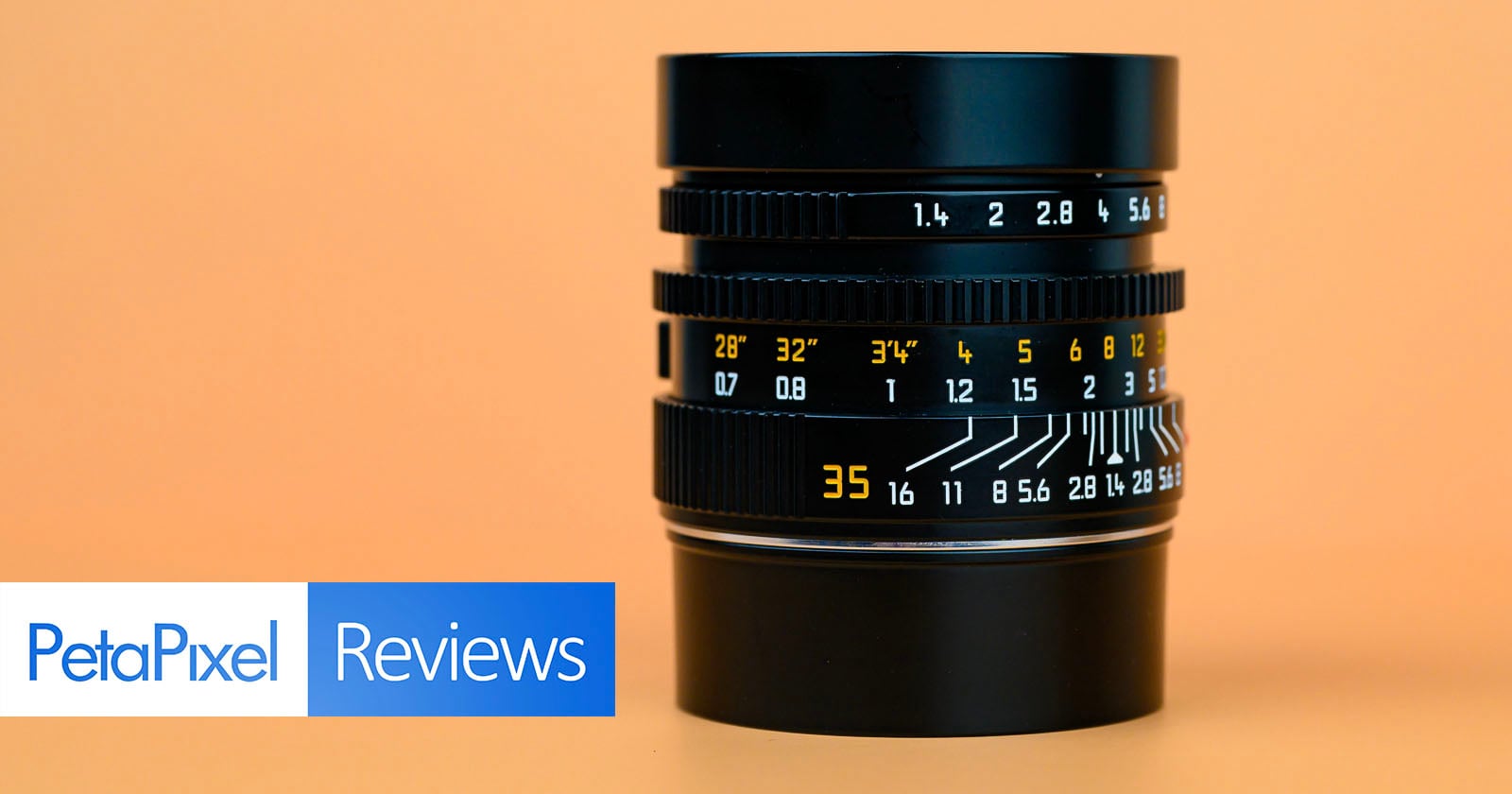
Enter Light Lens Lab. By systematically deconstructing legendary optical formulas and re-engineering them for the contemporary digital era, the company has carved out a niche that sits somewhere between historical preservation and modern innovation. Their latest offering, the Light Lens Lab 35mm f/1.4 “11873,” is not merely a clone; it is a calculated homage that aims to capture the spirit of the past while providing the reliability demanded by modern sensors. At a price point of $1,400, it challenges the exclusivity of the original while inviting a new generation of photographers to experience a classic.
A Chronology of the "11873" Legacy
The history of the 35mm Summilux is a story of evolution. The original Leica 35mm f/1.4 Aspherical, often referred to by its catalog number 11873, was a landmark in lens design. It was the first lens to utilize a double-aspherical element, a feat that pushed the boundaries of manufacturing in the late 20th century. This specific construction provided a level of optical performance that was unprecedented for its time, yet it retained a distinct "personality"—a softness in the corners, a dreamy glow when shooting wide open, and a specific flare characteristic that became the hallmark of the "Leica Look."
As digital sensors evolved, the original lenses faced new challenges. High-resolution sensors often revealed the limitations of older glass, such as extreme corner smearing or color fringing. While purists continued to use the 11873 for its artistic output, many were discouraged by the maintenance requirements and the prohibitive cost of finding a clean, well-calibrated copy.
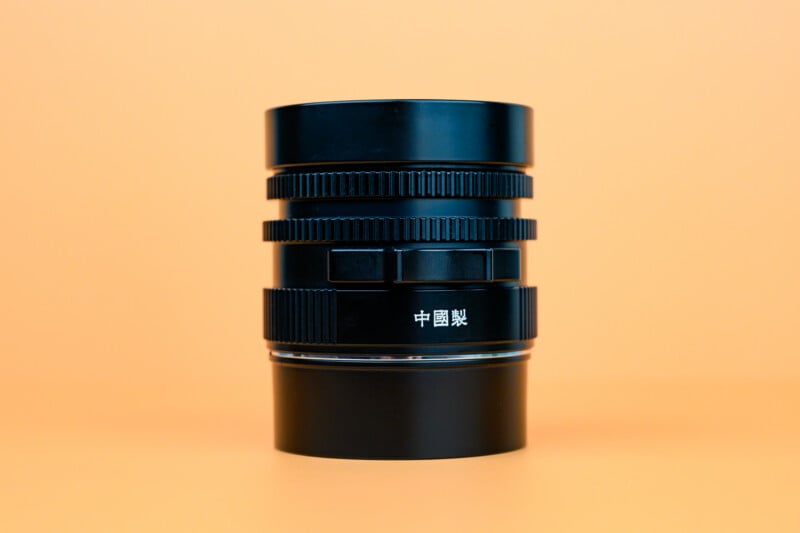
Light Lens Lab began its journey by identifying these "lost" optical formulas. Their process involves reverse-engineering the original design while utilizing modern manufacturing techniques, such as improved lens coatings and superior mechanical tolerances. The 11873 represents their most ambitious attempt yet: to recreate a lens that is both a historical artifact in terms of character and a functional tool for the 21st-century photographer.
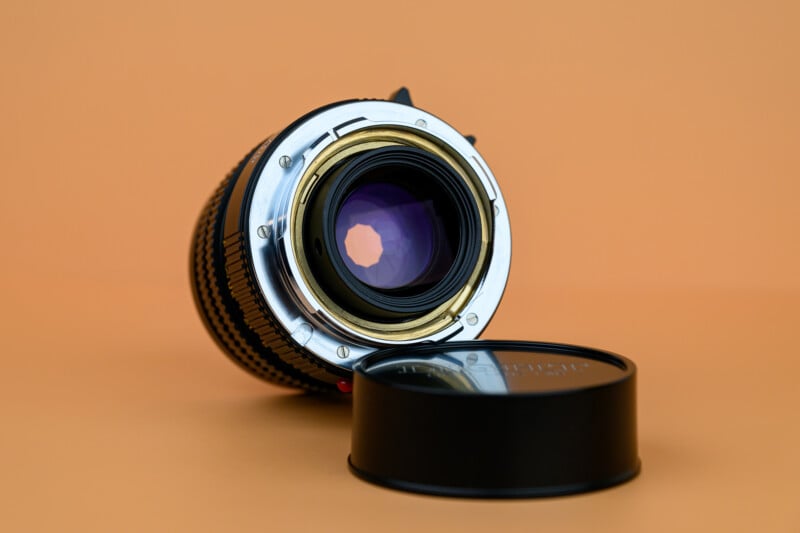
Tactile Precision: The Build Experience
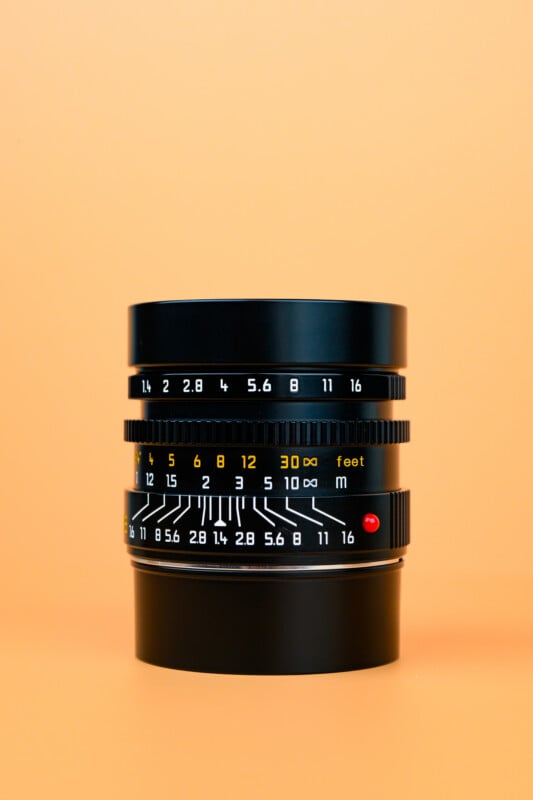
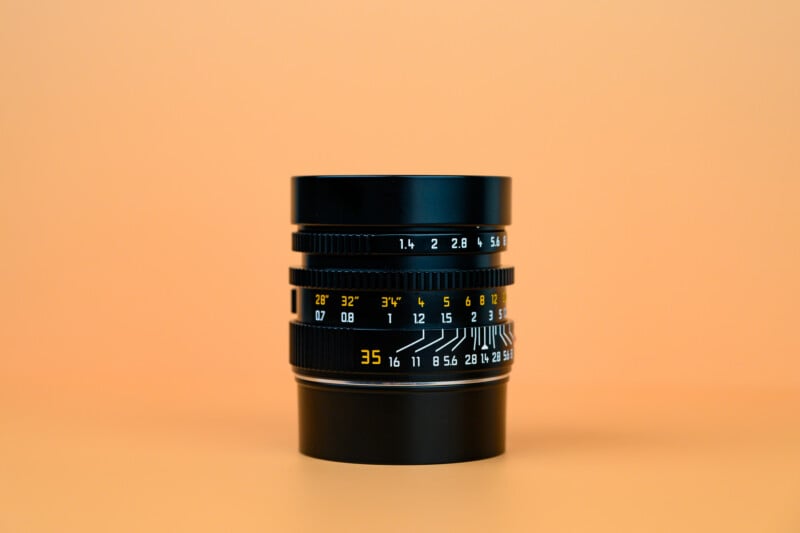
Upon unboxing the Light Lens Lab 11873, the first thing that strikes you is the build quality. If one were to remove the subtle branding cues—specifically the Chinese characters on the barrel and the internal font—it would be remarkably easy to mistake this lens for a genuine product of the Wetzlar, Germany, factory.
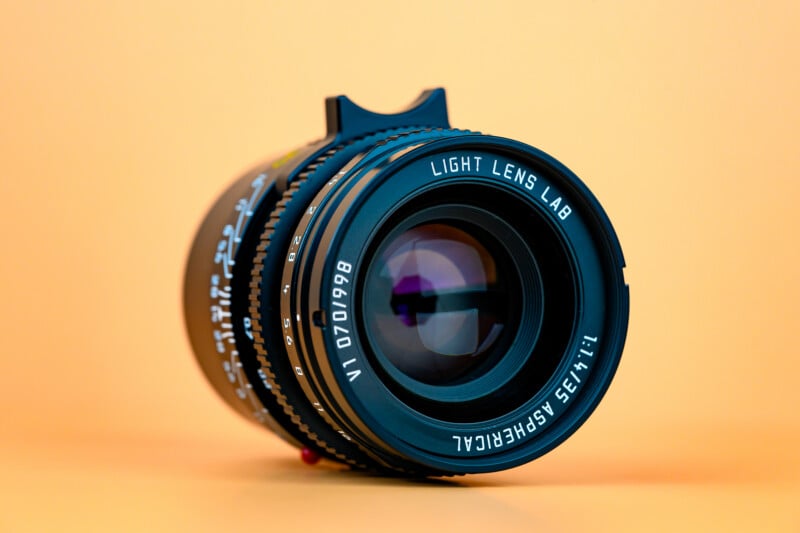
The weight is a manageable 270 grams (approximately 9.5 ounces), making it an ideal companion for the compact Leica M-series bodies. When paired with a modern digital rangefinder like the Leica M11P, the lens balances perfectly. The brass construction feels substantial and reassuring in the hand. The focus throw is smooth and well-damped, providing that tactile, mechanical feedback that digital photographers often crave.
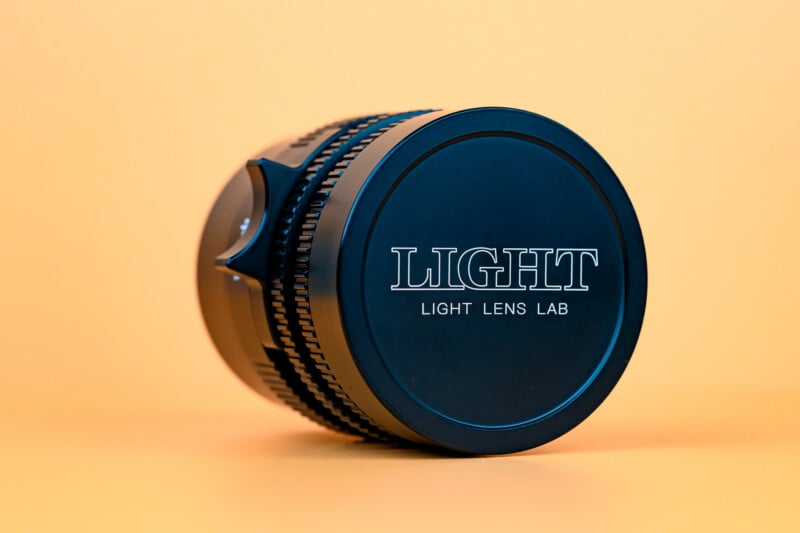
The aperture ring is another highlight, featuring a 10-blade design that is indexed to half-stop increments. This level of mechanical refinement ensures that the photographer maintains full control without having to pull their eye away from the viewfinder. One notable omission, however, is 6-bit coding. For those who rely on their camera to automatically recognize the lens for EXIF data or lens-specific profiles, this will be a manual process. While some may see this as a drawback, it reinforces the "pure" experience of using a manual-focus, manual-aperture optic.
Optical Performance and Characteristics
The 11873 is a lens defined by its "imperfections." In an era where modern glass is often criticized for being "too clinical" or "too sharp," the Light Lens Lab version offers a refreshing, albeit challenging, alternative.

The "Glow" and Sharpness
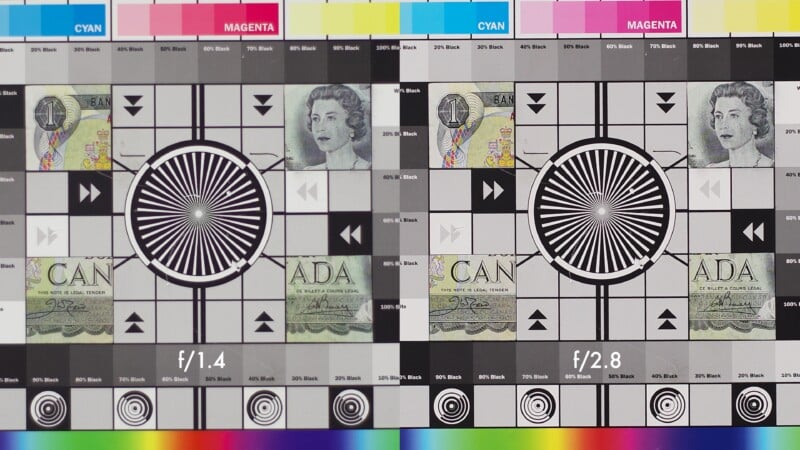
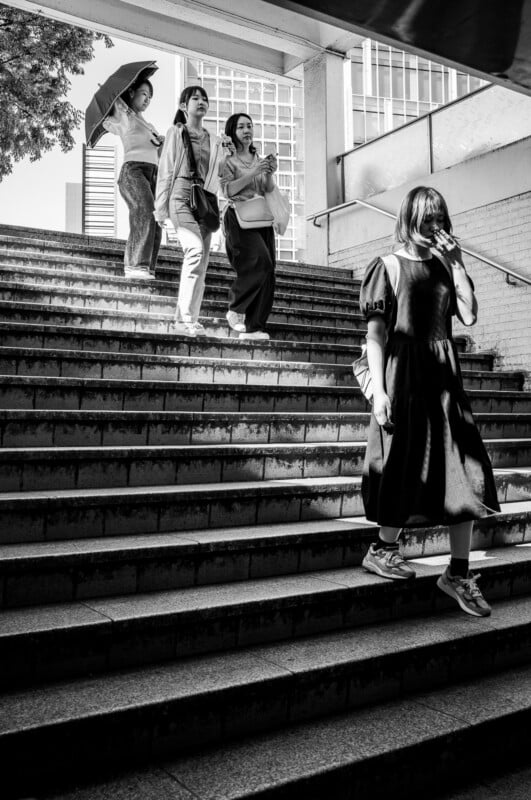
At f/1.4, the center of the frame is perfectly usable but possesses a distinct lack of high-contrast "bite." This is where the fabled "glow" comes into play. It isn’t a lack of focus; rather, it is a dreamy, ethereal rendering of light that softens skin tones and creates a transition between subject and background that feels organic. As you stop the lens down to f/2.8 and beyond, contrast increases dramatically, and the image sharpens up significantly. However, the corners remain a point of contention. Even when stopped down, the corners do not reach the clinical perfection of modern APO lenses, but for the target demographic of this lens, that is a feature, not a bug.

Flare and Sunstars
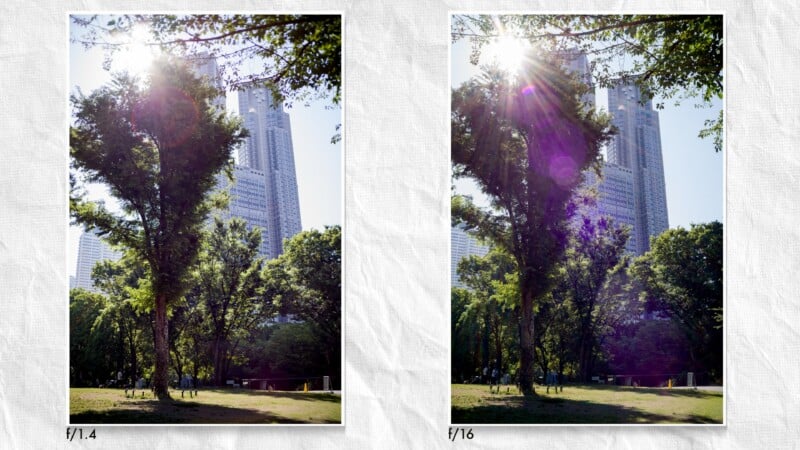
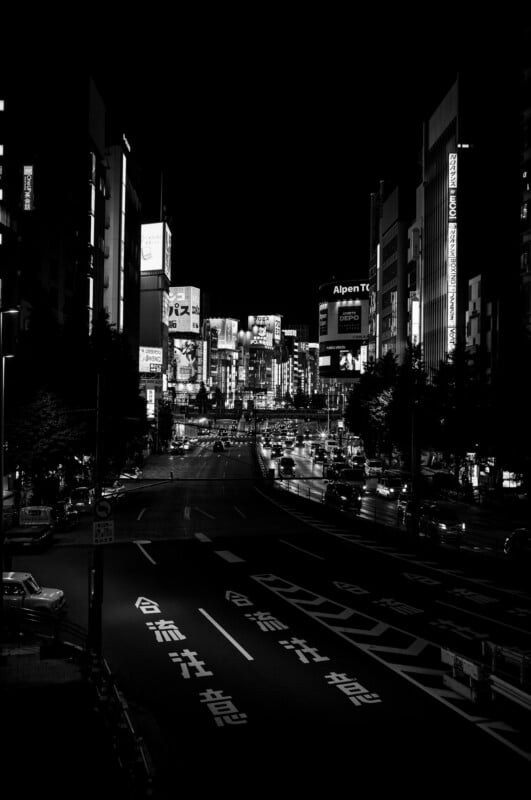
One of the most exciting aspects of the 11873 is its reaction to stray light. The lens is prone to vibrant, unpredictable flares. In the right lighting conditions, particularly in urban environments with harsh streetlights or direct sunlight, the lens produces beautiful, complex ghosting and rainbow patterns.

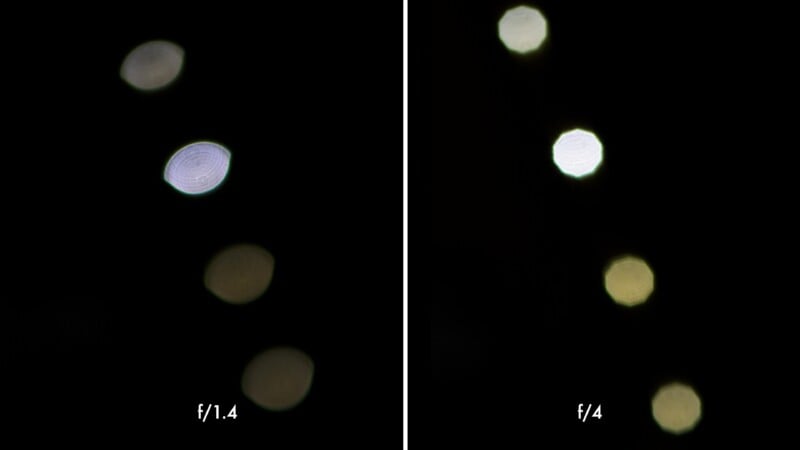
Interestingly, the lens excels at creating dramatic sunstars. Because of the 10-blade aperture design, even at wider apertures, small, pinpoint light sources can produce sharp, well-defined star patterns. This makes it an exceptional tool for night photography. If you are a photographer who enjoys "painting" with light, the 11873 offers a canvas that few other modern lenses can provide.
Bokeh and LoCA
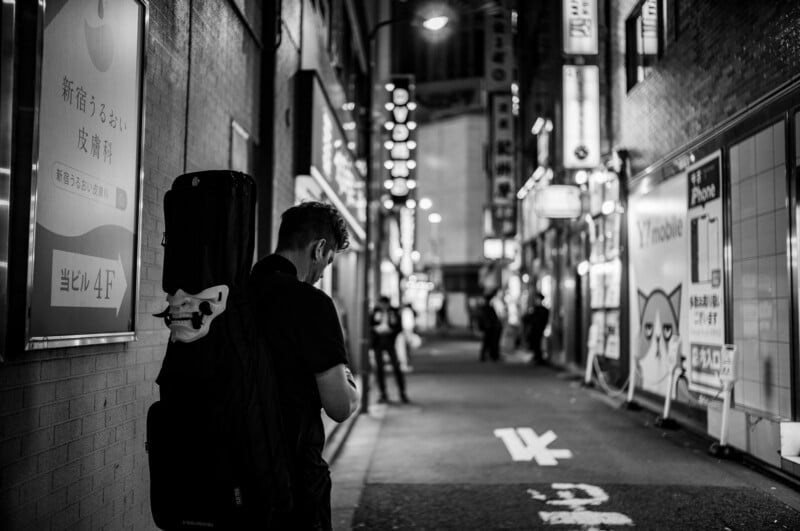
The bokeh on the 11873 is undeniably "characterful." Specular highlights exhibit a soap-bubble effect and, at times, a double-image blur that some might find distracting. In the corners, the optical vignetting creates a "cat’s-eye" effect, which serves to draw the viewer’s eye toward the center of the frame.
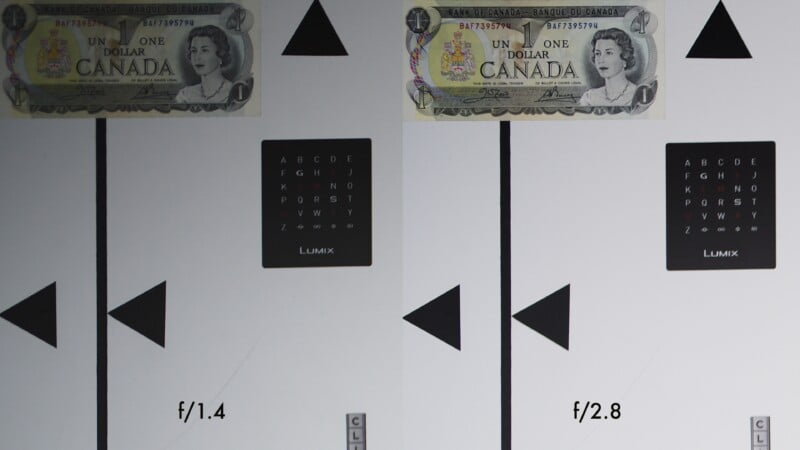
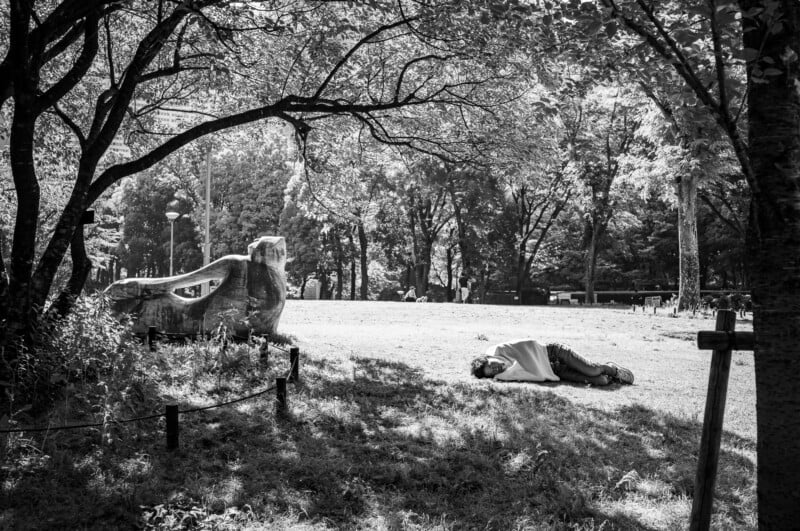
Regarding chromatic aberration: the lens is well-corrected for lateral chromatic aberrations, but longitudinal chromatic aberration (LoCA) is present at wider apertures. This manifests as color fringing in high-contrast transitions. While this can be a headache in post-production for color images, it is a non-issue for black-and-white photography. Given that this lens leans heavily into a vintage aesthetic, many users will likely find that it pairs perfectly with monochrome workflows.
Official Responses and Industry Context
The rise of Light Lens Lab has sparked a broader debate within the photography industry regarding the ethics of "tribute" optics. When questioned about the nature of their designs, Light Lens Lab representatives have maintained that their goal is to provide access to historical optical experiences that are no longer commercially available.

"We are not competing with modern, high-contrast, clinical lenses," a company spokesperson noted in a recent briefing. "We are providing a voice for photographers who want the history, the character, and the specific rendering of the mid-20th century, but with the mechanical reliability of a lens built today."
Critics, however, argue that the direct recreation of proprietary optical formulas—even those that have long since passed their patent protection—can undermine the R&D efforts of the original manufacturers. Despite this, the market has spoken clearly: demand for the 11873 has remained high, with pre-order waitlists often extending for months. It appears that for the average enthusiast, the ability to own a piece of history at a fraction of the cost outweighs the abstract concerns of brand loyalty.
Implications for the Modern Photographer
The existence of the Light Lens Lab 11873 changes the calculus for rangefinder owners. Previously, if one wanted a "character" lens, they had to choose between risking their savings on a vintage, potentially damaged original, or settling for a modern, character-free optic.
The 11873 bridges this gap. It implies a shift in the market where "vintage" is no longer synonymous with "obsolete." By leveraging modern materials and production techniques, companies like Light Lens Lab are ensuring that the unique rendering styles of the past can live on indefinitely.
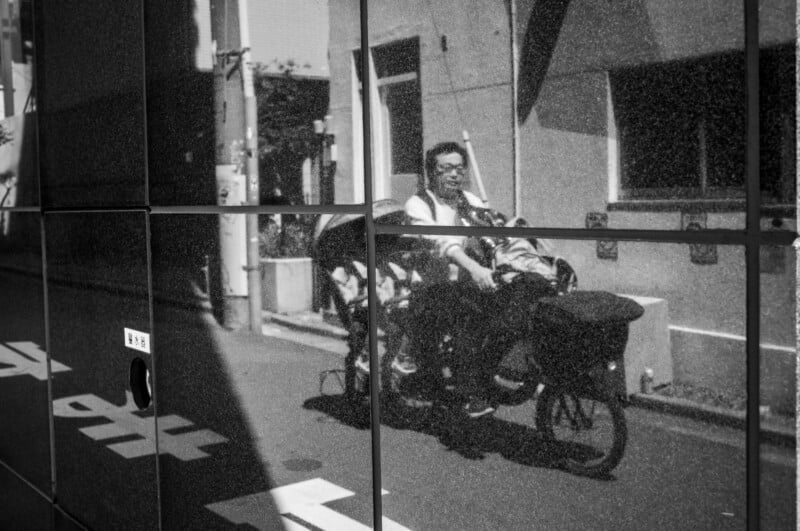
Furthermore, this lens encourages a different way of shooting. Because it is not a "perfect" lens, it forces the photographer to be more intentional. You don’t just point and shoot; you consider the angle of the light to avoid or embrace the flare, you adjust your aperture to decide how much of that "glow" you want to incorporate, and you accept the limitations as part of the creative process.
Final Verdict: Is It Worth the Investment?
The Light Lens Lab 35mm f/1.4 "11873" is not a lens for everyone. If you are a landscape or architectural photographer looking for edge-to-edge sharpness and clinical distortion correction, this is not the glass for you. However, if you are a street photographer, a portraitist, or a visual storyteller who values atmosphere, soul, and a "painterly" quality in your images, it is a revelation.

At $1,400, it offers an experience that is otherwise locked behind a wall of rarity and high cost. It is a bold, unapologetic, and thoroughly fun lens to use. By successfully balancing the nostalgic character of the original with the necessary refinements for digital sensors, Light Lens Lab has not only created a great product—they have made a compelling argument that the best way to move photography forward is, occasionally, to look back.