The New Digital Storefront: Why Social Media is the Epicenter of 2026 Holiday Customer Service

As the leaves turn and the festive shopping season approaches, the familiar chill in the air no longer drives eager shoppers to line up outside brick-and-mortar storefronts in the dark hours of the morning. Gone are the days when the ultimate test of retail endurance was elbowing your way through the doors of a big-box retailer on Black Friday.
Today, the modern shopping mall lives entirely within the palm of a consumer’s hand.
According to fresh data from Sprout Social’s Q3 2026 Pulse Survey, the holiday shopping paradigm has shifted decisively to social media. Consumers now turn to social platforms to research, discover, and purchase gifts. However, this shift comes with a significant caveat: when their shopping experiences hit a snag—whether it is a delayed delivery, an out-of-stock item, or a sizing issue—social media is where they go to demand answers and air their frustrations.

The data underscores an undeniable reality for brands heading into the final stretch of 2026: 86% of consumers plan to use social media for customer service this holiday season as much (59%) or more (27%) than they did in 2025. With social customer service volumes projected to surge alongside holiday demand, customer care teams must adapt quickly, leveraging advanced tools to turn potential friction points into long-term brand loyalty.
Main Facts: The 2026 Social Commerce Landscape
The transformation of social media from a mere branding tool into an end-to-end shopping and support ecosystem is happening at breakneck speed. To understand how brands must pivot, industry leaders are looking closely at key metrics driving consumer behavior in late 2026:
- Soaring Support Demand: An overwhelming 86% of consumers will use social media for customer service at equal or higher rates compared to last year.
- The Virtual Mall: Social media has tied with traditional retail stores as the #1 resource for gift ideas and product discovery, with 46% of respondents utilizing social platforms to find gifts.
- The Generational Shift: The reliance on social for holiday research is exceptionally high among younger demographics, with 85% of Millennials and 88% of Gen Z planning to use social channels for gift discovery.
- Direct Messaging Dominance: When reaching out to brands on social, 55% of consumers overwhelmingly prefer direct messaging over public comments or tags.
- In-App Purchasing: More than half (57%) of surveyed consumers plan to make a purchase directly within a social media app this festive season, with 38% having already done so and 19% trying it for the first time.
Chronology: Preparing for the Q4 Rush
Navigating the holiday retail surge requires a disciplined timeline. Brands that wait until the first holiday decorations go up to prepare their customer service strategies are already too late.

Phase 1: Pre-Season Planning (Late Q3 / Early Q4)
Long before Black Friday and Cyber Monday campaigns launch, customer care teams must align with marketing and sales departments. This foundational window involves auditing past year performance, forecasting inventory challenges, establishing influencer partnerships, and updating holiday-specific FAQs. Given that 56% of consumers cite financial strain as a major stressor this season—compounding the finding from the Deloitte Holiday Retail Survey that 58% of people find holiday shopping inherently stressful—proactive planning is essential to mitigating consumer anxiety.
Phase 2: Staffing and Onboarding (Mid-October to Early November)
As inbound queries begin to tick upward, brands must scale their human resources. Retailers and hospitality brands notoriously ramp up temporary hiring during this period. To prevent onboarding bottlenecks, teams need tools with high ease-of-use and rapid setup capabilities, allowing seasonal agents to get up to speed in days rather than weeks.
Phase 3: Peak Execution (Black Friday through Cyber Week)
During the peak shopping window, automated triaging and real-time sentiment analysis become critical. Inbound messages flood social channels, requiring automated routing to separate high-priority crises from routine order-tracking questions. AI assistants and rule-based chatbots handle the initial wave of repetitive inquiries, preserving human bandwidth for complex escalations.

Phase 4: Post-Holiday Review and Real-Time Optimization (December to January)
The customer journey does not end when the package arrives. Post-holiday returns, exchanges, and customer feedback surveys (CSAT and NPS) dictate long-term retention. Real-time performance metrics—such as average handle time and reply velocity—provide the concrete data brands need to evaluate seasonal success and refine strategies for the year ahead.
Supporting Data: Understanding Consumer Preferences
To design an effective holiday customer service framework, brands must examine how and where consumers expect to interact.
The Need for Speed and Personalization
According to the 2025 Sprout Social Index, quality remains paramount, with 70% of consumers expecting personalized responses. However, speed is equally critical. The Q3 2026 pulse survey reveals that:

- 32% of users anticipate a same-day response.
- 24% expect a reply within 1 to 2 hours.
- 14% demand a response within minutes.
Interestingly, consumer impatience has softened skepticism toward artificial intelligence. While traditional skepticism around AI-generated content persists, 44% of survey respondents are "somewhat comfortable" and 26% are "very comfortable" with companies using AI tools—such as advanced chatbots—to deliver faster customer service.
Public vs. Private Channels
Consumer expectations regarding public outreach are nuanced. When a customer posts an @-mention or public comment:
- 33% expect an initial public response followed by a private conversation.
- 28% are satisfied with a public response only.
- 22% prefer a strictly private reply.
Official Responses and Industry Insights
Forward-thinking brands and organizations are already reaping the rewards of integrating social listening, case management, and CRM tools into their holiday strategies.
Streamlining Operations at Scale
Nonprofit organizations and commercial giants alike are proving the value of proactive support systems. For instance, Educational Testing Service (ETS)—the organization behind major entrance exams like the GRE and TOEFL—faced significant pre-testing support surges. By monitoring recurring customer questions via Sprout Social, ETS identified spikes in queries regarding registration and score reporting. They translated this data into accessible resources, reducing corporate response times from two hours down to an impressive 1 hour and 20 minutes.
Similarly, Papa Johns leveraged smart inbox features to cut response times in half. Josh Martin, Director of Social Media and Brand Management at Papa Johns, noted that the brand manages over 600 cases a week, saving two days of work weekly—amounting to more than 830 hours saved annually.
Bridging Tech Stacks with CRM Integration
For enterprise brands dealing with high-volume queues, fragmented software is a primary enemy of efficiency. When agents must jump between multiple tabs to check order history, response times plummet.

Industry leaders are solving this by integrating social tools with customer relationship management platforms like Salesforce. Sean Rebero, Senior Manager of Customer Care at Discount Tire, highlighted the impact of such integrations:
"We wouldn’t be able to do the things that we’re doing today without having the ability to have [Sprout] integrated into our platform and Salesforce. It’s been a game changer for us."
With the addition of internal AI assistants like Salesforce’s Agentforce, care agents can now access complete customer messaging histories in seconds, drastically accelerating case resolution times.

Implications: The Strategic Blueprint for Brands
The pivot toward social media as a primary customer service channel carries profound implications for retail, hospitality, financial services, and beyond. Brands that fail to integrate social support into their broader customer care architecture risk severe reputational damage during the industry’s most lucrative quarter.
10 Actionable Tips to Elevate Holiday Customer Service
To safeguard customer relationships and maximize efficiency this season, brands should implement the following strategies:
- Plan Ahead: Align marketing, social, and support teams early to anticipate spikes tied to Black Friday, Cyber Monday, and shipping deadlines.
- Create Holiday-Specific FAQs: Populate sites, chatbots, and post captions with answers to recurring questions regarding shipping deadlines, return policies, and gift card details.
- Staff Up and Train Fast: Hire seasonal support agents and utilize intuitive platforms that require minimal onboarding friction.
- Prioritize High-Priority Inquiries: Use sentiment analysis and message intent models to separate urgent product complaints and high brand-risk issues from general comments.
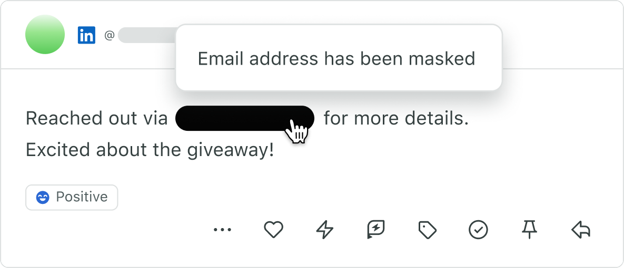
- Protect Customer Data: Never handle sensitive information (like credit card numbers) in public comment threads. Implement secure data-masking tools to safeguard consumer privacy against holiday cyber scams.
- Leverage AI and Automation: Deploy rule-based chatbots via Bot Builders to handle order tracking, and utilize generative AI assistants to tailor response lengths and brand tones.
- Unify Customer Context: Integrate social inboxes with CRMs like Salesforce to give agents instant access to order history and previous interactions.
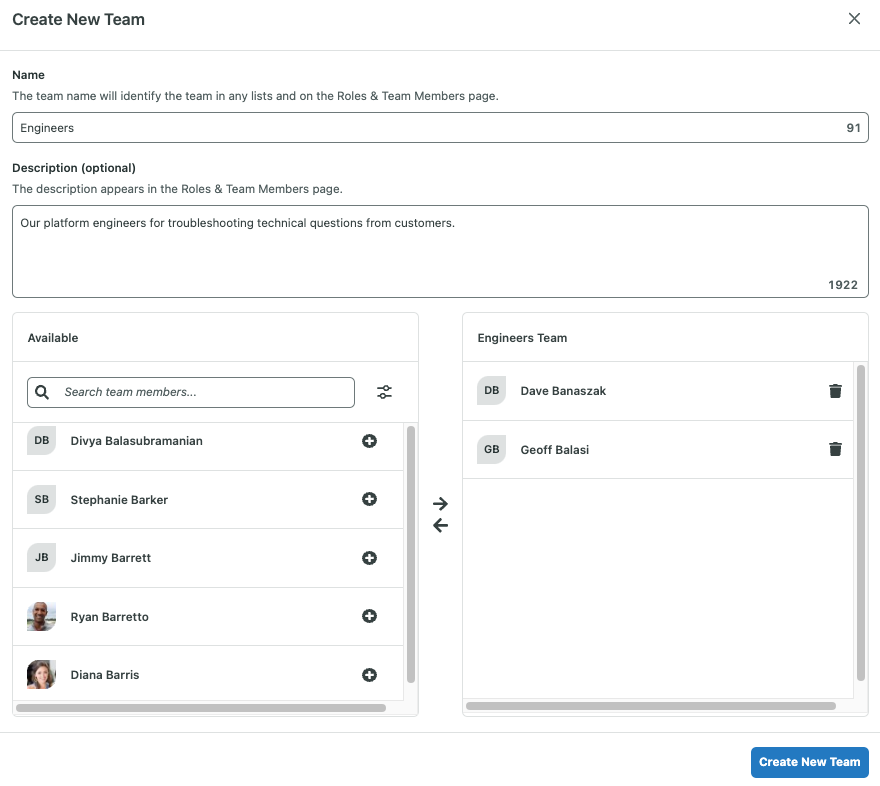
- Establish Collaboration Norms: Set up clear reply-approval workflows to monitor new and seasonal agents, ensuring every outgoing message aligns with brand standards.
- Monitor for Crises: Utilize predictive listening tools to track broader conversations across the web and social media, spotting supply chain or delivery crises before they spiral.
- Measure Real-Time Performance: Deploy CSAT and NPS surveys directly within social channels (Instagram, Facebook, X) while tracking internal metrics like handle time to continuously refine support quality.
Conclusion
The holiday shopping season represents the ultimate stress test for brand-consumer relationships. As social media firmly cements its place as the modern virtual mall and primary customer service help desk, the companies that thrive will be those that empower their frontline support teams with the right technology.
By embracing an integrated approach combining AI assistance, robust case management, and seamless CRM connectivity, brands can transform the inevitable holiday rush into an opportunity to build deep, enduring customer loyalty that lasts well into the new year.
Related posts: