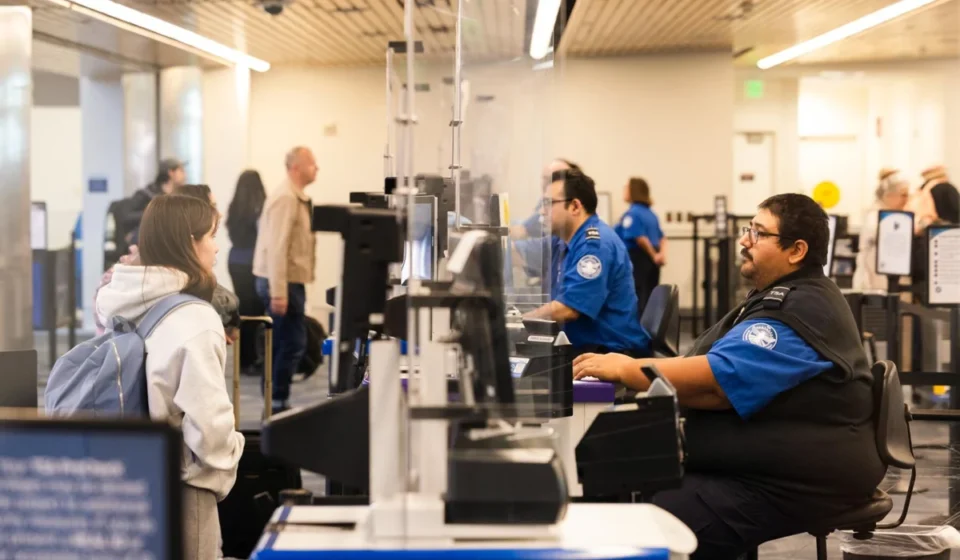

The landscape of American air travel is undergoing its most significant transformation since the immediate aftermath of the September 11, 2001, terrorist attacks. For a generation of travelers, the airport experience has been defined by rigid restrictions: the removal of shoes, the frantic consolidation of liquids into quart-sized bags, and the stark separation of passengers from their non-traveling companions at the security checkpoint.
However, as the aviation industry marks the 25th anniversary of 9/11, the Transportation Security Administration (TSA) is shifting its focus from purely reactive, high-friction security measures toward a more modernized, technology-driven approach. From the reintroduction of “gateside” access to the potential sunsetting of the infamous 3-1-1 liquid rule, the federal agency is finally beginning to dismantle the fortress mentality that has dominated the skies for a quarter-century.
A Chronology of Constraint: From 2001 to Today
To understand the magnitude of these changes, one must look back at the radical shift in aviation philosophy that occurred after the 2001 attacks.
- 2001: The Federalization of Security: Following the hijacking of four commercial airliners, the United States moved away from privately contracted airport security. The creation of the TSA signaled a new, federalized era. Cockpit doors were reinforced with bulletproof materials, flight crew training was overhauled, and the "sterile area" of the airport—once a place for family reunions and farewells—was strictly limited to ticketed passengers.
- 2006: The Liquid Ban: In response to a foiled terror plot involving liquid explosives on trans-Atlantic flights, the TSA introduced the 3-1-1 rule. This policy mandated that all liquids, gels, and aerosols be stored in containers no larger than 3.4 ounces (100 milliliters) and placed in a single quart-sized bag. It remains one of the most widely loathed inconveniences in modern travel.
- 2010s: The Rise of Advanced Screening: Over the next decade, the TSA rolled out high-tech layers: full-body scanners, explosive trace detection, and the expanded deployment of K-9 units. These were necessary evolutions, yet they added significant time to the passenger journey.
- 2025-2026: The Modernization Pivot: Twenty-five years after the trauma of 9/11, the TSA has begun leveraging technological advancements—such as advanced 3D computed tomography (CT) scanners—to move toward a "risk-based" security model rather than a "one-size-fits-all" restriction model.
Reclaiming the Gate: The Return of Non-Ticketed Access
Perhaps the most emotional change in current airport policy is the reintroduction of the "Gateside" program. For decades, the sight of families hugging at the gate became a relic of the past, replaced by crowded terminal lobbies.
The Gateside initiative allows non-ticketed individuals to pass through security checkpoints to greet or see off loved ones. While the program is currently limited to 13 participating U.S. airports, it represents a profound psychological shift in the relationship between the TSA and the traveling public.
How the Gateside Program Works:
- Eligibility: The program is currently tied to the TSA PreCheck ecosystem. Applicants must apply for a day pass up to three days in advance.
- No Costs: There is no fee associated with the pass, and it allows for a full day of access, including the ability to leave and re-enter the sterile area.
- Family Inclusion: Guardians can register children to accompany them, making it easier for families to navigate the challenges of traveling with minors or assisting elderly relatives who may require help getting to the gate.
Airlines have long supported these initiatives, noting that they assist in the logistical management of unaccompanied minors and passengers with disabilities, who often benefit from the presence of a companion until the moment of departure.
The Future of Liquids: Ending the 3-1-1 Era
The most anticipated shift in policy concerns the 3-1-1 rule. For years, the limit on liquids has been a primary source of airport bottlenecks and passenger frustration. The tide is finally turning, thanks to the widespread installation of advanced CT scanners.
These scanners provide a three-dimensional view of luggage contents, allowing security officers to detect explosives with far greater accuracy than the traditional X-ray machines of the early 2000s. In Europe, this technology has already allowed airports like London Heathrow, Munich, Frankfurt, and Dublin to increase liquid allowances to as much as 2 liters per person.
While the TSA has not yet announced a national rollout date for the repeal of the 3-1-1 rule, officials have confirmed that they are actively reviewing the policy. The transition is expected to be gradual. Smaller, regional airports that lack the budget or the space for the new, heavy-duty CT scanners will likely remain under the old rules for the foreseeable future, creating a temporary "two-tier" experience for domestic travelers.
Furthermore, the agency’s decision last year to eliminate the requirement for passengers to remove their shoes—a rule that defined the post-9/11 era—serves as a clear indicator that the TSA is prioritizing efficiency as technology catches up to security needs.
Official Perspectives and Security Implications
The TSA’s shift is not a relaxation of security, but rather a move toward "smarter" security. By moving from manual, low-tech screening to automated, high-fidelity systems, the agency is attempting to reduce human error and minimize the "nuisance factor" that has plagued air travel for two decades.
"We are balancing the mandate of safety with the reality of a modern, efficient travel experience," a spokesperson for the agency hinted in recent briefings. The goal is to maintain the rigorous standards established post-9/11 while acknowledging that the threat environment—and the technology available to meet it—has evolved.
However, critics and security analysts urge caution. While technology is effective, they argue that the human element of security remains paramount. The Screening Partnership Program (SPP), which allows certain airports to use private, government-vetted security companies, remains a point of contention. Proponents argue that private companies can be more agile and customer-focused, while opponents fear that consistent, centralized federal oversight is the only way to ensure uniform safety across all U.S. hubs.
The Broader Impact on the Travel Industry
The ripple effects of these changes are significant. For the hospitality and aviation sectors, the return of gateside access is a boon for customer satisfaction. For travelers, the potential elimination of the 3-1-1 rule would revolutionize packing habits, essentially ending the era of the "clear plastic bag" travel aesthetic.
As we look toward the next decade, the "Golden Age" of air travel may never fully return—the days of walking onto a plane without a boarding pass are gone for good. Yet, the current trajectory suggests that the "Age of Restriction" is also waning.
Travelers should remain vigilant regarding individual airport policies. Because the rollout of these changes is decentralized, passengers are encouraged to check the specific status of their departure and arrival airports through the official TSA website before their next trip.
As the agency continues to modernize, the focus remains clear: ensure that the security measures of tomorrow are as invisible as they are effective, allowing the joy of travel to once again take center stage.