The Nostalgia Sip: Analyzing the Cultural and Culinary Rise of the Peanut Butter and Jelly Shot

In the landscape of modern mixology, few trends have managed to bridge the gap between childhood comfort and adult indulgence as effectively as the Peanut Butter and Jelly (PB&J) shot. While the classic sandwich remains a staple of elementary school lunchboxes across North America, its liquid counterpart has emerged as a sophisticated—and surprisingly accurate—staple in cocktail bars and home gatherings. By marrying the savory, nutty profile of peanut butter-infused whiskey with the vibrant, acidic sweetness of fruit liqueur, bartenders have created a sensory experience that feels both familiar and revolutionary.
This article examines the evolution of the PB&J shot, the technical precision required to balance its bold flavors, and the broader implications of "nostalgia-based" mixology in the 21st-century beverage industry.
The Core Anatomy of the PB&J Shot
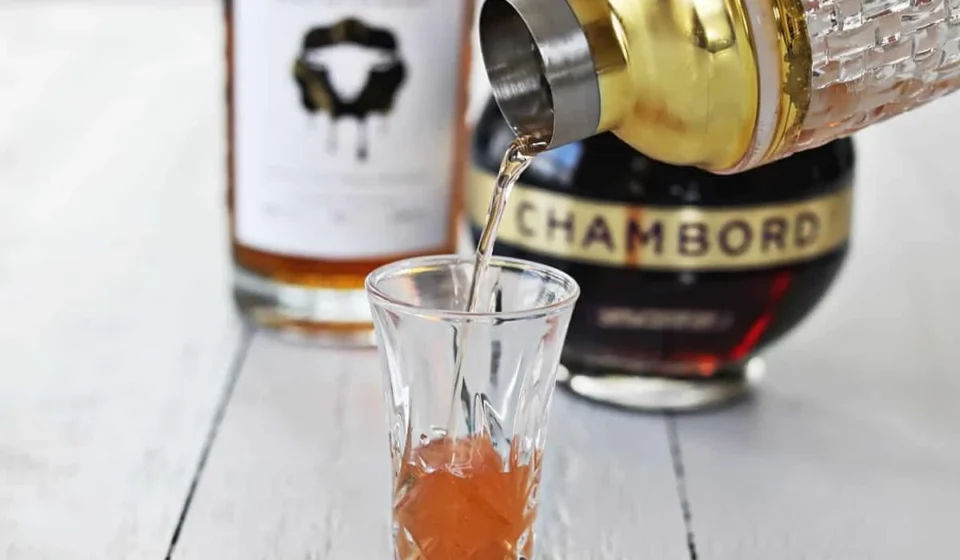
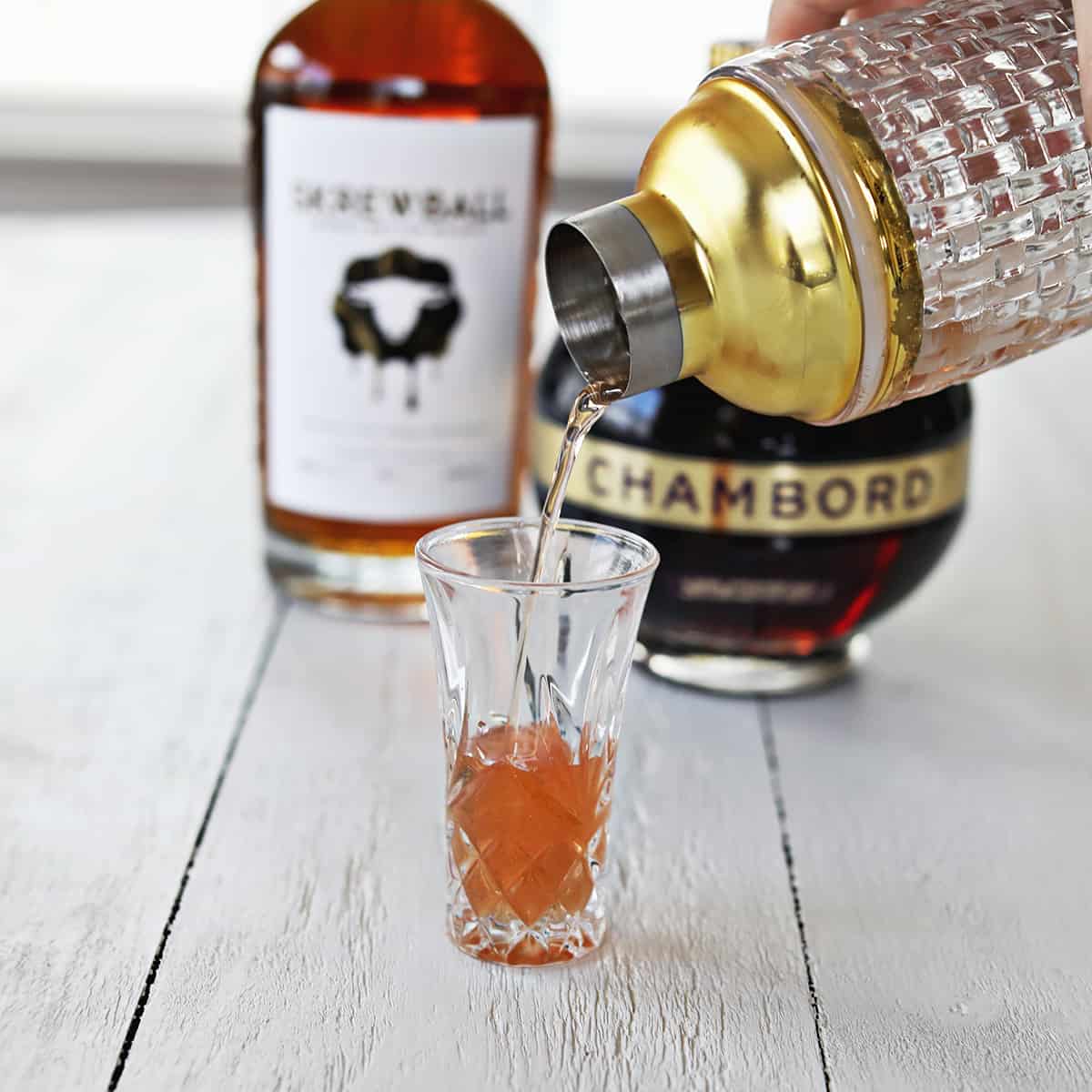
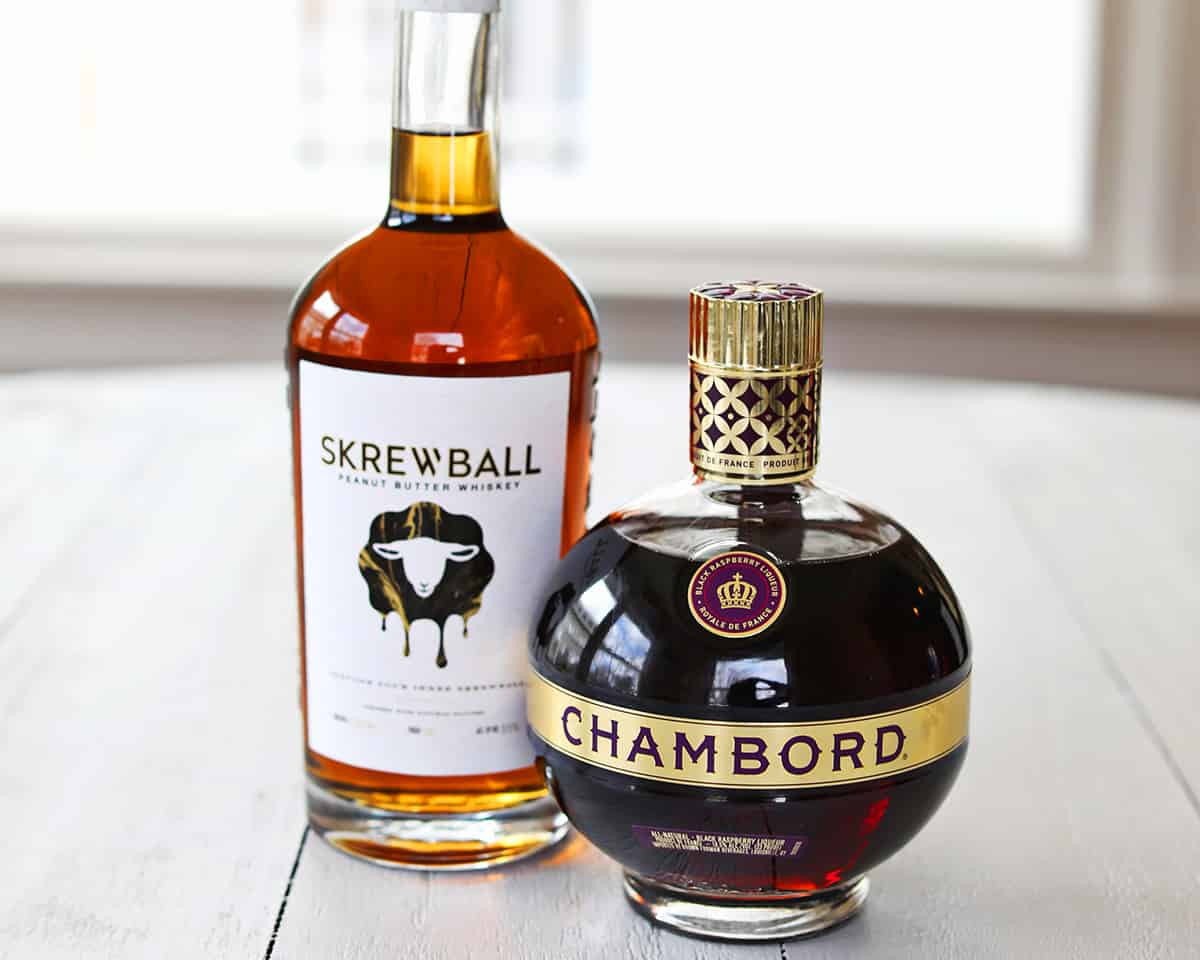
At its most fundamental level, the PB&J shot is a study in flavor replication. The profile relies on two distinct pillars: the nutty, toasted notes of peanut butter whiskey (most famously represented by the brand Skrewball) and the deep, jammy sweetness of a high-quality fruit liqueur, such as Chambord or other raspberry-based spirits.
The Ingredients
The construction of the drink is deceptively simple, yet it requires a adherence to ratios to avoid becoming overly cloying.
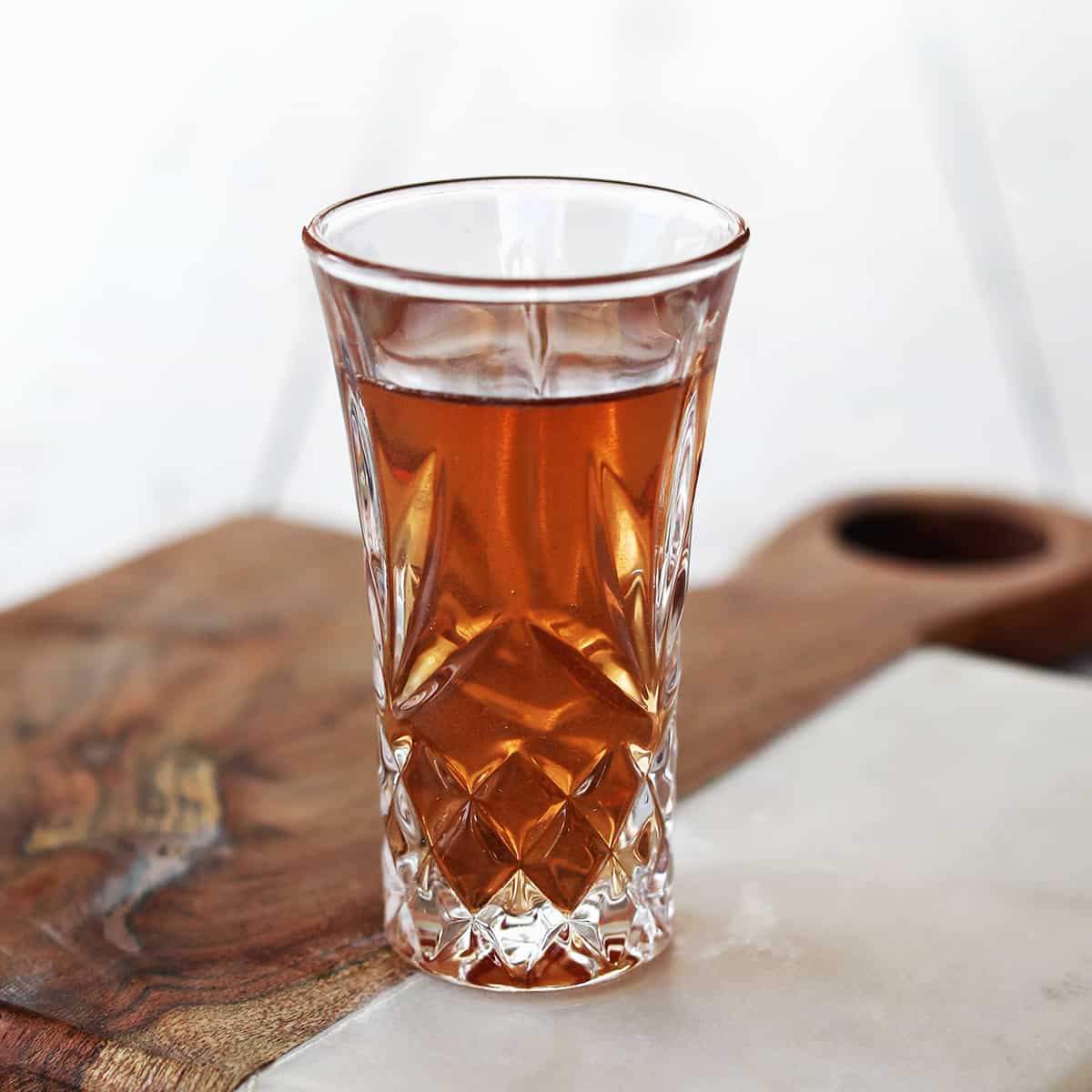
- Peanut Butter Whiskey: This spirit provides the base, offering a complex profile that mimics the saltiness and texture of roasted peanuts.
- Fruit Liqueur: Traditionally, raspberry liqueur is the standard, as its natural acidity cuts through the heavy fat profile of the whiskey, mimicking the experience of biting into a fresh grape or strawberry jelly.
- The "Martha Stewart" Garnish: To elevate the presentation, enthusiasts often include a miniature sandwich garnish. While aesthetic, this addition acts as an olfactory primer, signaling the brain to anticipate the flavors of the classic sandwich before the liquid even touches the palate.
Chronology: From Lunchbox to Liquor Cabinet
The rise of the PB&J shot did not happen in a vacuum. It follows a decade-long trend of "dessert-forward" and "nostalgia" cocktails that gained momentum in the late 2010s.
The Pre-Whiskey Era
Before the widespread availability of peanut butter whiskey, bartenders experimented with infusing vodka or bourbon with real peanut butter—a labor-intensive process involving fat-washing techniques. These early iterations were often inconsistent and prone to separation, limiting their availability to high-end cocktail lounges.
The "Skrewball" Catalyst
The commercialization of peanut butter whiskey changed the trajectory of this drink. When flavored whiskeys became mass-market accessible, the barrier to entry for home bartenders vanished. Suddenly, the PB&J shot was no longer a "bartender’s secret" but a standard order at dive bars and suburban weddings alike.
Current Status
As of 2024, the PB&J shot has cemented itself as a staple of "party culture," frequently appearing alongside other popular shooters like the Green Tea Shot or the classic Jello Shot. It serves as a gateway for casual drinkers who find traditional, spirit-forward cocktails too bitter or intimidating.
Supporting Data: Why It Works
From a chemical perspective, the success of the PB&J shot is rooted in the "flavor congruency" principle. Peanut butter contains a significant amount of fat, which coats the tongue and provides a lingering, savory mouthfeel. When paired with the high-sugar, acidic profile of a fruit liqueur, the two elements balance each other out.
The Role of Temperature
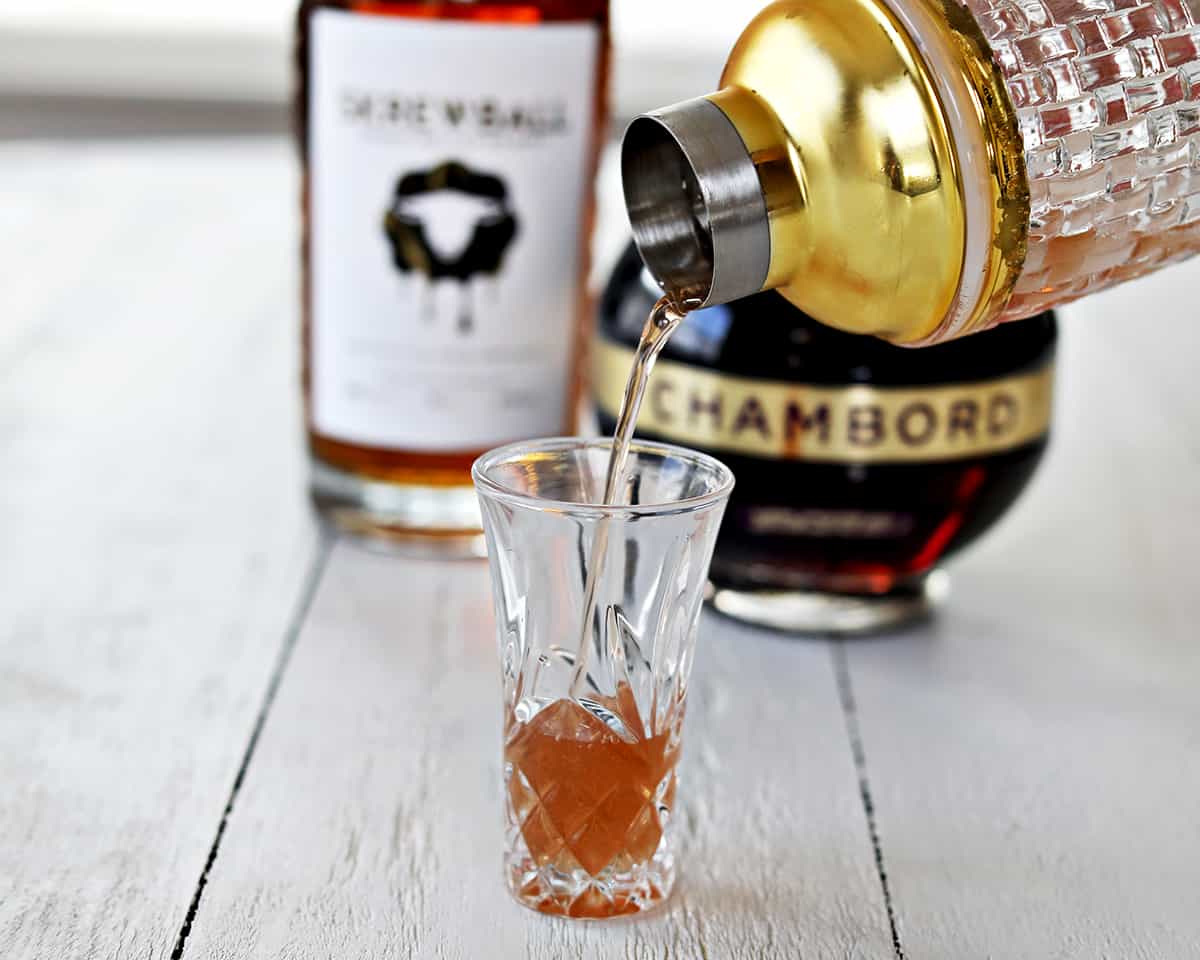
The preparation method—shaking with ice for 10–15 seconds—is not merely for dilution. The physical act of shaking aerates the mixture and lowers the temperature to a point where the sweetness of the fruit liqueur becomes crisp rather than syrupy. This "icy cold" state is vital; a warm PB&J shot can be overwhelmingly thick, whereas a properly chilled one feels light and refreshing.
Serving Variations
While the standard is a 1.5-ounce shot, the flavor profile is versatile enough to be scaled. Many establishments now offer a "PB&J Cocktail," which involves doubling the volume and serving it in a chilled martini glass. This transition from "shooter" to "sipper" demonstrates the depth of the flavor profile, proving that it is more than just a novelty drink.
Official Responses and Industry Perspectives
The reception of the PB&J shot within the professional mixology community has been mixed, reflecting a broader divide between "purists" and "pop-culture mixologists."
The Purist Critique
Many veteran bartenders have historically viewed flavored whiskeys with skepticism, arguing that they mask the quality of the spirit and lean too heavily on artificial flavorings. They contend that the PB&J shot belongs in the category of "fun drinks" rather than "craft cocktails."
The Modernist Embrace
Conversely, a new wave of bartenders, particularly those in high-volume environments, argue that the goal of a cocktail is to provide an experience that the consumer enjoys. "If a drink can transport a guest back to their childhood while providing the relaxation of a spirit, it has succeeded in its primary function," noted one industry consultant. The widespread popularity of the drink has forced many top-tier bars to keep a bottle of peanut butter whiskey on the back bar, even if they don’t feature it on their primary menu.
Implications: The Future of Nostalgia-Based Mixology
The success of the PB&J shot is a harbinger of a broader trend: the "Comfort Drink." As the world faces economic and social uncertainty, consumers are increasingly seeking out flavors that evoke feelings of safety, childhood, and simplicity.
Economic Impact
The market for flavored spirits is growing at a rate that outpaces traditional spirits in several demographics. Brands that can successfully replicate childhood flavors—whether it be PB&J, s’mores, or breakfast cereal-infused liquors—are finding massive success with Gen Z and Millennial consumers.
The Shift in Drinking Culture
This shift suggests that the era of the "intimidating" cocktail menu may be waning. Consumers are shifting toward drinks that are "approachable." The implications for the industry are significant:
- Lower Barriers to Entry: Drinks that taste familiar are easier for customers to order, which increases the velocity of service in bars.
- Increased Home Bartending: As seen with the popularity of these recipes online, consumers are investing in their own bar tools (shakers, strainers, jiggers) to recreate the experience at home.
- The "Instagrammable" Effect: The visual potential of the garnish—the tiny sandwich, the colorful layers—aligns perfectly with the visual-first culture of social media, turning every shot into a shareable moment.
Conclusion
The Peanut Butter and Jelly shot is more than a fleeting trend; it is a testament to the power of memory in food and beverage design. By tapping into the collective nostalgia of the PB&J sandwich, the drink achieves a level of recognition and enjoyment that few other cocktails can claim. Whether served in a simple shot glass at a dive bar or as a meticulously garnished cocktail at a sophisticated lounge, it remains a defining beverage of the modern era—a liquid reminder that sometimes, the most sophisticated flavor profiles are the ones we grew up with.
As we look toward the future, we can expect to see more experimentation with "childhood classics." Whether this leads to a "mac-and-cheese martini" or "cereal-milk highballs," one thing is certain: the era of the playful, nostalgia-driven cocktail is here to stay, and it has set a high bar for what a simple, two-ingredient drink can achieve.