
The Power of the Pause: Groundbreaking Pilot Study Reveals How 5 Minutes of Reflection Boosts Event Knowledge Retention by 10%

By the Event Industry Insights Desk
Published in Partnership with EventMobi and ElectraLime Marketing
Introduction: The Modern Event Dilemma
For decades, the standard operating procedure for professional conferences, corporate retreats, and industry summits has revolved around a singular, exhausting metric: coverage.
Event organizers and content planners consistently pack agendas from dawn until dusk, engineering back-to-back keynotes, panel discussions, and breakout sessions designed to squeeze maximum educational value out of every available minute. Once the final speaker departs, the slide decks are uploaded, session recordings are archived behind a membership portal or video-on-demand library, and participants are hastily ushered onto the next networking mixer or journey home.
The underlying assumption has always been straightforward: if attendees are exposed to enough information, a sufficient amount of it will inevitably stick.
However, a provocative new pilot study challenges this foundational premise. Spearheaded by event strategist Lisa Schulteis of ElectraLime Marketing in close partnership with event technology leader EventMobi, the research explores a fundamental question that the industry has largely ignored: What actually stays in an attendee’s memory weeks after the curtain falls? More importantly, can a remarkably minor, frictionless design modification fundamentally alter the trajectory of long-term knowledge retention?
The findings, while preliminary, suggest a paradigm shift. By introducing a brief, highly structured reflection prompt—taking less than five minutes cumulatively over the entire program—event organizers can dramatically increase how much foundational content participants retain a month later.
Main Facts: Breaking Down the Pilot Study
At its core, the study designed by Schulteis and the EventMobi team set out to measure the cognitive impact of active post-session reflection versus passive information consumption.
To test this hypothesis, the research team established a tightly controlled experimental framework:
- The Participants: Attendees viewing identical event content were randomly divided into two distinct cohorts: a Reflection Group and a Control Group.
- The Intervention: The Reflection Group received a brief, guided reflection prompt delivered directly through the event’s digital chat interface immediately following key sessions. The Control Group received no prompts.
- The Time Investment: The entire reflection intervention required a meager 4 minutes and 45 seconds of total time across the entirety of the program.
- The Results: Thirty days post-event, follow-up evaluations revealed that the Reflection Group retained 77.1% of foundational session content. In stark contrast, the unprompted Control Group retained only 66.7%—a striking performance gap achieved with virtually zero financial investment or technological overhead.
Chronology: How the Experiment Unfolded
Understanding how this research was conceptualized and executed provides critical context for event planners looking to replicate or build upon these findings.
Phase 1: Conceptualization and Hypothesis Development
The project began when Lisa Schulteis observed a recurring phenomenon in the corporate events space: the "information firehose" effect. Attendees consistently reported feeling intellectually overwhelmed by the sheer volume of data, case studies, and strategic frameworks presented during multi-day conferences. Schulteis hypothesized that without cognitive breathing room, the human brain struggles to transition short-term sensory input into long-term semantic memory. Partnering with EventMobi provided the digital infrastructure required to test this theory in a real-world event environment.
Phase 2: Participant Segmentation and Content Delivery
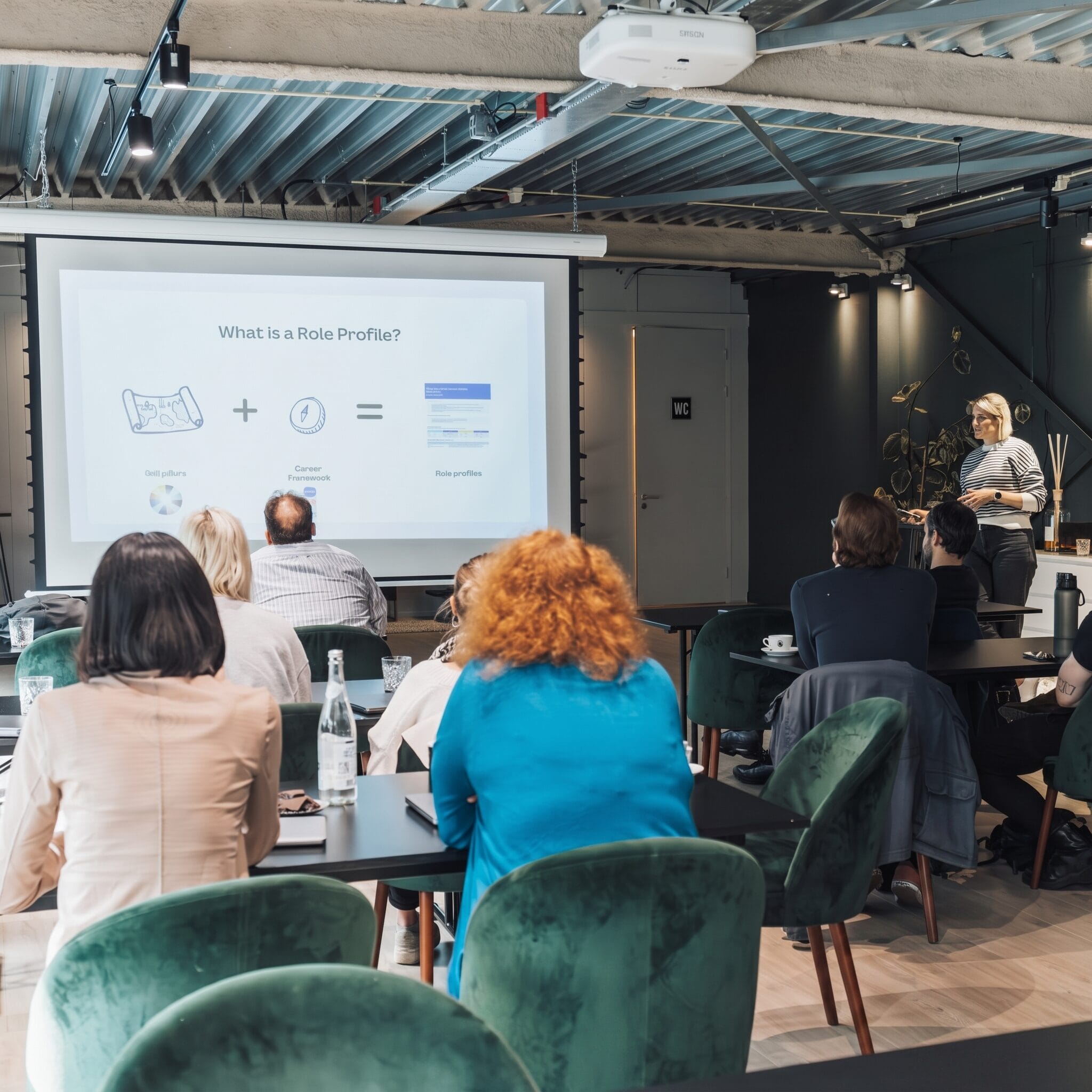
During the pilot study, attendees engaged with identical live and pre-recorded event content. Behind the scenes, the audience was segmented via event app permissions. While both groups experienced the same lectures and presentations, the delivery mechanism differed strictly at the conclusion of specific educational blocks.
Phase 3: The Interventions and Data Collection
As sessions wrapped up, members of the Reflection Group received targeted prompts via the event platform’s chat function. These prompts did not require complex essays or burdensome assignments; instead, they invited quick, intentional thoughts summarizing core takeaways or personal applications. Meanwhile, the Control Group simply transitioned to the next agenda item or break.
Phase 4: The 30-Day Follow-Up
To measure true retention rather than immediate recall, the researchers waited a full month before deploying a comprehensive knowledge assessment to both cohorts. This 30-day window is widely recognized in cognitive psychology as the critical juncture where the forgetting curve flattens—meaning whatever information survives this period is likely to be retained for the long term.
Supporting Data and Methodological Nuances
While the top-line results are undeniably compelling, professional rigor requires a transparent look at the study’s parameters, limitations, and specific data points.
The Power of Foundational Content
It is worth noting that the study encompassed multiple sessions, and outcomes varied depending on the complexity of the material. While one of the secondary sessions produced inconclusive results—likely due to sample size constraints and the intricate nature of the advanced subject matter—the signal from the foundational session was loud and clear. For core concepts designed to establish baseline industry knowledge or fundamental operational skills, the reflection intervention acted as a cognitive anchor.
Cost-Effectiveness and ROI of Attention
In the event management ecosystem, ROI is traditionally calculated through financial lenses: sponsorship revenue, ticket sales, cost-per-lead, and exhibition floor traffic. However, Schulteis and the EventMobi research team introduce a compelling new metric: Return on Attention (RoA).
- Traditional retention methods often require expensive overhauls, such as gamification apps, post-event certification courses, or exhaustive micro-learning campaigns spanning weeks.
- By contrast, a sub-five-minute chat prompt requires no agenda redesign, no expensive software licensing, and zero additional venue overhead.
Expert Perspectives and Official Responses
To contextualize these findings within the broader landscape of event technology and experience design, industry veterans have begun weighing in on the implications of the study.
Brandt Krueger on Bridging the Gap in Event Tech
Brandt Krueger, a titan in the event technology space with over two decades of experience and now driving industry partnerships at EventMobi, has long championed approachable, practical tech solutions. Known for his ability to bridge the gap between extravagant technological promises and the gritty operational realities event teams face daily, Krueger views this study as a watershed moment for digital event tools.
"For years, event technology has focused heavily on the broadcast and consumption phases—streaming in HD, making chat rooms hyper-active, and pushing notifications," Krueger notes. "What this pilot study highlights is that our greatest opportunity isn’t necessarily in pushing more content at people, but in creating intelligent, frictionless spaces for them to process what they’ve already consumed. It proves that the most powerful tool in an event app isn’t always a complex feature; sometimes, it’s simply a well-timed prompt that encourages human cognitive processing."
Lisa Schulteis on Shifting Event Strategy
Principal event strategist Lisa Schulteis emphasizes that the industry must move away from treating attendees as passive vessels.
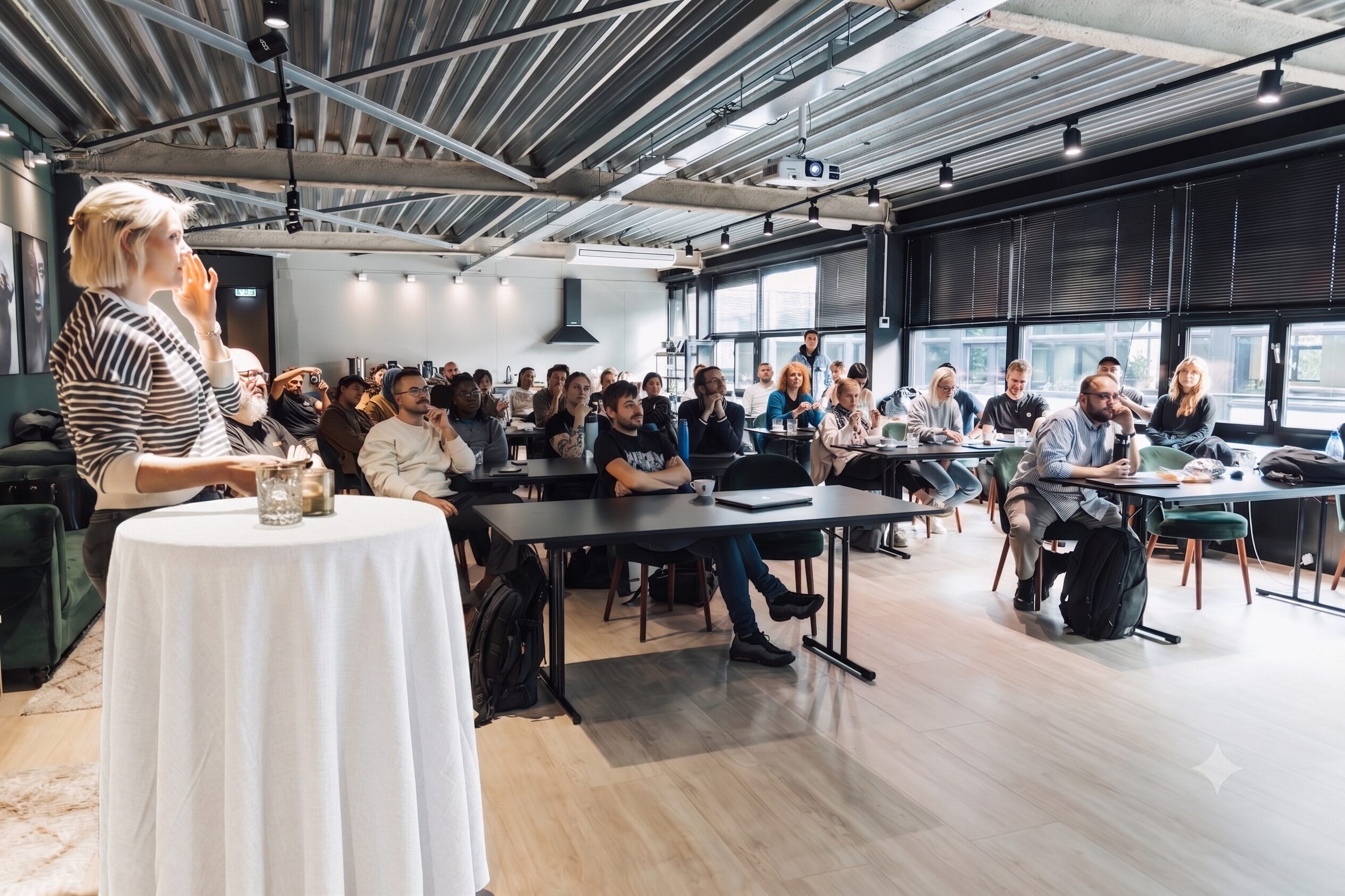
"We design agendas as if the human brain is a hard drive with infinite, uninterrupted write-speed," Schulteis explains. "Our pilot demonstrates that learning is not a spectator sport. By simply pausing for a fraction of a percent of the total event duration, we allow the neural pathways to solidify. Planners don’t need to reinvent the wheel to improve educational outcomes; they just need to give attendees permission and structure to breathe."
Implications for the Future of Event Design
The implications of the ElectraLime Marketing and EventMobi pilot study extend far beyond a single white paper. As the events industry continues to mature in a post-pandemic hybrid era, the demand for measurable educational and professional value has never been higher.
1. Redefining Agenda Architecture
Event designers may soon begin intentionally scheduling "cognitive pauses" into master schedules. Rather than packing 60-minute blocks with 55 minutes of non-stop lecturing and 5 minutes of rushed Q&A, forward-thinking planners are likely to institutionalize a mandatory 3-to-5-minute silent reflection or peer-to-peer micro-discussion before transitioning rooms.
2. Evolving the Role of Event Apps
Event technology vendors will face increased pressure to build intelligent, automated micro-reflection workflows into their standard product roadmaps. Features that gently prompt users to summarize key takeaways, save personalized audio notes, or instantly sync reflections to their personal CRM or note-taking applications could quickly transition from "nice-to-have" novelties to core evaluation criteria for corporate buyers.
3. Elevating Sponsor and Exhibitor Value
Better knowledge retention directly correlates with higher attendee satisfaction and perceived event ROI. When participants leave a conference genuinely remembering strategic frameworks and foundational concepts, they are significantly more likely to attribute that professional growth to the sponsoring organizations and the host platform, leading to higher year-over-year renewal and attendance rates.
Conclusion and Next Steps for Industry Professionals
While the Schulteis-EventMobi pilot study utilized a modest sample size and highlights the necessity for larger, multi-event follow-up studies, its foundational insight cannot be easily dismissed. In a noisy world saturated with endless content, the scarcest commodity is no longer information—it is retention.
For event planners, corporate educators, and association executives looking to stay ahead of the curve, the prescription is clear: stop treating every second of your agenda as a vehicle for more talking, and start leveraging strategic silence.
To examine the complete methodology, deep-dive into the session-by-session data sets, and review Lisa Schulteis’s strategic recommendations for designing large-scale follow-up research initiatives, industry professionals are encouraged to download the comprehensive white paper directly through the EventMobi portal.
Related posts: