
The Rise of the "Miracle" Marketplace: How Consumer Trust and Viral Review Culture Are Reshaping E-Commerce

WASHINGTON — In the modern digital economy, the phrase "it feels like magic" has become the highest form of consumer praise. Across platforms like Amazon, TikTok, and Instagram, viral reviews frequently credit everyday household items, skincare solutions, and organizational gadgets with supernatural efficacy. Far from literal sorcery, this colloquial hyperbole reflects a profound shift in consumer psychology: when a product drastically simplifies an arduous chore, alleviates chronic discomfort, or solves a persistent, mundane problem with unexpected speed, shoppers respond with hyper-enthusiastic validation.

An extensive analysis of top-performing e-commerce products reveals a massive market appetite for utilitarian innovation. Whether it is a plant-based powder that turns boiling cooking oil into a solid brick or a motorized mop that vacuums and washes simultaneously, today’s best-selling products succeed by eliminating friction in daily routines.
Main Facts: The Anatomy of Viral Utility
The modern landscape of online retail is increasingly dictated by user-generated content and peer-to-peer validation. Products that achieve viral status typically share three distinct characteristics:
- Immediate Visualization: They offer clear, dramatic before-and-after transformations (such as callus removal gels or heavy-duty carpet shampoos).
- Friction Reduction: They solve deeply frustrating, routine-heavy chores with minimal effort (such as sheet-drying wad preventers or automatic makeup brush cleaners).
- Price-to-Performance Value: They frequently outperform luxury competitors at a fraction of the cost (such as chemical exfoliants and K-beauty skincare essentials).
Data from consumer analytics firms indicate that shoppers are increasingly turning away from traditional advertising and relying on raw, enthusiastic customer reviews. Phrases like "pure magic" or "sorcery in a bottle" appear tens of thousands of times across product review sections, signaling a cultural shift toward items that deliver outsized results with minimal manual labor.

Chronology: From Niche Hacks to Mainstream Phenomena
The journey of these viral products follows a distinct lifecycle that bridges digital media and retail supply chains:
- Phase 1: Inception and Small-Business Innovation. Many of these viral products originate from independent, family-owned, or specialized brands—such as Grampa’s Gardenware Co., which has manufactured its ergonomic standing weeder since 1913, or FryAway, a Latina-owned small business dedicated to eco-friendly kitchen solutions.
- Phase 2: The Social Media Catalyst. Products gain traction organically via short-form video platforms like TikTok. Dermatologists, organizational experts, and everyday consumers film real-time demonstrations—such as hydrocolloid nose patches pulling out impurities or automatic brush cleaners spinning away caked-on foundation.
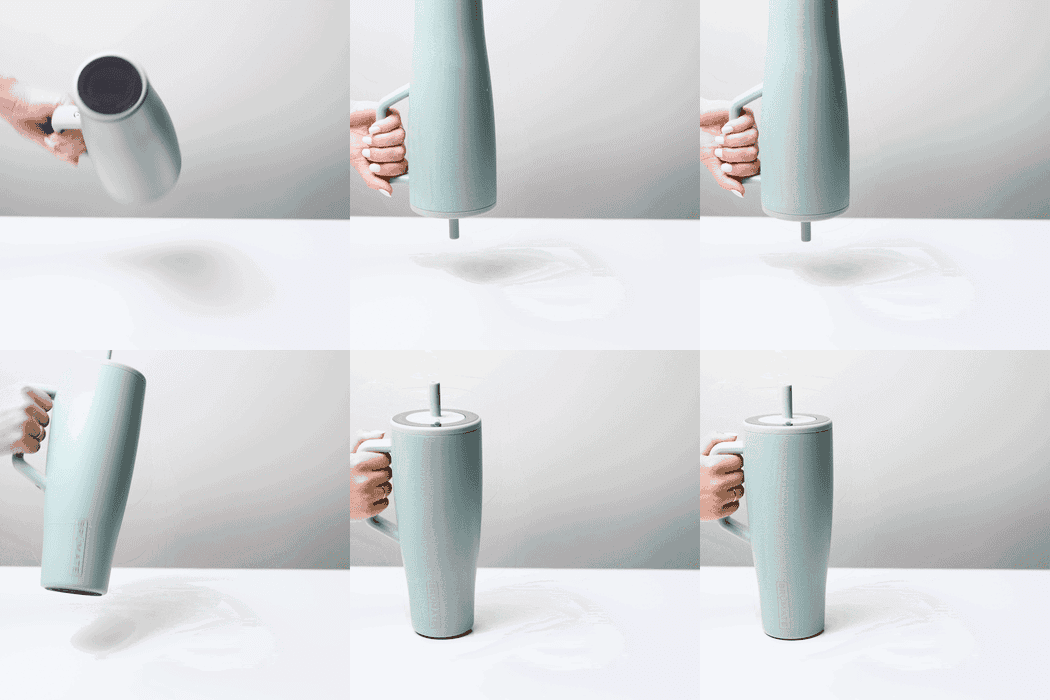
- Phase 3: The Retail Surge and Supply Chain Impact. Once a product crosses a critical threshold of views, algorithmic visibility drives massive surges in Amazon sales. Items like the Brümate Era 40-ounce water bottle and the Tineco 2-in-1 cordless vacuum and mop routinely challenge legacy brand dominance through superior design features—such as zero-leak locking mechanisms and self-propelled cleaning heads.
- Phase 4: Mainstream Validation and Ubiquity. The product becomes a household staple, accumulating tens of thousands of five-star reviews and prompting legacy competitors to re-engineer their own product lines to compete.
Supporting Data: What the Numbers Tell Us
Consumer research underscores a massive market shift toward functional problem-solvers. Price points across top-performing viral categories range drastically from accessible sub-$10 essentials to high-end home appliances, yet all share exceptionally high retention and review rates:

- Skincare & Personal Care: Items like The Ordinary’s Glycolic Acid 7% Exfoliating Toner ($13.50) and CeraVe Eye Repair Cream ($14.44) pull massive volume by democratizing high-efficacy ingredients. Similarly, specialized items like the Cosrx Snail Mucin Repairing Essence ($17.79) bridge traditional K-beauty science with Western consumer routines.
- Home Maintenance & Cleaning: Heavy-duty problem solvers command immense loyalty. Dawn Powerwash ($8.44) and The Pink Stuff cleaning paste ($5.99) dominate the cleaning category by replacing hours of manual scrubbing with chemical efficiency.
- Ergonomic and Comfort Goods: High-utility ergonomic tools—such as the UnbuckleMe car seat tool ($14.99) and the Wad-Free Bed Sheet Detangler ($19.99)—target specific physical pain points, yielding passionate reviews from demographic groups ranging from parents to senior citizens.
Official Responses and Industry Perspectives
Retail analysts and consumer safety experts note that while viral marketing drives initial sales, long-term brand survival depends on product safety and regulatory compliance.
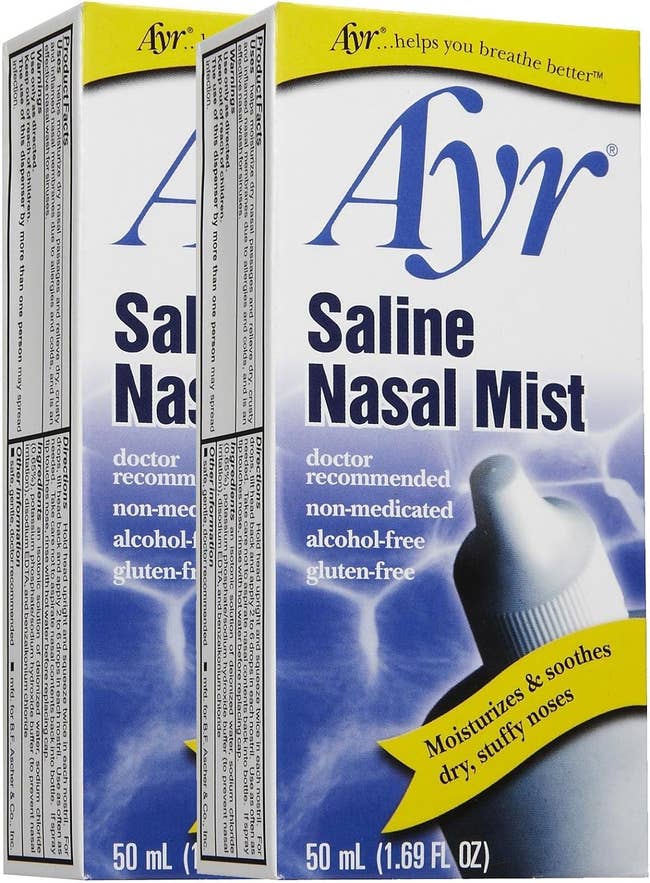
Medical professionals frequently weigh in on viral health and beauty products. Dermatologists and allergists emphasize that while items like saline nasal mists or chemical exfoliants offer immense relief, consumer adoption must be guided by proper usage. For instance, skin-care experts continuously remind consumers to introduce active retinoids and chemical peels gradually to avoid barrier damage.

Small business founders have also spoken on the unique challenges and triumphs of scaling through viral digital channels. Representatives from independent brands emphasize that maintaining product quality during sudden viral spikes remains their primary operational hurdle, requiring robust supply chain management to keep up with consumer demand.

Implications: The Future of Consumer Goods
The persistent popularity of these high-utility products carries significant implications for the broader retail ecosystem:
- The Death of Traditional Advertising: Consumers place exponentially more trust in peer-to-peer video demonstrations and unfiltered reviews than in polished corporate marketing campaigns. Brands that embrace transparency and authentic problem-solving are outperforming legacy giants.
- Elevated Consumer Expectations: Shoppers are increasingly intolerant of poor design flaws—such as water bottles that leak, bedsheets that ball up in the dryer, or cleaning tools that require excessive manual labor. The baseline expectation for everyday items has shifted toward engineering excellence.
- Empowerment of Niche and Small Businesses: Digital platforms have lowered the barrier to entry, allowing specialized, family-owned, or minority-owned businesses to capture national market share rapidly by solving hyper-specific consumer problems.
As e-commerce continues to evolve, the marketplace will undoubtedly keep rewarding products that turn daily frustrations into moments of effortless convenience—proving that while true magic may not exist, brilliant design comes remarkably close.