
The bedroom serves as more than just a place to sleep; it is the ultimate sanctuary, a private retreat from the relentless pace of the modern world. Whether you are looking to create a space for peaceful slumber or a restorative daytime haven, the architecture and interior design of your bedroom are the primary drivers of your comfort. Achieving a restful ambiance is not merely a matter of aesthetic preference—it is a functional necessity for health and well-being.
Designing a bedroom that balances personal expression with restorative design principles is a sophisticated challenge. This guide explores the foundational elements of bedroom design, provides a deep dive into various stylistic approaches, and offers a comprehensive look at how to curate a space that is truly yours.
The Foundational Principles of Bedroom Design
Before selecting furniture or paint colors, one must approach the room with a strategic mindset. The process of designing a personal space is both a fun and demanding exercise that requires balancing utility with psychology.
Determining Personality and Intent
The most effective bedroom designs are those that act as a mirror to the occupant. Before beginning, determine your primary goals: Is this space purely for rest, or must it double as a home office or creative studio? By identifying your interests—whether you gravitate toward industrial minimalism or opulent traditionalism—you establish a cohesive theme that prevents the room from feeling disjointed or uncertain.
The Psychology of Color
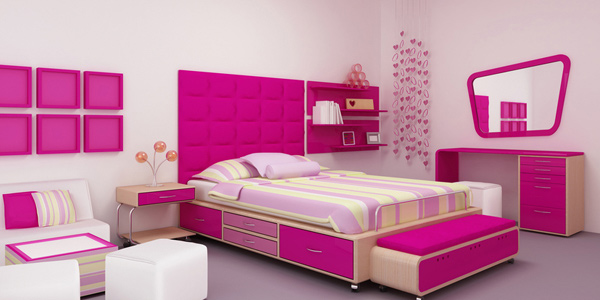
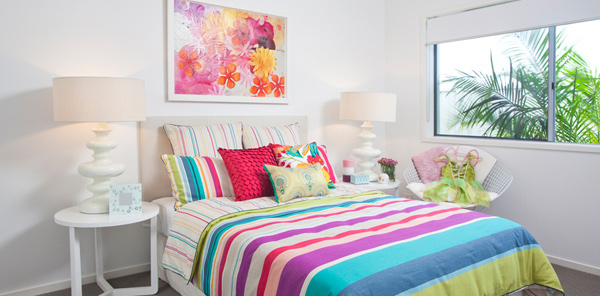
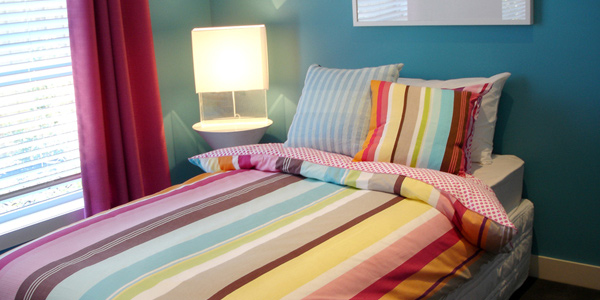
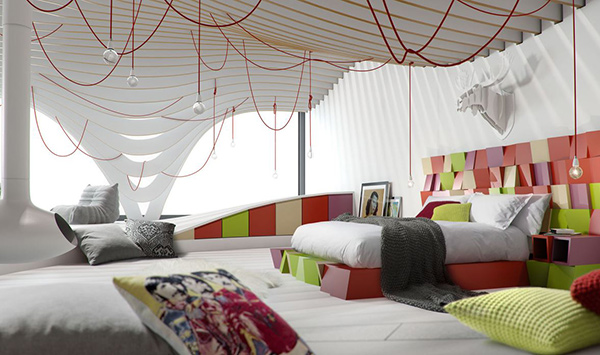
Color is the silent architect of ambiance. In smaller rooms, lighter palettes—whites, creams, and soft pastels—are essential to create the illusion of expanded space. However, these can be elevated with metallic accents, such as gold or bronze, to introduce warmth. In larger master suites, designers have the freedom to experiment with bold, saturated colors or intricate patterns, which can ground a cavernous space and make it feel more intimate.
Spatial Awareness and Furniture Selection
The size of your room dictates the scope of your design. Over-furnishing is the primary culprit behind a "crowded" bedroom feel. A well-designed room must allow for natural flow; prioritize high-quality furniture that serves a clear purpose. A bed should be the centerpiece, but the addition of bedside tables, ergonomic seating, or integrated storage must be scaled appropriately to the floor plan.
Texture and Lighting
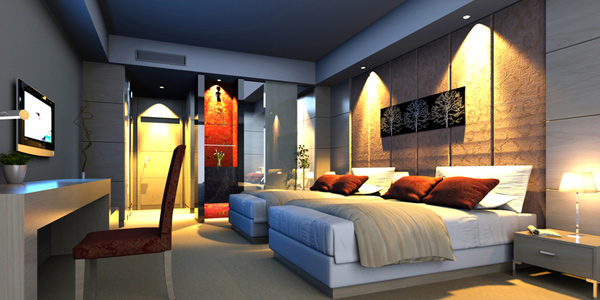
Texture adds depth. A room with only smooth surfaces feels clinical, but by layering textures—such as a plush area rug, faux fur throws, or wooden accents—you create a tactile experience that invites comfort. Complement this with a multi-layered lighting strategy. A single overhead light is rarely sufficient; instead, incorporate dimmable bedside lamps or wall sconces to transition the room from a functional environment to a sleepy, low-light sanctuary.
Chronology of Style: From Traditional to Futuristic
Design history has seen a massive evolution in bedroom aesthetics, moving from the rigid, ornate structures of the past to the fluid, tech-integrated designs of the present.
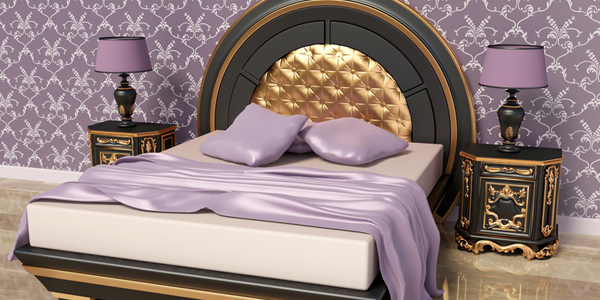
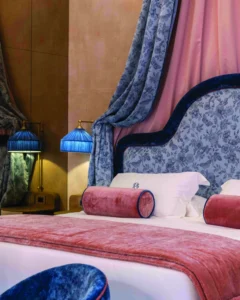
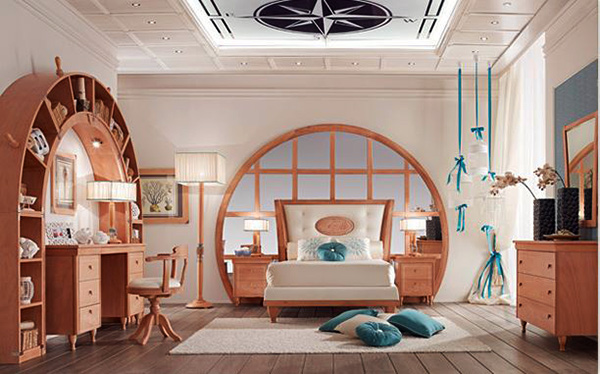
- The Classic Era: Traditionally, bedrooms focused on symmetry, rich fabrics, and floral or muted plaid patterns. The emphasis was on grandeur and stability.
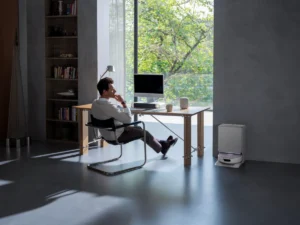
- The Modern Shift: Mid-20th century architecture brought about the "Modern" bedroom, characterized by clean lines, a focus on natural light, and the integration of indoor-outdoor flow through floor-to-ceiling glass.
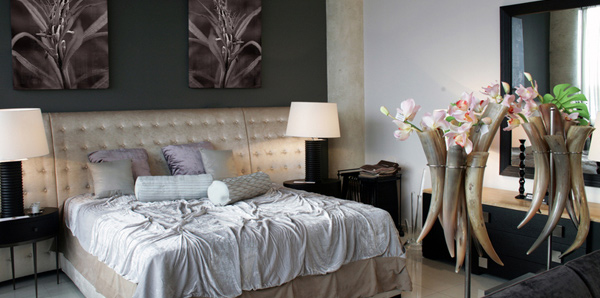
- The Contemporary Movement: Current contemporary design emphasizes the "centerpiece dresser" and accent walls. It is a hybridization of styles, often blending traditional comfort with modern efficiency.
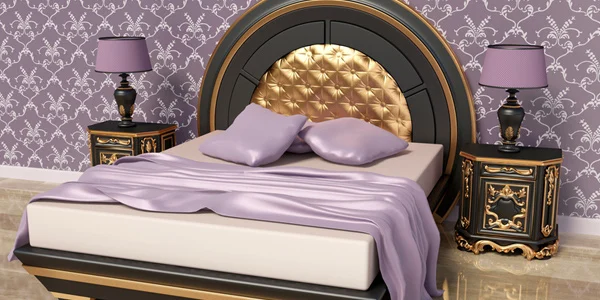
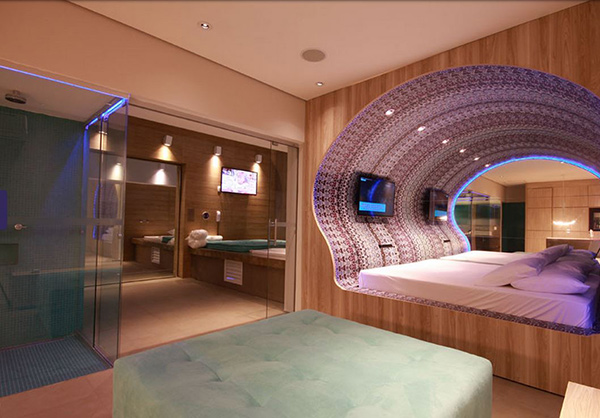
- The Futuristic Wave: Today, we see the rise of high-gloss surfaces, integrated smart lighting, and structural experimentation—such as floating beds and asymmetric headboards—which push the boundaries of what a bedroom can be.
Supporting Data: Stylistic Archetypes
To assist in your planning, we have categorized several design motifs observed in high-end residential projects globally.
Modern and Contemporary Paradigms
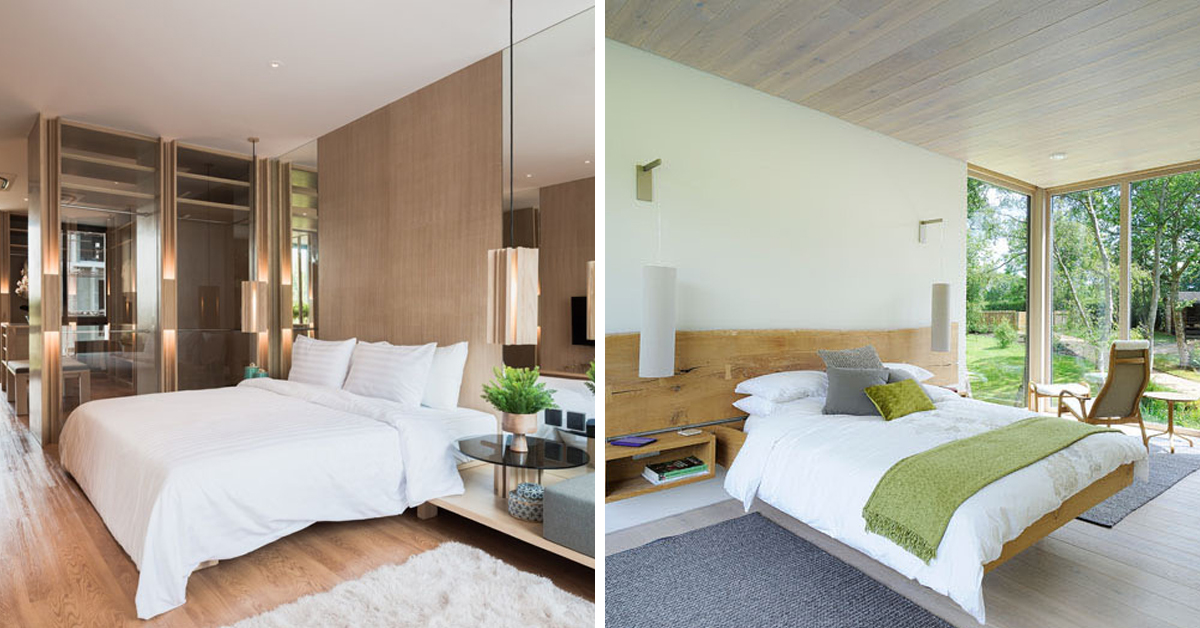
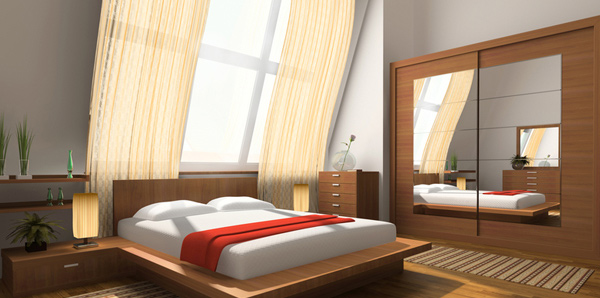
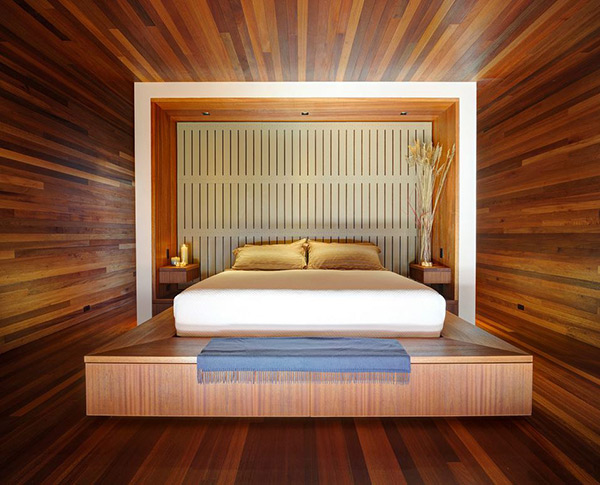
Modern bedrooms are defined by their ability to maximize natural light. Projects like the Union Bay Residence demonstrate the power of wood-accented walls paired with gray and white tones to create a relaxing environment. Similarly, contemporary homes, such as the Fallsview Residence, utilize dark wood and glass walls to balance a "Zen" feel with modern sophistication.
Industrial and Loft Aesthetics
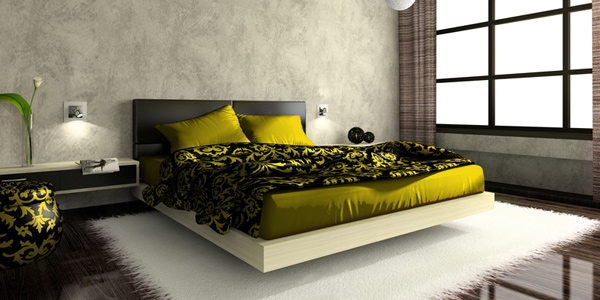
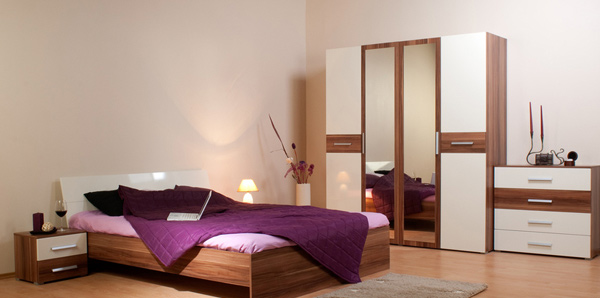
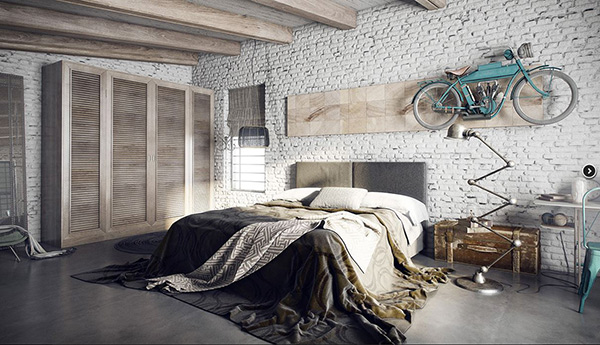
Industrial design does not have to feel cold. By utilizing exposed brick, raw steel frames, and reclaimed wood, designers create spaces with immense character. The Industrial Loft Apartment in Ukraine, for example, pairs dark wood and brick with vibrant yellow accents, proving that industrial design can be both moody and cheerful.
Minimalist Efficiency
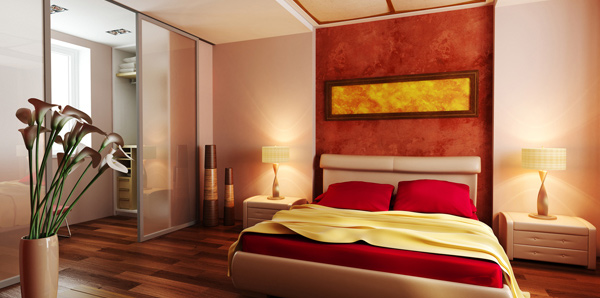
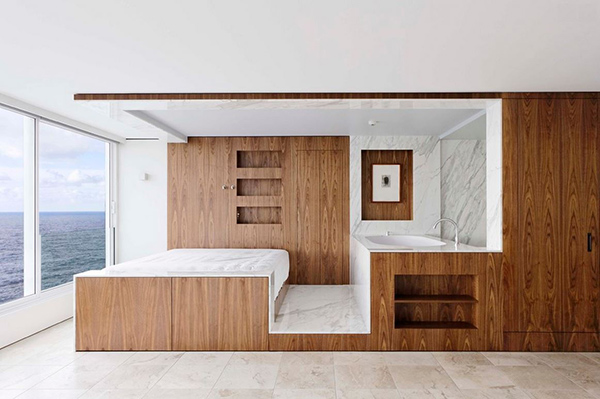
Minimalism is not just the absence of clutter; it is the presence of intentionality. In the D House, a pivoting door and a floating bed setup illustrate how simplicity can make a room feel expansive. By utilizing clever storage—such as built-in cabinetry that doubles as a headboard—minimalist rooms remain functional without losing their airy appeal.
Bunk and Multi-Purpose Solutions
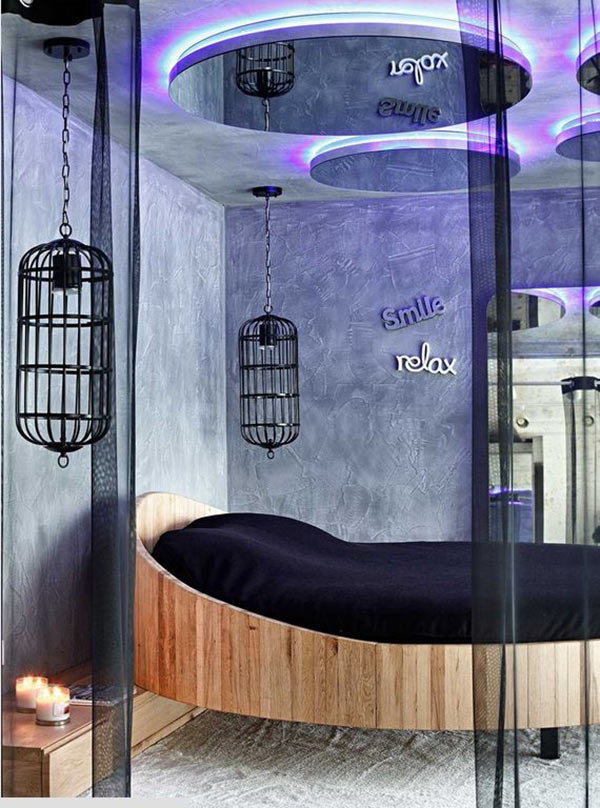
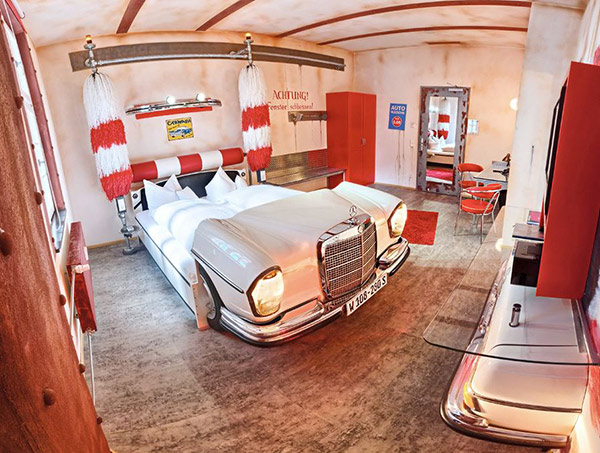
For families or shared spaces, bunk bed designs have evolved far beyond the basic metal frames of the past. Modern bunk design, such as that seen in the James River House, includes integrated individual lighting and storage niches, providing privacy even in a shared room.
Official Responses and Expert Perspectives
Interior design experts consistently emphasize the importance of "zoning" in a bedroom. According to leading architectural firms, the trend of the "hybrid bedroom"—a room that serves as a workspace, library, and sleeping area—requires a clear division of function.
"The most important aspect of a bedroom is the transition," says an expert from a prominent interior design firm. "You must be able to switch off the ‘work’ zone visually and mentally. Using lighting to create these zones is more effective than using physical partitions."
Furthermore, psychologists specializing in environmental design suggest that the bedroom should be treated as a "low-stimulation" zone. This supports the industry trend toward muted, neutral tones for master suites, reserving bold colors only for accent walls or modular accessories that can be easily changed.
Implications for Future Homeowners
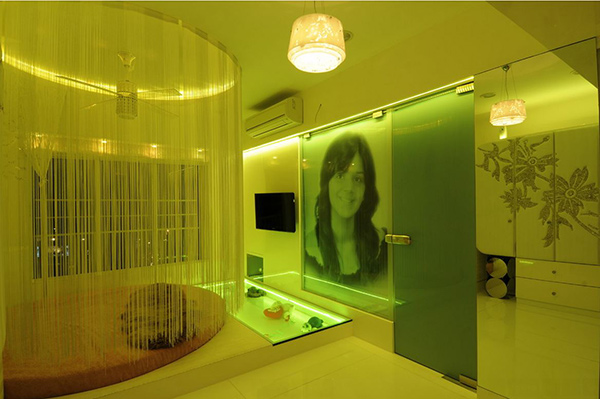
The future of bedroom design is moving toward "Integrated Intelligence." We are seeing an increase in automated climate control, smart glass that tints based on sun exposure, and lighting systems that mimic the natural circadian rhythm to improve sleep quality.
Sustainability and Materiality
There is a growing implication that the "luxury" of the future is sustainability. Homeowners are increasingly opting for VOC-free paints, organic cotton textiles, and FSC-certified wood furniture. The focus is shifting from "how expensive does it look" to "how healthy is the environment it creates."
Flexibility as a Standard
As urban living spaces shrink, the implication for design is clear: modularity is king. We are seeing more beds that retract into walls, desks that fold into closets, and furniture that serves dual purposes. The bedroom of the future will be a chameleon, capable of shifting its utility in seconds to accommodate the diverse needs of its occupant.
The Human-Centric Design Conclusion
Ultimately, the design of your bedroom should be an ongoing project. It is not a static room but a living space that evolves alongside your lifestyle. Whether you are inspired by the sleek lines of a contemporary townhouse or the rustic, cozy feel of a mountain retreat, the goal remains the same: to create a space that offers you the rest, reflection, and rejuvenation you require to meet the world every day.
By taking the time to curate your lighting, organize your storage, and choose a color palette that speaks to your personality, you are doing more than decorating—you are investing in your quality of life. Take these hints, scroll through your own creative archives, and start the rewarding process of designing your own personal sanctuary.