The South African Cheetah Census Shatters the Population Illusion: A 3.5-Year Camera Trap Study Reveals Stark Realities

Main Facts
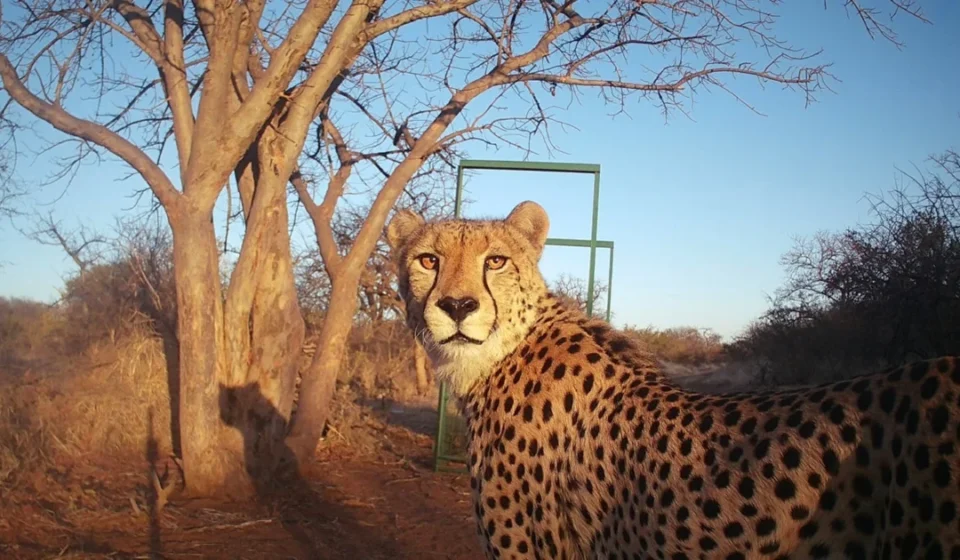
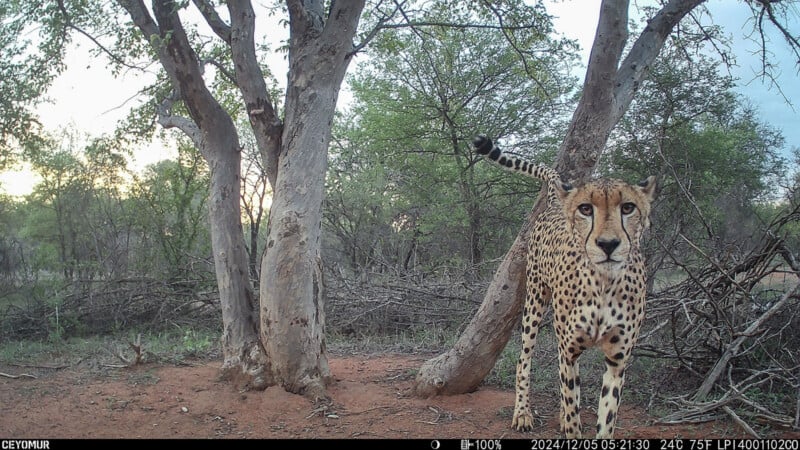
A comprehensive three-and-a-half-year camera trap survey tracking South Africa’s wild cheetah population has revealed a startling conservation reality: there are significantly fewer of these spotted big cats than previously believed. Spearheaded by the Ashia Cheetah Conservation organization, the ambitious Free-Roaming Cheetah Census deployed 389 camera traps managed by three dedicated field teams across vulnerable landscapes.
The scope of the project was immense, generating a staggering 5.2 million images. To process this massive digital archive, researchers harnessed artificial intelligence to classify the wildlife captures. However, human oversight remained indispensable. As Marna Smit, project coordinator at Ashia Cheetah Conservation, noted in an interview with the Daily Maverick, “AI is great, but it’s only great about 70% of the time,” necessitating meticulous manual reviews by human researchers to ensure accuracy.
The census focused specifically on free-roaming cheetahs residing on private and commercial farmlands near the borders of Namibia, Botswana, and Zimbabwe—habitats distinct from the safety of national parks. Previous estimates pegged this vulnerable group at approximately 600 mature individuals. However, the rigorous camera trap data slashed that figure drastically, suggesting the actual population of adult free-roaming cheetahs may be as low as 83. This alarming revelation has upended historical assumptions, establishing a sobering baseline for the conservation and protection of South Africa’s apex predators.
Chronology of the Census
The journey to uncovering the true status of South Africa’s free-roaming cheetahs was a monumental undertaking that unfolded over several years of rigorous field operations, technological deployment, and data analysis.
Phase One: Initiation and Deployment
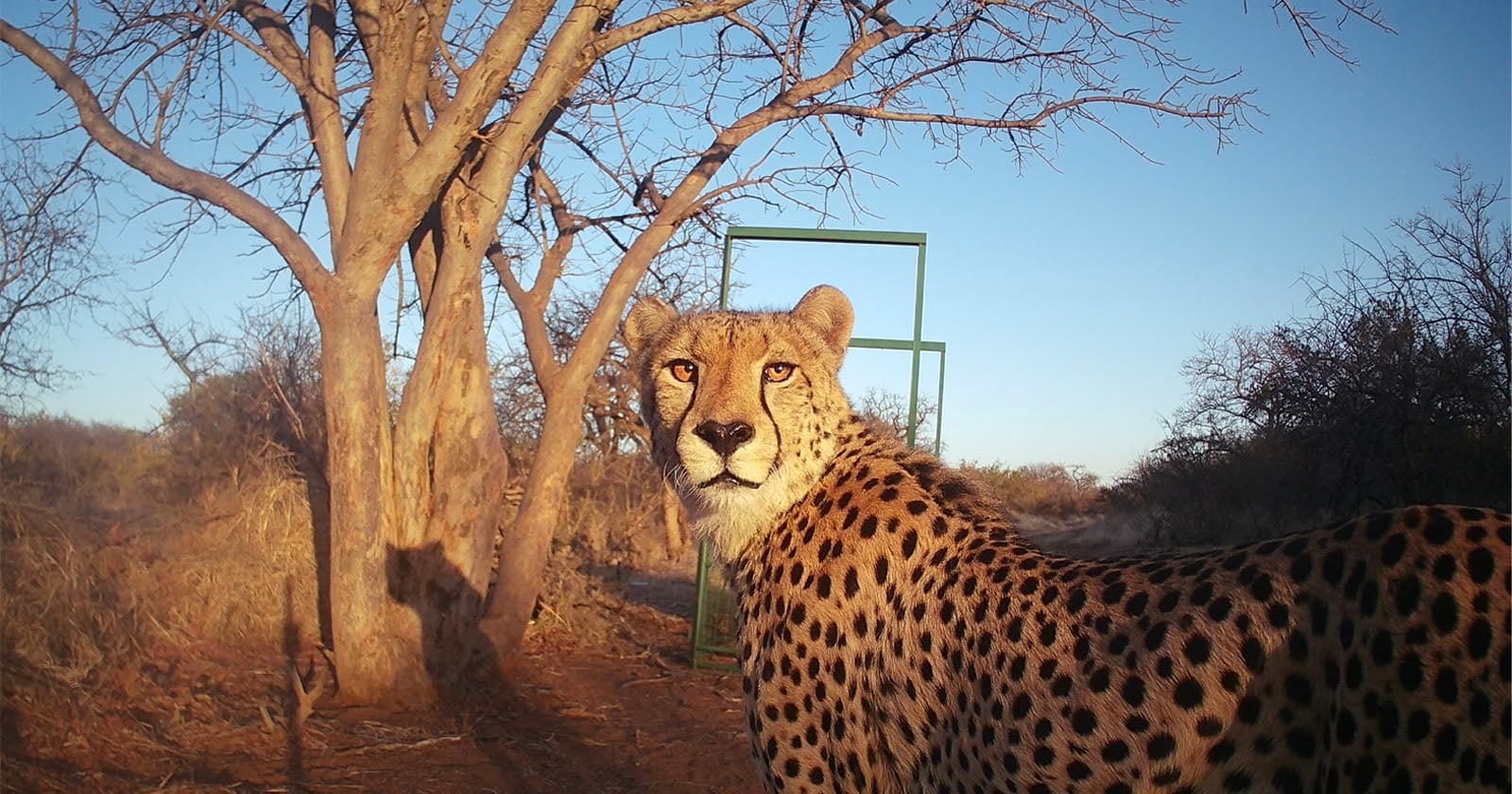
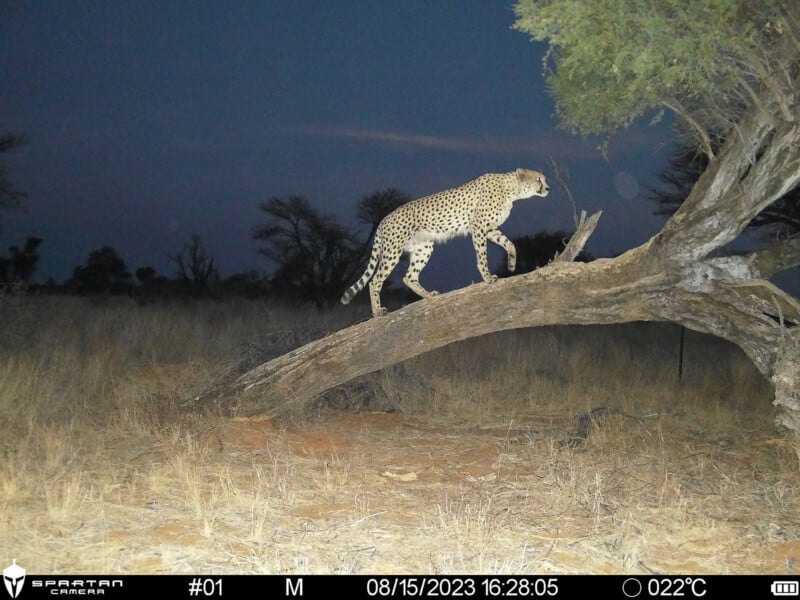
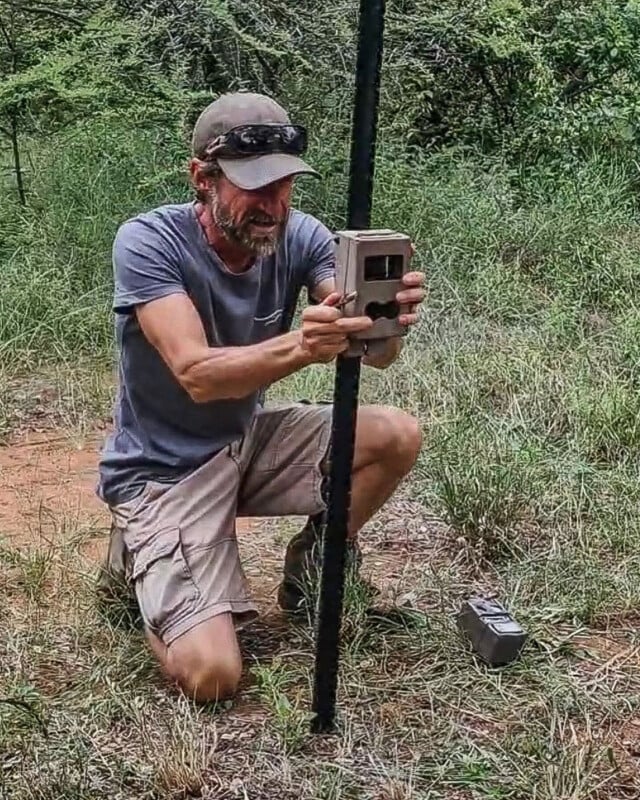
Recognizing a critical knowledge gap regarding cheetahs living outside protected national parks and reserves, Ashia Cheetah Conservation initiated the Free-Roaming Cheetah Census. Three specialized field teams were mobilized to cover vast, rugged, and often remote terrain. They strategically placed 389 camera traps across private and commercial farmlands along South Africa’s northern and western borders—regions interfacing with Namibia, Botswana, and Zimbabwe. These units were designed to capture movement day and night, quietly documenting the secretive wildlife navigating human-dominated landscapes.
Phase Two: The Data Avalanche and AI Integration
Over the course of three and a half years, the network of camera traps recorded an overwhelming 5.2 million images. Managing this deluge of visual data required cutting-edge methodology. The organization integrated artificial intelligence tools to sift through millions of frames, automatically flagging potential cheetah sightings. Yet, because AI technology is inherently imperfect—functioning reliably only about 70% of the time—human researchers had to meticulously cross-examine the machine-sorted files, identifying individual cheetahs based on their unique spot patterns and filtering out false positives.
Phase Three: Breakthrough Discoveries and Publication
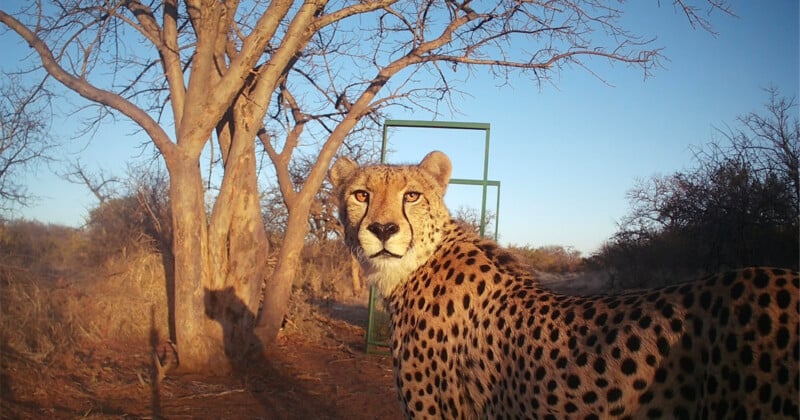
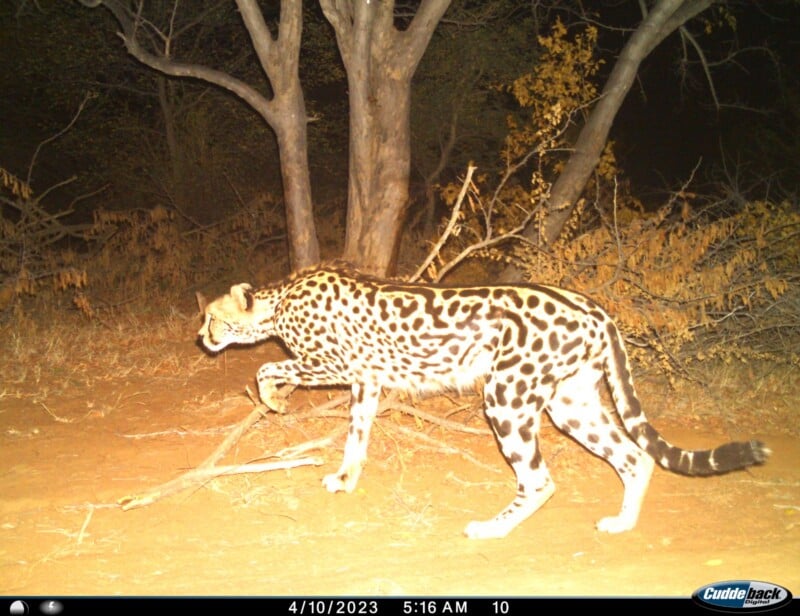
As the exhaustive review concluded in mid-2026, the compiled data exposed a massive discrepancy between historical assumptions and on-the-ground reality. Alongside the disheartening population numbers, the cameras captured rare biological anomalies, including an ultra-rare king cheetah marked by distinctive, blotchy stripe patterns, as well as family coalitions such as a tight-knit group of four male sibling cheetahs. The findings were detailed in local investigative reports, notably by the Daily Maverick, igniting widespread discussions among wildlife conservationists, policymakers, and landowners.
Supporting Data and Methodology
Understanding the methodology behind the Free-Roaming Cheetah Census illuminates why its findings are so radically different from past enumerations. Wildlife population assessments are notoriously difficult, especially for low-density, wide-ranging carnivores like Acinonyx jubatus.
Categorizing South Africa’s Cheetahs
To comprehend the scope of the census, South Africa’s cheetah populations are traditionally divided into four distinct management categories:
- Captive Populations: Animals held in sanctuaries, breeding facilities, or zoos.
- Protected Reserves: Cheetahs safely managed within high-profile national parks and fenced private game reserves.
- Semi-Protected Populations: Large, unfenced or partially managed ecosystems such as Kruger National Park (KNP) and the Kgalagadi Transfrontier Park (KTP).
- Free-Roaming Farmlands: Unprotected or loosely managed cats surviving on private and commercial agricultural lands, away from formal tourism and state conservation oversight.
Smit and her team specifically targeted the fourth category. Unlike the glamorous vistas of Kruger, these cheetahs navigate fragmented agricultural properties, enduring direct proximity to human infrastructure, livestock, and rural communities.
The Numbers Game: Estimates vs. Reality
For years, conservation models estimated that roughly 600 mature, free-roaming cheetahs inhabited these agricultural zones. However, the Ashia Cheetah Census utilized spatial capture-recapture models driven by empirical camera trap data rather than extrapolated guesswork. By identifying individual animals through their distinct coat patterns across 389 synchronized trapping stations, researchers arrived at a chillingly low estimate: as few as 83 adult cheetahs.
This dramatic reduction does not necessarily point to an overnight cataclysmic die-off; rather, it highlights a historical overestimation born of sighting biases. Because cheetahs on farmlands frequently move across large territories, multiple farmers may spot the same transient coalition of cats, leading to heavily inflated mental tallies of the local population.
Official Responses and Field Insights
The findings of the census have prompted deep introspection among conservationists, shedding light on the complex human-wildlife dynamics playing out on South Africa’s agricultural frontiers.
Misplaced Blame in Agricultural Communities
One of the most critical insights brought to light by Marna Smit and her field teams involves the relationship between farmers and large predators. Free-roaming cheetahs frequently cross paths with livestock farmers. When domestic animals go missing, cheetahs are often quick to face lethal retaliation from landowners.
However, field observations suggest that cheetahs are routinely scapegoated for predation they did not commit. "The caracals and jackals are usually the main culprits with smaller livestock, and leopards with bigger livestock," Smit explained to the Daily Maverick. "Cheetahs get blamed because you see them more often."
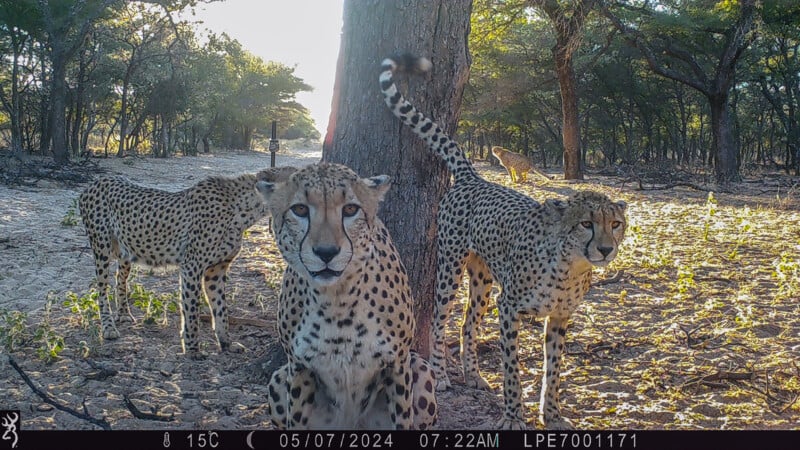
Unlike nocturnal or deeply secretive predators like leopards and hyenas, cheetahs are primarily diurnal hunters. Their tendency to hunt in daylight makes them highly visible to humans working the land. Unfortunately, this visibility turns into a liability, making them easy targets for farmers seeking to protect their investments.
Challenging the Myth of the Aggressive Big Cat
Compounding this tragedy is a widespread misunderstanding of cheetah temperament. Popular media often casts all big cats as merciless man-eaters, but encounters with cheetahs reveal a starkly different reality. Among the world’s large felids, cheetahs are widely recognized as the least aggressive toward humans.
While they remain wild, shy, and inherently unpredictable animals, documented encounters frequently highlight their gentle disposition. On rare occasions when they interact closely with humans, cheetahs have even displayed calm, approachable behaviors, underscoring that they pose virtually no physical threat to human safety. Despite this peaceful nature, they remain profoundly vulnerable to human persecution and environmental fragmentation.
Implications for Conservation and the Future
The publication of the Free-Roaming Cheetah Census marks a critical turning point for wildlife management in Southern Africa. By dismantling the "population illusion," conservationists now face an urgent mandate to adapt their strategies.
Establishing a True Baseline
For decades, conservation policies relied on inflated numbers, creating a false sense of security regarding the species’ resilience outside national parks. "This is the first correct, or the most correct, baseline that we’ve ever had," Smit emphasized. "Maybe we’ve always had low numbers and the estimates were ridiculously high."
With an accurate baseline established, researchers can finally measure future demographic trends with scientific precision. The central question now facing conservation biologists is whether the low count reflects an ongoing, intensive decline caused by habitat loss and farmer retaliation, or if it simply represents the maximum carrying capacity of a heavily fragmented landscape.
Space, Fragmentation, and Coexistence
The modern South African landscape is increasingly carved up by fences, roads, and agricultural development. If the true population of free-roaming adult cheetahs hovers near 83 individuals, it signals that there may simply not be enough contiguous, safe space left to support a larger migratory network outside formal reserves.
Moving forward, safeguarding these vanishing big cats will require targeted coexistence initiatives. Conservation organizations must work hand-in-hand with agricultural communities—deploying non-lethal predator deterrence methods, educating farmers on true predation identification, and establishing protected wildlife corridors. Only through proactive engagement and honest ecological data can South Africa ensure that its free-roaming cheetahs do not quietly fade from the agricultural tapestry altogether.
Related posts: