
The cocktail landscape is littered with fleeting trends, but few drinks possess the staying power of the Tom Collins. At its core, the Tom Collins is a masterclass in minimalism—a sophisticated, effervescent, and boozy evolution of classic lemonade. For over 140 years, this gin-based highball has served as a staple of the home bar and professional mixology alike, proving that the most enduring flavors are often the simplest to execute.
The Anatomy of the Perfect Tom Collins: Main Facts
To understand the Tom Collins, one must first understand its simplicity. It is, by definition, a member of the "sour" family of cocktails, extended with carbonated water. Unlike complex stirred drinks that require specialized equipment and precise dilution techniques, the Tom Collins is designed for accessibility.
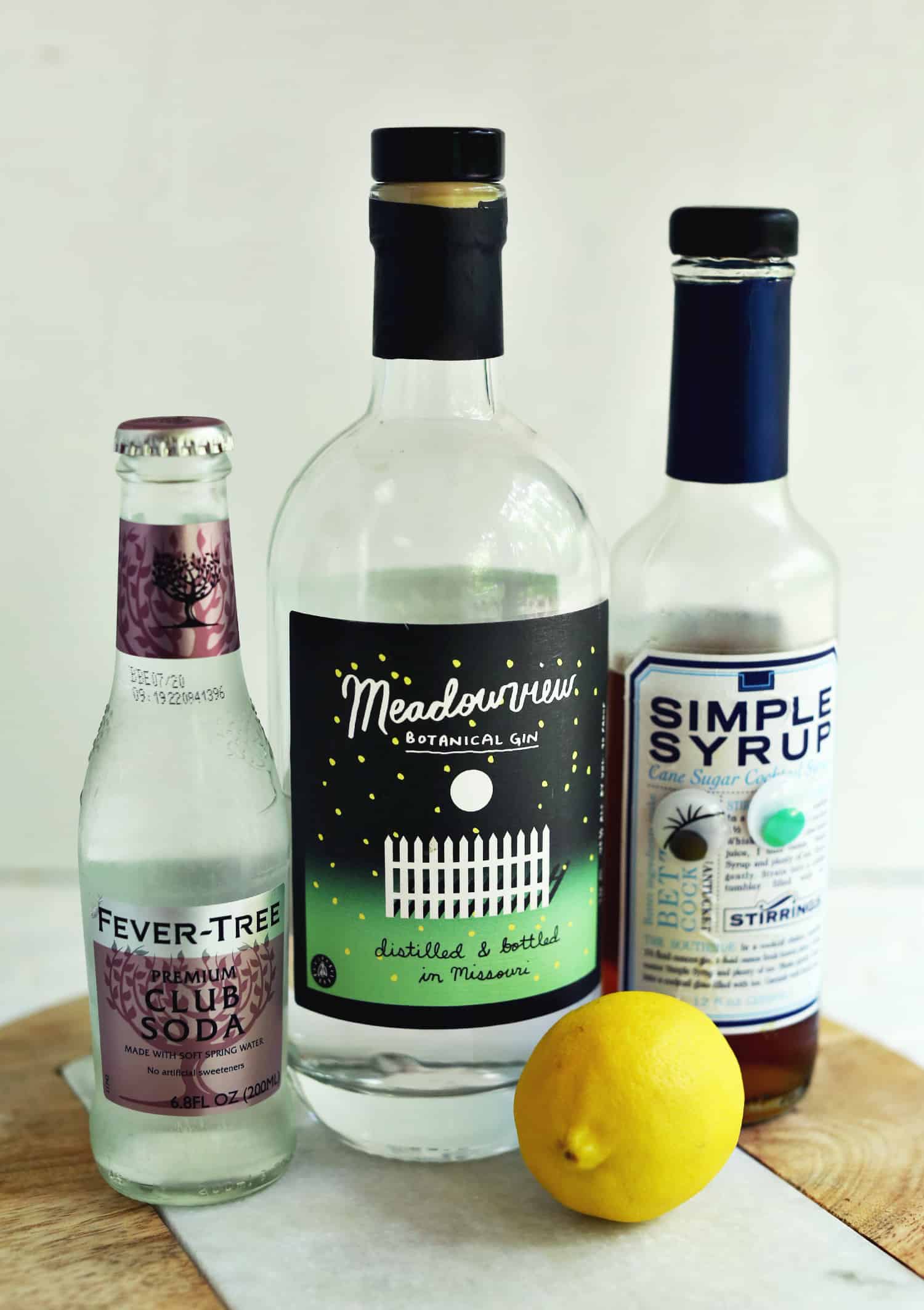
The standard profile consists of three primary pillars:
- The Spirit: High-quality dry gin provides the botanical backbone. While London Dry is the traditional choice, modern craft gins with floral or citrus-forward profiles have expanded the drink’s versatility.
- The Acid: Freshly squeezed lemon juice is non-negotiable. The brightness of the citrus acts as the foil to the botanical intensity of the gin.
- The Sweetener: Simple syrup (a 1:1 ratio of sugar to water) balances the acidity, rounding out the edges of the citrus and the alcohol.
- The Fizz: Club soda or sparkling mineral water provides the effervescence that transforms the "sour" into the "collins," lifting the aromatics and creating a refreshing mouthfeel.
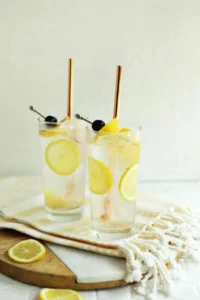
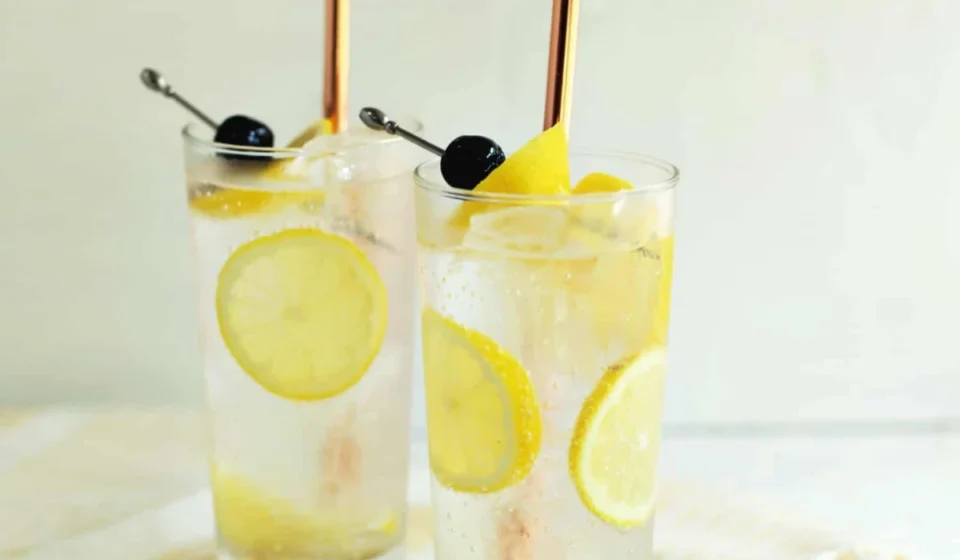
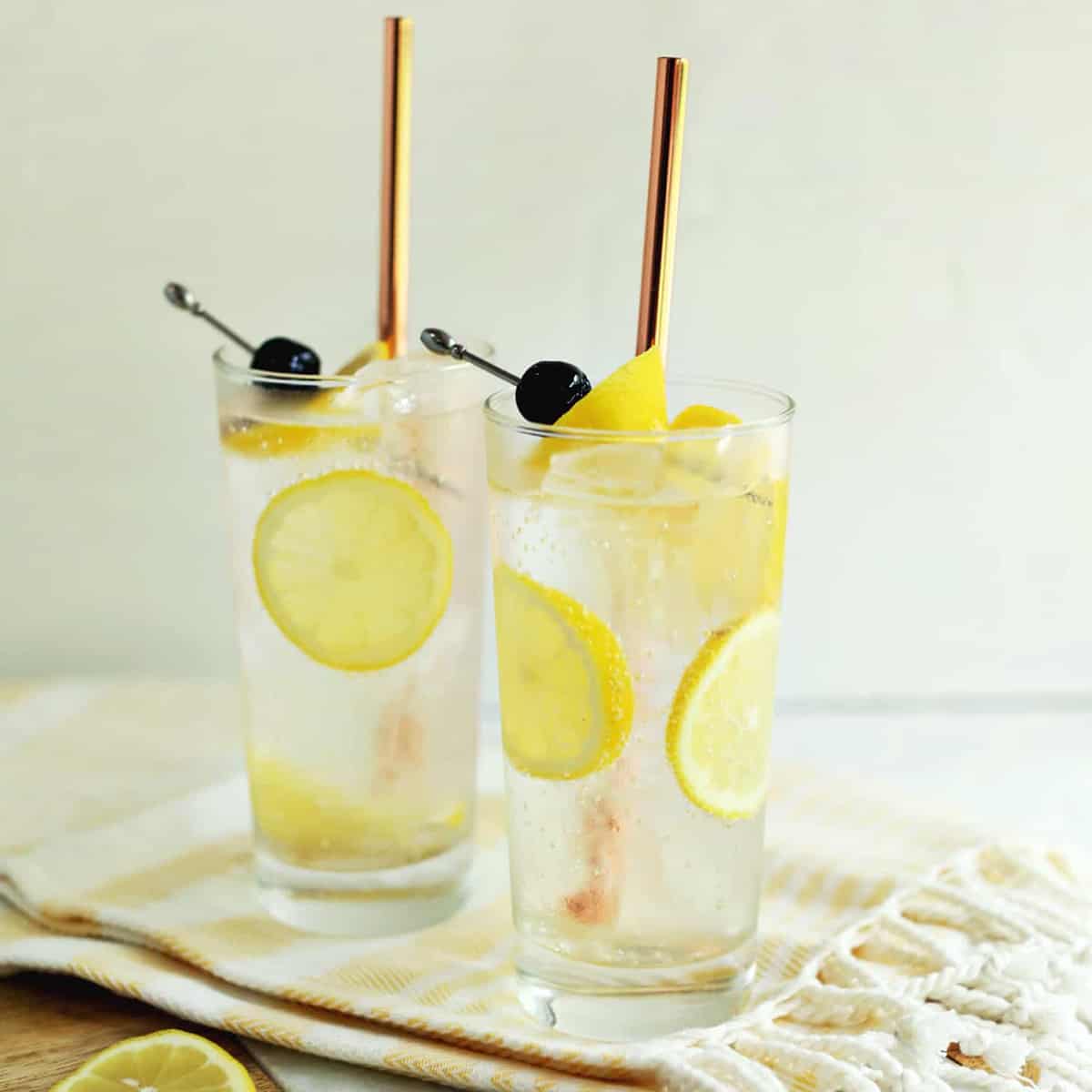
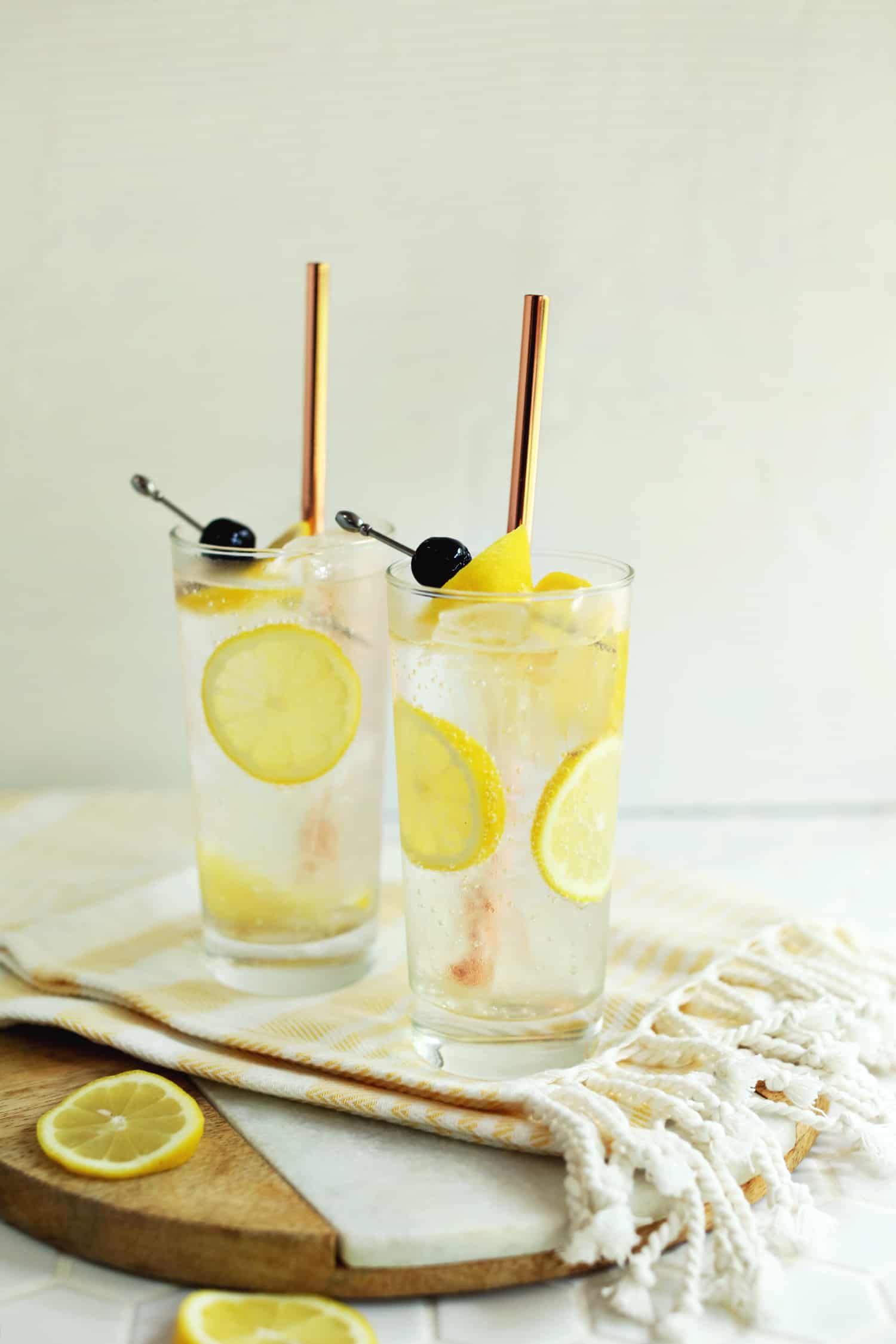
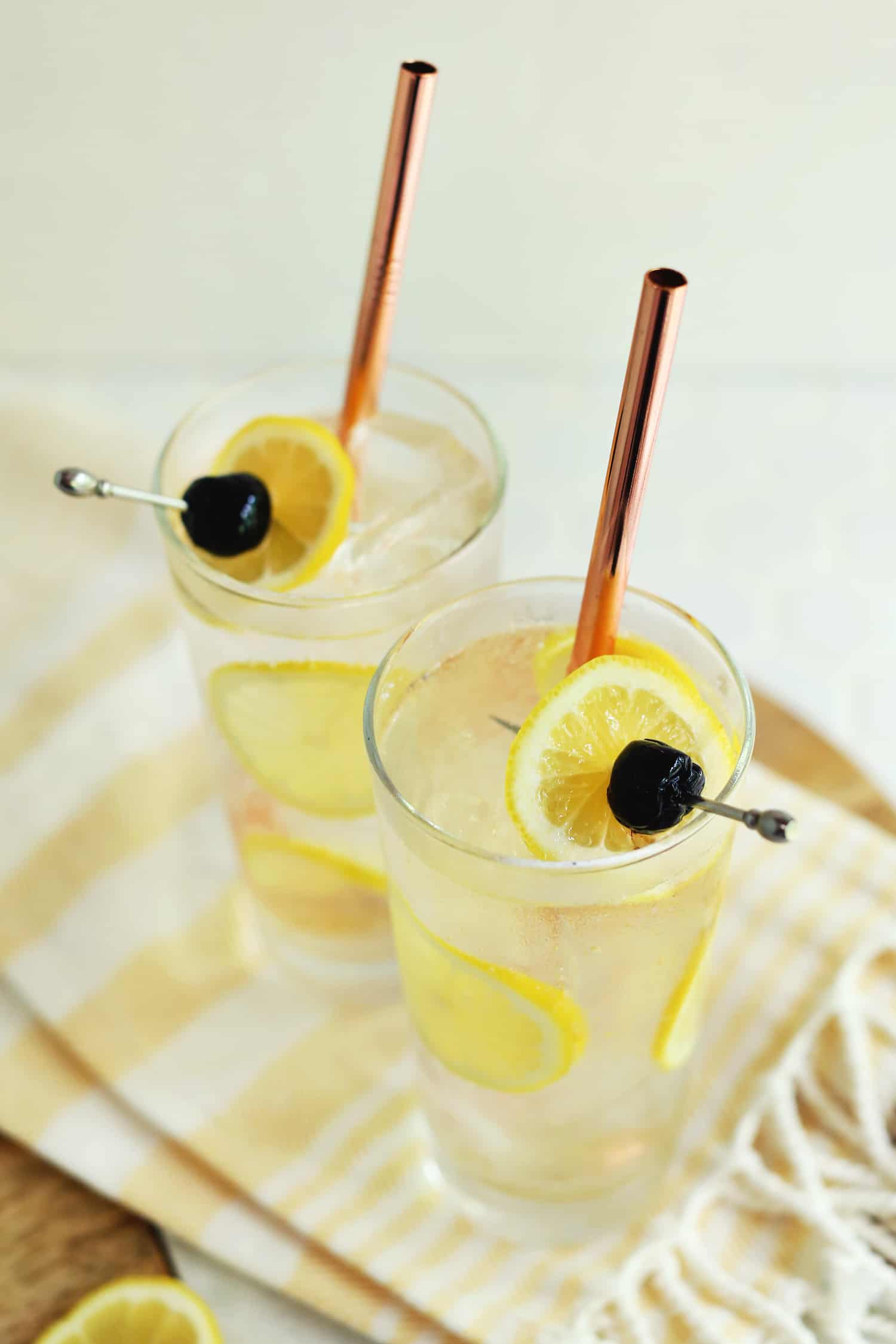
Unlike many modern craft cocktails, the Tom Collins requires no shaker. It is a "build-in-the-glass" drink, traditionally served in a namesake "Collins glass"—a tall, narrow chimney-style vessel that preserves the carbonation and showcases the clarity of the drink. Garnished with a lemon wheel and a maraschino cherry, it is as visually iconic as it is palatable.
A Legacy of Mischief: The Chronology of a Name
The origin story of the Tom Collins is perhaps one of the most colorful in the annals of mixology. It is a tale that begins not in a laboratory, but in the raucous, crowded taverns of 19th-century New York City.
The Great Tom Collins Hoax of 1874
The year was 1874, and New York was gripped by a peculiar form of social engineering known as the "Tom Collins Hoax." The joke was simple yet effective: one person would approach an acquaintance and ask, "Have you seen Tom Collins?" The unsuspecting victim would reply, "Who is Tom Collins?"
The prankster would then claim that this mysterious individual was at a nearby bar, disparaging the listener’s character or spreading salacious rumors. The victim, predictably, would rush to the tavern, demanding to confront this "Tom Collins," only to be met with confusion by a bartender who had no such patron. The joke spread like wildfire, becoming the 19th-century equivalent of a viral social media trend.
The Bartender’s Response
Recognizing the absurdity of the situation, New York bartenders, who were tired of explaining to angry, red-faced patrons that no such man existed, took a pragmatic approach. They decided to give the "mythical" man a physical form. By crafting a drink and naming it the "Tom Collins," they turned a nuisance into a revenue stream. Whenever someone asked for Tom, the bartender could simply slide a glass across the bar and say, "Here he is."
The Documentation of a Classic
The drink’s legitimacy was solidified by the legendary Jerry Thomas, often cited as the "father of American mixology." In his 1882 publication, The New and Improved Bartender’s Manual, Thomas provided the definitive recipe. His inclusion of the drink in this seminal work transitioned it from a localized joke into a permanent fixture of the global cocktail canon.
Supporting Data: Why the Tom Collins Remains Relevant
The enduring popularity of the Tom Collins can be attributed to its balance. In the world of sensory analysis, the Tom Collins hits the "trifecta of drinkability": it is simultaneously sweet, sour, and effervescent.
The Chemistry of the Highball
The carbonation in a Tom Collins is not merely aesthetic. Bubbles act as a delivery mechanism for aromatics; as they rise to the surface, they carry the volatile compounds of the gin (juniper, coriander, angelica root) directly to the olfactory system. This makes the drink appear more fragrant than a flat version of the same ingredients.
Versatility and Adaptation
Modern mixologists have utilized the Tom Collins as a "base template." Because the drink relies on a neutral acid/sugar/fizz ratio, it is highly susceptible to modification.
- The Gin Swap: Substituting Old Tom Gin (a sweeter, maltier variety) provides a more historically accurate, "original" flavor profile.
- The Citrus Twist: While lemon is the standard, lime, grapefruit, or blood orange can be used to create seasonal variants.
- The Effervescence: While club soda is the standard, bartenders increasingly experiment with tonic water, dry champagne, or flavored sodas to alter the texture.
Professional Perspectives: The "No-Shaker" Philosophy
In an era where many cocktails require double-straining, egg-white emulsification, and elaborate garnishes, the Tom Collins stands as a testament to the "less is more" philosophy.
Leading industry experts argue that the Tom Collins is the ultimate test of a bartender’s technique. Because the drink is not shaken—and thus not chilled through rapid agitation—the quality of the ice is paramount. A high-quality, large-format ice cube will melt slower, ensuring that the drink remains cold and properly diluted without becoming watered down.
Furthermore, the "build-in-glass" method requires a delicate touch. Stirring must be precise: enough to integrate the syrup and lemon juice into the gin, but not so vigorous that it destroys the carbonation of the club soda. This balance of restraint and precision is what separates a mediocre highball from a world-class cocktail.
Global Implications and Cultural Impact
The Tom Collins has transcended its American origins to become a global symbol of the "refreshment" category of drinking. It is a drink that functions equally well at a high-end cocktail lounge, a backyard barbecue, or a seaside resort.
The Economic Impact
From an economic standpoint, the Tom Collins is a high-margin item for establishments. It utilizes standard back-bar staples—gin, sugar, and citrus—which have a long shelf life and consistent availability. For the consumer, it represents a "safe" order; it is a drink that rarely disappoints because its flavor profile is universally accessible.
The Modern Craft Revival
With the recent resurgence of gin, the Tom Collins has seen a significant boost in popularity. As small-batch distillers produce gins with unique regional botanicals—such as elderflower, sea buckthorn, or local berries—the Tom Collins has become the preferred vehicle for showcasing these spirits. Unlike a martini, which can overwhelm delicate gin profiles, the dilution of the Tom Collins allows the subtle botanical notes to shine through the effervescence.
Final Considerations: How to Elevate Your Home Build
If you are looking to master the Tom Collins at home, follow these professional guidelines:
- Freshness is King: Never use bottled lemon juice. The essential oils in fresh lemon peels are vital to the aroma of the drink.
- Syrup Control: Start with 0.5 oz of simple syrup. If you prefer a tart drink, you can scale back, but remember that the carbonation will naturally mute some of the sweetness.
- Temperature: Chill your Collins glass in the freezer for ten minutes before building the drink. A frosted glass provides a better tactile experience and keeps the drink cold longer.
- The Final Fizz: Always add the club soda last, pouring it slowly down the side of the glass to maintain the integrity of the bubbles.
In conclusion, the Tom Collins is more than just a "spiked lemonade." It is a piece of living history, a survivor of 19th-century humor, and a perfect example of how the simplest components, when balanced with care, can create something truly timeless. Whether you are a novice home bartender or a seasoned professional, the Tom Collins remains the ultimate benchmark for a refreshing, classic cocktail.