
The Ultimate Guide to Perfect Roasted Pumpkin Seeds: From Autumn Tradition to Culinary Staple

Main Facts: The Anatomy of a Timeless Seasonal Snack
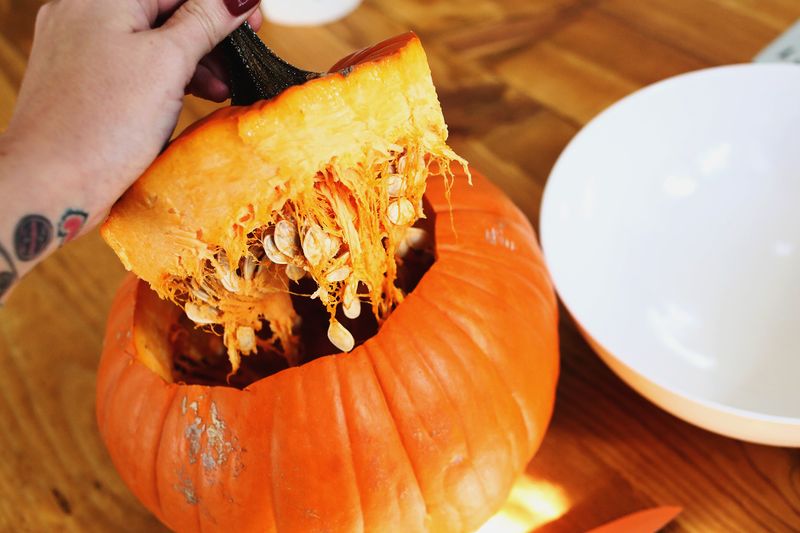
Every autumn, as porches across the country fill with carved jack-o’-lanterns, millions of households throw away a culinary goldmine: the pumpkin seed. While carving pumpkins is a cherished Halloween ritual, the discarded interior pulp holds one of the season’s most versatile, nutritious, and undeniably delicious snacks. Far from being mere waste, roasted pumpkin seeds offer a savory, crunchy payoff that requires minimal effort and rewards the cook with an authentic taste of autumn nostalgia.
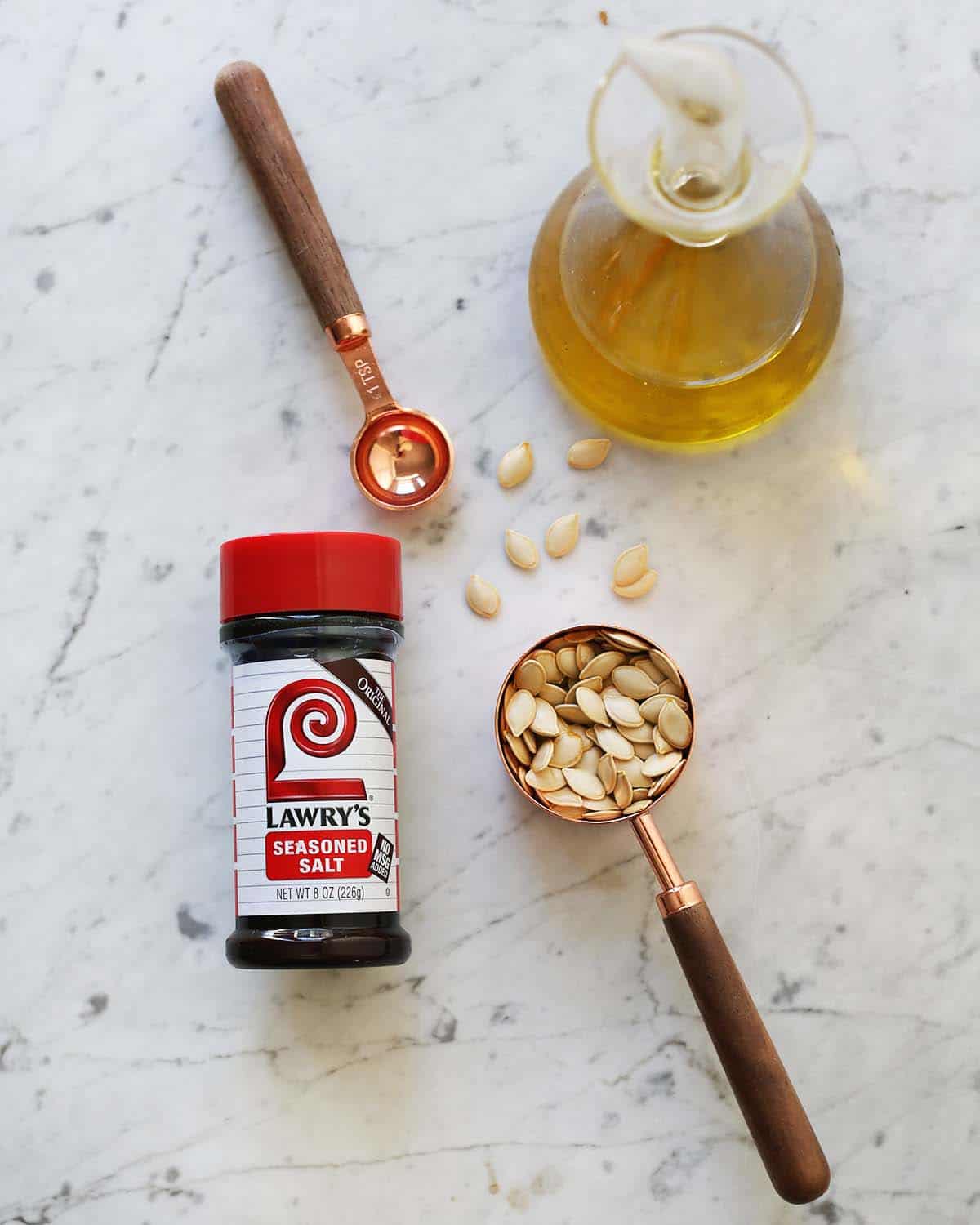
At its core, perfecting roasted pumpkin seeds is not about adhering to a rigid, complex formula. Culinary experts and home cooks alike often treat it as a foundational ratio rather than a strict recipe. The golden standard for preparation relies on a simple yet effective proportion: for every 1/3 cup of cleaned pumpkin seeds, you will need 1 teaspoon of oil (olive oil is a favorite, though any neutral cooking oil works) and 1/2 teaspoon of seasoned salt—with Lawry’s seasoning salt serving as a classic choice.
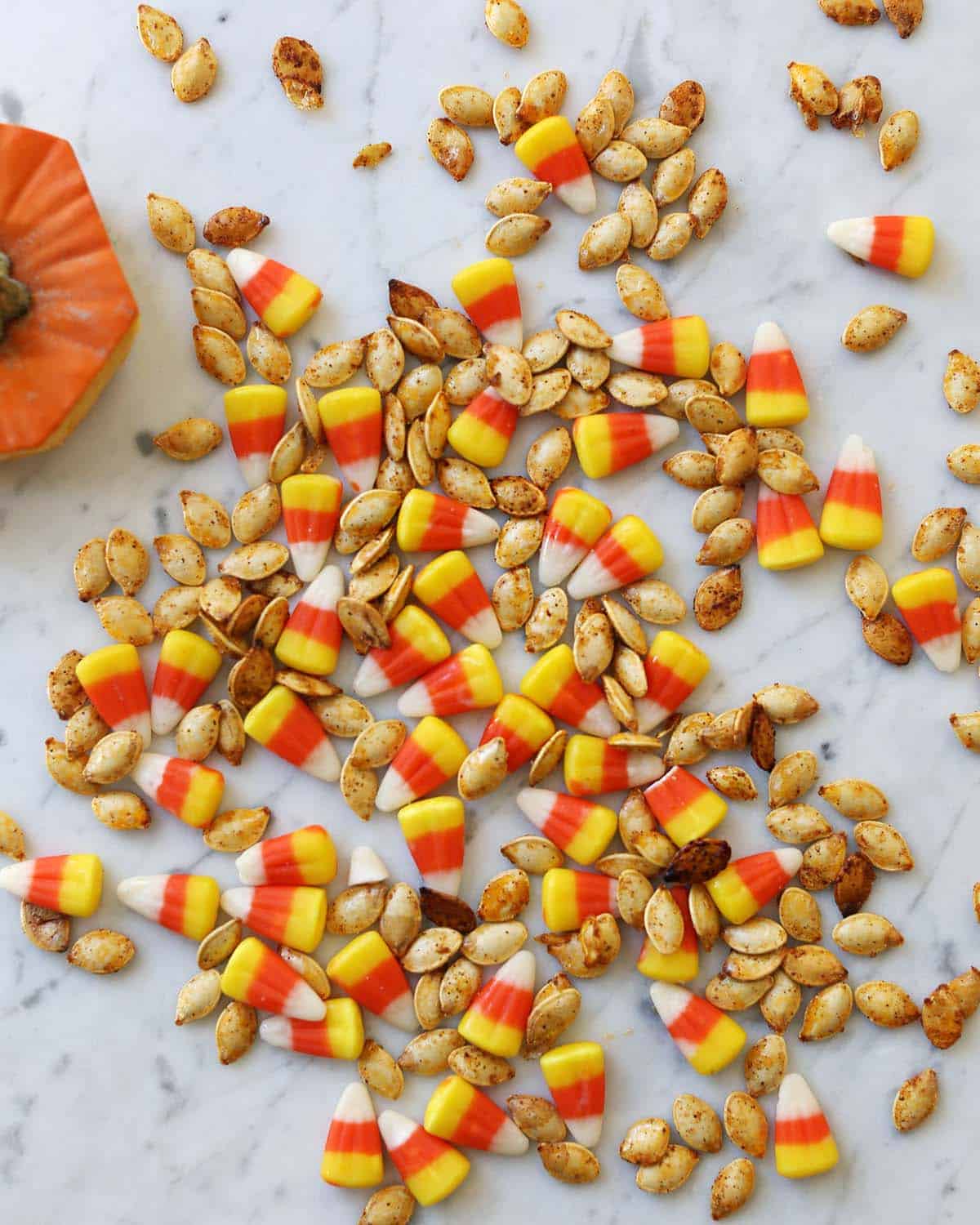
Beyond the basic recipe, the appeal of this autumn tradition lies in its customizability. Whether enjoyed plain with a dusting of sea salt, spiced with cinnamon and sugar, or paired unexpectedly with sweet treats like candy corn for a sweet-and-salty flavor profile, roasted pumpkin seeds remain an enduring symbol of seasonal resourcefulness. Furthermore, the entire shell is entirely edible, making the preparation process even more streamlined for those eager to dive straight into the snack bowl.
Chronology: Tracing the Evolution of Pumpkin Seed Roasting
The history of roasting pumpkin seeds is deeply intertwined with the history of the pumpkin itself, tracking a fascinating journey from indigenous cultivation to modern-day domestic traditions.
Pre-Columbian Origins
Long before European settlers arrived in North America, indigenous peoples across Central and North America cultivated pumpkins and squashes—not just for their flesh, but primarily for their nutrient-dense seeds. Archaeological evidence indicates that pumpkin seeds were a dietary staple, valued for their long shelf life, high protein content, and essential fats. These early populations roasted the seeds over open fires or baked them on hot stones, often seasoning them with native herbs and animal fats.
Colonial Adoption and Domestic Integration
When European settlers encountered pumpkins, they quickly adopted indigenous agricultural practices. Early American cookbooks began featuring rudimentary instructions for utilizing every part of the pumpkin. However, the modern association between pumpkin seed roasting and Halloween festivities began to crystallize in the mid-20th century. As commercial Halloween celebrations expanded into widespread community and family-oriented events, carving jack-o’-lanterns became a ubiquitous household activity.
The Modern Culinary Revival
By the late 20th and early 21st centuries, food blogs and culinary media transformed the humble pumpkin seed from a rustic byproduct into a celebrated autumn delicacy. Home cooks began sharing specialized techniques—such as the water-separation method to easily remove stubborn pulp—and experimenting with global flavor profiles, ranging from spicy chili-lime to maple-pecan glazes. Today, roasting pumpkin seeds is celebrated not only as a nostalgic childhood memory passed down through generations, but also as a prime example of zero-waste kitchen efficiency.
Supporting Data: Nutritional Value and Yield Metrics
Understanding the yield and nutritional profile of pumpkin seeds helps home cooks maximize their harvest during the autumn carving season.
Yield Projections
Every pumpkin is entirely unique, meaning the volume of seeds harvested will vary based on the size, variety, and growing conditions of the gourd. On average:
- A small pie pumpkin yields roughly 1/4 to 1/2 cup of seeds.
- A standard medium-to-large carving pumpkin yields between 1/2 to 1.5 cups of seeds.
- When working with multiple pumpkins from a patch, home cooks can easily scale the foundational ratio (1/3 cup seeds : 1 tsp oil : 1/2 tsp seasoned salt) to accommodate batches of any size.
Nutritional Breakdown (Per 1-Ounce / 28-Gram Serving of Roasted Seeds with Shells)
Pumpkin seeds are frequently touted by nutritionists as a nutritional powerhouse. Data compiled by the USDA highlights their impressive macro- and micronutrient profile:
- Calories: ~150 to 180 kcal
- Protein: 7 to 9 grams, making them a fantastic plant-based protein source.
- Healthy Fats: 13 to 14 grams, primarily heart-healthy monounsaturated and polyunsaturated fats.
- Dietary Fiber: 1.7 to 5 grams (higher when consuming the fibrous outer shell).
- Key Minerals: Exceptional sources of magnesium (providing nearly 40% of the recommended daily intake), zinc, iron, copper, and manganese.
Baking Parameters
Precision is key when transitioning from raw seeds to a finished snack. Optimal results are achieved under strict thermal conditions:
- Baking Temperature: 350°F (175°C).
- Total Cooking Time: Approximately 10 to 15 minutes.
- Intervention: Stirring halfway through (at the 5-to-7-minute mark) is critical to ensure even browning and prevent scorching.
Official Responses and Culinary Expert Insights
To gain a deeper perspective on why this simple preparation method remains a perennial favorite, culinary authorities, food historians, and passionate home cooks weigh in on the art and science of roasting pumpkin seeds.
The Home Cook Perspective: Embracing Simplicity and Memory
For many culinary creators, the act of roasting pumpkin seeds transcends the final product, serving as a powerful sensory anchor to childhood. Food writers and lifestyle experts frequently note that the distinct aroma of separating pumpkin pulp from seeds is a defining marker of the autumn season.
"I’ve made roasted pumpkin seeds every single year since my mom let me help as a kid," shares veteran food blogger and recipe developer Elsie. "Every year, someone asks me to post the recipe, but I’ve always been like, ‘Nah—it’s not really a recipe!’ It is SO simple. But I figured I’ll go ahead and share how I make roasted pumpkin seeds. They are delicious and a fun autumn tradition!"
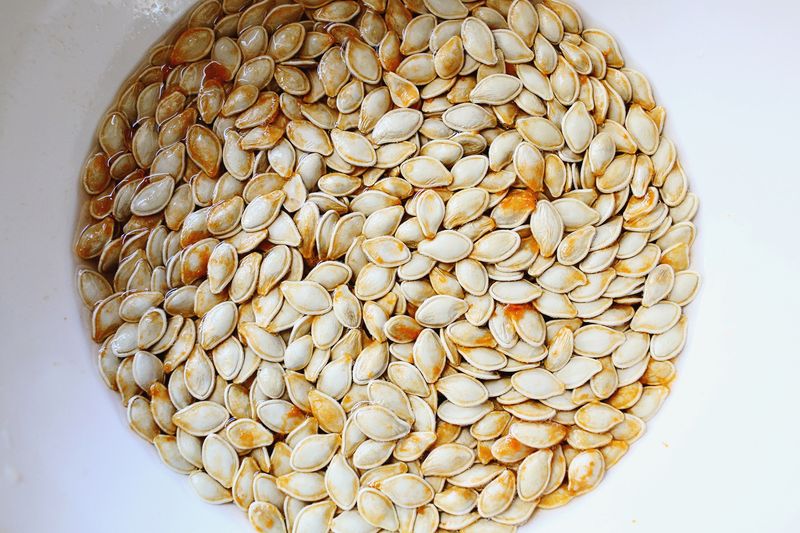
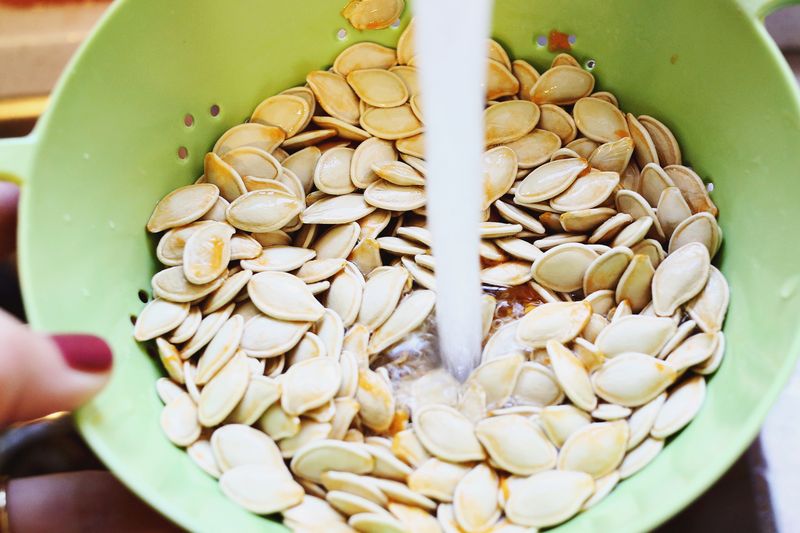
Addressing common kitchen hesitations regarding the pulp, culinary instructors emphasize that absolute perfection is unnecessary. While the water-separation method—where seeds float to the top of a water bowl while heavier pulp sinks—does the heavy lifting, minor remnants of pulp pose no culinary hazard. "If any small bits of pulp remain, I just leave those—they don’t hurt anything!" notes Elsie, reassuring novice cooks that a little residual pulp will simply toast away in the oven.
The Chef’s Perspective: Mastering Technique and Timing
Professional chefs praise pumpkin seeds (pepitas) for their textural versatility, though they offer specific warnings regarding the domestic roasting process. Because pumpkin seeds possess a high oil content and thin structure, their window between perfectly golden and burnt is notoriously narrow.
"Watch them carefully because they burn easily," culinary experts advise. Professional kitchens recommend utilizing a reliable spatula to agitate the seeds at the halfway mark of the baking cycle. Furthermore, while many traditionalists prefer seasoned all-purpose salt like Lawry’s, modern chefs encourage culinary experimentation, suggesting that olive oil and seasoned salt can easily serve as a blank canvas for smoky paprika, garlic powder, or even sweet autumnal spices like cinnamon and nutmeg.
Implications: Sustainability, Cultural Traditions, and Culinary Trends
The enduring popularity of roasting pumpkin seeds carries significant implications across modern sustainability efforts, cultural heritage, and contemporary food trends.
The Zero-Waste Kitchen Movement
In an era where global food waste is a pressing environmental and economic concern, the humble pumpkin seed serves as a powerful micro-example of sustainable cooking. Millions of pumpkins are purchased annually for decorative and carving purposes, historically resulting in tons of organic material being sent to landfills. By popularizing accessible, foolproof methods for cleaning and roasting the seeds, the culinary community actively promotes the "root-to-stem" and "whole-vegetable" cooking ethos. Home cooks are encouraged to view carved pumpkins not as single-use holiday decor, but as dual-purpose seasonal resources that provide both festive art and nutritious sustenance.
Preservation of Cultural and Family Rituals
Food is one of humanity’s most powerful vehicles for memory-keeping and generational bonding. In an increasingly digital world, hands-on kitchen activities like pumpkin carving and seed roasting provide a tangible, offline ritual that bridges generational divides. Parents passing down the technique of separating seeds in a water bowl to their children ensure that traditional domestic arts continue to thrive. These shared sensory experiences—the smell of fresh pumpkin pulp, the tactile warmth of the kitchen, and the shared enjoyment of a batch of warm, salty seeds—cement family bonds and create lasting cultural touchstones associated with the harvest season.
Modern Flavor Innovation and Dietary Shifts
As dietary preferences shift heavily toward plant-based eating, gluten-free snacking, and nutrient-dense whole foods, the roasted pumpkin seed has experienced a massive commercial and domestic renaissance. Once relegated exclusively to a sticky, DIY October project, pumpkin seeds are now recognized globally as a superfood.
This shift has influenced how home cooks approach the basic recipe. While traditionalists stick to oil and seasoned salt—or indulge in nostalgic pairings like mixing warm, salty seeds with sweet candy corn for a balanced flavor profile—modern food enthusiasts are incorporating roasted seeds into artisan salads, homemade granola bars, and gourmet bread crusts. Ultimately, the simple act of roasting pumpkin seeds bridges the gap between ancient survival traditions and modern gourmet creativity, proving that the best culinary traditions are often the ones closest to home.