
The scent of zagara—the delicate, intoxicating blossom of the citrus tree—has served as the olfactory signature of Sicily for centuries. To walk through the island’s historic coastal villas or the ancient groves surrounding Palermo in the spring is to be enveloped in a fragrance that is simultaneously sweet, floral, and deeply evocative. It is a scent that has enchanted poets, travelers, and locals alike, weaving itself into the very fabric of Sicilian identity. Yet, this sensory heritage is under siege. As the iconic citrus groves of the "Golden Basin" (the Conca d’Oro) succumb to the pressures of urban sprawl, organized crime, and global economic shifts, the pervasive perfume of the orange blossom is becoming a phantom memory.
Main Facts: A Botanical and Cultural Icon
Zagara is not merely a blossom; it is the emblem of Sicily’s agricultural soul. Originating from the Arabic word zahr, the term refers to the small, radiant white flowers that bloom on orange, lemon, mandarin, and kumquat trees. These flowers represent more than just the precursor to a harvest; they are deeply embedded in the island’s cultural consciousness.
Traditionally, the arrival of zagara signaled the rebirth of spring. Beyond its aesthetic beauty, the flower carries heavy symbolic weight: in Sicilian tradition, it is the quintessential wedding flower, signifying fertility, abundance, and the sanctity of a lasting union. The fragrance is so potent that it historically acted as a geographic marker, with travelers like the French author Guy de Maupassant writing in 1885 that the scent of the citrus groves would greet visitors from the shore long before they reached the port of Palermo.
However, the reality of the groves is far more complex than the romantic imagery suggests. While the scent represents a "profound sense of belonging" for the Sicilian people, the cultivation of these trees has been a history of labor, exploitation, and, ultimately, decline.
A Chronology of the Conca d’Oro
The transformation of the Sicilian landscape is a narrative spanning over a millennium.
- 850 AD: The arrival of Arab settlers introduced bitter oranges to the island, fundamentally changing the landscape and the local diet.
- 19th Century: Sicily reached its peak as a citrus-producing powerhouse. The Conca d’Oro, a fertile plain surrounding Palermo, became the global epicenter of orange and lemon production. The crop was a pillar of the regional economy, and the landscape was a continuous expanse of lush, scented orchards.
- 1950s–1970s: The "Sack of Palermo." Following the devastation of World War II, a rapid, state-sanctioned, and Mafia-driven construction boom began. Developers, backed by organized crime, systematically paved over the Conca d’Oro to build dense, concrete apartment blocks.
- 1980s–1990s: The introduction of European Union agricultural subsidies created a perverse incentive system where farmers were paid to leave their groves fallow, leading to widespread abandonment and the neglect of historic orchards.
- Present Day: Citrus production has shifted toward more industrial, uniform cultivars near Mt. Etna and in the provinces of Catania and Siracusa, while the original, fragrant groves of the north are increasingly rare.
Supporting Data: The Anatomy of a Decline
The decline of the Sicilian citrus industry is a multifaceted crisis. According to botanical experts at the University of Palermo, the current agricultural environment is far from the idyllic orchards of the 1800s.

Modern citrus farming in Sicily faces an existential threat from international competition. Countries such as Egypt and Spain benefit from significantly lower labor costs, making the "heroic agriculture" of Sicily—where rugged, hilly terrain often precludes mechanical harvesting—economically unsustainable. Furthermore, climate change is rendering traditional citrus varieties more susceptible to disease and heat stress.
As a result, many farmers are pivoting toward more profitable, drought-resistant crops like avocados and mangoes. This shift is not merely a change in produce; it is a fundamental alteration of the island’s botanical profile. The biodiversity of historic citrus specimens is being replaced by monocultures designed for yield rather than tradition, further diluting the intensity of the zagara scent that once permeated the entire region.
Official Responses and Expert Perspectives
The loss of these landscapes has not gone unnoticed by the academic and preservationist communities. Rosario Schicchi, director of the Palermo Botanical Garden, emphasizes the irreplaceable nature of the zagara. "Zagara possesses an extraordinary sensory and evocative power," Schicchi notes. "It travels far beyond the boundaries of gardens and citrus groves, reaching even those with no direct connection to cultivation."
However, scholars like Gianniantonio Domina, a professor of applied botany at the University of Palermo, provide a sobering counter-narrative. Domina argues that the romanticization of the groves often obscures the harsh realities of the past, where agricultural laborers were frequently paid in fruit rather than wages.
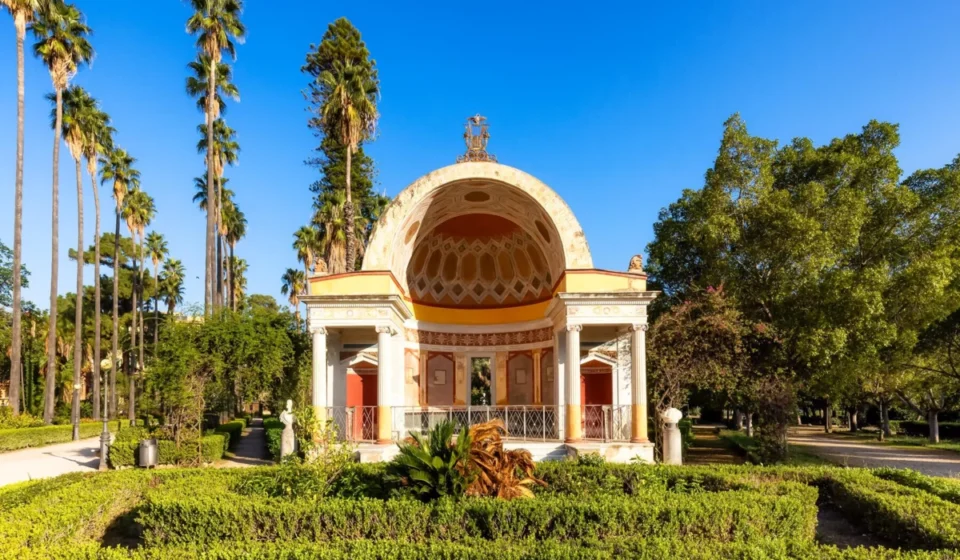
"It’s probably more important as tradition than in reality," Domina remarks regarding the preservation of the groves. He acknowledges that while the aesthetic and historical value of the trees is immense, the economic reality of the 21st century makes large-scale restoration difficult. He advocates for a targeted approach: protecting the remaining specimens in botanical gardens and designated public spaces like the Parco della Favorita, rather than attempting to artificially recreate an agricultural system that has been dismantled by decades of urban expansion and criminal interference.
Implications: The Legacy of the "Sack of Palermo"
The destruction of the Conca d’Oro remains one of the most significant environmental and cultural crimes in Italian history. The "Sack of Palermo" did not just destroy trees; it severed the connection between the urban population and the land. By replacing vibrant, oxygen-producing, and aromatic groves with shoddily constructed concrete housing, the city lost its "green lungs" and its unique olfactory identity.

The implications for the future are twofold. First, there is the risk of cultural amnesia. As the physical presence of the groves wanes, the connection to the history and language of the island—where zagara is a recurring metaphor in literature and song—begins to fray. Second, the environmental impact of losing these groves contributes to the "heat island" effect in cities like Palermo, as the cooling, moisture-retaining canopy of the citrus trees is replaced by heat-absorbing asphalt and concrete.
Conclusion: Breathing in the Last of the Scent
While the scent of zagara is no longer the constant companion it once was, it has not vanished entirely. For those who seek it, the fragrance persists in the gated villas of Mondello and the protected specimens of the Palermo Botanical Garden.
However, the experience of the scent today is a fragmented one. The perfumes and soaps sold in airport gift shops attempt to capture the essence, yet they lack the complexity of the living tree. To truly understand what has been lost, one must stand in the quiet corners of the island during a May evening, where the sea breeze catches the blossoms of the few remaining trees.
The story of the zagara is a mirror for Sicily itself: a land of profound beauty and resilience, struggling to reconcile its storied, romantic past with the hard, often unforgiving realities of the modern world. Whether this sensory heritage can be preserved for future generations remains an open question—one that rests on the delicate balance between nostalgic preservation and economic necessity. For now, the scent of the orange blossom serves as a poignant reminder of a "Golden Basin" that once was, and a fragile beauty that requires conscious effort to protect.