Yeti Expands Its Rugged Storage Ecosystem: A Comprehensive Look at the New Loadout GoBox 8, 10, and 20

While the name Yeti has long been synonymous with high-end, adventure-ready coolers designed to keep ice frozen in the most unforgiving environments, the brand has steadily carved out a powerful reputation in the gear-transport sector. Known for over-engineering products to survive the elements, Yeti is expanding its popular Loadout GoBox line with three new hard-shell storage cases: the GoBox 8, GoBox 10, and GoBox 20.
Tailored specifically with photographers, videographers, drone pilots, and outdoor enthusiasts in mind, these new additions bridge the gap between heavy-duty industrial protection and portable, modular organization. Designed to safeguard delicate electronics and expensive camera kits against dust, water, and brutal impacts, the expansion signals Yeti’s deeper commitment to the creative and professional gear-transport market.
Main Facts: What You Need to Know About the New GoBoxes
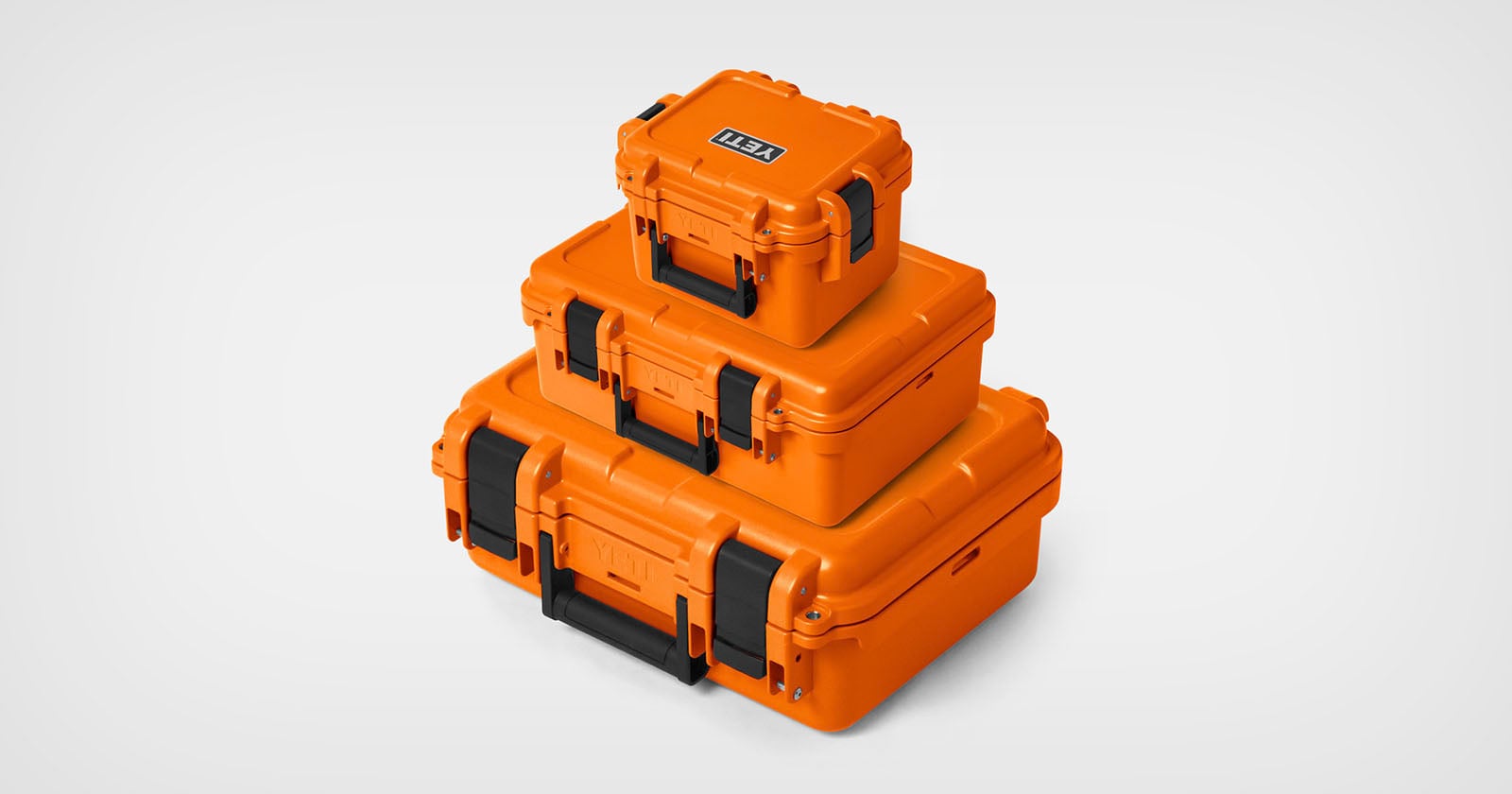
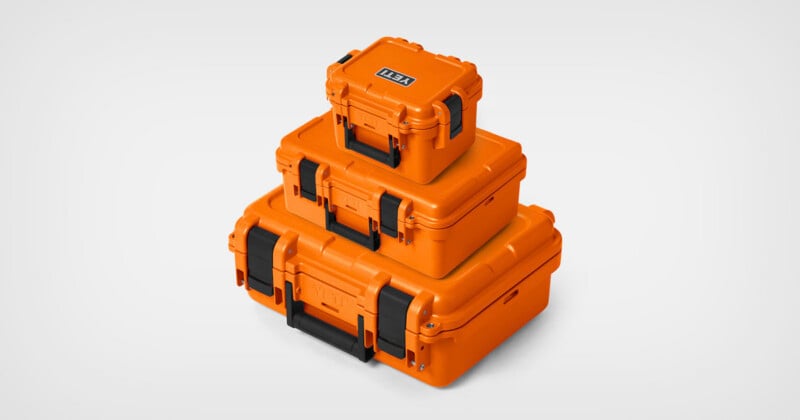
The introduction of the Loadout GoBox 8, 10, and 20 brings Yeti’s lineup of hard cases to seven distinct sizes, fitting snugly alongside the existing GoBox 1, 15, 30, and 60 models. The core philosophy behind the new trio is offering heavy-duty protection in streamlined, highly portable form factors.
- Yeti Loadout GoBox 8: Designed primarily as an ultra-portable vault for minimalist kits. Yeti positions this model as the ideal container for a compact mirrorless or DSLR camera paired with a short prime or zoom lens, or alternatively, a collection of small electronics, action cameras, audio recorders, and charging accessories. It offers 8.65 liters of internal capacity and weighs 4.2 pounds empty.
- Yeti Loadout GoBox 10: Stepping up slightly in volume, the GoBox 10 adopts a slim, briefcase-style profile. It is engineered to swallow slightly more ambitious setups—think a full-frame mirrorless or DSLR body accompanied by a couple of smaller lenses, filters, and cleaning kits. It features 10.11 liters of capacity and tips the scales at 4.7 pounds empty.
- Yeti Loadout GoBox 20: Rounding out the new trio, the GoBox 20 acts as a deeper, high-capacity briefcase. This model is tailored for professionals carrying larger, bulkier hardware, such as a pro-body camera attached to a substantial telephoto or zoom lens, alongside essential peripherals. It boasts 21.37 liters of internal capacity and weighs 6.8 pounds empty.
Beyond their physical dimensions, these cases inherit the rugged DNA that made the larger GoBoxes famous. All three models feature robust, dustproof, and waterproof constructions backed by official IP65 and IP67 ratings. This means they are completely protected against fine particulates like dust and sand, and capable of withstanding full submersion in up to one meter of water for up to 30 minutes. Additional structural features include non-slip rubber feet to keep the cases anchored in a moving vehicle or boat, integrated tie-down slots for secure transport, reinforced locking ports for security, and heavy-duty lockdown latches designed to prevent accidental opening.
Chronology: The Evolution of Yeti’s Gear-Transport Strategy
To understand the significance of the GoBox 8, 10, and 20, it is helpful to look back at how Yeti transformed from a pure cooler manufacturer into a diversified outdoor lifestyle and utility giant.
The Cooler Era and Early Diversification
For years, Yeti’s dominance was built on rotomolded coolers like the Tundra series. These coolers were adopted not just by fishermen and campers, but by construction workers, photographers, and remote field researchers who needed indestructible gear containers. Recognizing that many consumers were repurposing coolers strictly to transport dry gear, cameras, and survival equipment, Yeti recognized a gaping hole in its product ecosystem.
The Launch of the Original GoBoxes
Yeti officially entered the modular hard-case market with the introduction of larger storage units like the GoBox 30 and 60. These crates were designed to act as mobile gear lockers—ideal for truck beds, base camps, and overlanding rigs. However, while effective for massive payloads, these boxes were far too large for day-to-day creative work, where photographers and mobile content creators needed something agile enough to sling over a shoulder or pack into a smaller vehicle.
Filling the Mid-Size Gap
Over the subsequent years, Yeti expanded the family incrementally, introducing intermediate sizes to address specific user grievances. The introduction of the GoBox 8, 10, and 20 represents the most refined phase of this evolution yet. Rather than focusing solely on trunk storage, these three cases directly target the personal carry market, offering briefcase-style footprints that compete directly with traditional soft camera bags, tactical backpacks, and standard hard-plastic utility cases.
Supporting Data: Specifications, Customization, and Pricing
A storage case is only as good as its interior organization. Recognizing that raw plastic shells can cause gear to rattle and sustain impact damage, Yeti has paired the new GoBoxes with advanced internal organization accessories: the Loadout Gear Cubes and the Loadout KOR Protective Inserts.
Modular Interior Solutions
- Loadout Gear Cubes: These soft-shell accessories feature zippered compartments designed to slide neatly inside the GoBoxes, helping users segment smaller items like cables, batteries, and memory cards.
- Loadout KOR Protective Inserts: Perhaps the most innovative aspect of the new release, these inserts utilize advanced vacuum-form technology. Users can place their equipment inside the insert and use an included manual pump to evacuate the air, causing the material to mold securely and infinitely reconfigure around the exact contours of the gear. As a user’s equipment kit changes, the KOR insert can be reset and reshaped, providing a bespoke, snug fit that rivals custom-cut foam without the permanence of cutting Pelican-style pick-and-pluck foam.
Comprehensive Specifications Breakdown
| Model | Internal Capacity | Empty Weight | IP Rating | Case Price | KOR Insert Price |
|---|---|---|---|---|---|
| Loadout GoBox 8 | 8.65 Liters | 4.2 lbs | IP65 / IP67 | $100 | $100 |
| Loadout GoBox 10 | 10.11 Liters | 4.7 lbs | IP65 / IP67 | $115 | $115 |
| Loadout GoBox 20 | 21.37 Liters | 6.8 lbs | IP65 / IP67 | $150 | $125 |
Colorways and Availability
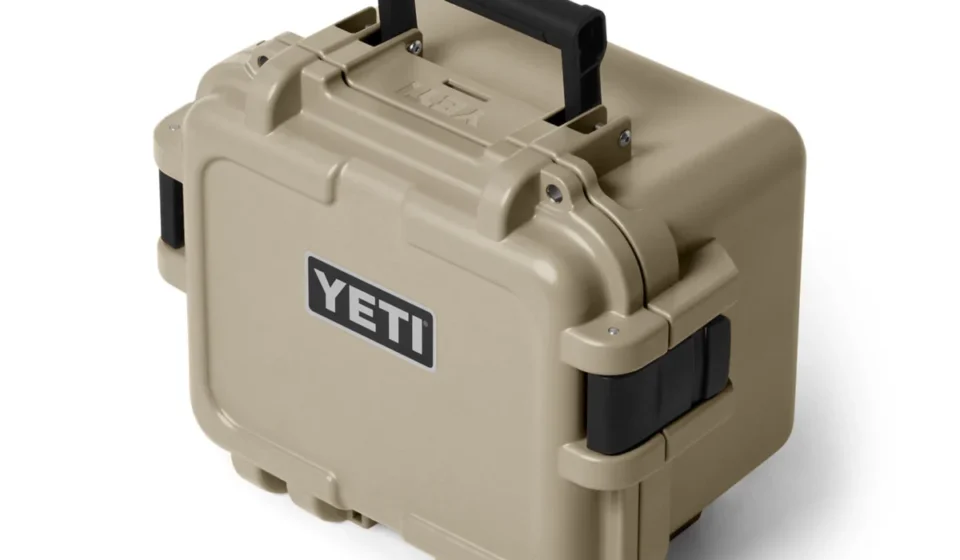
At launch, all three models are available in Yeti’s striking, high-visibility signature colors: Black and Alpine Orange. Additionally, a classic Tan colorway is listed on Yeti’s official retail channels, catering to outdoor professionals and military/tactical users who prefer a more muted aesthetic.
Official Responses and Market Positioning
While Yeti has built its brand on rugged durability, expanding deeper into the specialized photography and electronics protection market puts them in direct competition with established industry titans like Pelican and Nanuk.
Industry analysts and early preview units from outdoor and photography outlets point out that while Pelican cases have historically dominated the industrial and heavy-duty film set markets with their rugged polymer walls and classic foam inserts, Yeti is angling for a different kind of consumer. The lifestyle appeal of Yeti—combined with lifestyle-friendly colors like Alpine Orange and Tan, non-slip rubberized detailing, and the high-tech vacuum-formed KOR inserts—appeals strongly to modern content creators, overlanders, and adventure photographers who want gear that performs in extreme conditions without looking like it was pulled straight out of a military surplus depot.
Representatives for Yeti have emphasized that the Loadout line was conceived to withstand the rigors of real-world abuse—surviving accidental drops from truck tailgates, torrential downpours, and dusty desert winds—while giving users unprecedented flexibility to reconfigure their internal layouts on the fly.
Implications: What This Means for Photographers and Gear Enthusiasts
The introduction of the Yeti Loadout GoBox 8, 10, and 20 marks a notable shift in how outdoor creators protect their gear.
1. Increased Competition in the Hard-Case Sector
For decades, photographers looking for indestructible transport options looked almost exclusively to brands like Pelican, SKB, and Nanuk. Yeti’s entry into the compact hard-case category injects fresh design thinking into a relatively stagnant market. The introduction of the inflatable, infinitely reconfigurable KOR insert, in particular, offers a compelling alternative to traditional pluck foam, which degrades over time, or custom-cut foam, which requires a financial investment every time a camera body or lens is upgraded.
2. The Rise of Hybrid Lifestyle-Utility Gear
Yeti has masterfully blurred the lines between industrial utility and lifestyle aesthetic. For content creators shooting in extreme environments—such as marine photography, mountain climbing expeditions, or dusty off-road rallies—having a case that offers IP67-rated waterproof protection while maintaining a sleek, modern profile is a major selling point. It eliminates the need to choose between rugged protection and visual appeal.
3. Investment Considerations for Creators
Prospective buyers must weigh the total cost of ownership. Because the Kor Protective Inserts are sold separately from the hard shell, outfitting a complete GoBox setup requires purchasing both components. For instance, outfitting a GoBox 20 with its corresponding KOR insert totals $275 before taxes. While this positions Yeti at the premium end of the portable storage market, the brand’s loyal consumer base and reputation for lifetime durability suggest that many professionals will view it as a worthwhile long-term investment for expensive optical equipment.
Ultimately, the Yeti Loadout GoBox 8, 10, and 20 prove that Yeti is no longer just a cooler company. By addressing the specific needs of modern photographers and mobile creators with weather-sealed, modular, and thoughtfully engineered hard cases, Yeti has cemented its place as a formidable player in the high-end adventure gear ecosystem.
Related posts: