Engineering Masterpiece in Plastic: Lego Unveils Its Most Ambitious Set Yet—The Sagrada Família

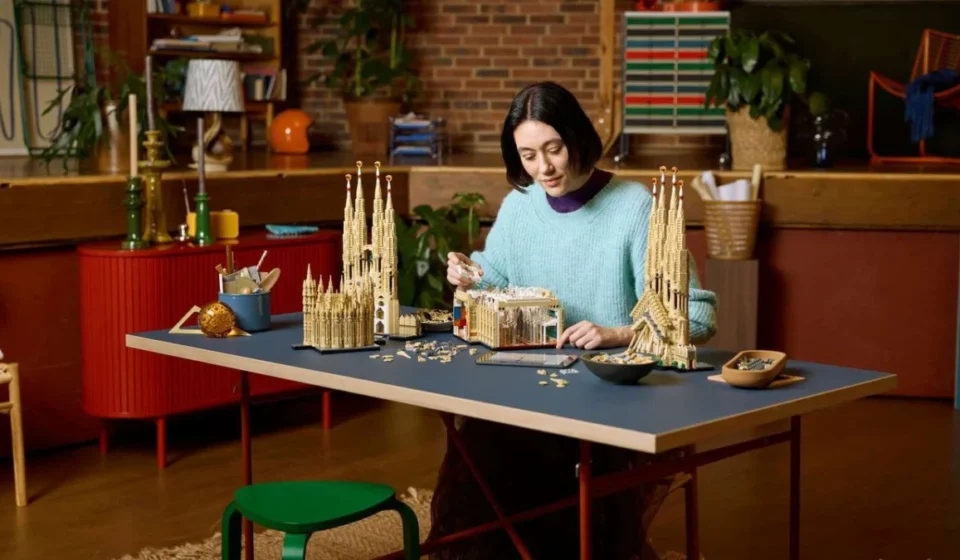
In a move that has sent shockwaves through the adult fan of Lego (AFOL) community and the world of architectural enthusiasts, Lego has officially announced its most ambitious project to date: a 12,060-piece recreation of Antoni Gaudí’s magnum opus, the La Sagrada Família. This staggering set shatters previous records for piece counts, cementing its place as the definitive "holy grail" for builders worldwide.
Available for pre-order now at a premium price point of $799.99 / £649.99, the set is slated to begin shipping this November. It offers more than just a model; it offers a meditative, multi-stage journey through one of the most complex architectural timelines in human history.
The Architecture of History: A Chronological Build
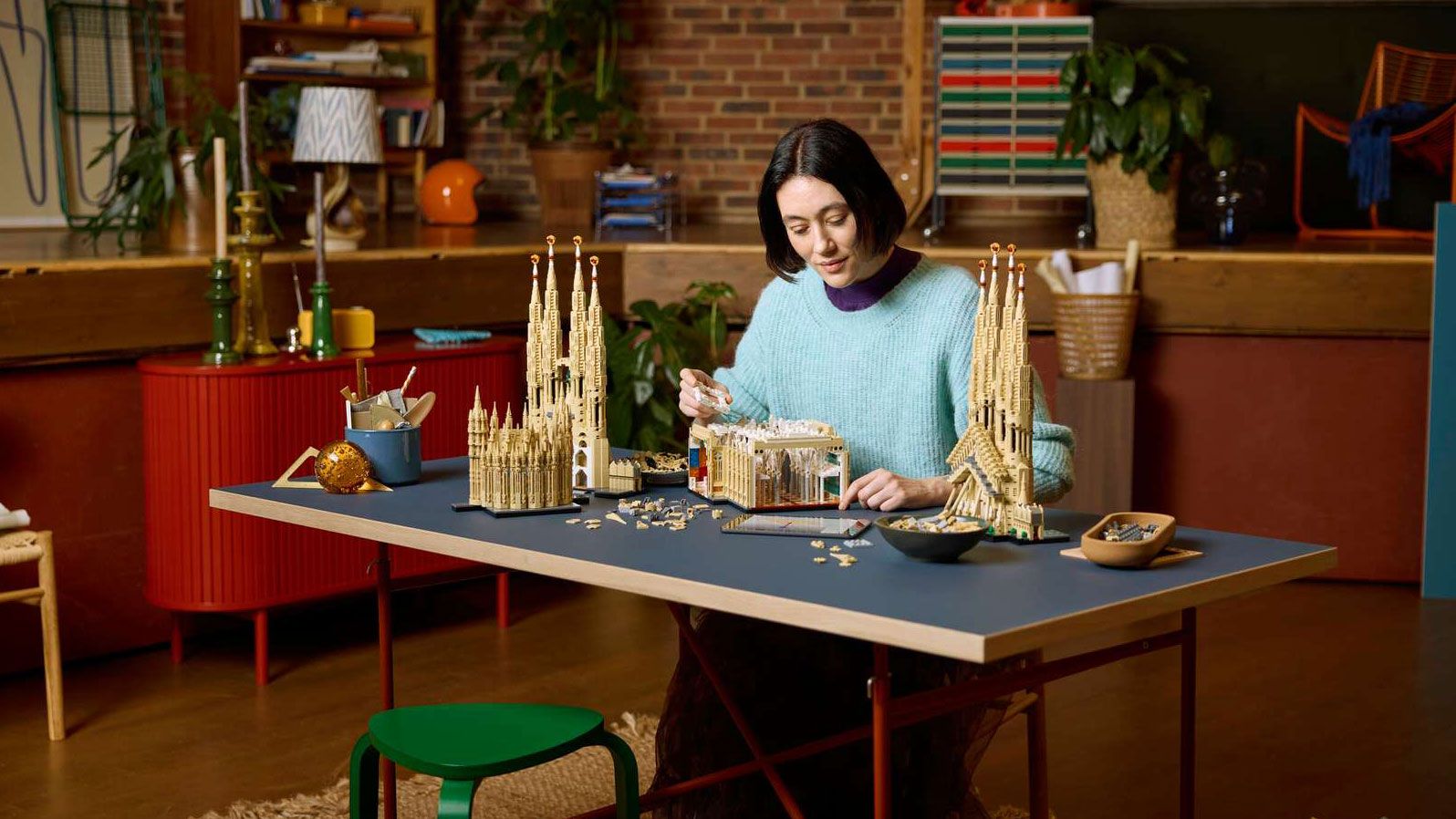
Unlike standard Lego sets, which often rely on modular bags that dictate a quick assembly, the Sagrada Família set is designed to mimic the actual historical construction process of the basilica itself. This pedagogical approach allows builders to inhabit the role of the architect, tracing the evolution of Gaudí’s vision from its 19th-century inception to its ongoing modern-day completion.
Phase One: The Foundations and the Nativity
The build experience begins, as history did, with the Apse and the Crypt. Builders are then guided to assemble the Nativity façade. This holds significant historical weight, as it is the only section of the cathedral that Antoni Gaudí saw completed in his lifetime before his untimely death in 1926. The level of detail here—reproducing the intricate organic carvings and neo-Gothic influences—is unprecedented for the medium.
Phase Two: The Naves and the Western Sacristy
As the build progresses, the structural complexity intensifies. Builders move into the naves, capturing the forest-like columns that define the interior of the basilica. The inclusion of the Western Sacristy marks the transition from Gaudí’s original vision to the continued construction efforts by successive generations of architects who have worked to honor the master’s sketches.
Phase Three: The Glory and the Towers
The final stage of this colossal build involves the assembly of the six iconic towers and the Eastern Sacristy, culminating in the Glory façade. By the time the final brick is placed, the model stands as a testament to the endurance of human creativity. The process is not merely about stacking plastic; it is a structural study in geometry, load-bearing aesthetics, and the evolution of a design language that defied the architectural conventions of its time.
Supporting Data: Why This Set Matters
For Lego, this release is a bold statement of intent. At 12,060 pieces, it surpasses the previous record-holders—the World Map and the Eiffel Tower—by a significant margin. But the value proposition extends beyond the sheer number of bricks.
- Engineering Feats: The set utilizes advanced SNOT (Studs Not On Top) techniques to achieve the rounded, organic shapes characteristic of Gaudí’s "Modernisme" style.
- The Light Play: One of the most striking features of the real Sagrada Família is the interplay of light through its stained glass. Lego has incorporated specialized translucent elements that mimic this effect, ensuring that the model remains a visual focal point in any room when hit by direct sunlight.
- Dimensions and Display: Once completed, the model commands a significant footprint, requiring a dedicated display space that matches its stature. It is, by all accounts, a "statement piece" intended for the serious collector.
Architectural Implications and Cultural Context
The Sagrada Família is more than a building; it is a symbol of Barcelona, a UNESCO World Heritage site, and an ongoing project of faith and architecture. By choosing to replicate this specific structure, Lego is bridging the gap between toy manufacturer and curator of historical art.
Architects have long used Lego as a tool for rapid prototyping, but this set brings that professional application to the public sphere. It forces the builder to grapple with the same spatial challenges that Gaudí’s successors face: how to maintain structural integrity while honoring a design that was never fully mapped out in blueprints.
"The set invites you to understand the logic of the building," says a spokesperson for the project design team. "You start to realize why certain sections were built in specific orders. You aren’t just building a replica; you are learning the syntax of the architecture."
Official Responses and Market Impact
Industry analysts suggest that the $799.99 price tag will do little to dampen demand. The market for "adult-oriented" Lego sets has grown exponentially over the last five years, with Lego shifting its marketing strategy to focus on home décor, stress relief, and the "mindful building" movement.
"This is a product for the person who values the intersection of art history and engineering," says retail analyst Marcus Thorne. "While the price is high, the cost-per-piece ratio is actually quite competitive when compared to smaller, less complex sets. Lego is essentially selling a multi-week experience."
The timing of the release—shipping in November—is clearly calculated to capitalize on the holiday gift-giving season. However, for many, this set will not be a gift for someone else; it will be a personal purchase, a winter project designed to fill the long, cold evenings with the rhythmic, meditative click of plastic bricks.
A New Benchmark for Plastic Construction
As the lines between construction toys and high-end collectibles continue to blur, the Sagrada Família set stands as a new benchmark. It challenges the consumer’s patience, spatial awareness, and appreciation for design.
For those who find the intensity of such a massive build daunting, the market still offers plenty of alternatives—from smaller, simpler architectural landmarks to the ever-popular "fidget" toys that provide a lighter touch for those who simply need to keep their hands busy. But for the true aficionado, there is only one choice this year.
The Sagrada Família set is a reminder that beauty is in the detail. Whether you are a fan of Gaudí, a lover of architecture, or simply someone who finds peace in the order of a well-designed instruction manual, this set represents the pinnacle of what Lego can achieve.
As we look toward the holiday season, the question remains: are you prepared to dedicate the time and space required to build one of history’s greatest architectural wonders in your own living room? The bricks are ready; the history is set; the rest is up to you.
Reflections on the Build
While the assembly of 12,060 pieces is a feat of endurance, the rewards are clear. The stained-glass effects, the intricate façade detailing, and the sheer scale of the completed basilica offer a sense of accomplishment rarely found in consumer goods. It is a tribute to the "unfinished" nature of the real cathedral—a reminder that some of the most beautiful things in life are those that we continue to build, piece by piece, over a lifetime.
Editor’s Note: As of the time of publication, pre-orders are limited to one per customer to ensure equitable distribution to the fan community. Interested parties are encouraged to visit the official Lego website to secure their set before the initial production run is exhausted.