The Art of Domestic Harmony: Mastering Living Room Toy Storage Without Sacrificing Style

For many modern parents, the arrival of children brings an unexpected, chaotic roommate: a deluge of plastic, noise-making, and space-consuming toys. While the desire to foster a child’s development through play is universal, the physical reality of a living room overtaken by puzzles, plushies, and building blocks can create significant domestic stress. Balancing the need for a functional play area with the desire to maintain a sophisticated, adult-centric living space is a common challenge—but it is far from an impossible one.
Main Facts: The Challenge of Shared Living Spaces
The core tension in most family homes is the lack of a dedicated playroom. Without a specialized room to corral the clutter, the living room inevitably becomes the primary site of both relaxation and recreation. This transition often happens incrementally; it begins with a single play mat and a swing, but quickly escalates into a full-scale invasion of ride-on toys, ball pits, and high-decibel electronic games.

The "storage struggle" is defined by two major pain points:
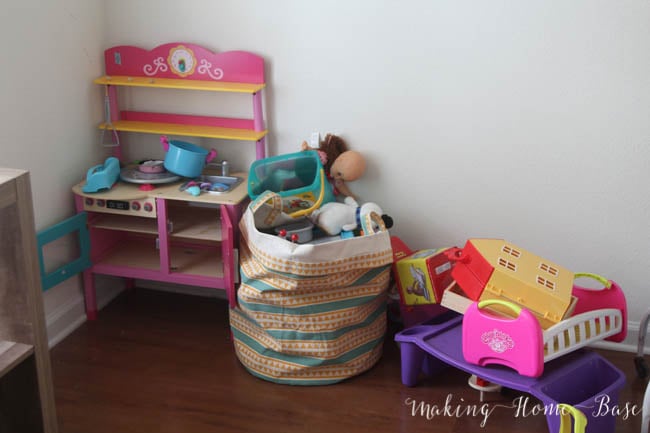
- The "Bag Trap": Many parents rely on large, singular storage bags or bins. While these are efficient at hiding items, they are functionally disastrous. Children often dump the entire contents of a bin to find one specific toy, leading to more clutter than existed in the first place.
- Visual Overload: Even when toys are put away, the sheer volume of kid-centric items can make a space feel disorganized, impeding the ability of parents to recharge in their own home.
Effective organization relies on the "corral and contain" methodology—defining a specific zone for play and utilizing furniture that doubles as both storage and decor.

A Chronological Approach to Organizational Evolution
The evolution of a home’s organization often follows the growth of the child. Early on, storage needs are minimal, focusing on soft items and floor mats. However, as children transition into toddlerhood and school age, the inventory of toys shifts from simple sensory items to complex sets, crafts, and books.
The Initial "Hideaway" Phase
In many households, early toy storage relies on architectural serendipity—such as an alcove under a staircase or a closet nook. These spaces provide an "out of sight, out of mind" solution. However, when moving to a home without these hidden gems, families are forced to pivot toward intentional furniture solutions.
The Transition to Open-Concept Storage
The realization often hits that a single, large storage receptacle is insufficient. The next step is the implementation of a modular system. By transitioning from a "dump-everything-in" model to a "categorized-cubby" model, parents report a significant decrease in daily cleaning time. When every item has a specific home, children are better equipped to assist in the cleanup process, fostering early responsibility.
Supporting Data: Why Modular Systems Prevail
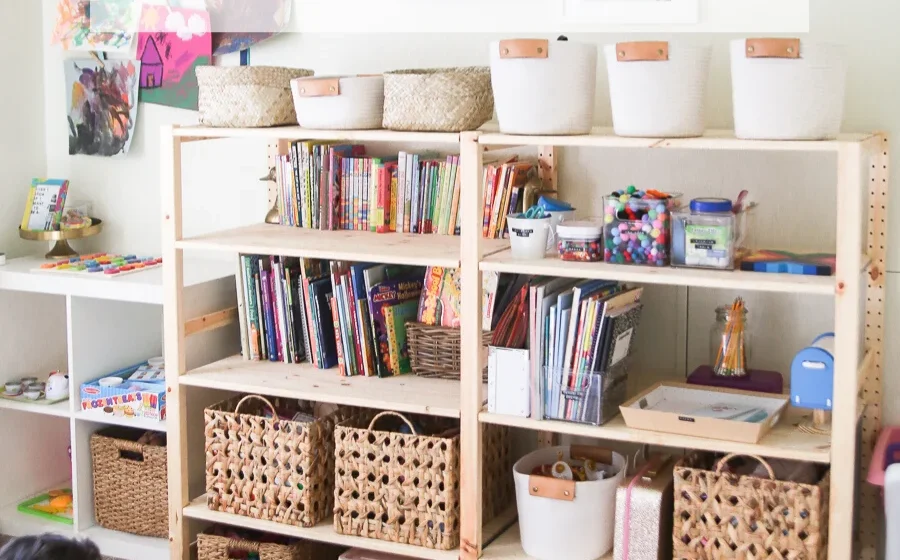
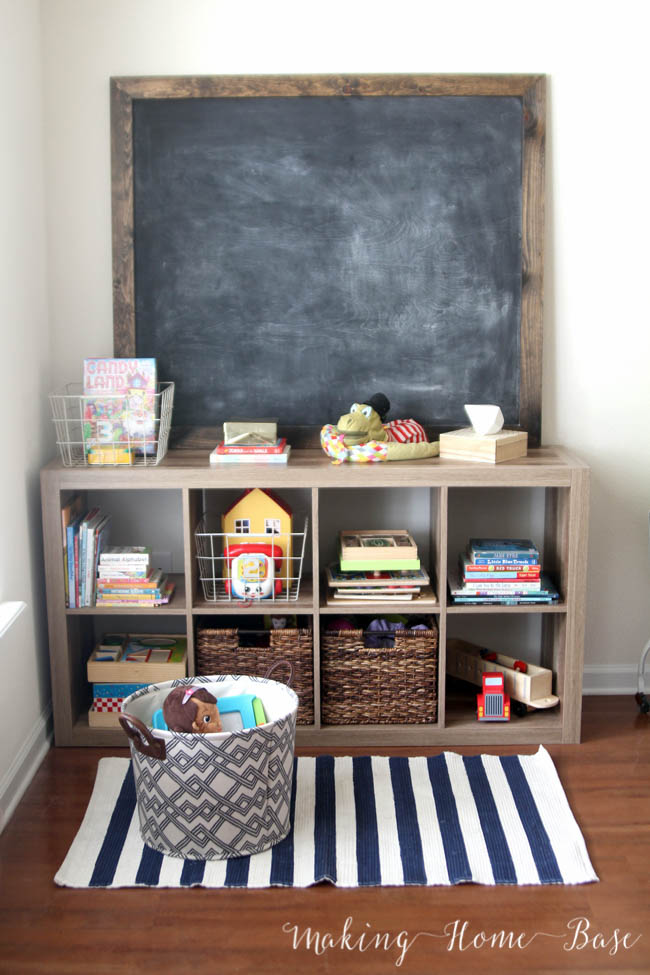
Expert organizers and interior designers consistently advocate for the use of vertical and modular storage. A popular choice for living room integration is the multi-cube organizer—a piece of furniture that offers a sleek, modern silhouette while providing dedicated compartments for varied items.
The Science of Categorization
By using bins and baskets within a cube structure, homeowners can implement "like-with-like" storage. This provides several benefits:
- Visibility: Children can identify where specific toys belong without needing to dump everything out.
- Scale Appropriateness: Utilizing a mix of large bins for bulkier items (like stuffed animals) and smaller, lidded containers for tiny pieces (like LEGO or art supplies) prevents smaller items from being lost in the "depths" of a container.
- Aesthetic Cohesion: By choosing bins that match the living room’s color palette—such as neutral fabrics or natural woven textures—the storage unit ceases to look like a toy bin and begins to look like intentional decor.
The "Rotating" Inventory
A critical strategy for managing toy volume is the "retired inventory" method. Not all toys need to be available at all times. By storing a portion of the toy collection in an attic or closet and rotating them into the living room every few weeks, parents can keep the play experience "fresh" for the child while keeping the volume of clutter in the main living area at a manageable level.

Implications for Family Life and Child Development
The physical state of a living space has a profound impact on the mental state of its occupants. A cluttered environment is often associated with higher cortisol levels and increased anxiety. By creating a system that allows for easy, rapid cleanup, parents can reclaim their living room after the children go to bed, signaling a shift from "playtime" to "rest time."
Encouraging Autonomy
When storage is at a child’s eye level, it shifts the power dynamic of cleaning. Rather than the parent acting as the sole housekeeper, the child is empowered to maintain their own space. This simple shift in design—placing low-profile organizers in the living room—can teach children the value of organization and stewardship of their belongings.
Maintaining the "Adult" Sanctuary
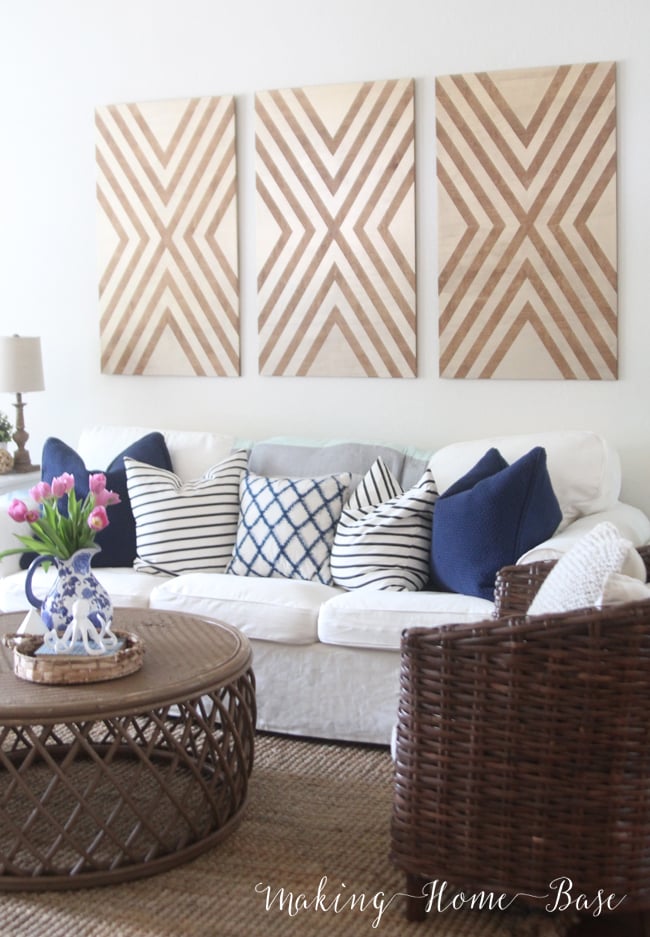
It is vital for the emotional well-being of parents that the living room retains its identity as an adult space. This does not mean the house must be a museum, but rather that the living area serves a dual purpose. By selecting furniture that can evolve—for example, a cube organizer that might house children’s toys today but could house books or decorative items in the future—families can invest in high-quality pieces that serve the household through various life stages.
Professional Recommendations for Implementation
For those looking to overhaul their current living room toy situation, industry experts suggest a three-step action plan:

- Zone Definition: Dedicate a specific, non-negotiable "toy corner." Even if the toys are not in a closet, having a specific, fixed location for them prevents them from migrating to the kitchen, the hallway, or the center of the living room rug.
- Invest in Multi-Functional Furniture: Seek out pieces like ottomans with storage, coffee tables with shelving, or, as previously noted, modular cube systems that can be customized with various bin styles.
- The "Everything Has a Home" Rule: If an item does not have a designated bin or shelf space, it is likely clutter. If the designated space is full, it is a signal that it is time to donate or rotate items that are no longer being utilized.
Conclusion: A Living Room for Everyone
Managing the influx of toys is not about suppressing a child’s joy; it is about creating an environment where that joy can flourish without disrupting the peace of the home. Through careful selection of storage furniture, the implementation of rotating toy inventories, and the commitment to maintaining designated play zones, families can successfully bridge the gap between a high-functioning home and a fun, family-friendly sanctuary.
As children grow and their needs change, the system may require minor adjustments, but the core principle remains the same: a place for everything, and everything in its place. With these strategies, the living room can remain a place of relaxation for parents and a place of wonder for children, proving that you do not need to choose between a beautiful home and a happy family.