The Art of Connection: Coalesse Co.Lab Redefines the Modern Workspace at Fulton Market Design Days

The streets of Chicago’s Fulton Market district were transformed into a pulsating hub of creativity last month as architects, interior designers, and industry visionaries converged for the annual Fulton Market Design Days. While the event featured an eclectic array of pop-ups—ranging from avant-garde shipping container galleries to whimsical, large-scale installations—one activation stood out for its profound exploration of the intersection between communal space and professional productivity: the Coalesse Co.Lab.
Main Facts: An Immersive Hub of Collaboration
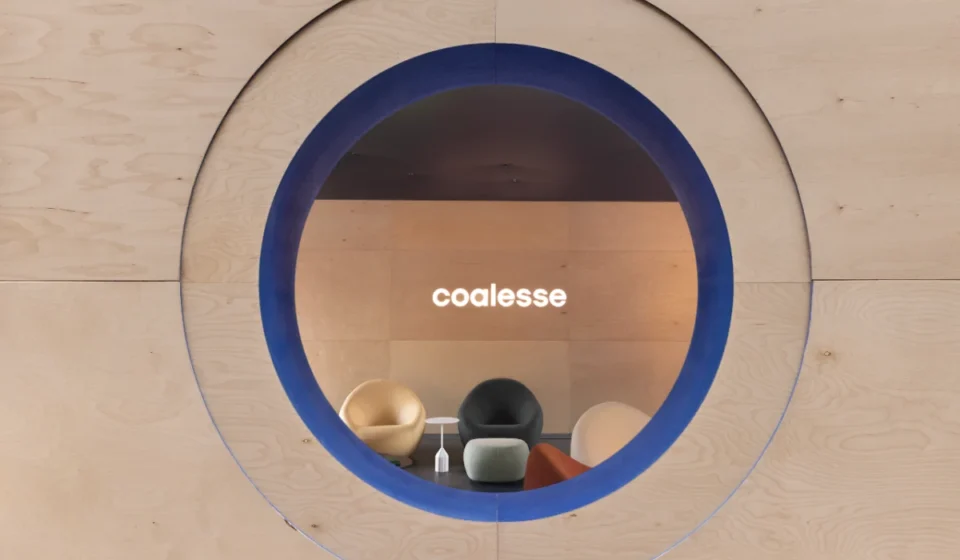
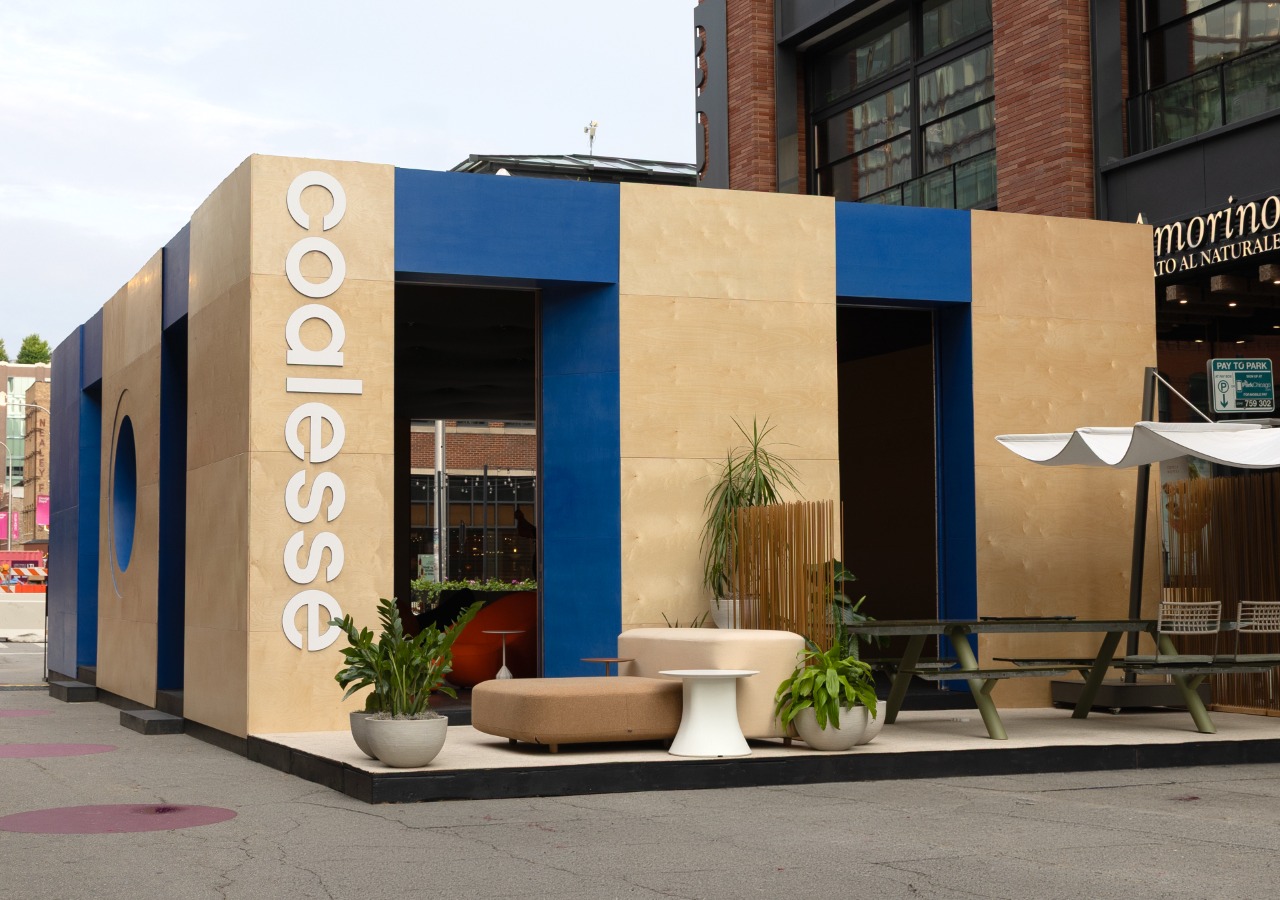
The Coalesse Co.Lab was not merely a display of furniture; it was a living, breathing laboratory for the future of work. Anchored near the Steelcase WorkLife Center, the installation utilized a striking architectural language of contrast to draw visitors in. The exterior featured a modular silhouette of light-colored plywood punctuated by vibrant pops of royal blue. Circular cutouts served as apertures, inviting the bustling street life of Fulton Market to peek into the curated, serene environments within.
The installation was fundamentally built on the philosophy of "co-creation." By integrating dynamic lighting and reactive soundscapes, the space responded to the presence and movement of its inhabitants, turning a standard showroom experience into a tactile dialogue between the occupant and the environment.
A Chronology of the Coalesse Co.Lab Experience
The success of the Coalesse Co.Lab was rooted in its carefully curated flow, which mirrored the stages of collaborative work.
The Threshold: Exterior Welcoming
The experience began outside the structure. Recognizing that the transition from a busy urban street to a focused workspace requires a psychological buffer, the design team installed a series of outdoor vignettes. Using Extremis’s Panigiri Picnic Tables and the Sensu single square shade parasol, the exterior provided a "soft landing." This area allowed visitors to congregate in a casual, open-air setting, signaling that the interior would be equally accessible and welcoming.
The Interior: A Symphony of Global Design
Upon entering the Co.Lab, visitors were met with a curated collection of pieces from a diverse roster of world-class design partners. The layout was intentional, placing the visitor in the middle of a design narrative that spanned modular seating systems, iconic lighting fixtures, and experimental textures. The space served as a physical manifestation of the Coalesse brand ethos: that the tools of work—and the spaces they occupy—must be as flexible as the teams using them.

The Engagement: Interactive Discussions
Throughout the duration of the event, the Co.Lab hosted a series of "meet-ups" and panel discussions. These were not traditional product launches but rather open forums where designers could debate the future of the office, the role of residential aesthetics in commercial environments, and how physical space can influence digital-first work cultures.
Supporting Data: The Power of Partnership
The strength of the Coalesse Co.Lab lay in its collaborative curation. By acting as a nexus for various high-profile designers and brands, Coalesse demonstrated how a unified space can be built from disparate, high-quality elements. Key highlights included:
- Modular Innovation: The debut of the Peaks seating system, designed by Yves Behar for Moooi, which challenged traditional concepts of modularity with its sculptural, landscape-inspired forms.
- Lighting and Atmosphere: Tom Dixon’s iconic Fat chairs and Whirl lighting fixtures were positioned to emphasize the importance of silhouette and mood in professional settings.
- Tactile Sophistication: The inclusion of SuperWire by Formafantasma for Flos and the Common modular benches by Naoto Fukasawa for Viccarbe highlighted a shift toward craftsmanship and material honesty.
- Functional Elegance: The Burin Mini tables by Patricia Urquiola rounded out the space, providing a masterclass in how small-scale furniture can anchor large-scale social interactions.
Additionally, the exhibition revisited the Jean Nouvel Seating Collection, which debuted at the previous year’s Design Days. The collection’s organic, fluid forms—inspired by the erosion of river rocks and the movement of sand dunes—offered a stark, comfortable contrast to the boxy, rigid geometry of the traditional office cubicle.

Official Responses: The Philosophy of Communal Space
The rationale behind the Coalesse Co.Lab was articulated clearly by Meghan Dean, General Manager of Design Brands and Partners at Coalesse. During the event, Dean emphasized that the "workplace" has transcended the physical office.
"At Coalesse, we understand the power of great communal spaces, and we believe they’ve never been more relevant," Dean stated. Her perspective underscores a shift in the corporate real estate sector: as hybrid work becomes the default, the office must offer something that the home office cannot—namely, the energy of collective creation. The Co.Lab was designed to prove that when individuals are placed in an environment that facilitates movement and social friction, the quality of their work improves.
Implications for the Future of Design
The Coalesse Co.Lab serves as a bellwether for the broader design industry. Several key implications emerge from the success of this installation:

1. The Death of the Static Office
The installation proved that fixed, rigid furniture is losing ground to adaptive, modular systems. Designers are increasingly looking for furniture that can be reconfigured on the fly to support different "modes" of work, from solitary focus to high-energy brainstorming.
2. The "Resimercial" Trend Continues
The blurred line between residential comfort and commercial functionality—often called "resimercial" design—was on full display. The use of warm plywood, rich textures, and ambient lighting suggested that the future of work is not sterile or clinical, but human-centric and cozy.
3. Sustainability through Durability
By showcasing long-term partners and timeless designs, the Co.Lab implicitly argued for the importance of longevity. In an era of fast-furniture, the curation focused on pieces that are designed to last, both in terms of material integrity and aesthetic relevance.

4. Space as a Catalyst
Perhaps the most significant takeaway was the focus on the human element. The installation treated the office as a social engine. By incorporating technology-assisted lighting and sound, the space acknowledged that atmosphere is a design tool as potent as any chair or desk.
Conclusion: Let’s Create Brilliant Work Together
As the dust settled on the Fulton Market Design Days, the impact of the Coalesse Co.Lab remained a major talking point among the design community. It moved beyond the superficial aesthetics of a showroom to address the fundamental need for human connection in a digital age.
The concluding message of the installation—"let’s create brilliant work together"—is more than a tagline; it is a call to action for architects and interior designers. It suggests that the future of the workplace is not a place you go to "get the job done," but a place you go to find inspiration, refine ideas, and build relationships.

In a world where we can work from anywhere, the Coalesse Co.Lab reminds us that we choose to work together because the collective output is, invariably, greater than the sum of its parts. By providing the tools, the space, and the environment for this synergy, Coalesse has set a high bar for what the office of the future should look like—and more importantly, how it should feel.