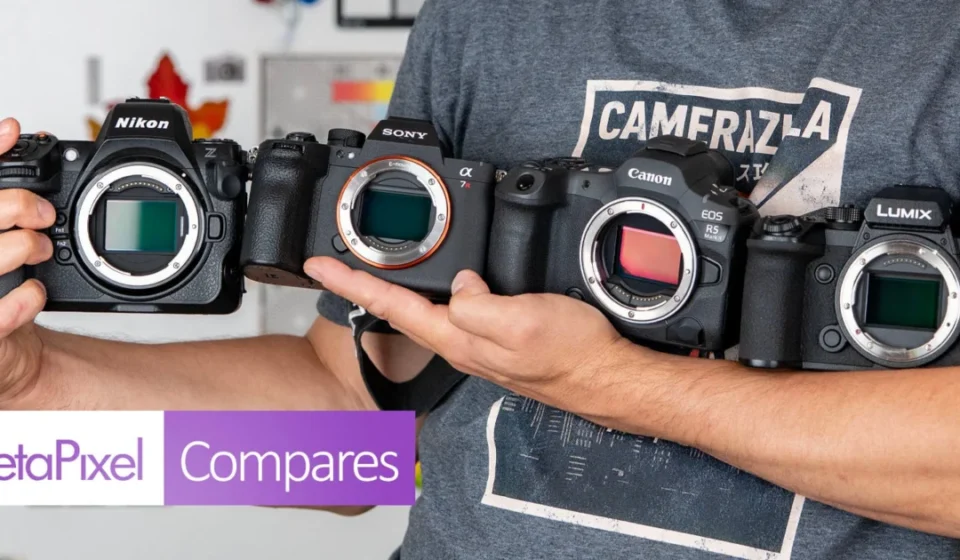

The mid-range camera market is a battlefield of attrition, defined by volume and accessibility. However, the high-end sector—where price tags hover between $3,000 and $4,500—is where the true technological arms race occurs. This is the realm of the "pinnacle" sensor, where manufacturers showcase their most sophisticated silicon, pushing the boundaries of resolution, readout speed, and dynamic range. For the professional photographer or the discerning enthusiast, choosing a camera today is not about finding a "good" device; it is about selecting the specific flavor of cutting-edge engineering that best suits your workflow.
In this comprehensive evaluation, we analyze four titans of the industry: the Nikon Z8, the Panasonic Lumix S1R II, the Canon EOS R5 Mark II, and the newcomer, the Sony a7R VI.
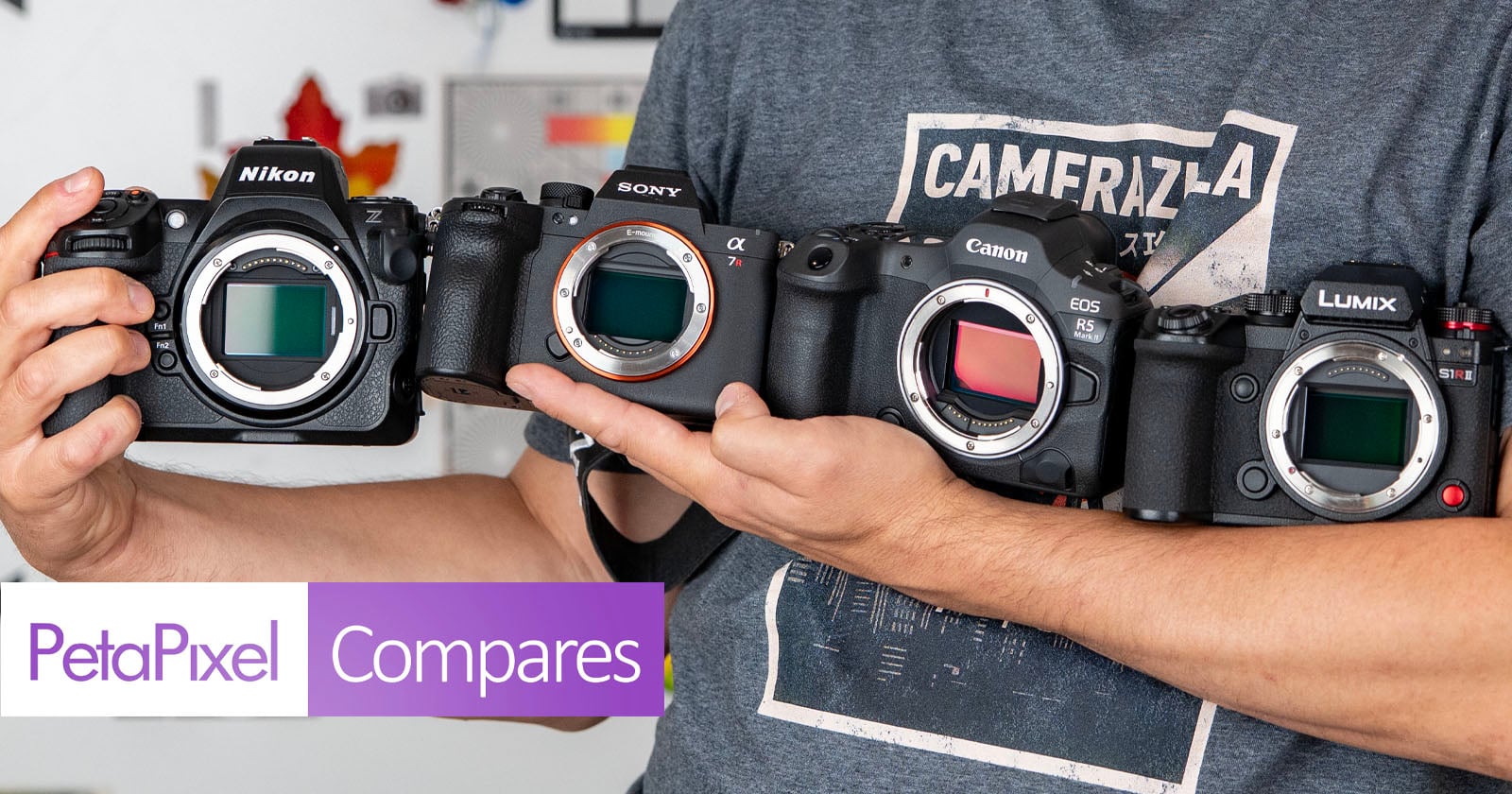
The Champions of the Industry: A Technical Overview
Before dissecting their performance, it is essential to understand the philosophy behind each manufacturer’s flagship-tier offering.
Nikon Z8: The Shutterless Pioneer
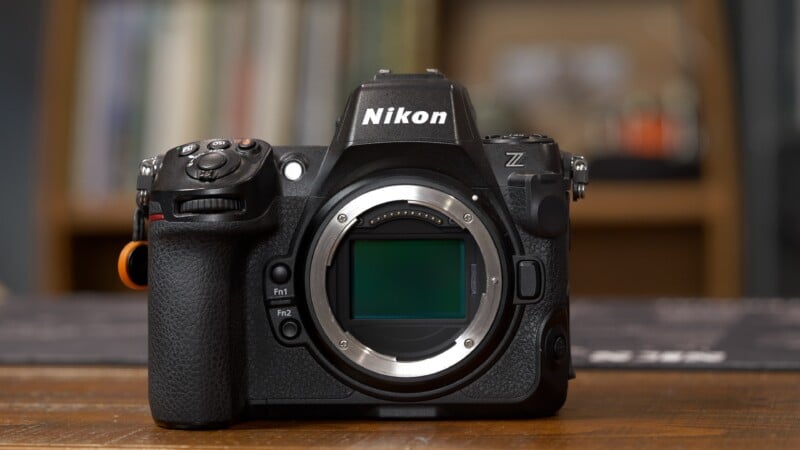
Despite being the veteran of this quartet, the Nikon Z8 remains a formidable powerhouse. At approximately $3,700, it occupies a strategic mid-tier price point. Its defining characteristic is its commitment to the future: it is the only camera in this group to completely abandon the mechanical shutter. By utilizing a fully stacked 45-megapixel sensor with exceptional readout speeds, Nikon has proven that physical shutters are increasingly becoming relics of the past.
Panasonic Lumix S1R II: The Studio Workhorse
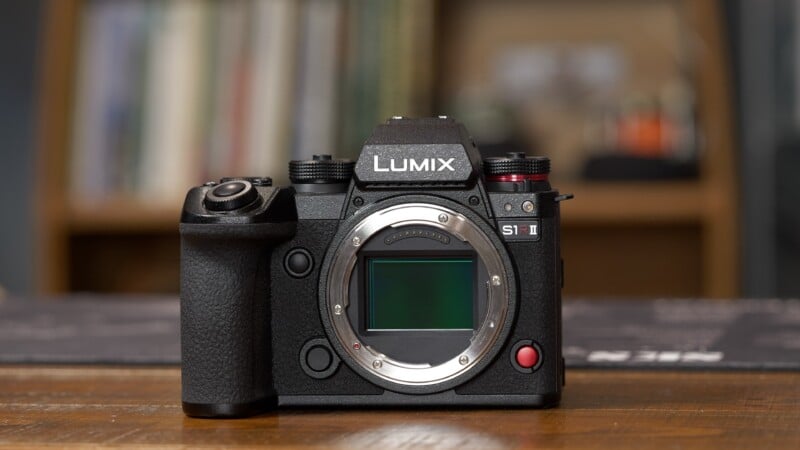
Priced at an aggressive $3,000, the Panasonic S1R II is a masterclass in value. Housed in a chassis built like a tank, it is clearly designed for the rigors of landscape and studio environments. While it features a 45-megapixel sensor comparable to its peers, its true strength lies in its high-resolution multi-shot mode, which produces massive, detailed files through in-camera stacking, bypassing the need for tedious post-processing.
Canon EOS R5 Mark II: The Versatile All-Rounder
Canon’s latest entry into the R5 lineage is perhaps the most balanced camera of the group. At $4,000, it utilizes a proprietary 45-megapixel stacked sensor that represents a massive leap in Canon’s imaging pipeline over the last two years. It is designed for the hybrid shooter, boasting autofocus performance that rivals specialized sports cameras while maintaining the resolution necessary for fine-art reproduction.
Sony a7R VI: The Resolution Titan
The newest arrival, the Sony a7R VI, enters the market at a premium $4,500. Sony has addressed the primary criticism of its predecessor—a lack of action-oriented versatility—by equipping the a7R VI with a brand-new 66-megapixel stacked sensor. This massive jump in resolution makes it the undisputed king of detail, while the stacked architecture ensures it can keep pace with fast-moving subjects.
Chronology of Innovation: How We Got Here
The progression of these sensors tells a story of industry-wide maturation.
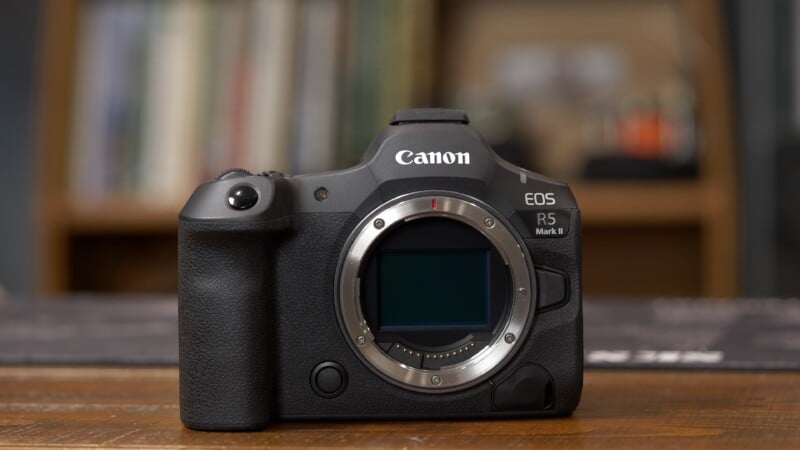
- The Early Days (2022-2023): The Nikon Z8 set the benchmark for stacked sensor performance, proving that electronic shutters could handle high-speed sports without the dreaded "rolling shutter" effect.
- The Maturation Phase (2024): Canon and Panasonic focused on integrating high-resolution capture with deep-learning autofocus. Canon, in particular, emphasized the "all-around" capability, forcing other manufacturers to rethink the "specialist" camera paradigm.
- The Resolution Explosion (2025-2026): With the release of the Sony a7R VI, the industry reached a new ceiling. By pairing high-resolution output with the readout speeds previously reserved for lower-megapixel sports cameras, Sony shifted the goalposts, making "high resolution" and "fast action" no longer mutually exclusive.
Supporting Data: Testing the Limits
To determine the true performance of these sensors, we subjected them to a rigorous series of benchmarks focusing on three key pillars: Resolution, Readout Speed, and Dynamic Range.
Resolution and Fine Detail
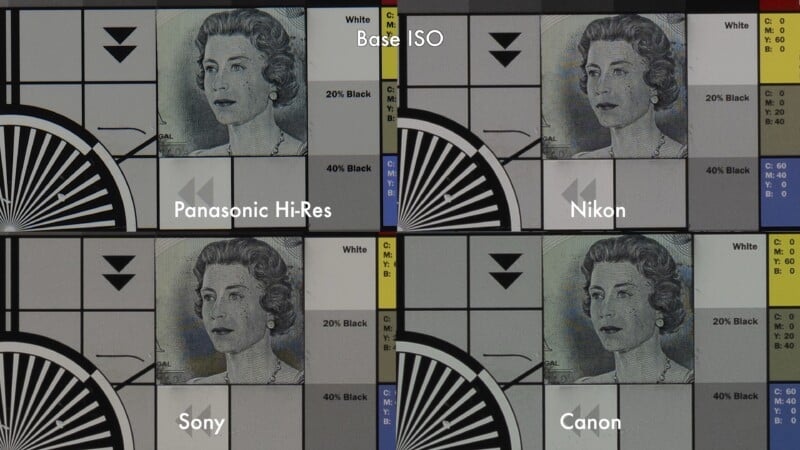
While all four cameras output images that are more than sufficient for high-end professional prints, the numbers tell a clear story.
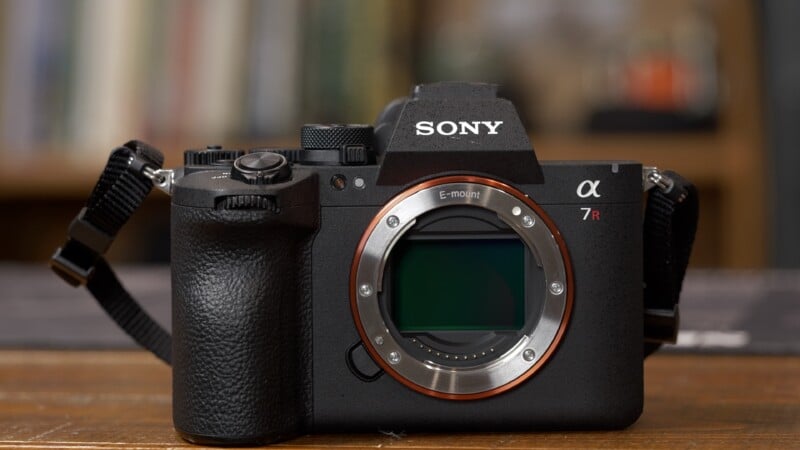
- The Sony Advantage: With 66 megapixels, the a7R VI provides a significant buffer for cropping. In our testing, we found that the a7R VI maintained structural integrity even when cropped to 50% of the original frame, a feat the 45-megapixel competitors could not match.
- The Panasonic Hi-Res Mode: While the S1R II lags slightly in raw per-pixel sharpness compared to the Sony, its in-camera high-resolution stacking mode allows it to compete with—and in some cases, exceed—the detail of the a7R VI for static subjects.
Sensor Readout Speeds and Electronic Shutters
The "scan rate" of a sensor is the critical metric for modern videography and action photography. A faster scan equals less distortion.
- Nikon Z8 (3.7ms): The undisputed leader in speed. This ultra-fast readout is the reason Nikon could safely remove the mechanical shutter.
- Canon R5 II (6.5ms): An incredibly strong performance that allows for near-perfect action capture in electronic shutter mode.
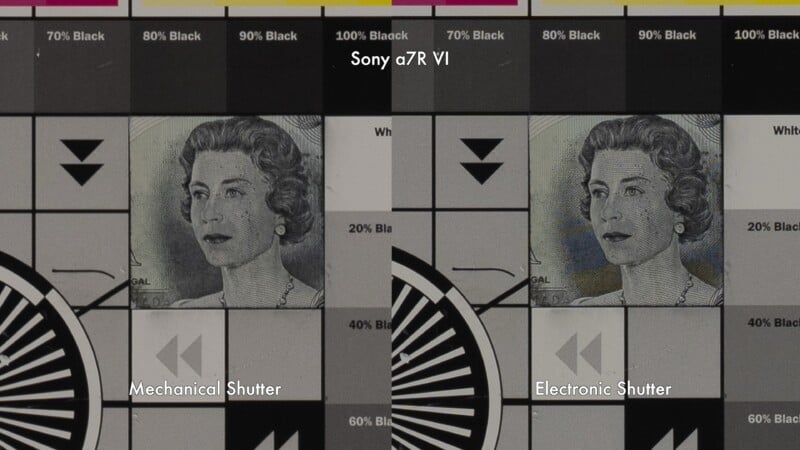
- Sony a7R VI (19.5ms): An improvement over its predecessor, but still prone to minor rolling shutter artifacts during extreme, high-speed panning.
- Panasonic S1R II (37ms): The slowest of the group. While perfectly adequate for studio work, it is not the ideal tool for fast-action sports photography using an electronic shutter.
Dynamic Range and High ISO Performance
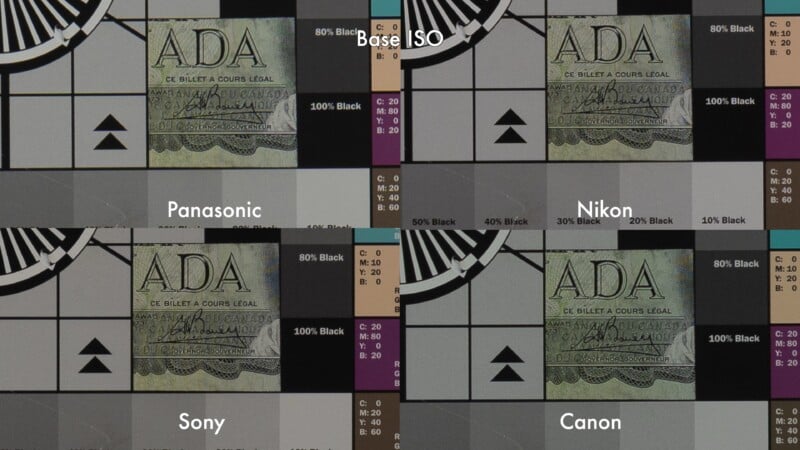
We tested these sensors by pushing them to the edge of their capability: deep underexposure followed by aggressive post-production recovery.
At a baseline of ISO 6400, all four cameras produce usable, professional-grade imagery. However, the Sony a7R VI stands out. Due to the high megapixel count, when the image is downsampled to a standard 24-megapixel viewing size, the noise appears significantly finer and less distracting. Furthermore, the Sony’s ability to "stack" exposure data on-sensor—facilitated by its fast readout—gives it a distinct advantage in maintaining shadow detail while preserving highlights.
Official Perspectives and Manufacturer Intent
Representatives from these companies have often articulated their design philosophies in recent trade briefings. Nikon’s engineering team has consistently highlighted "reliability through simplicity," arguing that the removal of moving parts (the shutter) is the ultimate way to increase camera longevity.
Conversely, Sony’s representatives emphasize the "data-centric" approach. By increasing resolution to 66 megapixels, Sony is betting on the future of AI-powered upscaling and heavy cropping as standard components of a modern photographer’s workflow. Canon maintains that the "user experience" is the priority, focusing on the integration of the R5 II’s sensor with its proprietary Digic accelerators, which prioritize speed and AF acquisition over raw pixel count.
Implications for the Future of Photography
The data suggests that the "sensor war" is reaching a state of diminishing returns regarding raw image quality. We have arrived at a point where the sensor is rarely the bottleneck; rather, the user’s lens choice, lighting conditions, and post-production skills are the primary determinants of success.
Key Takeaways for Buyers:
- If you are a professional sports/wildlife photographer: The Nikon Z8 or Canon R5 Mark II are the superior choices due to their blisteringly fast sensor readout speeds, which virtually eliminate rolling shutter.
- If you are a landscape or studio photographer: The Sony a7R VI is the technical leader. Its 66-megapixel sensor provides unmatched detail, and its dynamic range is currently the gold standard.
- If you are a value-conscious hybrid shooter: The Panasonic S1R II remains the most compelling value proposition. Its ruggedness and in-camera high-res features offer a workflow efficiency that the more expensive cameras lack.
Ultimately, we are spoiled for choice. The gap between the best and the "worst" in this group is remarkably thin, measured only in specialized use cases. Whether you prioritize the speed of the Nikon, the resolution of the Sony, the balance of the Canon, or the value of the Panasonic, the era of compromise is officially over. The industry has effectively mastered the sensor; the next frontier will undoubtedly be how these sensors integrate with the burgeoning field of computational photography and on-board AI processing.