The Eternal Allure of the Cosmopolitan: A Deep Dive into the World’s Most Iconic Pink Cocktail

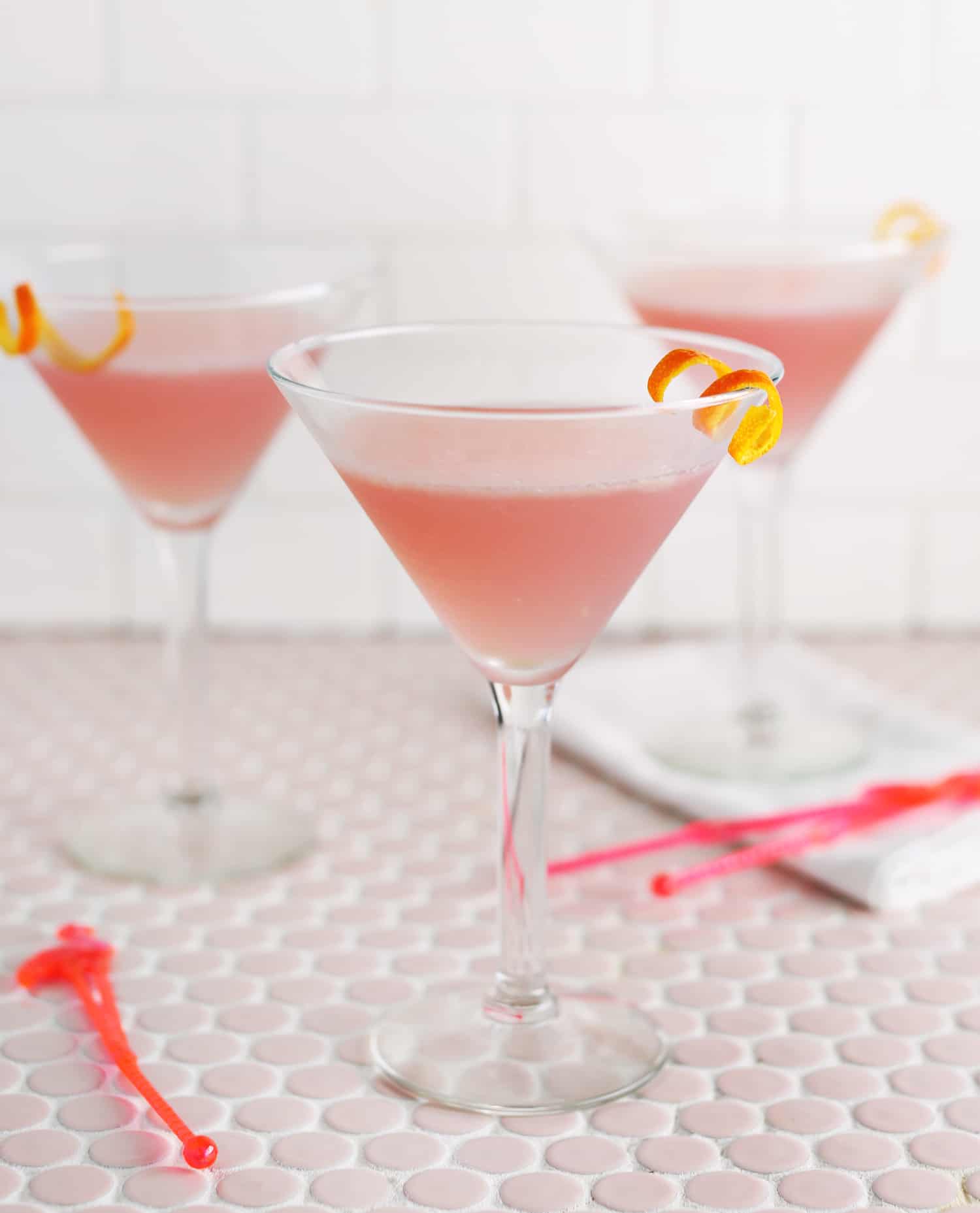
In the pantheon of classic cocktails, few drinks possess the instant visual recognition and cultural gravitas of the Cosmopolitan. With its vibrant, translucent pink hue, its sophisticated profile of tart citrus and crisp vodka, and its storied legacy as the unofficial accessory of 1990s New York, the "Cosmo" remains a cornerstone of modern mixology. Far more than just a passing trend from the era of Sex and the City, the Cosmopolitan represents a pivotal moment in the evolution of bar culture, bridging the gap between the sugary, neon-colored drinks of the 1980s and the refined, craft-cocktail movement that defines today’s high-end mixology.
The Anatomy of a Classic
At its core, the Cosmopolitan is an exercise in elegant simplicity. The recipe—a delicate harmony of high-quality vodka, premium orange liqueur, unsweetened cranberry juice, and fresh lime juice—is designed to balance spirit-forward strength with a refreshing, acidic bite. Unlike the cloying, sugar-heavy concoctions that dominated the late 20th century, a well-made Cosmo is clean, crisp, and remarkably dry.
The choice of ingredients is paramount. While the drink gained fame during the explosion of flavored vodkas, modern purists and professional bartenders often gravitate toward premium, neutral-grain vodkas. Brands like Grey Goose or Ketel One provide a clean canvas that allows the bright, bracing acidity of the lime and the subtle, bittersweet profile of the orange liqueur (traditionally Cointreau) to shine. The cranberry juice acts as the vital bridge, providing both the iconic color and a necessary tartness that keeps the drink from becoming one-dimensional.
Chronology: The Murky Origins of an Icon
The history of the Cosmopolitan is as debated as it is colorful. While it is often pigeonholed as a creation of the mid-90s, the "Cosmopolitan" name has appeared in cocktail literature as early as the 1930s. However, those early variations—often involving gin, raspberry syrup, and lemon—bore little resemblance to the pink martini-style drink we recognize today.
The Miami Connection
The most widely accepted origin story for the contemporary version begins in 1985. Cheryl Cook, a bartender working at The Strand in South Beach, Miami, sought to create a drink that would appeal to the burgeoning, upscale nightlife scene. Cook reportedly wanted to invent a cocktail that looked sophisticated when served in a martini glass but lacked the harsh, medicinal bite of a straight martini. By taking the blueprint of the Kamikaze—a popular shot made of vodka, triple sec, and lime—and adding a splash of cranberry juice for color and a smoother finish, she unknowingly laid the groundwork for a global phenomenon.
The New York Evolution
The narrative shifts north in the late 1980s, where industry titans like Dale DeGroff, the legendary bartender at the Rainbow Room in New York City, and Toby Cecchini, then working at The Odeon, began to refine the recipe. Cecchini is frequently credited with standardizing the modern formulation using Absolut Citron, a citrus-flavored vodka that was revolutionary at the time. This adaptation shifted the flavor profile, emphasizing the bright, zesty citrus notes that would eventually become the drink’s hallmark.
The Pop Culture Explosion
While bartenders were perfecting the drink in Manhattan’s high-traffic lounges, it was the arrival of HBO’s Sex and the City in 1998 that catapulted the Cosmo into the stratosphere of pop culture. Carrie Bradshaw and her friends transformed the drink from a bartender’s favorite into a lifestyle statement. The Cosmo became shorthand for female empowerment, urban independence, and the glamorous, fast-paced rhythm of New York City. For over a decade, it was the undisputed queen of the cocktail menu.
Supporting Data: Why the Cosmo Endures
Beyond the nostalgia, the success of the Cosmopolitan is rooted in human sensory science. The drink hits the "sweet spot" of the palate. The acidity from the lime juice triggers the salivary glands, making the drink refreshing rather than heavy, while the alcohol content ensures it remains a "grown-up" beverage.

In terms of market impact, the rise of the Cosmopolitan was instrumental in the commercial success of the cranberry industry and the premium vodka market. It forced bartenders to move away from pre-made sour mixes toward fresh-squeezed citrus, arguably acting as a precursor to the "fresh-is-best" ethos of the modern craft cocktail movement. Even today, despite the rise of complex, herbal-forward concoctions, the Cosmopolitan remains one of the top-ordered drinks in high-volume bars, proving that quality, consistency, and a sense of occasion never go out of style.
Expert Perspectives and Professional Techniques
Industry experts emphasize that the difference between a "good" Cosmo and a "great" one lies in the technique. The shake is not merely for chilling; it is for aeration. A proper 10-to-15-second shake with high-quality ice creates a "froth" of tiny bubbles that gives the drink a velvety mouthfeel.
"The secret is the temperature," notes a veteran mixologist. "Because the Cosmo is served up—without ice—it must be shaken until the shaker is frosted over. If you don’t achieve that level of chill, the drink warms too quickly, and the balance between the cranberry and the orange liqueur falls apart."
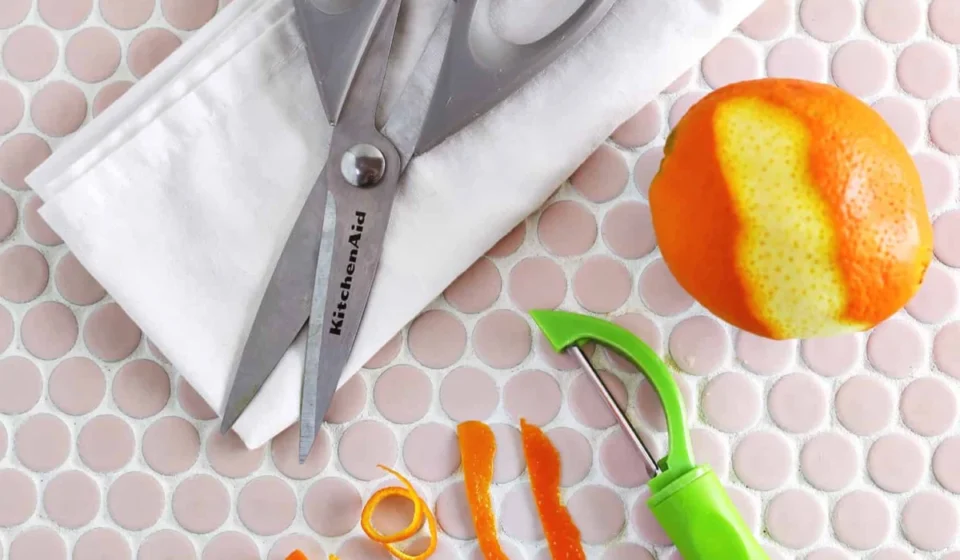
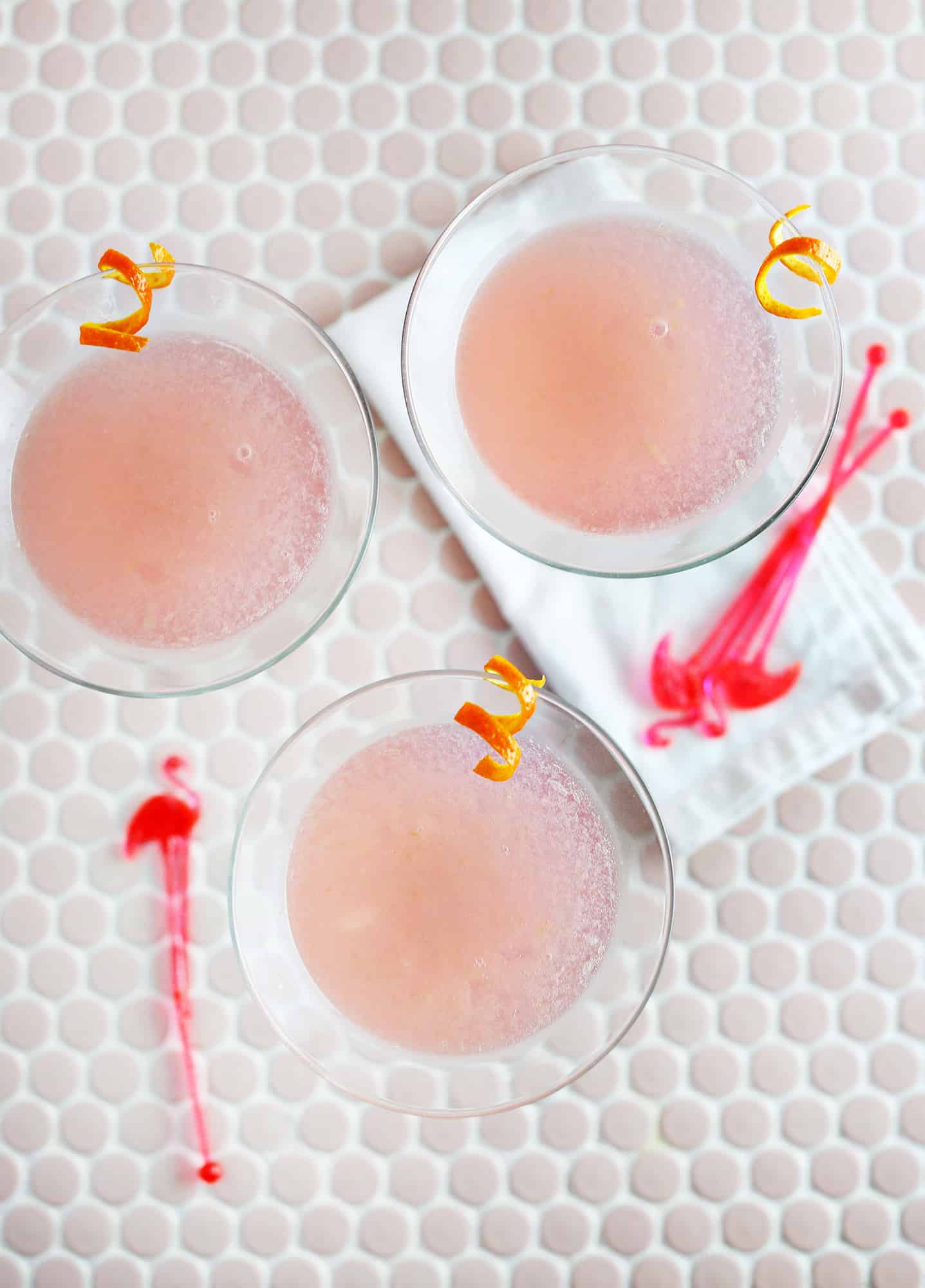
Furthermore, the garnish is not merely decorative. A hand-cut orange twist, when expressed over the glass, releases essential oils that act as a sensory precursor to the first sip. It transforms the experience from drinking juice-based alcohol into a sophisticated, aromatic ritual.
Implications for Modern Mixology
The Cosmopolitan serves as a lesson in the "cycle of taste." For years, the drink was derided by "mixology snobs" as being too common, too simple, or too "90s." However, we are currently witnessing a "Cosmo-naissance." As the industry moves away from the overly complicated, ingredient-heavy drinks of the 2010s, there is a renewed appreciation for the clarity and precision of the Cosmopolitan.
It stands as a testament to the fact that a cocktail does not need obscure bitters or house-made tinctures to be great. It requires only balance, quality ingredients, and the correct technique. The implications for the home bartender are clear: the Cosmo is the ultimate "dinner party" drink. It is visually stunning, universally liked, and, when made with fresh, high-quality ingredients, it competes with the most complex drinks on a craft bar menu.
Conclusion: A Timeless Classic
Whether you are sipping one at a bustling rooftop bar in Manhattan or shaking one up in your own kitchen on a Friday night, the Cosmopolitan remains a masterpiece of design. It is a drink that captures a specific moment in history while maintaining a timeless appeal. As we look toward the future of the cocktail world, the Cosmo serves as a reminder that the best drinks are those that combine, rather than complicate, flavors. It is a drink for the bold, the sophisticated, and the thirsty—a true icon of the glass.
As you prepare your next round, remember: use fresh lime, go easy on the cranberry to maintain that vibrant pink rather than a deep red, and always, always shake until your hands are cold. The perfect Cosmopolitan is waiting.